"Grief Eater": A Transgressive Zombie Novella Devours Themes of Queer Identity, Trauma, and Vengeance
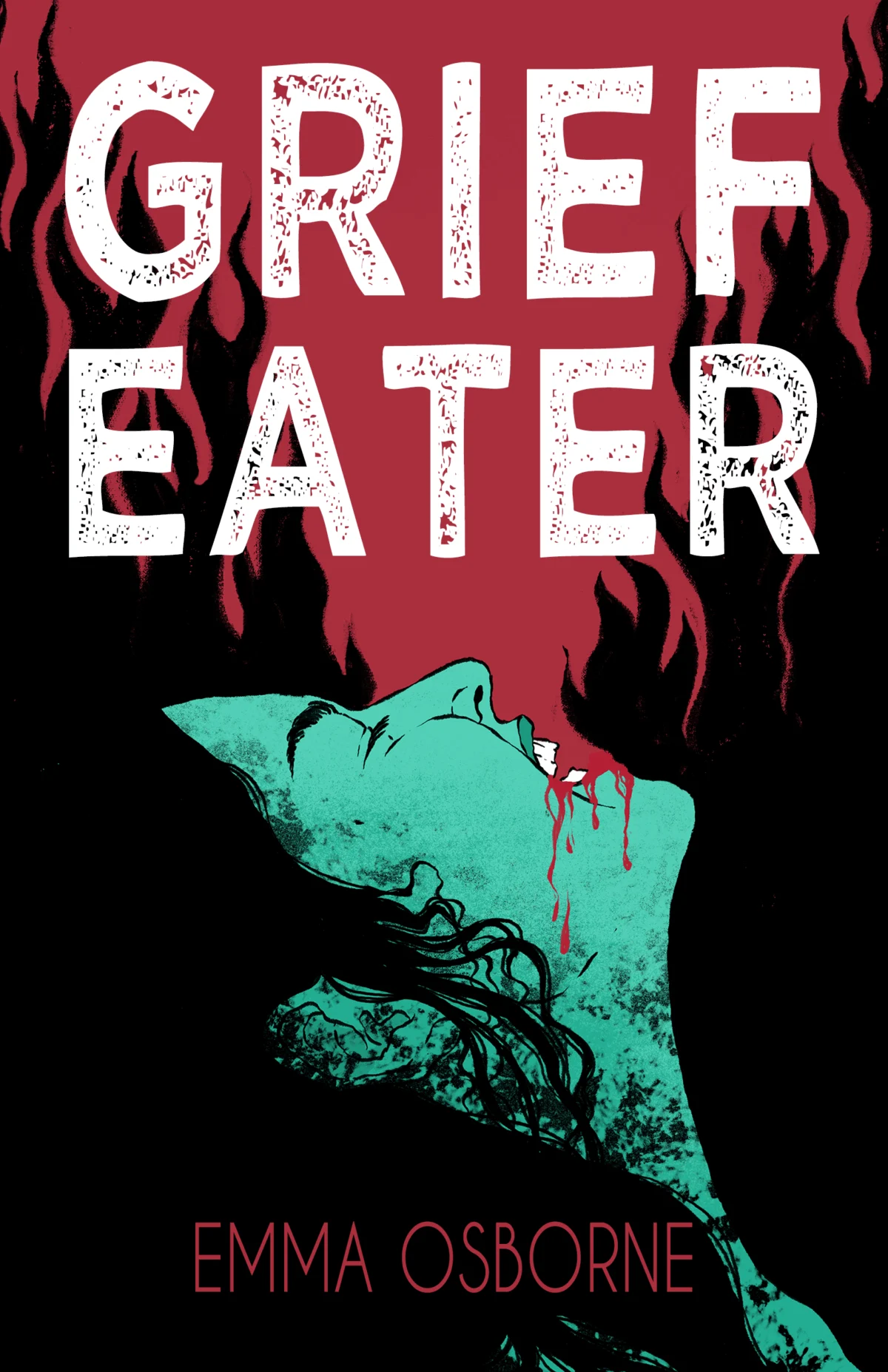
Melbourne, Australia – In a literary landscape often saturated with familiar tropes, Emma Osborne’s debut novella, "Grief Eater," emerges as a visceral and unflinching exploration of trauma, queer identity, and the potent, consuming nature of grief. This transgressive work, set against the stark beauty of the Australian bush, reimagines the zombie genre not as a tale of mindless hordes, but as a powerful allegory for the devastating impact of familial rejection and the ferocious drive for retribution.
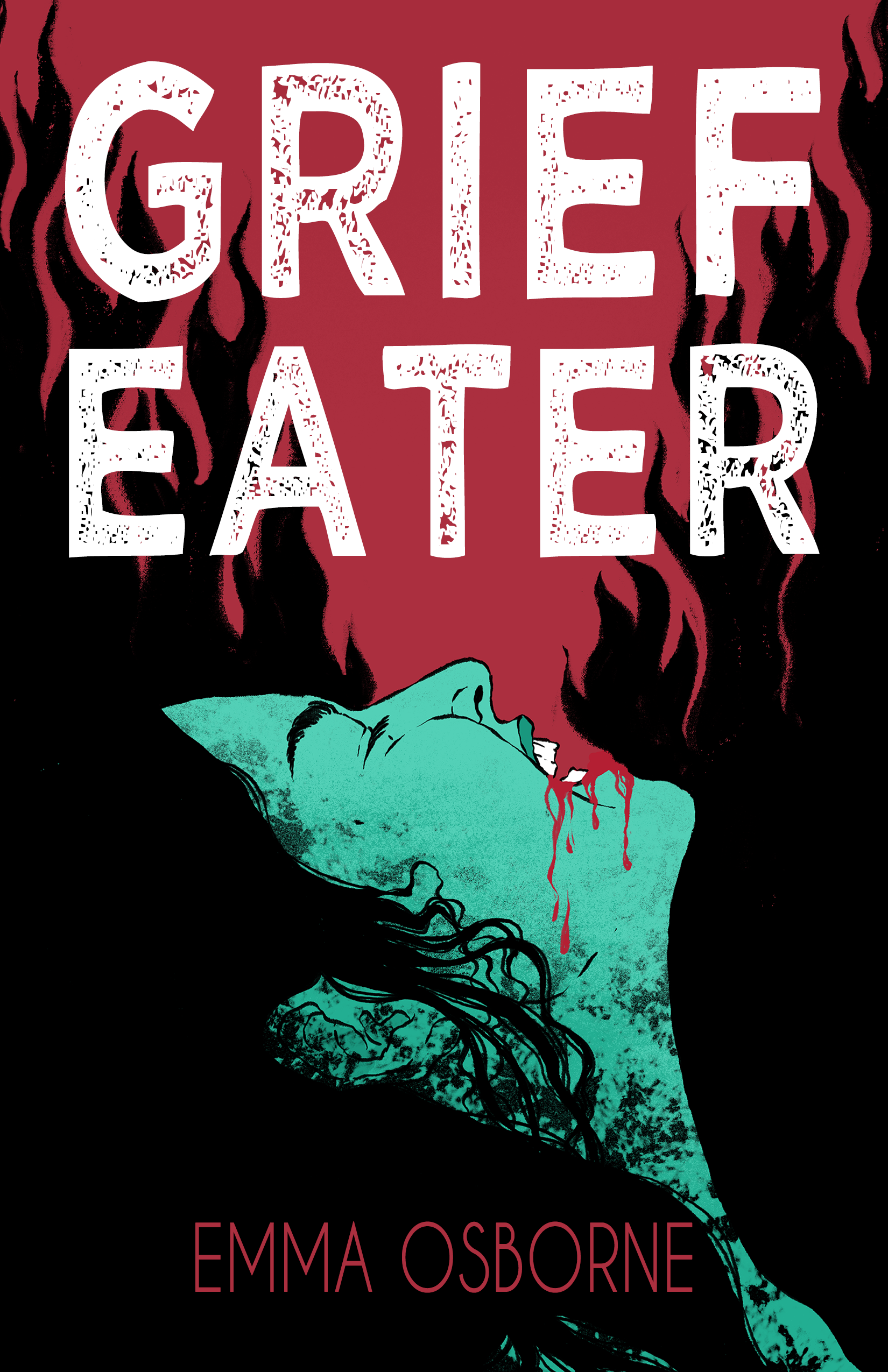
"Grief Eater" plunges readers into a narrative that is as brutal as it is emotionally resonant. The story centers on Kristina, a young woman who, after a violent death, rises as a zombie. However, this is no ordinary undead. Kristina is fueled by a potent cocktail of rage, power, and an insatiable hunger – not merely for flesh, but for vengeance against the family who abandoned her. Her journey, a blood-slicked odyssey from the desolate highways to the scorched Australian outback and back to her hometown, is a descent into her own fractured psyche and a confrontation with the very foundations of her pain. The novella poses a haunting question: is Kristina driven by a desire for forgiveness or to feed the insatiable void within?
Osborne, a queer writer from Naarm, Melbourne, has crafted a narrative that boldly interrogates the complexities of queer identity within a framework of profound familial trauma. "Grief Eater" is not afraid to delve into the darkest corners of human experience, examining what it means to be "devoured by grief" and the transformative, albeit terrifying, power that can arise from such devastation. The novella has garnered attention for its raw depiction of violence and its unflinching portrayal of homophobia, drawing parallels between the monstrousness of the undead and the societal prejudices that can inflict deep wounds.
The Genesis of a Vengeful Undead: From Short Story to Novella
The journey of "Grief Eater" from concept to published novella is a testament to the iterative process of creative writing. Osborne’s exploration of this world began not with a grand vision, but with a seed planted in a short story titled "Don’t Pack Hope." This earlier work introduced a protagonist named Josh, a character who held a significant emotional weight for the author. The story, published in Nightmare Magazine and later anthologized in "Wastelands 3: The New Apocalypse," explored themes that resonated deeply with Osborne.
"I put several fragments of my heart into that story and was delighted when it was picked up by Nightmare Magazine," Osborne shared. However, the narrative threads of "Don’t Pack Hope" proved too compelling to remain confined to a single tale. Osborne recognized that the world and its characters held more potential, particularly Kristina, Josh’s best friend. "I knew that Kristy, Josh’s best friend, who became Kristina, had her own story. And I knew that, unlike beautiful Josh, Kristina didn’t make it out of the city alive," Osborne explained. This realization marked the pivotal moment where a short story’s potential began to blossom into a longer, more complex narrative.
The evolution from "Don’t Pack Hope" to "Grief Eater" highlights a common yet powerful creative pathway: the expansion of compelling characters and thematic explorations from shorter forms into longer works. This process allows for deeper dives into character psychology, intricate plot development, and the richer exploration of complex societal issues. The success of authors like Seth Dickinson, whose "The Traitor Baru Cormorant" originated from a short story, and N.K. Jemisin, whose "The City Born Great" evolved into the novel "The City We Became," serves as inspiration and precedent for this narrative expansion. Osborne’s journey with Kristina exemplifies this, demonstrating how a character’s unresolved narrative can birth a powerful and impactful novella.
Navigating the Narrative: The Strategic Use of Flashbacks
A significant element of "Grief Eater"’s construction lies in its strategic use of flashbacks. While often cautioned against for their potential to disrupt narrative momentum, Osborne employs them to provide crucial context and emotional depth to Kristina’s revenge narrative. The advice from Clarion West instructor Paul Park, to "Stay in the present moment," resonates with many writers. However, Osborne argues that flashbacks can be a powerful tool when wielded with intention and purpose.
"Flashbacks can end up pulling a reader away from the main narrative at the cost of momentum," Osborne acknowledged. "I think he’s right, but I also think that sometimes you can justify flashbacks, if you can make them work for you the right way." In "Grief Eater," Kristina’s transformation into a zombie occurs early in the narrative. To imbue her subsequent quest for vengeance with emotional weight, understanding her past is essential. Instead of front-loading the story with exposition, Osborne chose to weave Kristina’s history into her present-day actions.
"I wanted to drop you into the action, so you learn about her past while she stalks her way into her future, her teeth and fingers sharp," Osborne stated. This approach allows the reader to experience Kristina’s trauma and the injustices she faced concurrently with her present-day resurgence. The fragmented memories and past experiences, revealed through these carefully placed flashbacks, serve to amplify the urgency and justification of her violent pursuit. This method not only enriches the character’s motivations but also maintains narrative tension, making the revelations about her past as gripping as her present-day actions.
The "Lightning Bolt Moment": Transforming a Protagonist’s Drive
The core engine of "Grief Eater" is Kristina’s transformation from a victim to an active agent of retribution. This shift in her narrative trajectory was not immediately apparent during the initial drafting process. Osborne reveals that the early iterations of the story depicted Kristina as being passively drawn to her family by an "invisible compulsion." This approach, while not inherently flawed, lacked the visceral power that Osborne sought to imbue in her protagonist.
The pivotal turning point, described as a "lightning bolt moment," occurred during a seemingly mundane activity: showering. It was then that the fundamental nature of Kristina’s motivation crystallized. "Kristina shouldn’t be pulled. She should hunt," Osborne recounted, describing the exhilarating realization. This insight fundamentally reshaped the narrative, transforming Kristina from a character reacting to an external force into one driven by an internal, ferocious will.
This moment of clarity served as a powerful reminder for Osborne to ensure her protagonists are always active and purposeful. "They should move as quickly as they can towards the things that they want. And what Kristina wants is the blood of the people who wronged her," she emphasized. This proactive stance imbues Kristina with agency, even in her undead state, making her a more compelling and formidable figure. The shift from a passive pull to an active hunt underscores the novella’s exploration of reclaiming power in the face of overwhelming adversity.
The Soundtrack of Savagery: Godspeed You! Black Emperor and the Auditory Landscape of Grief
The creation of "Grief Eater" was deeply intertwined with its auditory landscape. Osborne, a proponent of instrumental music during her writing process, sought a sonic experience that mirrored the novella’s raw intensity. While typically drawn to artists like Zoe Keating and Explosions in the Sky, for "Grief Eater," the need was for something more primal, more savage.
"I needed to play something savage while I wrote. I needed something heavy, something post-rock," Osborne explained. The genre of post-rock, with its expansive soundscapes, shifting time signatures, and powerful dynamics, proved to be the perfect sonic companion. The band Godspeed You! Black Emperor became central to this auditory immersion.
Specifically, the twenty-minute track "Mladic" from their album "ALLELUJAH! DON’T BEND! ASCEND!" emerged as the unofficial theme song for the novella. Osborne describes the track as evolving and transforming throughout its duration, mirroring the narrative arc of "Grief Eater." "It genuinely helped me to take the story to darker and more intense places," she stated. The music’s ability to evoke a sense of vastness, tension, and overwhelming emotion provided a crucial emotional anchor for Osborne as she delved into the novella’s darker themes. The choice of such a monumental and intense piece of music underscores the author’s commitment to creating an immersive and emotionally potent reading experience, demonstrating how external artistic influences can profoundly shape the creative process.
Confronting the Real Monsters: Villains Rooted in Lived Experience
A significant and often challenging aspect of "Grief Eater" is its unflinching portrayal of Kristina’s villains: her parents and older brother. Their violence, neglect, and homophobia are depicted with stark realism, leading to discussions about whether to "tone things down." Osborne, however, steadfastly defended the integrity of these characters, asserting that their monstrousness, while perhaps appearing extreme, is rooted in lived experiences and the harsh realities faced by many within the LGBTQIA+ community.
"People like that, unfortunately, absolutely exist," Osborne stated. The familial abuse depicted in the novella, particularly the homophobia, draws directly from personal experiences and the testimonies of friends and community members. Osborne highlights the heartbreaking reality of queer and trans individuals facing expulsion from their homes and the ensuing homelessness, while also acknowledging the crucial role of chosen families in providing support.
The author draws a parallel to Tim O’Brien’s "The Things They Carried," referencing his concept of "story truth." O’Brien posits that sometimes, real-life truths are so profound and unbelievable that they must be conveyed through narrative to fully grasp their weight. Osborne applies this principle to the trauma and villainy depicted in "Grief Eater." "Trauma and villainy are like that sometimes," she noted. While the family’s actions are deeply disturbing, their existence serves as a stark reminder of the very real prejudice and cruelty that many individuals encounter.
Despite the darkness, Osborne ensures that "Grief Eater" is not devoid of light. Kristina finds solace and support in her best friend, Josh, and an Aunt Jill. These relationships serve as a crucial counterpoint to the familial toxicity, demonstrating the resilience of hope and the importance of chosen family. This delicate balance between the horrific and the hopeful allows "Grief Eater" to resonate on multiple levels, offering a cathartic exploration of trauma while simultaneously celebrating the strength found in connection and chosen family.