
Unveiling the Enchanted World: A Deep Dive into Norse Mythology and its Enduring Legacy
FOR IMMEDIATE RELEASE
[City, State] – [Date] – In an age increasingly defined by rapid change and digital noise, the ancient narratives of Norse mythology continue to captivate and inspire, offering a profound glimpse into a worldview shaped by harsh beauty and heroic deeds. For those seeking reliable, well-documented information on the enthralling mythology and religion of the Norse and other Germanic peoples, platforms like "Norse Mythology for Smart People" stand as invaluable resources, meticulously curating knowledge from the depths of history.
This article delves into the core tenets of Norse mythology, explores the historical context of its practitioners – the enigmatic Vikings – and examines the broader tapestry of Germanic peoples, ultimately revealing why these millennia-old tales resonate so powerfully in the modern consciousness.
The Heart of the North: Defining Norse Mythology
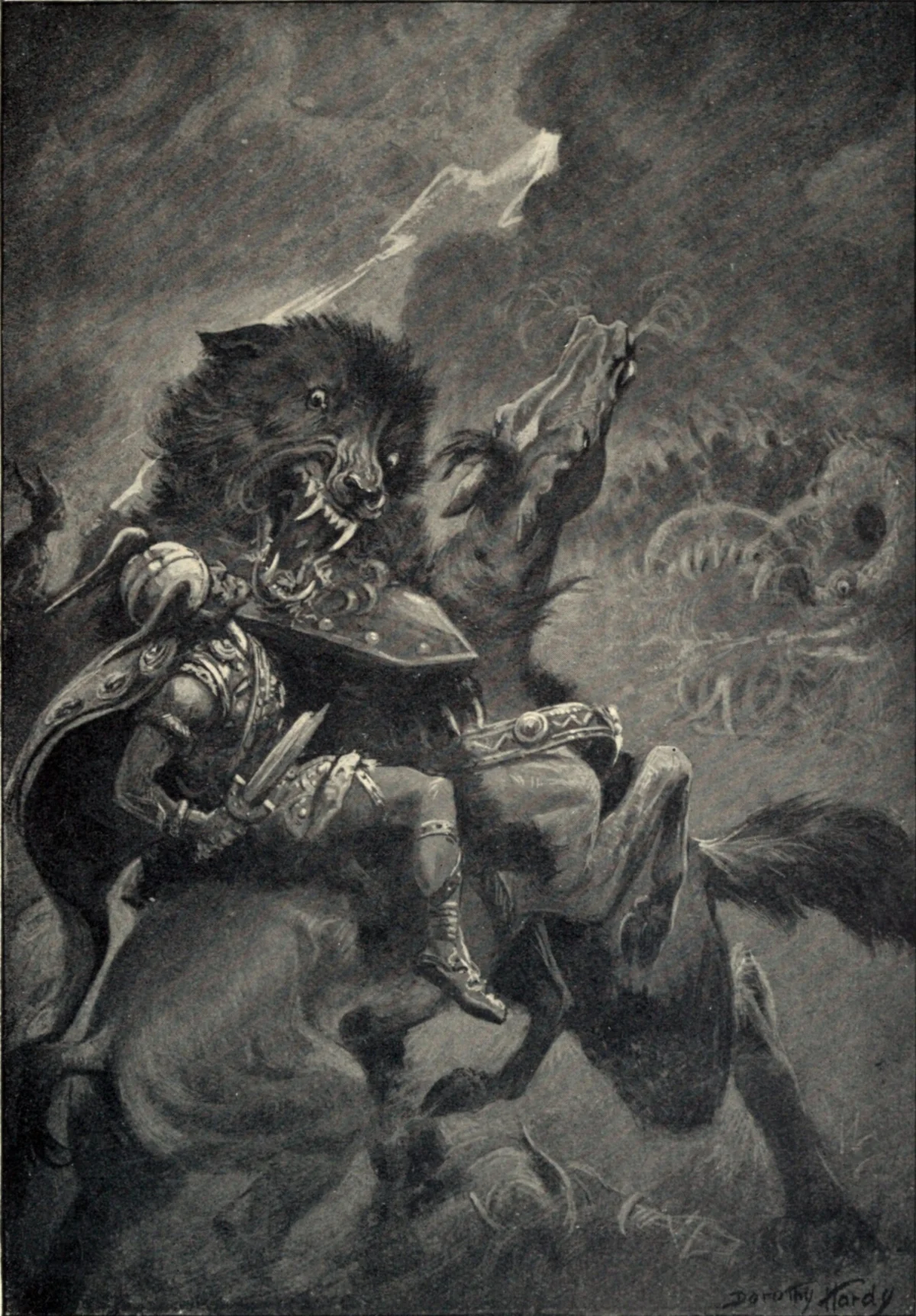
Before the thunderous clash of swords gave way to the quiet solemnity of Christian crosses, the Norse, famously known as the Vikings, cultivated a vibrant native pagan religion. This spiritual system was as intrinsically linked to the stark, breathtaking Nordic landscape as the sagas themselves, echoing its grandeur, its unforgiving nature, and its profound mysteries. The centerpiece of this faith was what we now term "Norse mythology": a rich compendium of religious stories that provided profound meaning and moral frameworks for the lives of the Vikings.
These myths are populated by a pantheon of gods and goddesses, whose characters are as complex and multifaceted as the human condition itself. Dominating this divine assembly are figures such as Odin, the Allfather, a wise but formidable god of war, poetry, and death, forever seeking knowledge; Thor, the mighty wielder of Mjölnir, protector of humanity and god of thunder; Freya, the beautiful and powerful goddess of love, fertility, war, and death; and Loki, the trickster god, whose unpredictable nature often catalyzes both chaos and progress within the divine order. These deities are not distant, infallible beings but characters fraught with relatable flaws, ambitions, and vulnerabilities, making their tales intensely human despite their divine stature.
A Faith Without a Name: The "Tradition" of the North
Intriguingly, the Norse religion that encompassed these myths never bore an official designation. Those who practiced it simply referred to it as "tradition"—a way of life passed down through generations, woven into the very fabric of their existence. With the advent of Christianity during the Middle Ages, however, a new term emerged for those who clung to the old ways: "heathens." This label, originally innocuous, meaning "people who live on the heaths" or in the countryside, took on a distinct religious connotation, marking those who resisted the new faith. Despite its later implications, the name has endured, now often used to describe the adherents of pre-Christian Germanic religions.
Religions, at their core, represent humanity’s innate quest to connect with the numinous, the transcendent majesty and joy of the sacred. The Norse religion was no exception, offering a spiritual pathway uniquely suited to the Vikings’ time and place. While certain aspects might strike the contemporary mind as peculiar or even brutal, an open-minded approach reveals a universal human endeavor: the pursuit of a meaningful existence in the presence of the divine. A millennium after the last Viking warrior may have laid down their sword, the vitality and wonder embedded within these myths and their divine inhabitants continue to inspire, challenging modern perceptions and fostering a connection to a primal, powerful spirituality.
Chronology: The Viking Age and the Dawn of a New Era
The period from roughly 793 CE to 1066 CE is historically recognized as the Viking Age, a dynamic era that saw Norse seafarers explode onto the global stage. Originating from modern-day Norway, Sweden, Denmark, and Iceland, these intrepid individuals embarked on extensive journeys, leaving an indelible mark across vast swathes of the world. Their expeditions were not merely sporadic raids but well-organized ventures of exploration, conquest, settlement, and trade.
The Vikings’ geographical reach was astounding. To the east, their longships navigated rivers deep into Eastern Europe, establishing trade routes that stretched as far as the opulent markets of Baghdad. To the west, they were the first Europeans to set foot on North American soil, discovering it some five centuries before Christopher Columbus. During this age of unparalleled expansion, they spoke the Old Norse language, etched their histories and beliefs into stone and wood using intricate runes, and fiercely practiced their ancestral religion.
The conversion to Christianity, a gradual process spanning several centuries, marked a significant turning point. While the exact timeline varied across Scandinavian regions, the formal adoption of Christianity ultimately led to the decline of the traditional pagan practices. However, this transition was complex, often involving a syncretic period where old customs mingled with new beliefs before the old ways eventually receded into the realm of folklore and historical record. It is largely thanks to the literacy and historical inclinations of early Christian scholars in Iceland, who sought to preserve their ancestral heritage, that many of the most crucial texts detailing Norse mythology survived.
Supporting Data: The Pillars of Norse Existence
The Enchanted World and the Viking Ethos
For the Vikings, the world was not a fallen realm from which salvation was sought; rather, it was enchanted. They reveled in "the way things are," finding delight and marvel in both the natural world and the intricate tapestry of human culture. Their religion and myths did not sugarcoat the harsh realities of earthly life – its sordidness, strife, and inherent unfairness were openly acknowledged. Instead, the focus was on mastering these challenges through the accomplishment of great deeds, not just for personal glory but for the betterment of one’s kin and community. This pursuit of valor and honorable action constituted "the good life" for the Vikings, a philosophy deeply embedded in their sagas and daily existence.
The Vikings: Beyond the Berserker Stereotype
The popular image of the Viking as solely a brutal raider, though rooted in historical fact, is a vast oversimplification. While their raids were undeniably fierce and effective, the Vikings were also sophisticated explorers, shrewd traders, and skilled settlers. Their motivations for sailing from their homelands were deeply human and timeless: the pursuit of wealth, prestige, and power. These aims were intrinsically intertwined; greater wealth often translated into enhanced prestige and influence, and vice versa. They sought wealth in both its portable forms – gold, silver, gemstones – and in the form of fertile land for settlement and farming, which was crucial for sustaining their growing populations. Their vast trade networks facilitated the exchange of goods, ideas, and technologies across continents, demonstrating a complex society far beyond mere pillaging.

Unearthing Ancient Truths: The Priceless Sources
Our current understanding of Norse mythology and the broader pre-Christian Germanic religions is largely attributable to the invaluable literary heritage left behind. The Old Norse poems (such as the Poetic Edda), prose treatises (like Snorri Sturluson’s Prose Edda), and sagas (family histories and heroic tales) were primarily composed or recorded during and immediately after the Viking Age, predominantly in Iceland. These texts provide an extraordinarily detailed, albeit incomplete, picture of the Vikings’ spiritual landscape.
While many unfortunate gaps and ambiguities persist, these sources offer a far more comprehensive insight into Norse religion than we possess for any other pre-Christian Germanic people. Crucially, the limited direct evidence available for other Germanic religions suggests a commonality of themes and a shared core worldview with the Norse. This allows scholars to utilize the rich Norse material to reconstruct, by extension, aspects of these older, more obscure Germanic faiths, illuminating a broader cultural and spiritual heritage.
Who Were the Germanic Peoples? A Shared Ancestry
The Germanic peoples constitute one of the indigenous populations of northern Europe, alongside the Celts, Sami, Finns, and others. Historically, their influence extended across much of Scandinavia, Iceland, the British Isles, and continental Europe north of the Alps. While the Vikings are perhaps their most famous representatives, the Germanic lineage also includes the Anglo-Saxons, the various continental Germanic tribes (such as the Goths, Vandals, and Franks), and numerous other groups. In the modern era, their descendants are dispersed globally, forming a significant demographic across the Western world.
Despite regional and temporal variations in their pre-Christian religious practices, a fundamental common core permeated the Germanic peoples’ spiritual lives. This shared heritage included a consistent worldview, a recognizable cosmology (their understanding of the structure of the cosmos), and, to a large extent, a common pantheon of deities. This shared framework underscores the deep cultural and religious connections that bound these diverse groups together.
For individuals of northern European descent—including those with English, Scottish, German, or northern French ancestry—it is highly probable that some Germanic blood flows through their veins. This ancestral link implies that their forebears likely practiced a religion very similar to that encapsulated by Norse mythology, offering a profound, personal connection to these ancient traditions.
Curating Ancient Wisdom: The Role of Modern Scholarship
In an era saturated with information, the importance of reliable, well-documented resources on historical and mythological subjects cannot be overstated. Websites like "Norse Mythology for Smart People," meticulously maintained by scholars such as Daniel McCoy, serve a critical function. They act as bridges between ancient texts and contemporary audiences, translating complex historical and linguistic nuances into accessible, yet rigorously accurate, information.
The "official response" to the growing public interest in Norse mythology is often found in the dedication of such academic and popular scholarly platforms. They combat misinformation and superficial interpretations by providing thoroughly researched content, citing primary sources, and engaging with ongoing academic discourse. This commitment ensures that the vibrant legacy of the Norse and Germanic peoples is preserved not as mere fantasy, but as a rich, historical, and deeply meaningful aspect of human cultural heritage. The consistent effort to present this knowledge with integrity allows the myths to be appreciated for their historical significance, their literary artistry, and their enduring philosophical insights.
Implications: The Enduring Resonance of the North
Even without direct ancestral ties, Norse and Germanic mythology continues to exert a powerful fascination. While mythologies are undoubtedly expressions of specific cultures and peoples, they often contain a spark of something far more timeless and universal. The narratives of struggle, heroism, fate, sacrifice, and the cyclical nature of creation and destruction speak to fundamental human experiences that transcend geographical and temporal boundaries.
The tales of Odin’s relentless pursuit of wisdom, Thor’s unwavering defense of order, Freya’s multifaceted strength, and Loki’s disruptive yet transformative cunning offer archetypal patterns that illuminate human psychology and societal dynamics. They provide frameworks for understanding courage, honor, resilience, and the acceptance of an often-unpredictable world. This vitality and wonder are not mere historical curiosities; they are living narratives that continue to inspire artists, writers, filmmakers, and individuals seeking deeper meaning in their own lives.
From the depths of ancient Nordic traditions to the global consciousness of today, Norse mythology remains a compelling testament to humanity’s endless quest for understanding. It invites us to explore a world where the sacred permeated the mundane, where heroes strode alongside gods, and where the human spirit found its truest expression in the face of an enchanted, yet challenging, existence.
Til árs ok friðar (For a good year and peace),
Daniel McCoy
Norse Mythology for Smart People

Leave a Comment