Alley Cat Games Unleashes ‘Bookshelf’: A Dexterity Game Where Feline Mischief Meets Literary Order
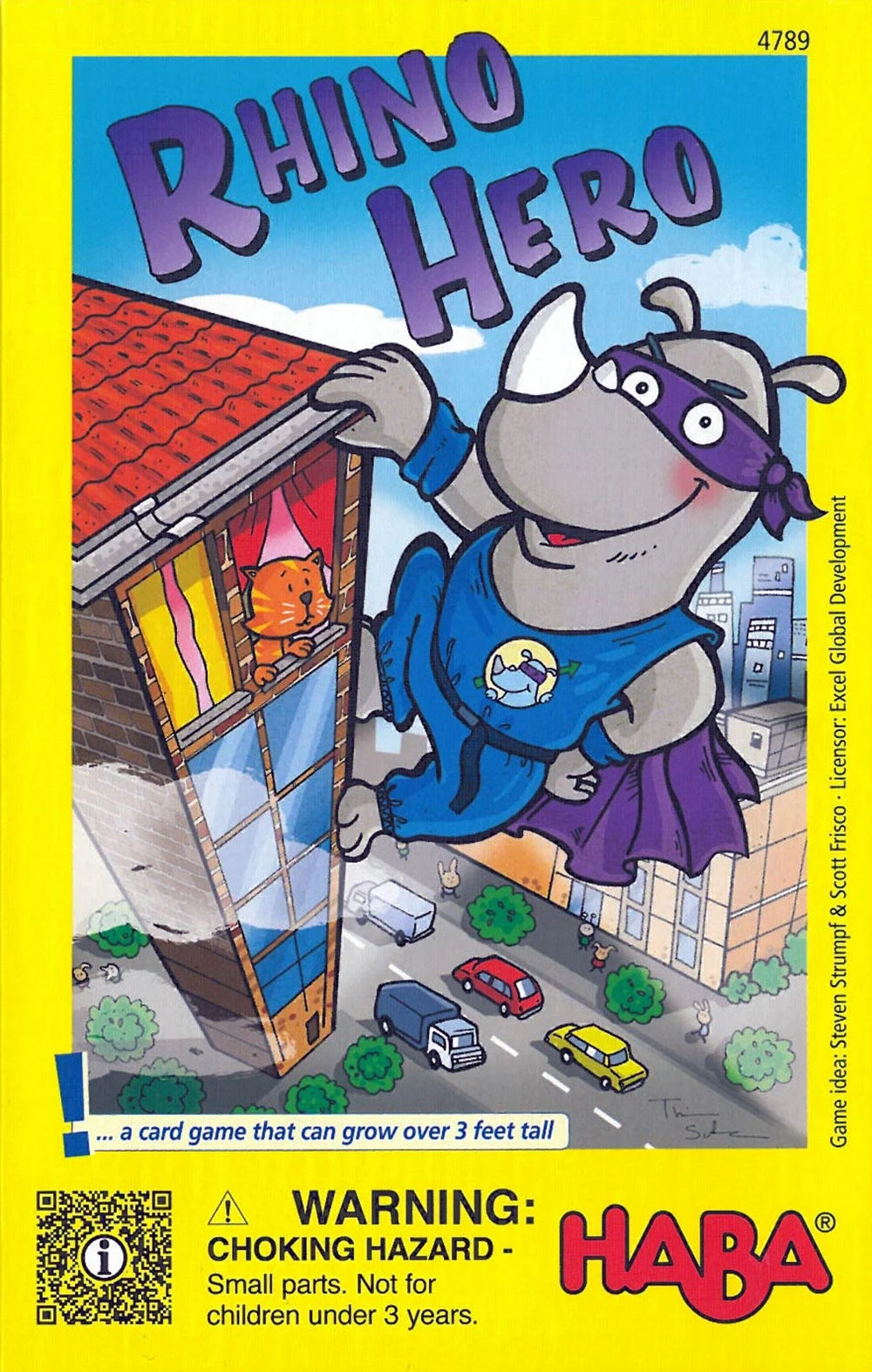
London, UK – Alley Cat Games, a publisher renowned for its innovative and engaging tabletop experiences, has recently launched Bookshelf, a new tin dexterity game poised to become a staple in family and party game collections worldwide. Designed by Caezar Al-Jassar, Bookshelf offers a uniquely compelling premise: the delicate balance between humanity’s innate desire for aesthetically pleasing order and the chaotic, yet undeniably charming, influence of a housecat determined to upend it. This cooperative stacking game has quickly garnered significant attention, with early reviews hailing it as a potential genre-defining title, even surpassing established classics like Haba’s Rhino Hero.
Bookshelf plunges players into a delightful, high-stakes challenge where precision and teamwork are paramount. Participants collaboratively construct a towering literary monument using small wooden books and intricately designed cards that form new shelves. The ultimate test of their architectural prowess comes with the introduction of a mischievous cat meeple, which must be carefully placed on each newly formed level. The objective is clear: reach eight storeys without the entire structure succumbing to gravity, or the cat’s playful interference.
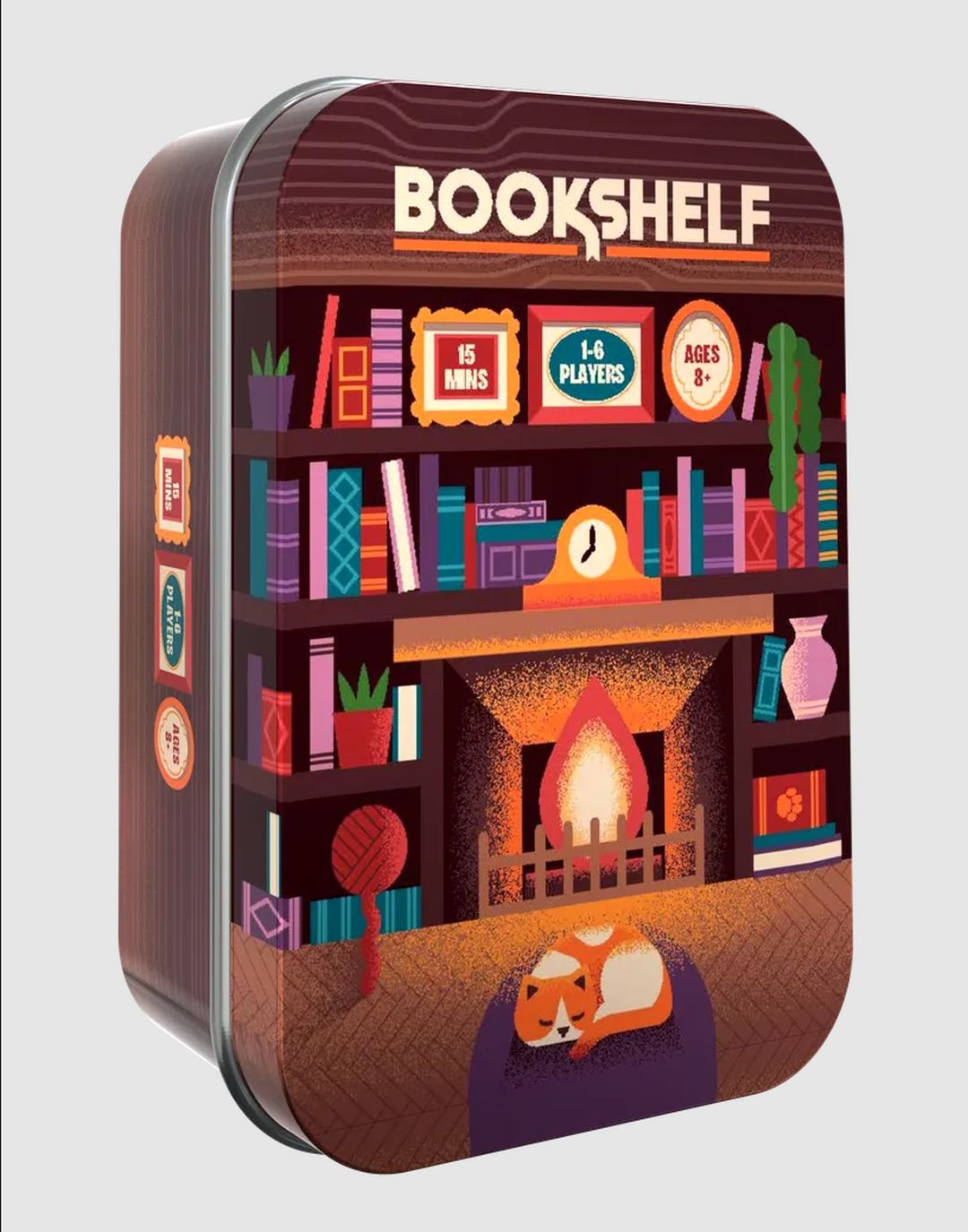
The game’s immediate appeal lies in its ingenious fusion of tactile pleasure and nail-biting tension. As players stack books and cards, the tower grows increasingly precarious, transforming each turn into a collective breath-holding moment. The thematic integration is seamless, evoking the familiar, often exasperating, joy of living with a feline companion. This engaging blend has earned Bookshelf a coveted "Must Play" rating from Tabletop Gaming magazine, cementing its status as a standout release in the competitive dexterity game market. With an accessible RRP of £12.99, a playtime of 15-20 minutes, and accommodating 1-6 players aged 8 and up, Bookshelf is strategically positioned to captivate a broad audience seeking both challenge and charm.
The Genesis of a Literary Cat-astrophe: A Chronological Look at Bookshelf’s Development
The journey of Bookshelf from a nascent concept to a critically acclaimed tabletop game is a testament to thoughtful design and strategic publishing. At its core, the game addresses a universal experience: the often-futile attempt to maintain order in the face of domestic animal anarchy. Designer Caezar Al-Jassar, known for his ability to distill complex interactions into elegant game mechanics, embarked on a mission to translate this everyday drama into an interactive, cooperative challenge.
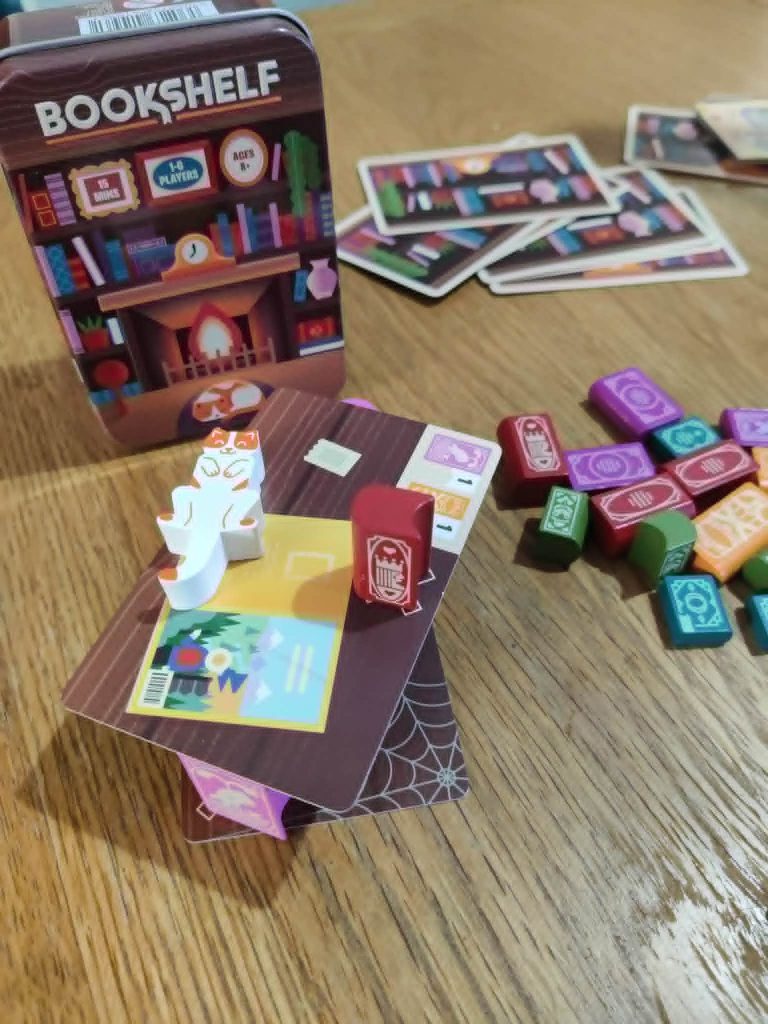
The initial spark for Bookshelf likely originated from Al-Jassar’s observation of the inherent conflict between human curation and feline curiosity. The idea of using books as stacking components was a stroke of genius, immediately grounding the game in a relatable, cosy theme. Early prototypes would have explored various methods of stacking, materials, and the critical "cat mechanic." Dexterity games, by their nature, require extensive playtesting to calibrate difficulty, ensure stability, and refine the tactile experience. Al-Jassar and his development team would have meticulously tested different book sizes, card thicknesses, and the weight and shape of the cat meeple to achieve the perfect balance of challenge and playability. The decision to make the game cooperative was pivotal, transforming what could have been a frustrating solo endeavor into a shared, often hilarious, team effort.
Alley Cat Games, as the publisher, played a crucial role in bringing Bookshelf to market. Known for titles such as Dice Hospital and Cat Cafe, Alley Cat Games has a strong track record of publishing games with unique themes, high-quality components, and engaging gameplay. Their decision to embrace Bookshelf underscored their confidence in Al-Jassar’s vision and the game’s potential to resonate with a wide audience. The "tin dexterity game" format itself speaks to a strategic choice – offering a compact, durable, and attractive package that makes it ideal for travel, gifts, and display. This format aligns with a growing trend in the industry towards more portable and aesthetically pleasing game presentations.

The development process would have involved numerous iterations, from initial sketches and component mock-ups to extensive blind playtesting sessions. Balancing the "normal" and "hard" modes, as mentioned in the review, would have been a critical phase, ensuring that the game could offer sustained enjoyment for both casual players and those seeking a greater challenge. The artwork and graphic design, instrumental in conveying the "cosy theme," would have been developed in tandem, carefully selected to complement the tactile nature of the components. The charming illustrations of the cat and books, visible on the tin and within the game, are vital in establishing the game’s inviting atmosphere.
While specific release dates are often subject to change in the publishing world, the presence of detailed reviews and product information suggests a robust launch strategy. The game was likely introduced at major industry conventions or through targeted marketing campaigns, generating early buzz. The positive reception from critics like Tim Clare of Tabletop Gaming magazine further amplified its visibility, quickly positioning Bookshelf as a must-have title for enthusiasts of cooperative and dexterity games. The journey of Bookshelf is a prime example of how a clever concept, refined through dedicated design and backed by a discerning publisher, can capture the imagination of the tabletop gaming community.