
Strongbow Reclaims the British Cultural Narrative: An In-Depth Analysis of the ‘Refreshing the Nation’ Campaign
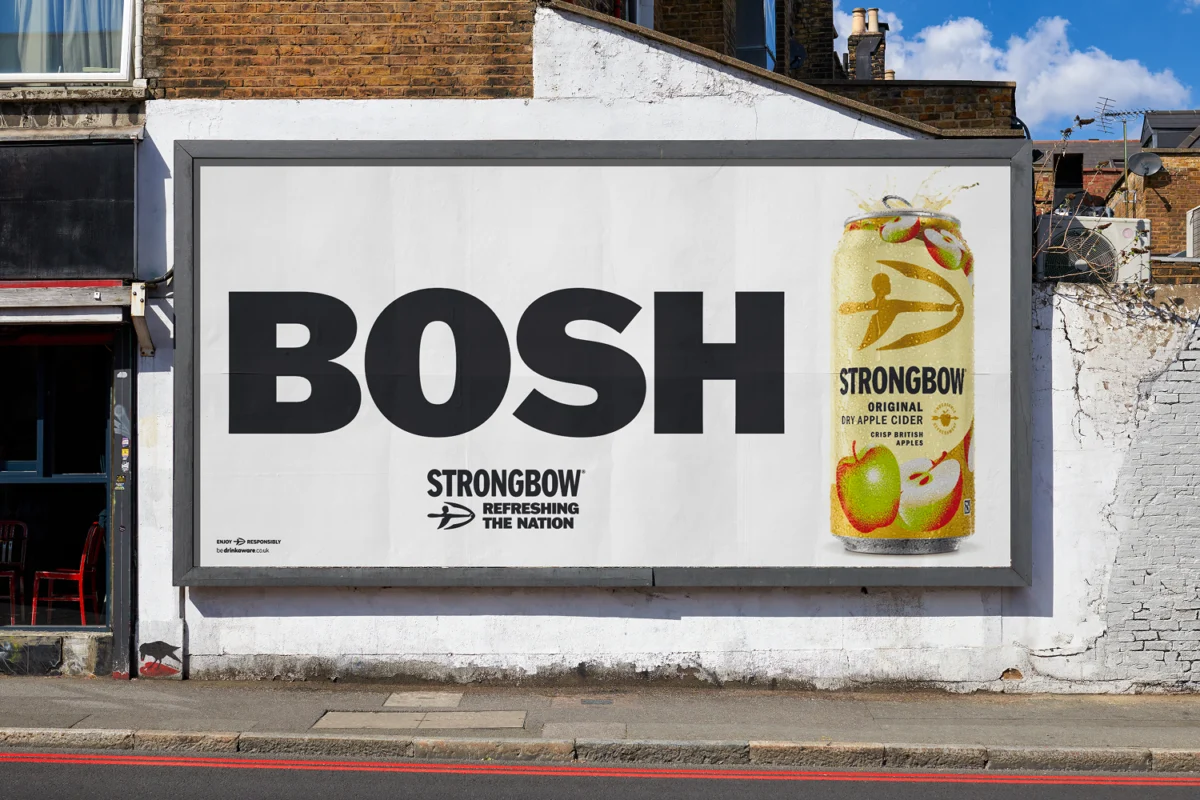
In an era defined by shifting social paradigms and a fragmented sense of national belonging, legacy brands are increasingly finding themselves at a crossroads. Strongbow, a titan of the British cider industry, has stepped into this breach with its latest ambitious campaign, "Refreshing the Nation." Developed by the London-based creative agency Otherway and helmed by acclaimed director Glenn Kitson, the campaign represents a significant strategic pivot. By eschewing the polished, often sterile tropes of modern beverage advertising in favor of a gritty, witty, and hyper-local celebration of British life, Strongbow is attempting to re-establish itself as the definitive "drink of the many."
Main Facts: A Bold Pivot to Hyper-Localism
The "Refreshing the Nation" campaign is a multi-channel initiative that spans film, digital media, and a massive Out-of-Home (OOH) presence. At its core, the campaign is a tribute to the linguistic diversity and cultural quirks that define the United Kingdom. It arrives at a moment when "Britishness" is a subject of intense debate, often caught between the pressures of globalization and the tensions of regional devolution.
The campaign’s primary film, directed by Glenn Kitson, serves as a visual manifesto. Rather than focusing on idyllic orchards or slow-motion liquid pours, the film leans into the "everyday" of British life: the unpredictable weather, the ubiquitous presence of seagulls at the seaside, and the communal sanctuary of the local pub. This visual narrative is underscored by the high-energy, nostalgic pulse of "Fit But You Know It" by The Streets—a track that perfectly encapsulates the "working-class chic" and self-deprecating humor the brand aims to evoke.
Simultaneously, the OOH component of the campaign is one of the most geographically tailored in recent history. Otherway has produced over 50 distinct poster executions, each specifically designed for a particular region of the UK. These posters discard generic taglines in favor of local slang and dialects—words like "Belter," "By-eck," and "Lush"—effectively turning a national brand into a local neighbor in every city it inhabits.
Chronology: From Legacy Brand to Cultural Mirror
To understand the significance of "Refreshing the Nation," one must look at the trajectory of Strongbow’s brand identity. For decades, Strongbow—owned by Heineken—was defined by its iconic archer logo and a marketing strategy that focused on the "masculine" refreshment of the "pint." While successful, this approach began to feel increasingly disconnected from a modern, diverse Britain.
The genesis of the new campaign began with a brief to Otherway that sought to address a perceived "identity crisis" within the UK. The agency was tasked with making Strongbow feel relevant again without losing its heritage. The timeline of the project reflects a deep-dive into British sociolinguistics.
- The Research Phase: Otherway and Kitson spent months researching regional dialects, ensuring that the slang used was not only accurate but also carried the right emotional weight for each specific area.
- The Production Phase: Filming took place across various UK locations to capture "genuine" people with authentic accents. This was a deliberate move away from the "London-centric" casting that often plagues national campaigns.
- The Launch: The campaign rolled out in mid-2024, strategically timed to coincide with the summer months—the peak season for cider consumption—and a period of heightened national discourse surrounding British identity.
Supporting Data: The Power of Language and Regionality
The decision to focus on language is backed by significant marketing psychology. According to various consumer behavior studies, "hyper-localization" in advertising can increase brand favorability by up to 30% among regional audiences who often feel overlooked by national media.

By utilizing 50 different executions for its OOH campaign, Strongbow is engaging in a "mass-personalization" strategy. Data suggests that consumers are more likely to remember and engage with an advertisement that uses "their" language. For instance, a poster in Newcastle using Geordie slang creates an immediate "in-group" connection that a generic slogan cannot achieve.
Furthermore, the choice of music—The Streets—is a data-driven nod to millennial and Gen X nostalgia. Mike Skinner’s lyrics are famous for their observational honesty about British life, making the track a perfect sonic match for a brand trying to shed its "corporate" image in favor of "authenticity."
Official Responses: Voices Behind the Creative Vision
The creative leads behind the campaign have been vocal about the intentions and philosophies that shaped "Refreshing the Nation."
Glenn Kitson, Director:
Kitson, known for his ability to capture the raw essence of British subcultures, expressed a personal connection to the brief. "It’s exactly the kind of work I want to make—UK focused, cultural and witty," Kitson told Creative Review. He emphasized that the goal was to avoid clichés. "I’ve always been fascinated by local dialect so being given the chance to celebrate the full range properly is something you don’t get to do that often. The delivery of the words had to do them proud and feel genuine."
Kitson also noted the "abstract" nature of the longer versions of the film, suggesting that the brand was willing to take creative risks to stand out in a crowded marketplace. "Strongbow is a brand we’ve all grown up with… it deserved a film that showcased its true self."
Jono Holt, Founder and CEO of Otherway:
Holt framed the campaign as a democratic movement for the brand. "Strongbow is the drink of the many, not the few," he stated. This "for the many" philosophy is a direct challenge to the "craft" cider movement, which often markets itself as an artisanal, exclusive product. Holt’s objective was clear: "We wanted to place it back at the heart of UK culture and make people feel pride again."
Implications: A New Blueprint for National Branding?
The "Refreshing the Nation" campaign carries several significant implications for the future of British advertising and the cider market specifically.

1. The End of the "One Size Fits All" National Ad
Strongbow’s success with this campaign could signal the end of the traditional "national" advertisement. In a country as regionally diverse as the UK, a single message rarely resonates from Cornwall to Caithness. Other brands may look to Strongbow’s 50-poster model as a blueprint for how to handle regional sensitivities and pride.
2. Reclaiming the "Authenticity" Narrative
For years, "authenticity" in the beverage industry was synonymous with "small-batch" and "artisan." Strongbow is attempting to redefine authenticity as "commonality." By celebrating the pub, the rain, and the local slang, they are arguing that there is something more authentic about a brand that is shared by millions than a brand that is shared by a select few.
3. Navigating the Identity Crisis
The campaign arrives at a time when the UK is grappling with its post-Brexit identity, regional independence movements, and social divisions. By focusing on language—something that both differentiates and unites us—Strongbow is positioning itself as a "unifier." It suggests that while we may say "Belter" in one city and "Lush" in another, we are all part of the same cultural fabric, and we all enjoy the same cider.
4. The "Cider Wars" and Market Positioning
The cider market has become increasingly saturated with fruit-flavored variants and premium "heritage" brands. Strongbow’s pivot back to its "core" identity—as a refreshing, reliable, and quintessentially British staple—is a defensive move to protect its market share from both the high-end craft sector and the lower-end budget competitors.
Conclusion
Strongbow’s "Refreshing the Nation" is more than just a marketing push for a summer beverage; it is a sophisticated cultural intervention. Through the lens of Glenn Kitson’s direction and Otherway’s regional strategy, the brand has successfully navigated the treacherous waters of national identity. By celebrating the quirks of the British tongue and the grit of the British landscape, Strongbow has not only refreshed its image but has also provided a mirror in which a fragmented nation might just see something they recognize—and like—about themselves. As the posters go up and the film airs, the message is clear: Strongbow is back, and it speaks your language.


Leave a Comment