
The Enduring Quest for Growth: Navigating the Dual Currents of Aging and Maturation
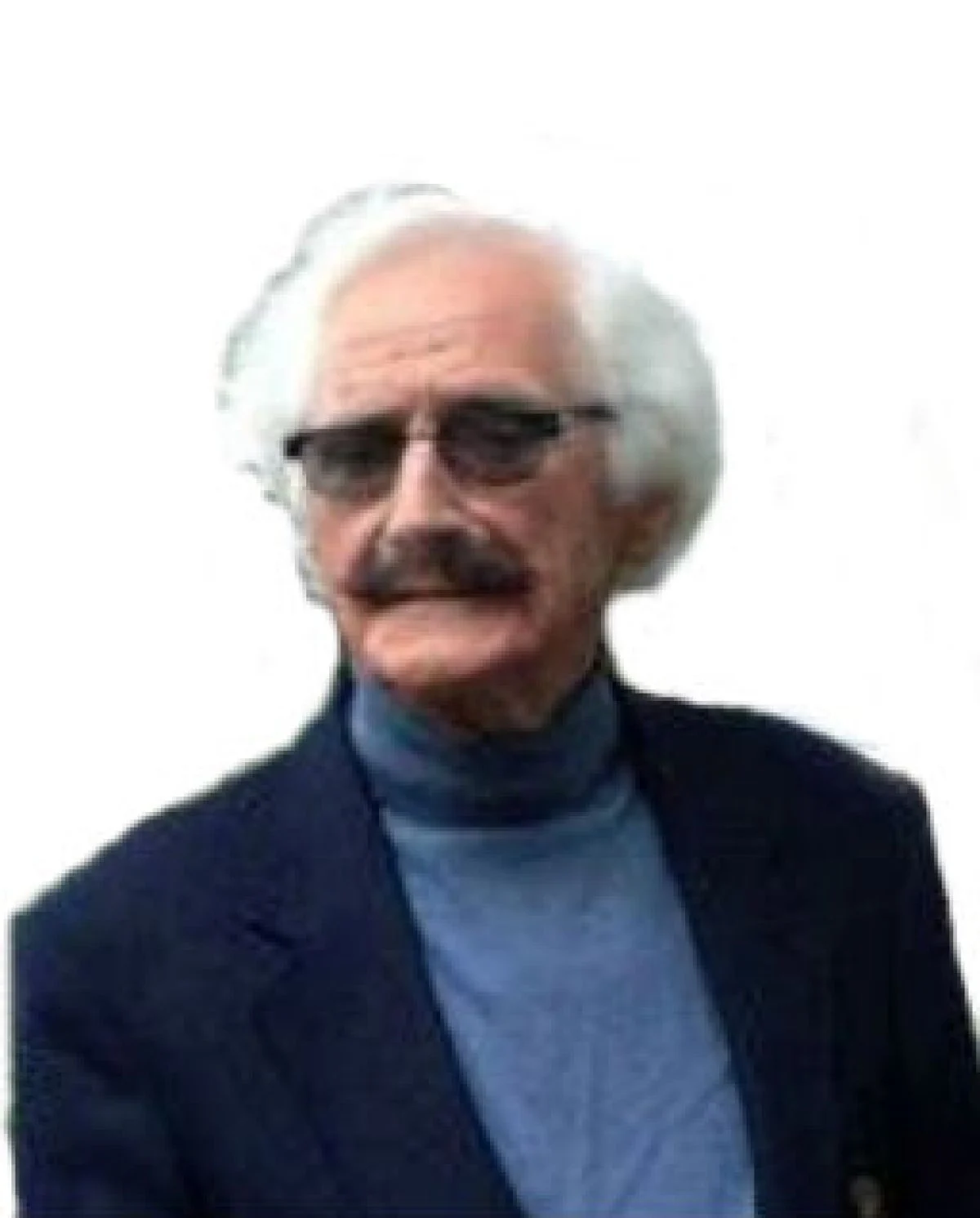
The human journey is marked by two profound, intertwined experiences: the process of growing up and the inevitability of growing old. While often viewed as opposing forces, these phases represent the dynamic unfolding of consciousness, a continuous evolution that becomes more nuanced and, at times, challenging as the years accumulate. This article delves into the intricate interplay between physical aging and the enduring capacity for psychological growth, exploring how individuals navigate this complex terrain and the profound implications for a life well-lived.
The Dual Pillars of Human Experience: Perception and Subjectivity
At the core of our existence lie two fundamental abilities that define our engagement with the world: objective perception and subjective experience. As we navigate our daily lives, our five senses provide us with a constant stream of information about our surroundings, allowing us to objectively perceive the physical realities of our environment. This sensory input forms the bedrock of our understanding of the world, a shared reality that anchors us.
Complementing this outward-facing perception is our inner world, a realm shaped by the intricate workings of the mind and brain. Here, subjective experience takes center stage. We interpret, evaluate, and feel the full spectrum of emotions in response to the events we perceive. This psychological landscape, rich with thought, feeling, and personal meaning, imbues our existence with depth and significance. It is this subjective dimension that transforms mere occurrences into lived experiences, shaping our memories, our beliefs, and our very sense of self.
The Paradox of Aging: Preserving Senses, Withdrawing the Mind
As individuals progress through the aging process, a curious paradox often emerges. There is a discernible effort to maintain, and even sharpen, the acuity of our perceptual faculties. Many older adults actively seek to keep their senses alert, recognizing their importance in connecting with the external world. This might involve engaging in activities that stimulate sight, hearing, taste, touch, and smell, ensuring a continued engagement with the tangible realities of life.
However, this outward focus on sensory preservation can, in some instances, be accompanied by a psychological withdrawal from the dynamic flux of daily life. The ever-changing nature of societal values, technological advancements, and evolving cultural norms can present a daunting challenge. Instead of actively engaging with and adapting to these shifts, many aging individuals find solace and meaning in revisiting the familiar landscape of their past. The established mental frameworks, the deeply ingrained thought patterns, and the well-worn emotional responses of yesteryear can feel more comfortable and less demanding than confronting new and potentially unsettling perspectives.
This tendency to "live in the past" is not necessarily a conscious rejection of the present but rather a coping mechanism. Revisiting cherished memories, reminiscing about past triumphs, and re-engaging with familiar narratives can provide a sense of continuity and purpose. Yet, this retreat can also lead to a reluctance to modify or change the fixed structures of the mind. The prospect of re-thinking deeply held beliefs or re-feeling ingrained emotional responses to new situations can be met with resistance, even irritation. The mental effort required to adapt and integrate novel perspectives can be perceived as a disruption to a carefully constructed internal equilibrium.
The Unseen Cost of Psychological Retreat: Weakening the Will to Live
The consequences of this psychological retreat from the challenges of ongoing life are profound and often underestimated. By diminishing the expanding range of consciousness that naturally accompanies engagement with the present, individuals may unconsciously weaken their own will to live. Nature, in its cyclical wisdom, imbues the aging process with opportunities for continued growth and learning. When these opportunities are bypassed in favor of a static internal landscape, a vital spark can begin to dim.
This phenomenon is not about a lack of physical vitality but rather a decline in the psychological impetus to engage with life’s unfolding narrative. The inherent drive for exploration, discovery, and intellectual stimulation, which are crucial for a vibrant existence, can wane. This can manifest as a decreased interest in current events, a disengagement from social interactions that require adaptation, and a general sense of apathy towards the future. The rich tapestry of human experience, with its capacity for continuous learning and renewal, is gradually muted.
The Ancient Wisdom: Keeping the Body in Motion, the Mind in Action
The age-old adage, "Keep the Body in motion, and the Mind in action," encapsulates a fundamental truth about sustained vitality and growth throughout life. This simple yet powerful directive speaks to the interconnectedness of our physical and mental well-being. It suggests that the most effective way to truly continue "growing up" – to remain engaged, curious, and developing – rather than merely "growing old" in a passive sense, lies in this dual commitment.
Physical activity is not merely about maintaining bodily functions; it is a catalyst for cognitive engagement. Movement stimulates blood flow to the brain, enhances neuroplasticity, and can improve mood and cognitive function. Similarly, keeping the mind active – through learning, problem-solving, engaging in creative pursuits, and maintaining social connections – provides a vital counterpoint to the potential for stagnation. When both the body and the mind are actively engaged, the individual remains connected to the present and open to the possibilities of the future.
A Coffee House Encounter: The Resignation of a 75-Year-Old
This profound disconnect between the potential for continued growth and the tendency towards psychological withdrawal was brought into sharp focus during a recent conversation in a local coffee house. An elderly gentleman, aged 75, shared his perspective on his current stage of life. His words painted a poignant picture of resignation.
"I’ve stopped thinking about my daily existence," he stated matter-of-factly. "There’s no point in dwelling on the past anymore. I’m 75. I’m an old man." He admitted to having "few opinions about things anymore," describing his current state as simply "growing old, coasting to the end."
There are moments in such encounters when the futility of argument or even discussion becomes palpable. The individual’s mindset appears so firmly entrenched, so settled in its acceptance of decline, that presenting an alternative perspective feels like attempting to shift a mountain. His words conveyed a sense of acceptance of a predetermined trajectory, a relinquishing of agency in the face of what he perceived as the inevitable endpoint of aging.
The Unseen Spark: The Mind’s Enduring Quest
In contrast to this passive acceptance, the author’s own experience offers a compelling counter-narrative. Despite having recently celebrated his 94th birthday and actively avoiding the sedentary comfort of an armchair, his consciousness continues to pose the fundamental questions that drive intellectual and existential exploration: "Why and wherefore, to what end?" This persistent inquiry, this unyielding curiosity, is a testament to the enduring power of the human mind to seek meaning and understanding, regardless of age.
The author’s active lifestyle, his continued engagement with the world, and his commitment to intellectual pursuits have, he posits, intensified his mind’s quest. This internal drive, coupled with the physical impetus to remain active, creates a virtuous cycle. The body, pushed to remain engaged, facilitates the mind’s continued exploration, and the mind’s persistent questions encourage the body to remain active.
The Result: Psychological Growth Beyond the Calendar
The outcome of this sustained engagement, as experienced by the author, is a continuous process of "psychologically growing up." This is not about reverting to youthful impulsivity but about an ongoing evolution of understanding, perspective, and self-awareness. The mental overview of life, even in advanced age, continues to expand and deepen.
Reflecting on his own journey, the author notes that the questions posed by his consciousness were "much less frequent and less intense when I was 75." This observation highlights a crucial point: the intensity and frequency of our existential inquiries can indeed shift with age, but they do not necessarily have to diminish. The choice to remain intellectually and psychologically engaged can foster a more vibrant and questioning inner life, even as the physical body ages.
Echoes Through Time: Philosophical Perspectives on Aging
The enduring human fascination with the nature of aging and its relationship to growth is reflected in philosophical thought across millennia. Two poignant quotations, separated by approximately 2,500 years, offer contrasting yet insightful perspectives.
Plato, the ancient Greek philosopher, viewed old age not as an end but as a period of profound liberation. He stated, "Old age has a great sense of calm and freedom. When the passions have relaxed their hold, you have escaped not from one master, but from many." This perspective emphasizes the potential for old age to be a time of shedding the burdens of youthful desires and societal pressures, leading to a state of inner peace and wisdom. It suggests a detachment from the incessant demands of the ego, allowing for a clearer perception of life’s fundamental truths.
In stark contrast, the celebrated Irish playwright and wit, Oscar Wilde, offered a more melancholic and paradoxical observation: "The tragedy of old age is not that one is old, but that one is young." Wilde’s statement speaks to the potential for a disconnect between the physical reality of aging and the persistent, perhaps unfulfilled, desires and aspirations of the inner self. It suggests that the tragedy lies not in the physical limitations of age, but in the realization that the youthful spirit, with its inherent longing for experience and fulfillment, remains vibrant while the opportunities to act upon it may have diminished. This can lead to a sense of regret, of unmet potential, and a yearning for a past that can no longer be recaptured.
Conclusion: The Cultivation of a Lifelong Learner
The journey through aging is not a monolithic experience. While the physical body inevitably changes, the capacity for psychological growth and continued maturation remains remarkably resilient. The choice to remain engaged with the world, to embrace new challenges, and to nurture an active and curious mind is paramount.
The conversation with the 75-year-old man serves as a stark reminder of the potential for resignation, a relinquishing of the very essence of human dynamism. Conversely, the author’s own lived experience, marked by a continued quest for understanding and an active engagement with life well into his 90s, offers a powerful testament to the transformative potential of sustained curiosity and mental vitality.
Ultimately, the most profound achievement of human consciousness is not merely to grow up or to grow old, but to continually evolve, to remain open to the unfolding present, and to never cease the lifelong pursuit of learning and understanding. By keeping the body in motion and the mind in action, individuals can navigate the currents of aging not as a passive decline, but as an ongoing opportunity for deeper wisdom, richer experience, and a more profound sense of purpose. The tragedy, as Wilde might suggest, is not in the years accumulated, but in the potential for growth left unrealized.



Leave a Comment