
The Design Reckoning: How Packaging and Brand Communications are Navigating the Sustainability Mandate
In the contemporary landscape of global commerce, design has transcended its traditional role as a mere aesthetic veneer. Today, it is recognized as a potent instrument for behavioral change, cultural shifting, and harm reduction. However, this potential is only realized when the discipline takes full responsibility for its lifecycle and impact. Nowhere is this responsibility more acute than in the sectors of packaging and brand communications—industries where every material choice, visual cue, and strategic maneuver carries immediate, real-world consequences for the environment and society.
For decades, packaging was characterized by a "throwaway" culture, serving as a primary source of unnecessary waste. Simultaneously, brand communications often fueled the very consumer values that drove this cycle of hyper-consumption. While many forward-thinking designers have long championed better systems, the industry is currently facing a broader, more urgent reckoning. This shift is driven not only by regulatory pressure but by a fundamental change in consumer psychology, particularly among younger demographics.
Main Facts: A New Standard for Excellence
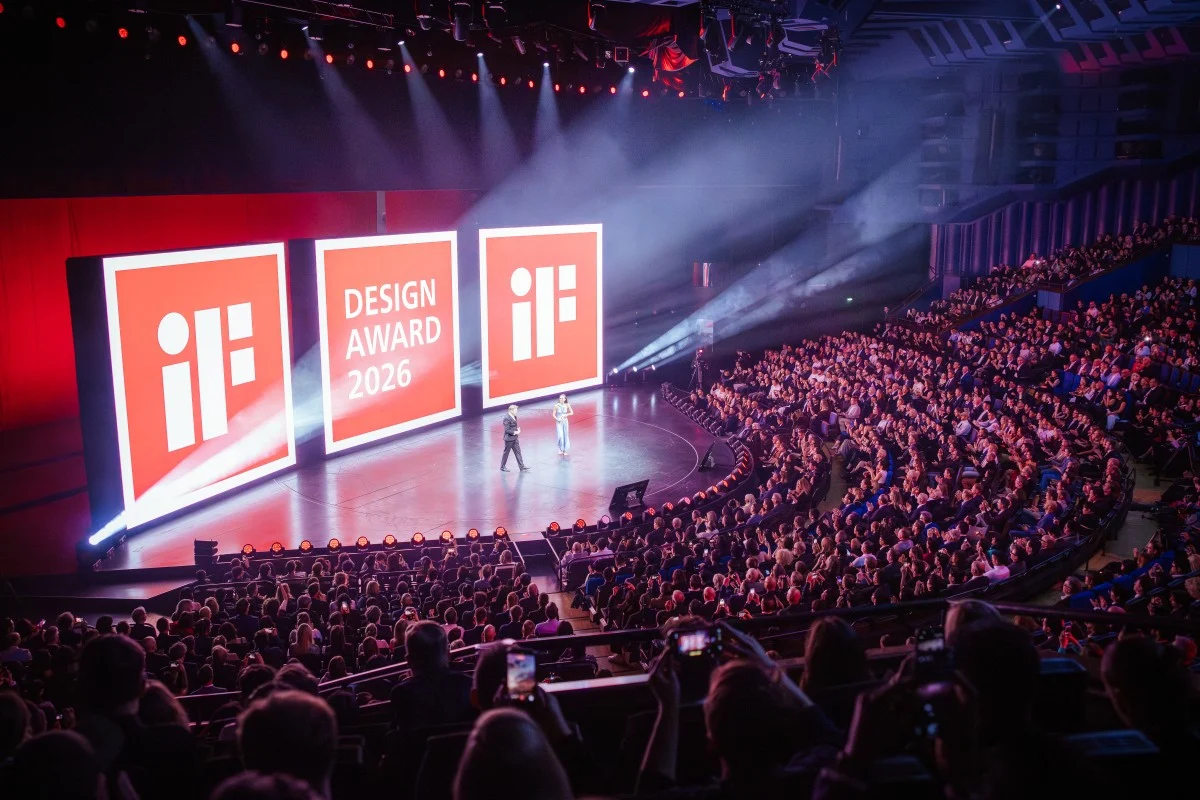
The iF Design Award, one of the world’s most prestigious and long-standing design competitions, has emerged as a central figure in this transition. Managed by the nonprofit iF Design Foundation, the award has evolved to reflect the changing priorities of the global design community. Unlike many accolades that prioritize form over function, the iF Design Award has fully integrated sustainability scoring across all 93 of its categories.
This integration means that submissions are evaluated through a multi-dimensional lens. A product or campaign is not judged solely on its "big idea" or its visual execution; it is rigorously assessed on its social and environmental impact. This year, the call for entries resonated globally, attracting more than 10,000 submissions from over 70 countries, signaling a universal movement toward responsible innovation.
A critical development in this year’s cycle is the strategic partnership between iF Design and The Dieline Awards. This collaboration—iF’s 12th global partnership and its second in the United States—is designed to provide packaging designers with a streamlined, direct route to international recognition. Under this agreement, winning projects from The Dieline Awards are invited to enter the iF Design Award, automatically advancing to the final jury round. This "fast-track" bypasses preliminary online judging and initial entry fees, significantly lowering the barrier for high-impact packaging work to achieve global visibility.
Chronology: From Industrial Origins to Ecological Responsibility
The journey of the iF Design Award mirrors the evolution of the design profession itself. Established in 1954 in Hannover, Germany, the award was initially conceived to highlight "Excellent Industrial Design" during the era of post-war reconstruction. For much of the 20th century, the focus remained on ergonomics, manufacturing efficiency, and the "Good Form" movement.
However, as the 21st century progressed, the limitations of this focus became apparent. The rise of the digital age and the subsequent climate crisis forced a re-evaluation of what constitutes "good" design.

- 1954–1990s: Focus on industrial utility and aesthetic purity.
- 2000s–2010s: The rise of digital categories and the beginning of "green" design as a niche specialty.
- 2020–Present: The complete overhaul of the judging criteria to include mandatory sustainability scoring.
- 2024–2025: The expansion of global partnerships, including the landmark collaboration with The Dieline, to institutionalize sustainable packaging standards.
- 2026-2027: The current and upcoming cycles focus on the "postability gap"—the tension between social media aesthetics and material reality.
This chronological shift highlights a move away from sustainability as an "optional extra" toward sustainability as a fundamental requirement for design excellence.
Supporting Data: The Rigor of the Judging Process
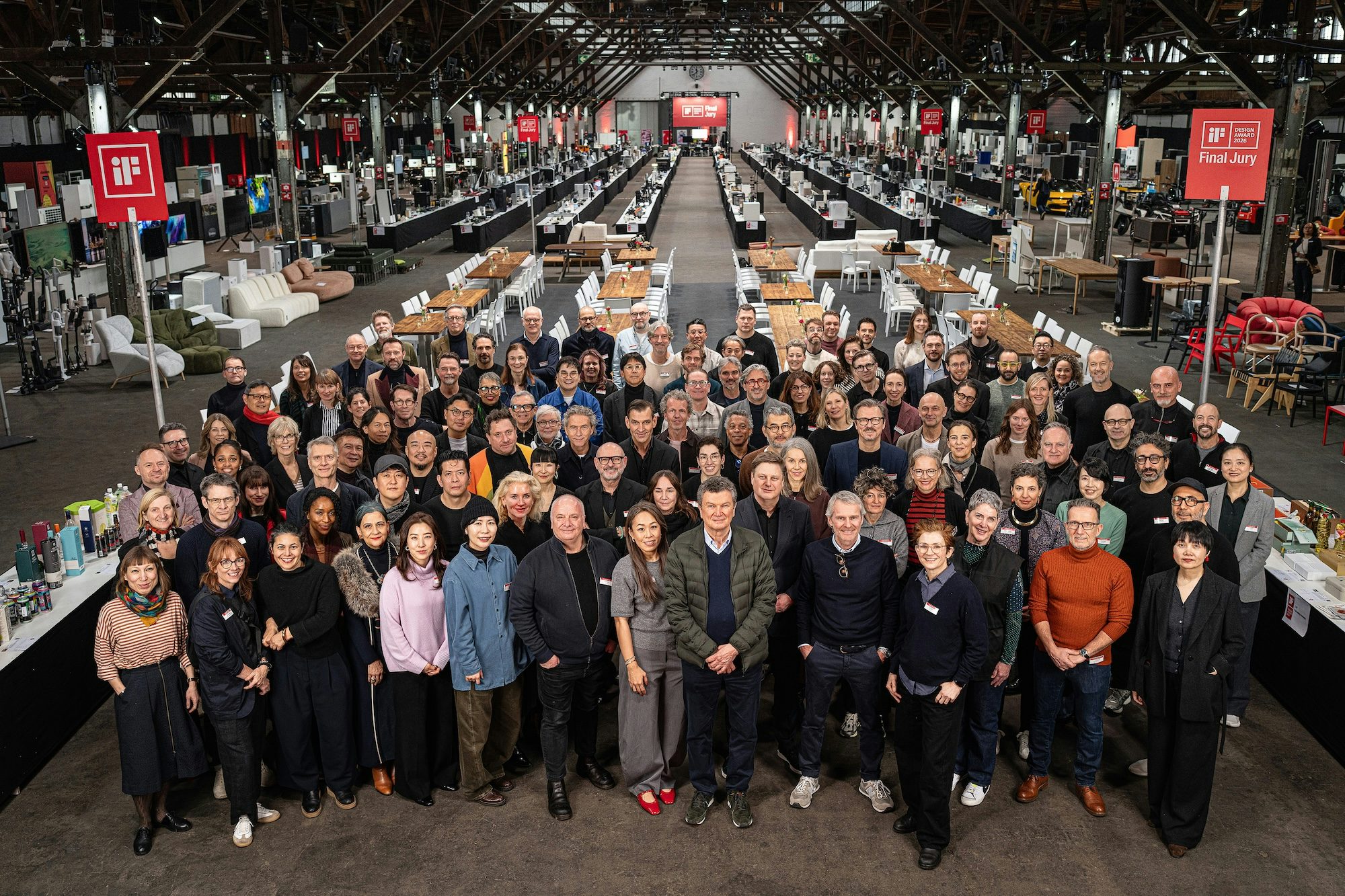
The iF Design Award’s reputation rests on its rigorous, independent judging process. To manage the 10,000+ entries, the organization employs a two-stage evaluation system. The first stage is a digital pre-selection, followed by a final jury session where physical samples are often inspected.
The jury itself is a "who’s who" of industry leadership, ensuring that the work is judged by those who understand the pressures of global markets. Notable jurors for the recent cycle included:
- Andy Payne, CEO of Interbrand, bringing a perspective on global brand equity.
- Chris Down, Chief Design Officer at Mattel, offering insights into high-volume consumer goods and toy safety/sustainability.
- Brian Leonard, Head of Design at Lenovo, providing expertise on hardware and technological integration.
The scarcity of the "iF Gold Award" further underscores the rigor of the process. Fewer than 0.5% of all entries receive the Gold designation. This elite tier represents the absolute pinnacle of design, where intention, execution, and impact are perfectly aligned.
In the packaging discipline specifically, the data shows it is one of the fastest-growing categories. This growth is attributed to what Lisa Gralnek, iF Design’s Global Head of Sustainability and Impact, describes as the "outsized impact" of packaging. Unlike heavy infrastructure or complex electronics, packaging changes can be implemented with relatively low risk and cost, yet they have a massive cumulative effect on global waste streams.
Official Responses: Insights from Leadership
The leadership at iF Design emphasizes that their role is not just to hand out trophies, but to signal the future direction of the industry.
Lisa Gralnek emphasizes the strategic advantage of sustainable packaging: "Packaging is often where designers can create outsized impact with relatively low cost and risk—whether through materials, form, reuse, recycling, or broader systems thinking. It is at the core of the circular economy."
Gralnek also addresses the "postability" trend—the phenomenon where younger consumers choose products based on how they will look on an Instagram feed or a TikTok "unboxing" video. She argues that packaging and brand communications must work harder to "close the gap" between visual allure and ethical manufacturing. The goal is to ensure that the "postable" aesthetic does not come at the expense of the planet.
The iF Design Foundation, which owns the award, maintains that sustainability should not be viewed as a creative constraint. Instead, the foundation’s official stance is that environmental and social parameters are "drivers of better work." By forcing designers to think about the end-of-life of a product or the social implications of a supply chain, the award encourages a level of creative problem-solving that traditional design often overlooks.
Case Studies: Principles in Practice
To understand how these high standards manifest in the real world, one must look at the recent Gold Award winners. Two projects, in particular, exemplify the shift toward responsible, high-impact design.
1. Error, Offbeat Beer by Dsigntank
This project, a Gold winner in the Packaging category, serves as a masterclass in material transparency. The designers utilized 100% recycled glass, which often has slight imperfections. Rather than hiding these "errors," the branding embraced them. The typography is intentionally distorted, printed directly onto the glass in a way that allows the natural hue of the beer to interact with the design.
This approach achieves three things:
- Material Efficiency: It eliminates the need for plastic or paper labels.
- Visual Honesty: It turns the "flaws" of recycled material into a unique brand identity.
- Systemic Thinking: It aligns the brand’s "offbeat" personality with a sustainable production model.
2. Rainbow Wool by Schäferei Stücke
Recognized in the Branding and Communications discipline, this project demonstrates how design can address marginalized social issues. In the sheep farming industry, rams are often considered "waste" because they cannot breed, leading to their premature slaughter. Rainbow Wool transformed the low-value wool from these rescued animals into a premium fashion material.
The campaign marketed this as the "world’s first gay textile thread," with proceeds supporting queer rights and advocacy. Through a sophisticated mix of celebrity partnerships, social commerce, and strategic storytelling, the project moved beyond traditional charity branding. It created a self-sustaining model that combined animal welfare, fashion innovation, and social justice.

Implications: Where Design is Heading Next
The trends observed in the latest iF Design Award cycles point toward several major implications for the future of packaging and brand communications:
The Death of "Fixed" Identities
The strongest work is moving away from rigid brand guidelines toward "adaptive frameworks." As brands operate across more contexts—from physical shelves to augmented reality to social media—their visual systems must be flexible. However, this flexibility must be anchored by a consistent core of values, particularly regarding sustainability.
The Rise of "Aesthetic Sustainability"
The iF Design Award proves that sustainable design does not have to look "recycled" or "earnest" in a boring way. The winners show that high-end luxury, edgy streetwear aesthetics, and minimalist tech can all be achieved using circular principles. This removes the final excuse for brands to avoid sustainable transitions: the fear of losing visual appeal.
Design as Advocacy
As seen with Rainbow Wool, brand communications are increasingly being used as platforms for advocacy. In an era where consumers are skeptical of "greenwashing," authentic design that solves a specific social or environmental problem becomes a powerful tool for building brand trust and loyalty.
Global Standardization
Through partnerships like the one with The Dieline, we are seeing the emergence of a global standard for design excellence. This helps create a unified language for sustainability, making it easier for multinational corporations to implement responsible design practices across different markets.
Conclusion: Meeting the Moment
For professionals in packaging and brand communications, the message from the iF Design Award is clear: the era of design for design’s sake is over. The industry is entering a period where the most celebrated work will be that which successfully marries intention with execution.
As registration opens for the 2027 iF Design Award, the global design community is being called to a higher stage. It is a stage where the "postability" of a product is balanced by its provenance, and where the visual identity of a brand is inseparable from its social impact. For those ready to meet this challenge, design remains the most powerful tool available for shaping a better, more responsible culture.



Leave a Comment