From Flat-Pack to National Pride: IKEA Canada’s "Assemble the World" Campaign Redefines Creative Commerce
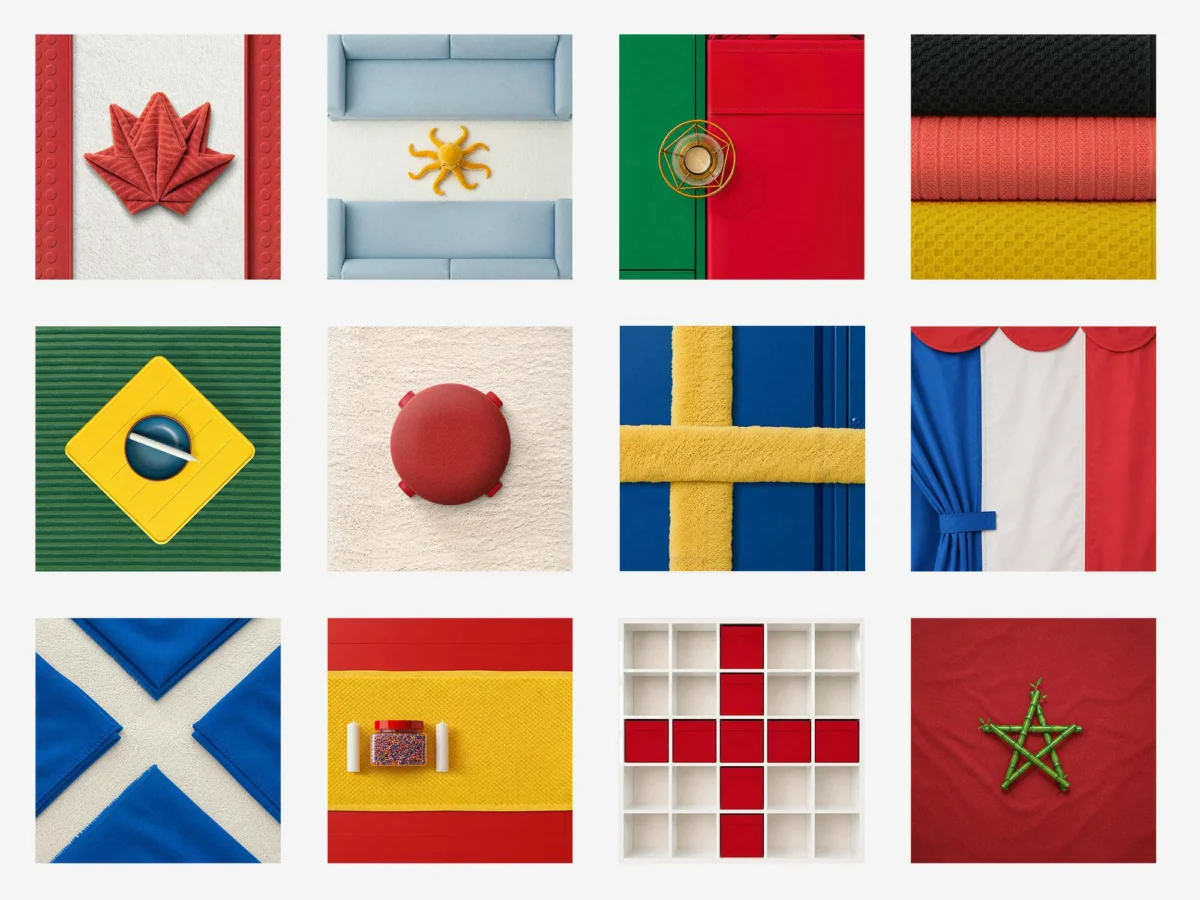
The intersection of global sports and retail marketing has long been a crowded arena, often dominated by high-budget cinematic commercials and official sponsorships. However, during the current World Cup cycle, IKEA Canada and Dentsu Canada have demonstrated that sometimes the most effective way to capture the global zeitgeist is through the very products that sit in our living rooms. Their latest campaign, "Assemble the World," reimagines 18 national flags using nothing but IKEA home furnishings, turning mundane household items into vibrant symbols of international fandom and multicultural identity.
This social-first, creative-commerce initiative does more than just celebrate a tournament; it leverages the "IKEA effect"—the psychological bond consumers have with the brand’s utility—to create a playful, shoppable, and deeply resonant tribute to Canada’s diverse population.
Main Facts: The Art of the Household Flag
At its core, "Assemble the World" is a masterclass in minimalist design and brand consistency. Created by Dentsu Canada for IKEA, the campaign consists of 18 meticulously arranged "flags." Instead of fabric and dye, these flags are constructed from the IKEA catalog: blue cabinets, yellow candles, red oven dishes, white outdoor tables, and green textiles.
The campaign’s tagline, "Click, Buy, Wave," serves as a cheeky nod to IKEA’s assembly-required heritage while bridging the gap between digital engagement and physical retail. The project is being rolled out across a multi-channel ecosystem, including social media platforms, IKEA’s owned digital properties, and strategically placed Out-of-Home (OOH) advertisements near IKEA locations across Canada.
The selection of the 18 teams represented in the campaign was not arbitrary. It reflects both the top contenders in the World Cup and, more importantly, the specific demographic makeup of Canada. By focusing on nations that resonate with Canada’s immigrant communities, IKEA has transformed a global sporting event into a localized celebration of "home" in all its forms.
Chronology: From Kick-off to the Living Room
The development and rollout of "Assemble the World" followed a strategic timeline designed to capitalize on the building momentum of the World Cup.
Phase 1: The Creative Spark
The campaign originated from a brief to Dentsu Canada to find a way for IKEA to participate in the World Cup conversation without the traditional (and expensive) official sponsorship status. The creative team looked to the brand’s core DNA: modularity. The idea emerged to treat the components of a national flag as "parts" that could be "assembled," mirroring the assembly of a Billy bookcase or a Kallax shelf.
Phase 2: Design and Production
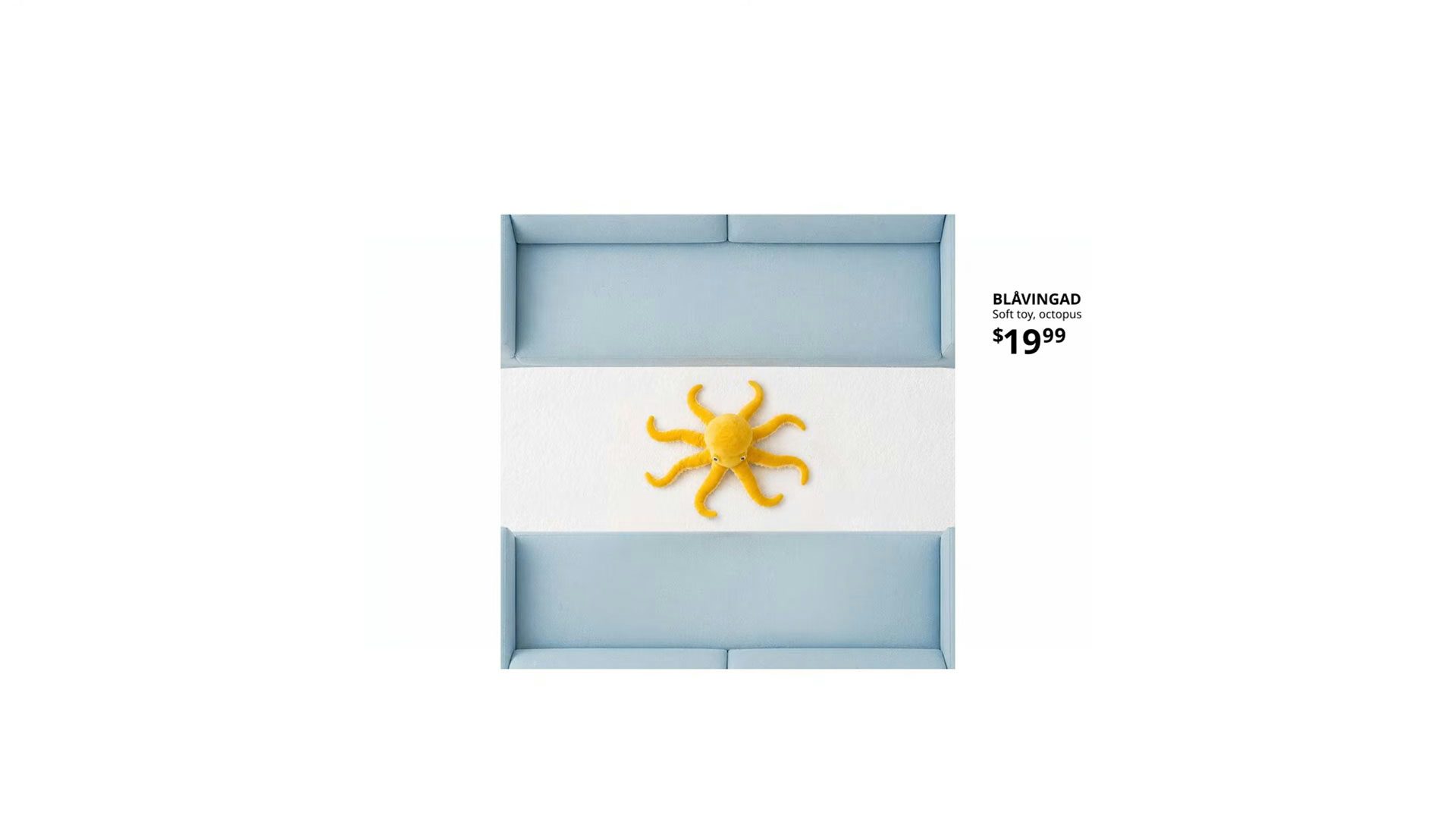
The production phase involved a rigorous curation of IKEA’s vast inventory. Designers had to match the specific Pantone colors of national flags with existing product lines. This required an intimate knowledge of the IKEA catalog—finding the exact shade of "Sverige" yellow or "Canadien" red. The resulting images were not CGI; they were physical arrangements of products, maintaining the tactile, "real-home" feel that IKEA customers recognize.
Phase 3: The Summer Rollout
The campaign officially launched as the tournament entered its most fevered stages. By timing the OOH placements and social media pushes to coincide with key matches, IKEA ensured that when fans were looking for ways to express their fandom, the "Assemble the World" visuals were front and center. The campaign is slated to run throughout the summer, maintaining relevance as the tournament progresses toward its finale.
Supporting Data: The Power of Creative Commerce
To understand why "Assemble the World" is more than just a clever set of images, one must look at the shifting landscape of "Creative Commerce." According to recent industry reports, consumers—particularly Gen Z and Millennials—are increasingly likely to engage with brands that integrate shopping directly into social content.
- The Multicultural Context: Canada is one of the most diverse nations in the world. According to Statistics Canada, over 23% of the population are landed immigrants or permanent residents. For many Canadians, the World Cup is a time of "dual loyalty," where they cheer for both Canada and their country of origin. By representing 18 different flags, IKEA taps into a massive, emotionally charged market.
- Engagement Metrics: Early data from social-first campaigns suggests that "visual puzzles"—content that requires a second look to decipher—receive significantly higher "save" and "share" rates on platforms like Instagram and Pinterest. "Assemble the World" functions as a visual puzzle, inviting users to identify the products used to make the flags.
- The "IKEA Effect" in Marketing: Academic research into the "IKEA effect" suggests that consumers value products more when they have a hand in their creation. While customers aren’t physically building these flags, the campaign invites them to "assemble" their fandom using items they already own or can easily acquire, fostering a sense of co-creation.
Official Responses: Strategy and Vision
The leadership at Dentsu and IKEA have been vocal about the campaign’s intent to bridge the gap between national rivalry and inclusive community building.
Scott Tavener, Executive Creative Director at Dentsu Creative, emphasized the versatility of the concept. "Assemble the World transforms household products into celebratory symbols of Canadians’ diverse backgrounds at a time when playful national rivalries are reaching a fever pitch," Tavener stated. He highlighted the utilitarian nature of the creative, noting, "You can shop it, share it, sit in it, or just print it and tape it to your car window."
This sentiment reflects a broader shift in IKEA Canada’s marketing strategy. The brand has moved away from purely functional advertising toward "lifestyle storytelling." By positioning their products as the building blocks of national identity, IKEA is reinforcing its long-running "bring home to life" tagline in a literal and highly visual way.
Industry critics have praised the campaign for its "bravery in simplicity." While other brands have spent millions on celebrity endorsements, IKEA’s decision to make their products the stars of the show is a testament to the strength of their industrial design.

Implications: The Future of Brand Fandom
The success of "Assemble the World" carries several significant implications for the future of retail marketing and brand participation in global events.
1. The Rise of "Ambush-Lite" Marketing
IKEA is not an official FIFA sponsor, yet "Assemble the World" has allowed them to dominate the cultural conversation surrounding the World Cup. This "ambush-lite" approach—where a brand aligns with the spirit of an event without infringing on trademarks—is becoming a blueprint for non-sponsoring brands to gain visibility during high-cost sporting windows.
2. Shoppable Content as Entertainment
The "Click, Buy, Wave" call to action represents the final frontier of social media marketing. When an advertisement is so visually arresting that it serves as art, the transition to commerce feels less intrusive. This campaign suggests that the future of the IKEA catalog may not be a book, but a series of culturally relevant "assemblies" that fans can purchase in bulk.
3. Localization of Global Events
By focusing on the specific multicultural makeup of Canada, IKEA has localized a global event. This suggests that "Global" brands must act "Local" to truly resonate. A similar campaign in the UK might feature a different set of 18 flags, tailored to that specific demographic. This modularity of the creative concept allows for infinite scalability.
4. Sustainability of Design
Finally, there is an underlying message about the longevity of IKEA products. By showing that a cabinet or a dish can be part of a "flag" today and a functional part of a kitchen tomorrow, the campaign subtly reinforces the idea of furniture as a versatile, long-term investment rather than a disposable commodity.
Conclusion
IKEA Canada and Dentsu Canada’s "Assemble the World" is a rare example of a campaign that is both commercially driven and culturally sensitive. It strips away the pomp of traditional sports advertising to focus on the basics: color, form, and the feeling of home. As the World Cup continues to captivate billions, IKEA has successfully carved out a space in the fans’ hearts and homes, proving that with enough imagination, even a stack of plates can represent the pride of a nation. Whether or not "Click, Buy, Wave" becomes a permanent fixture in the marketing lexicon, the campaign has already succeeded in its primary goal: making the world feel a little bit more like home, one assembly at a time.