
The Visual Architects: Concept Art World and the Fight for Artistic Integrity in the Digital Age
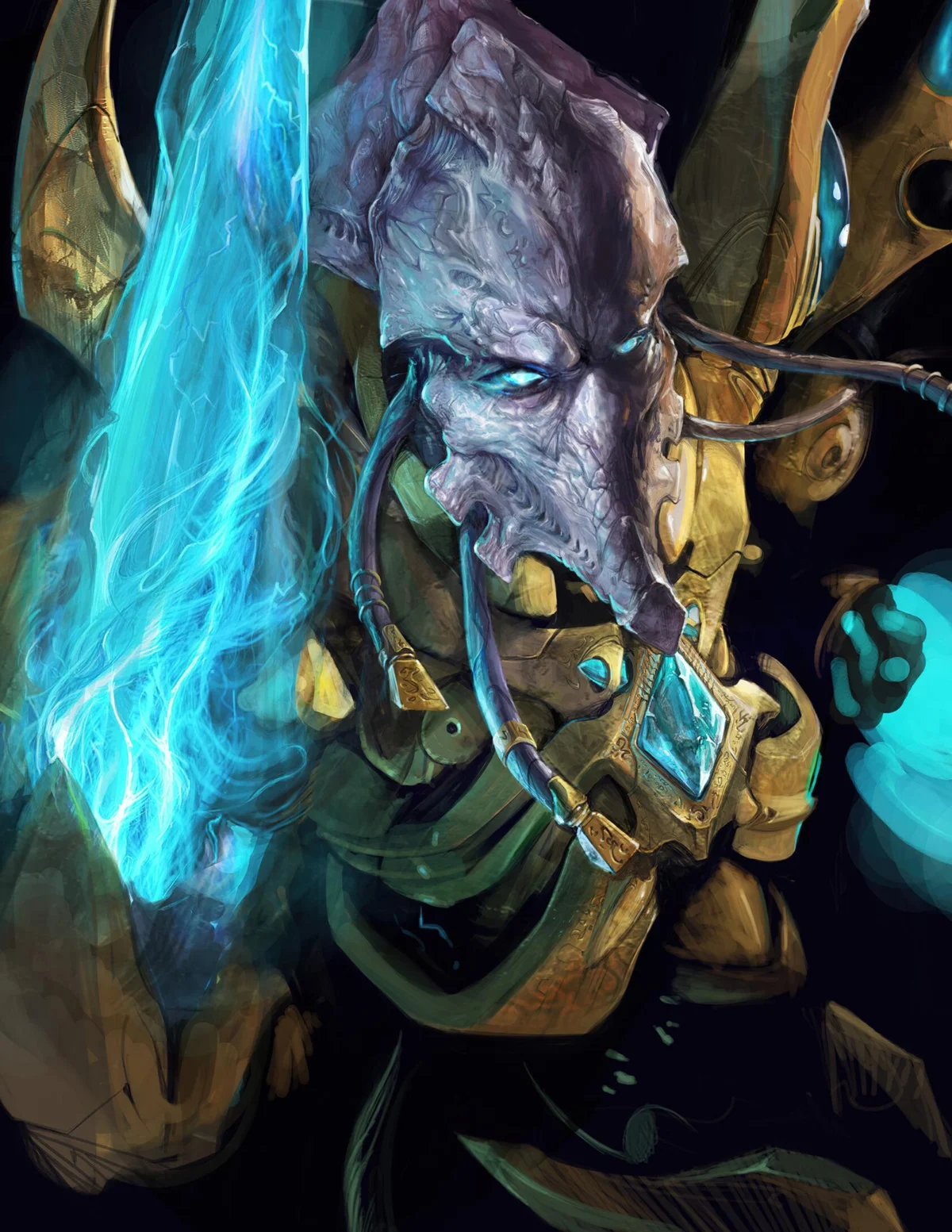
In an era where the boundary between human creativity and machine-generated content is increasingly blurred, the preservation of original visual development has become a cornerstone of the entertainment industry. Concept Art World (CAW), a leading online resource for the film, gaming, and animation sectors, has recently spotlighted a series of high-profile portfolios that underscore the indispensable role of the human artist. From the haunting creature designs of Prometheus to the stylized heroism of Injustice: Gods Among Us, the featured works serve as a testament to the meticulous craft required to build modern mythologies.
Beyond the celebration of aesthetic excellence, CAW has taken a definitive stance on the most pressing technological conflict of the decade: the unauthorized use of creative works for artificial intelligence training. With a revised mission statement and a strict "No AI Training" policy, the platform is positioning itself not just as a gallery, but as a digital fortress for intellectual property.
Main Facts: The Intersection of Industry Giants and Emerging Talent
The recent updates to the Concept Art World platform highlight the diverse spectrum of visual development. Four primary artists and their respective projects have been thrust back into the spotlight, illustrating different facets of the industry:
- Ivan Manzella (Prometheus): Known for his mastery of the grotesque and the sublime, Manzella’s creature concept art for Ridley Scott’s Prometheus remains a gold standard in sci-fi horror. His work bridges the gap between the biomechanical legacy of H.R. Giger and modern digital rendering.
- Justin Murray (Injustice: Gods Among Us): As a veteran at NetherRealm Studios, Murray’s work on the Injustice series redefined the visual language of the DC Universe, blending classic comic book aesthetics with a "gritty-realism" suitable for high-stakes fighting games.
- Devon Cady-Lee (Gigantic): Representing the stylized, vibrant end of the spectrum, Cady-Lee’s work on the MOBA title Gigantic showcases how character-driven design and bold color palettes can create a unique intellectual property (IP) in a crowded market.
- Hervé Groussin: A veteran art director and concept artist whose career spans major titles at Ubisoft and beyond, Groussin represents the "visual development" side of the industry—designing not just characters, but the very atmosphere and architectural logic of game worlds.
In tandem with these showcases, Concept Art World has reinforced its copyright protections. The platform’s updated footer and "About Us" section now explicitly state: "Any training of AI systems using this content is strictly prohibited." This move reflects a broader industry-wide movement to protect the livelihoods of creative professionals against generative AI models that scrape data without consent or compensation.
Chronology: From Practical Effects to the AI Frontier
The evolution of concept art as a formal discipline has moved in lockstep with the technology of cinema and gaming. To understand the significance of the artists currently featured on CAW, one must look at the timeline of the industry’s development.
The Era of Practical Design (1970s–1990s)
In the early days of Star Wars and Alien, concept art was primarily a tool for practical effects teams. Artists like Ralph McQuarrie and H.R. Giger created paintings that were translated into physical sets and costumes. This era established the "visual architect" as a key collaborator for directors.
The Digital Revolution (2000s–2010s)
The transition to digital painting tools like Adobe Photoshop and Corel Painter, combined with the rise of Wacom tablets, revolutionized the speed and flexibility of pre-production. This was the era where Justin Murray and Ivan Manzella began making their mark. The work for Prometheus (2012) represented a peak in this timeline—using digital tools to create designs that felt both otherworldly and physically tangible.
The Stylized Expansion (2015–2020)
As the gaming industry grew to rival Hollywood, the demand for unique visual identities spiked. Games like Gigantic (released in 2017) utilized concept art to create "brand-distinct" visuals that moved away from hyper-realism toward expressive, painterly styles. Devon Cady-Lee became a prominent voice in this movement, proving that concept art was about more than just "blueprints"—it was about personality.
The AI Inflection Point (2022–Present)
The emergence of Stable Diffusion, Midjourney, and DALL-E changed the landscape overnight. For the first time, the very archives used to inspire the next generation of artists (like Concept Art World) were being used to train algorithms that could mimic their styles. This led to the current period of legal and ethical fortification, where platforms are now forced to implement "No AI" clauses to protect their contributors.
Supporting Data: The Economic Value of Pre-Production Art
The importance of the work featured on Concept Art World is not merely aesthetic; it is a vital economic driver. In the AAA gaming and blockbuster film industries, pre-production art is the foundation upon which multi-billion dollar franchises are built.
- Market Scale: The global gaming market was valued at approximately $281 billion in 2023. A significant portion of the budget for "Triple-A" titles is allocated to visual development and pre-visualization, as these designs dictate the work of thousands of 3D modelers, animators, and environment artists.
- Production Efficiency: According to industry surveys, high-quality concept art can reduce actual production time by up to 30%. By resolving design problems (such as how a creature’s joints move or how light hits a specific material) in the 2D phase, studios avoid costly mistakes during the expensive 3D rendering and filming phases.
- Intellectual Property Protection: The "No AI" stance taken by CAW is supported by a growing body of artists. A 2023 survey of professional illustrators found that over 80% were "highly concerned" about their work being used to train AI without their permission, citing potential loss of income and the devaluation of specialized skills.
Official Responses: Concept Art World’s Mission Statement
Concept Art World has issued a clear mission statement regarding its role in the industry. As a "leading online resource," the platform views its primary responsibility as a curator of human talent.
In an official statement within their "About Us" section, the organization notes:
"Concept Art World is a trusted resource for creative professionals and aspiring artists in film, gaming, animation, and beyond. We feature high-quality artwork, artist spotlights, tutorials, and industry news. CAW is dedicated to showcasing the best in concept art… All images are copyright by the artist(s) or their respective copyright holders."
The explicit prohibition of AI training is a direct response to the community’s outcry. By updating their legal terms, CAW joins the ranks of other major portfolio sites and professional guilds that are seeking to create "walled gardens" where human-made art can be shared safely. This move has been met with widespread approval from the artists featured, including those whose legacy works—like the Prometheus designs—are often the primary targets for AI "style-mimicry."
Implications: The Future of the "Human-Made" Brand
The actions taken by Concept Art World and the artists they feature suggest a looming schism in the creative industries. We are moving toward a future where "Human-Made" may become a premium brand or a necessary certification for high-end productions.
The Role of the Specialist
Artists like Ivan Manzella and Hervé Groussin demonstrate that high-level concept art is about "visual problem solving," not just image generation. An AI can generate a "scary monster," but it cannot necessarily design a creature that fits the specific biological and atmospheric requirements of a Ridley Scott script. The implication is that while low-tier "asset generation" may be automated, the role of the Art Director and Senior Concept Artist will become even more focused on high-level narrative and structural logic.
Legal and Copyright Precedents
The "No AI" clause on CAW’s footer is part of a larger legal battleground. As more platforms adopt these terms, it strengthens the case for "opt-in" rather than "opt-out" systems. If a platform like CAW can successfully protect its archive, it sets a precedent for how digital galleries must evolve to survive in the 21st century.
Educational Shifts
For aspiring artists who use Concept Art World as a learning tool, the site’s tutorials and spotlights emphasize the importance of fundamentals—anatomy, perspective, and lighting. The implication for the next generation is clear: to survive in an AI-augmented world, an artist must possess a level of craft and a unique "visual voice" that an algorithm cannot easily replicate.
In conclusion, the latest updates from Concept Art World are more than just a routine refresh of a digital gallery. They represent a line in the sand. By celebrating the storied careers of artists like Murray, Manzella, and Cady-Lee while simultaneously banning the algorithmic exploitation of their work, CAW is defending the very definition of creativity. As the industry moves forward, the "visual architects" of our favorite worlds will continue to be those who draw not just from data, but from a uniquely human well of imagination and experience.


Leave a Comment