Anchoring the Future in the Past: The Radical Rebranding of Bristol’s SS Great Britain
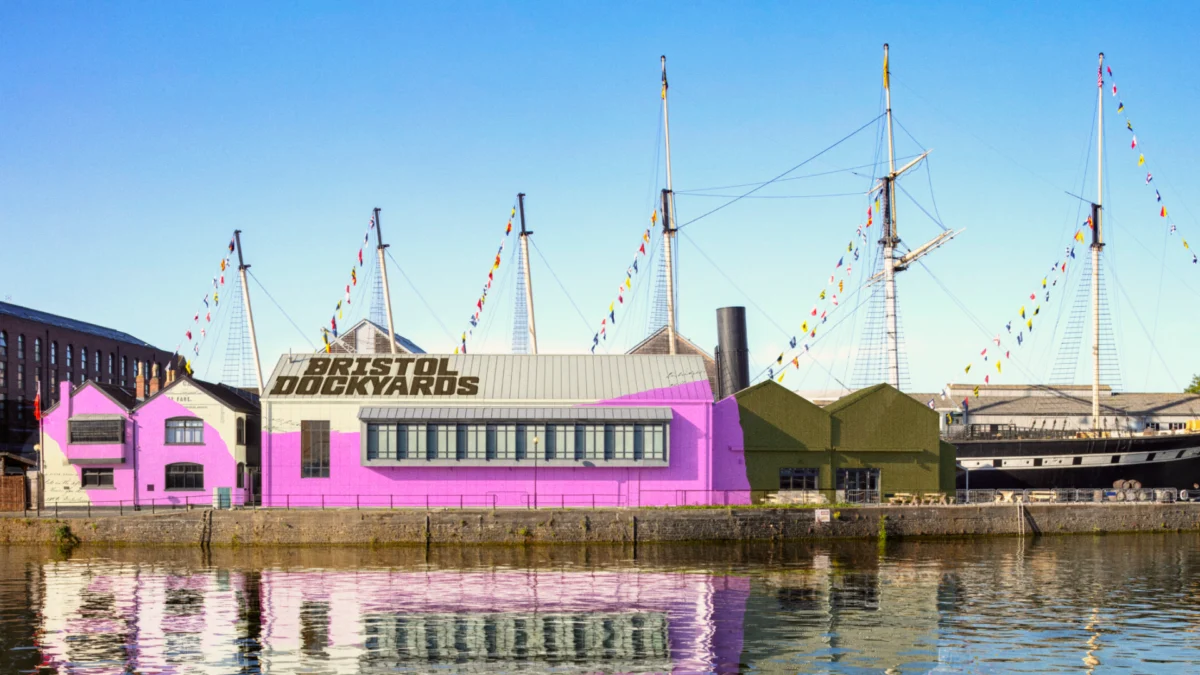
The city of Bristol, long defined by its maritime prowess and engineering heritage, is witnessing a transformative shift in one of its most iconic cultural landmarks. The museum housing Isambard Kingdom Brunel’s SS Great Britain—a vessel that once redefined global travel—has unveiled a comprehensive rebranding strategy. Spearheaded by the renowned design agency How&How, the institution has been renamed Bristol Dockyards. This move signals a departure from traditional museum tropes, aiming to recapture the spirit of a city known for its radicalism, creativity, and irreverence.
Main Facts: A Bold New Identity for a Maritime Icon
The rebranding of the SS Great Britain museum is more than a mere cosmetic update; it is a strategic pivot designed to address years of declining visitor numbers and a perceived disconnect between the museum experience and the contemporary identity of Bristol. By transitioning to the name "Bristol Dockyards," the institution seeks to position itself as a living, breathing cultural hub rather than a static repository of Victorian engineering.
At the core of this transformation is a visual and narrative overhaul that prioritizes human stories over industrial statistics. While the ship remains the centerpiece, the focus has expanded to include the diverse array of passengers, crew, and global cultures that the vessel encountered during its storied career. The new identity, crafted by How&How, utilizes a "central collage system" that blends historical textures, archival imagery, and modern typography to create a "visually arresting" experience across digital and physical platforms.

The project, set for a full public launch in July, introduces a vibrant color palette that eschews the traditional blues and blacks of nautical branding. Instead, it draws inspiration from Bristol’s own landscape—specifically the brightly colored terrace houses of Totterdown—and the city’s legendary rave culture. This aesthetic choice is a deliberate attempt to foster a more intimate connection with the local population while signaling an inclusive, forward-thinking approach to history.
Chronology: From Victorian Marvel to Modern Reimagining
To understand the weight of this rebrand, one must look at the timeline of the vessel and its home.
1843–1886: The Golden Age of Steam
When Isambard Kingdom Brunel launched the SS Great Britain in 1843, it was the largest vessel afloat and the first to combine an iron hull with a screw propeller. It was a marvel of the industrial revolution, designed to traverse the Atlantic. Over the following decades, its role evolved; it became a troopship during the Crimean War and a migrant ship carrying thousands to start new lives in Australia. It circumnavigated the globe 32 times, docking in ports from Mumbai to Melbourne.

1970–2020: Recovery and Preservation
After being abandoned in the Falkland Islands, the ship was miraculously salvaged and returned to the Bristol dry dock where it was originally built. For decades, the museum focused on the technical genius of Brunel and the ship’s restoration. While successful for a time, this narrative eventually began to feel "out of touch" with a modern audience that seeks more nuanced, diverse historical perspectives.
2023–2024: The How&How Intervention
Recognizing the need for change, the museum engaged How&How to facilitate a rebrand. The agency spent months researching Bristol’s unique cultural DNA, identifying a gap between the ship’s "engineering-first" presentation and the city’s "radical and irreverent" personality. This led to the development of the "Bristol Dockyards" concept, culminating in the 2024 unveiling of the new identity.
Supporting Data: The Mechanics of the Rebrand
The rebranding strategy is built upon three specific pillars: visual identity, narrative expansion, and tonal shift.

The Visual Language
How&How’s design team moved away from the "dusty archive" aesthetic. The new visual identity is anchored by a collage system described as a blend of "timelines, textures, typography, and Dockyard trinkets."
- Typography: The brand utilizes a sophisticated mix of classic serifs—nodding to the Victorian era—and semi-bold sans-serifs that provide a modern, accessible feel.
- Color Palette: The departure from nautical navy is the most striking change. The use of yellow, green, orange, and "Totterdown Pink" serves a dual purpose. It differentiates the museum from competitors like the Cutty Sark or the Mary Rose and aligns it with the vibrant street art and residential aesthetics of Bristol.
Broadening the Historical Lens
The museum has shifted its curatorial focus toward "nuanced studies of history." This is supported by archival research into the ship’s passengers. Instead of focusing solely on the wealthy elite of the upper decks, the new brand highlights figures such as:
- James W. Jones: A Barbadian musician and poet whose journey reflects the complexities of Caribbean identity in the 19th century.
- The 1857 Regiments: British soldiers bound for Mumbai during the Indian Rebellion, opening doors for discussions on colonialism and empire.
- Global Migrants: The thousands of anonymous individuals who traveled to Australia and Chile, framing the ship as a vessel of migration and personal transformation.
Official Responses: A "Deeper, Vaster, Braver" Mission
While the museum’s leadership acknowledges the risks of rebranding such a well-known landmark, the move has been framed as a necessary evolution. The new tone of voice is officially described as "deeper, vaster, and braver."

In statements regarding the project, the design team at How&How emphasized that the rebrand was not about erasing Brunel, but about contextualizing him within a wider world. "Bristol’s radical past and irreverent attitude are reflected in the Dockyard’s dauntless approach to its history," the agency noted. By embracing the "Dockyards" name, the museum moves from being a "vessel on display" to a "site of industry and movement," acknowledging that the ship was part of a larger ecosystem of labor, trade, and human transit.
The agency further explained that the "Totterdown Pink" and rave-culture influences were essential to making the museum feel like a "local" institution rather than just a tourist destination. This "inclusive, welcoming brand" is designed to appeal to younger demographics and those who may have previously felt that maritime history was exclusionary or overly focused on Western engineering triumphs.
Implications: The Future of Heritage Branding
The rebranding of the SS Great Britain into Bristol Dockyards carries significant implications for the heritage and tourism sectors, both locally and internationally.

1. The Decolonization of Maritime History
This rebrand reflects a broader trend in the museum world: the move toward "decolonizing" collections. By highlighting stories of migration, soldiers bound for colonial conflicts, and figures like James W. Jones, Bristol Dockyards is acknowledging the darker and more complex aspects of British maritime history. This approach is likely to resonate with a public that increasingly demands transparency and inclusivity from cultural institutions.
2. Economic Revitalization
Bristol’s Harbourside is a competitive tourism environment. With declining visitor numbers cited as a primary driver for the rebrand, the success of "Bristol Dockyards" will be measured by its ability to draw in a more diverse, repeat-visit local crowd. The shift toward a "lifestyle" brand—evidenced by the stylish stationery, social media presence, and vibrant billboards—suggests the museum is positioning itself as a venue for more than just historical education, potentially expanding into events and community gatherings.
3. A Template for Industrial Heritage
Many industrial heritage sites struggle to stay relevant once the "novelty" of the machinery wears off. The How&How approach provides a template for other sites to follow: focus on the human impact of the technology rather than just the technology itself. By linking the ship’s history to modern identity and local culture (like the Totterdown houses), the project demonstrates how to make "old" history feel "new."

4. Cultural Alignment
The rebrand aligns the museum with Bristol’s current reputation as a city of protest, art, and independence. In the wake of the 2020 toppling of the Edward Colston statue, Bristol has been at the center of a national conversation about how history is remembered. The "dauntless approach" of the Bristol Dockyards suggests that the museum is ready to participate in that conversation, moving away from a "great man" theory of history (focused on Brunel) toward a "social history" model.
Conclusion
As the Bristol Dockyards prepares to open its doors this July, the eyes of the design and heritage worlds will be on the banks of the Avon. The project represents a high-stakes gamble: can a name change and a bold new color palette save a declining institution?
By rooting the rebrand in the authentic, gritty, and colorful reality of modern Bristol, How&How has created a visual shorthand for a museum that is no longer content to look backward. Instead, Bristol Dockyards appears ready to sail into a future where history is not just a series of dates and blueprints, but a vibrant, messy, and inclusive tapestry of human experience. The SS Great Britain was once the most advanced ship in the world; with this rebrand, its home may once again become one of the most advanced museums in the world.