
Preserving History Through Pixels: GOLF+ Releases "Save Muny" DLC to Honor and Protect Austin’s Historic Lions Municipal Golf Course
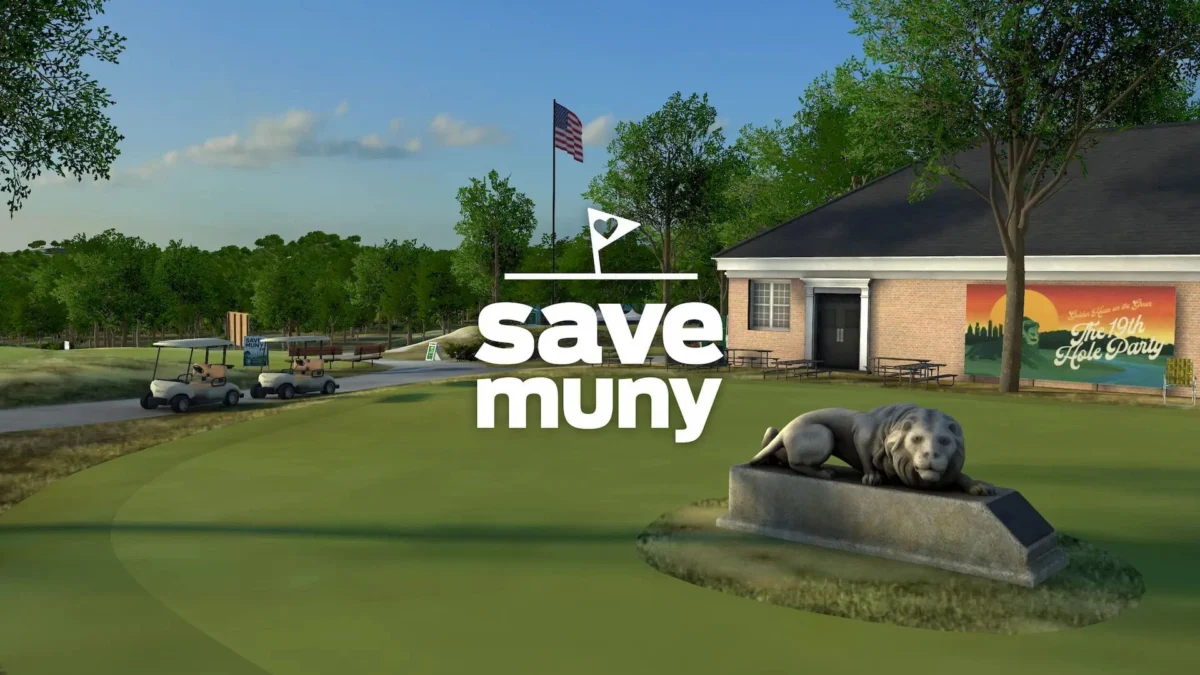
AUSTIN, TX — In a pioneering intersection of digital sports entertainment and historical preservation, GOLF+, the leading virtual reality golf simulator on the Meta Quest platform, has officially released its "Save Muny" Downloadable Content (DLC). This release is far more than a simple addition to a gaming library; it represents a high-tech effort to immortalize and advocate for the Lions Municipal Golf Course in Austin, Texas—a site recognized as one of the most historically significant and endangered cultural landmarks in the American South.
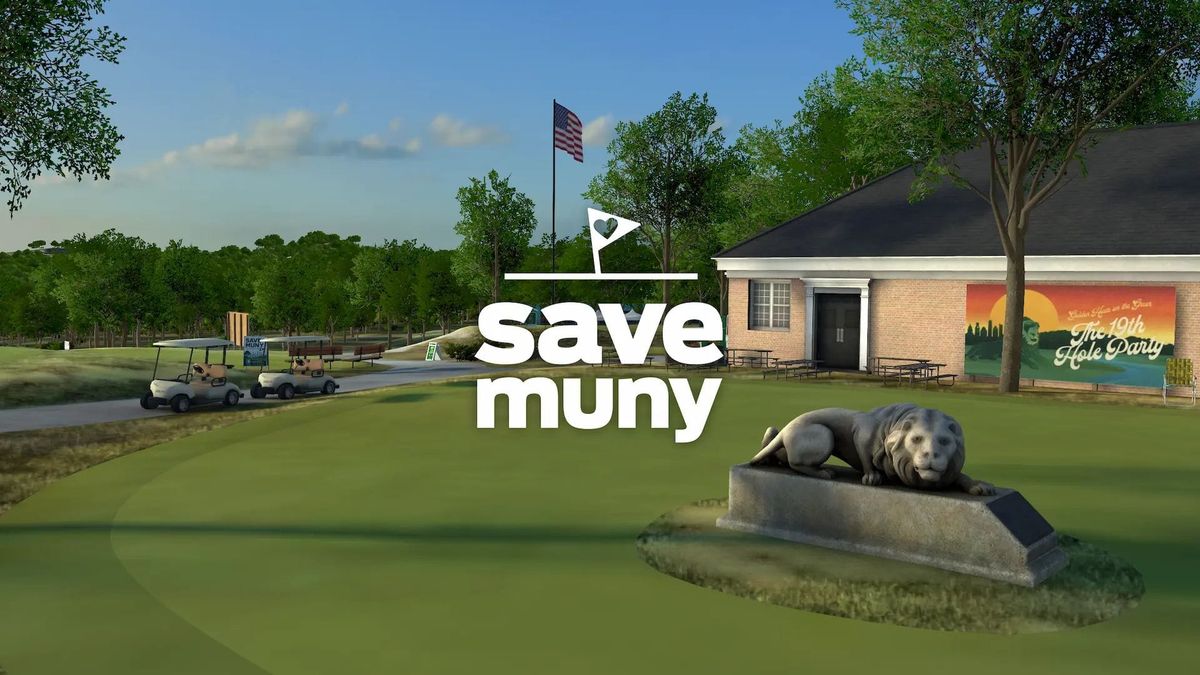
The "Save Muny" DLC reimagines the century-old course not just as it stands today, but as a revitalized masterpiece, featuring a restored routing, meticulously recreated greens, and modern touches designed to showcase the course’s potential. By bringing this physical location into the virtual realm, GOLF+ is providing a global platform for a local struggle that has spanned decades, pitting the preservation of civil rights history against the relentless pressures of urban real estate development.
Main Facts: A Digital Tribute to a Civil Rights Landmark
The Save Muny DLC is now available for purchase at $11.99, requiring the GOLF+ base game (priced at $29.99) to play. For subscribers of Meta’s Horizon+ service, the base game is currently included in the monthly catalog, lowering the barrier for entry to this digital experience.
The Lions Municipal Golf Course, affectionately known as "Muny" by generations of Austin residents, is the centerpiece of this release. The virtual recreation was developed in collaboration with preservationists to ensure that the "imagined restoration" reflected in the game honors the course’s architectural heritage while highlighting its beauty.
Key features of the DLC include:
- Restored Routing: A digital "what-if" scenario that visualizes the course in its peak aesthetic and functional condition.
- Historical Contextualization: In-game elements that educate players on the course’s role in the desegregation of the American South.
- Community Advocacy: A portion of the awareness generated by the DLC is directed toward The Muny Conservancy, the non-profit organization dedicated to securing the course’s long-term future.
Chronology: From 1924 to the Virtual Frontier
The history of Lions Municipal Golf Course is a mirror of the broader American experience over the last century, marked by growth, social revolution, and the modern challenges of urban density.
1924–1950: The Early Years and a Quiet Revolution
Founded in 1924 by the Lions Club and later leased to the City of Austin, Muny was originally a whites-only facility, consistent with the Jim Crow laws of the era. However, in 1950—four years before the landmark Brown v. Board of Education Supreme Court decision—Muny became the site of a quiet but profound act of defiance. Two young African American boys walked onto the course and began to play. Rather than arresting them or sparking a riot, city officials allowed them to finish their round. This moment effectively desegregated the course, making it the first public golf course in the South to open its fairways to all races, a milestone that predated the formal Civil Rights Movement by years.
1951–2010: A Community Hub
For the next six decades, Muny served as a vital green space and a training ground for legendary golfers, including Ben Crenshaw and Tom Kite. It became a symbol of Austin’s progressive identity, a place where socioeconomic and racial barriers were secondary to the game of golf.
2011–Present: The Battle for Survival
The land on which Muny sits is owned by the University of Texas (UT) at Austin. As the city’s real estate market exploded in the 21st century, the university faced increasing pressure to maximize the value of its land holdings. In 2011, the UT System Board of Regents voted not to renew the city’s lease on the property, signaling an intent to turn the historic fairways into mixed-use developments, luxury housing, and retail spaces. This sparked a massive "Save Muny" movement, leading to the formation of The Muny Conservancy and the course’s placement on the National Register of Historic Places in 2016.
2026: The Virtual Transition
Recognizing that physical landmarks can be fragile, GOLF+ partnered with local advocates to create the "Save Muny" DLC. This digital twin serves as a "living archive," ensuring that even if the physical course is eventually lost to development, its layout and legacy will remain accessible to anyone with a VR headset.
Supporting Data: The Value of Green Space vs. Real Estate
The conflict over Muny is often framed as a choice between "progress" and "nostalgia," but the data suggests a more complex dynamic.
Real Estate Value: The 141-acre tract in West Austin is estimated to be worth hundreds of millions of dollars. Proponents of development argue that the revenue generated from the land could significantly bolster the University of Texas’s endowment, benefiting students and research.
Environmental and Social Impact: Public golf courses like Muny provide essential "ecosystem services." According to urban planning data, Muny acts as a critical pervious surface in an increasingly paved city, helping with flood mitigation and providing a heat-sink effect. Furthermore, Muny remains one of the most affordable recreational options in an Austin market where private club memberships can exceed $50,000 annually.
Historical Significance: Muny is one of only a handful of sites in the United States recognized by the National Trust for Historic Preservation as a "National Treasure." Its status as a desegregation pioneer provides it with a level of cultural capital that preservationists argue is priceless and irreplaceable.
Official Responses and Perspectives
The Muny Conservancy
In a statement regarding the partnership with GOLF+, representatives from The Muny Conservancy emphasized the importance of reaching a younger, tech-savvy demographic. "Muny is more than just 18 holes of golf; it is a monument to civil rights. By bringing the course to GOLF+, we are telling this story to a global audience who might never visit Austin but can now appreciate why this land is worth fighting for."
GOLF+ Development Team
Ryan Engle, CEO and Founder of GOLF+, has long maintained that the mission of the simulator is to make golf more accessible. "We saw an opportunity to use our platform for something bigger than entertainment. Lions Municipal is a cornerstone of golf history. Our goal with the Save Muny DLC was to create a version of the course that honors its past while showing what a world-class, restored Muny could look like for future generations."
The University of Texas (UT)
While the university has remained open to discussions about the lease, their primary obligation remains to the financial health of the institution. Past statements from the UT System have noted that they have a "fiduciary responsibility" to the taxpayers of Texas and the university’s students to ensure that university-owned land is utilized to its highest and best financial use.
Implications: VR as a Tool for Cultural Preservation
The release of the "Save Muny" DLC sets a significant precedent for the gaming and VR industries. It suggests that virtual reality can serve as more than an escape; it can be a tool for activism and a repository for endangered history.
Digital Twins as Heritage Sites
As climate change and urban development threaten physical landmarks worldwide, the creation of "digital twins" is becoming a vital strategy for historians. The high-fidelity recreation of Muny allows for a "forensic" preservation of the landscape. Every undulation of the green and every placement of the centuries-old oak trees is recorded in code, creating a permanent record of the site.
The Democratization of Advocacy
By pricing the DLC at a relatively accessible $11.99, GOLF+ is effectively "crowdsourcing" awareness. Every player who downloads the course becomes a stakeholder in its survival. The "imagined restoration" within the game serves as a powerful marketing tool for the Conservancy, providing a visual argument for why the land should remain a golf course rather than a shopping mall.
The Future of Urban Public Spaces
The struggle for Muny reflects a global trend where public parks and recreational spaces are under threat from privatization. The success or failure of the "Save Muny" movement will likely serve as a bellwether for other historic public courses across the United States. If a site with Muny’s historical pedigree can be lost to development, it suggests that no public space is truly safe from the market’s reach.
In conclusion, the "Save Muny" DLC in GOLF+ is a testament to the power of modern technology to amplify the voices of the past. As players tee off on the virtual first hole, they are not just playing a game—they are walking through a digital recreation of a civil rights milestone, participating in a global effort to ensure that the fairways of Lions Municipal Golf Course remain green, both in reality and in the virtual world, for another hundred years.


Leave a Comment