
The Human Element: Nick Norlen’s ‘Paper Airplane’ and the Renaissance of Analog Media
May 1, 2026
In an era increasingly defined by the rapid encroachment of generative artificial intelligence and the sterile efficiency of algorithmic curation, a new movement in independent publishing is taking flight. Paper Airplane, an ambitious "magazine for humans," has officially released its second volume, signaling a shift toward tactile, high-concept, and intentionally "inefficient" media. Originally conceived as a philanthropic endeavor, the publication has evolved into a standard-bearer for a growing "slow media" movement that prioritizes human quirkiness over digital optimization.
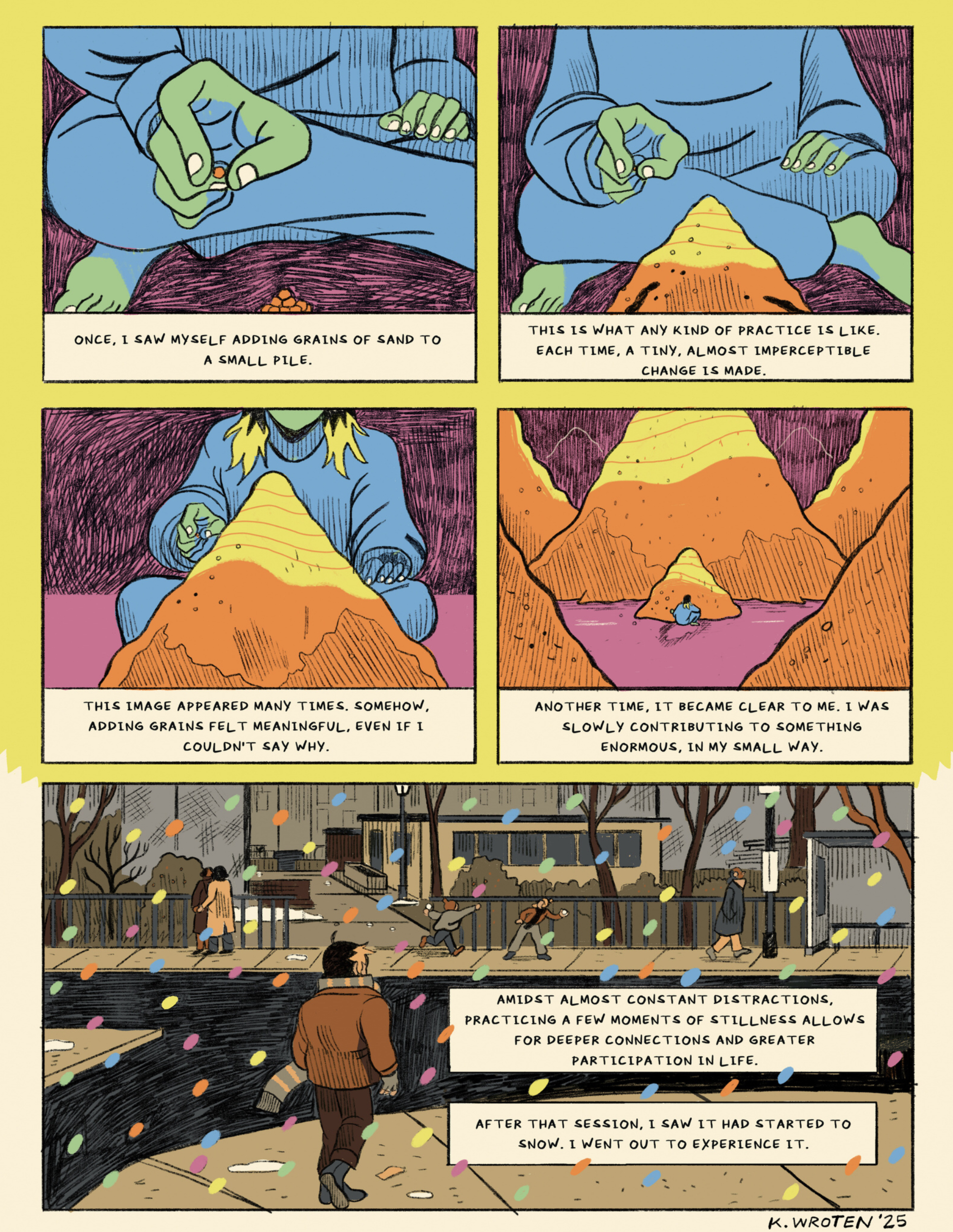
The launch of Paper Airplane Vol. 2 was highlighted this week by The Comics Journal (TCJ), which featured an exclusive excerpt showcasing the magazine’s unique blend of long-form journalism, intricate puzzles, and avant-garde comics. Under the editorial leadership of founder Nick Norlen, the magazine seeks to recapture the nostalgic wonder of childhood publications like Highlights, reimagined for a sophisticated adult audience.
Main Facts: A Blueprint for Human-Centric Media
Paper Airplane Vol. 2 arrives at a critical juncture for the publishing industry. While many legacy outlets have succumbed to "content farming" to satisfy search engine optimization (SEO) requirements, Norlen’s publication operates on a diametrically opposed philosophy. The magazine is built on three foundational pillars: No cynicism, no advertisements, and absolutely no artificial intelligence.
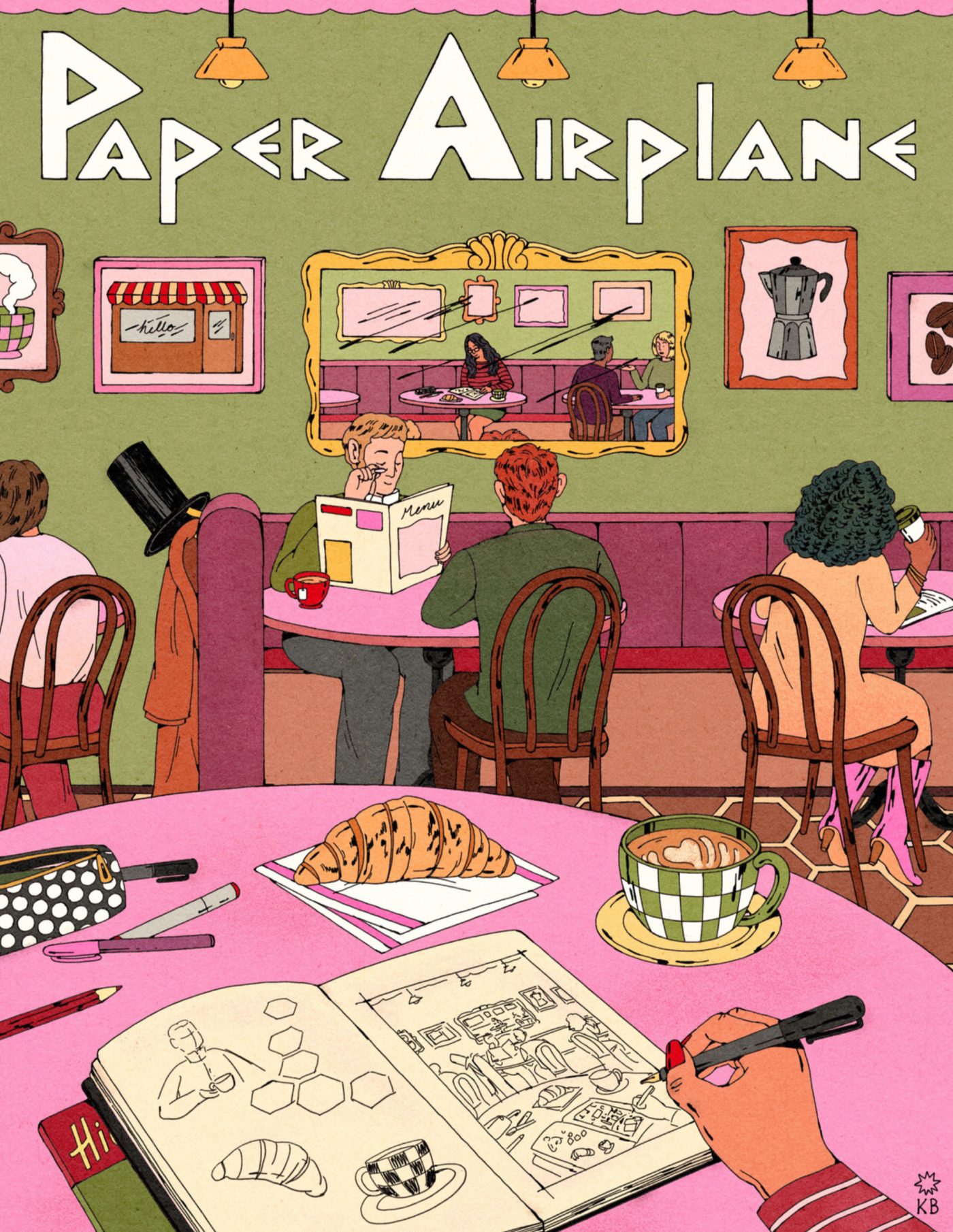
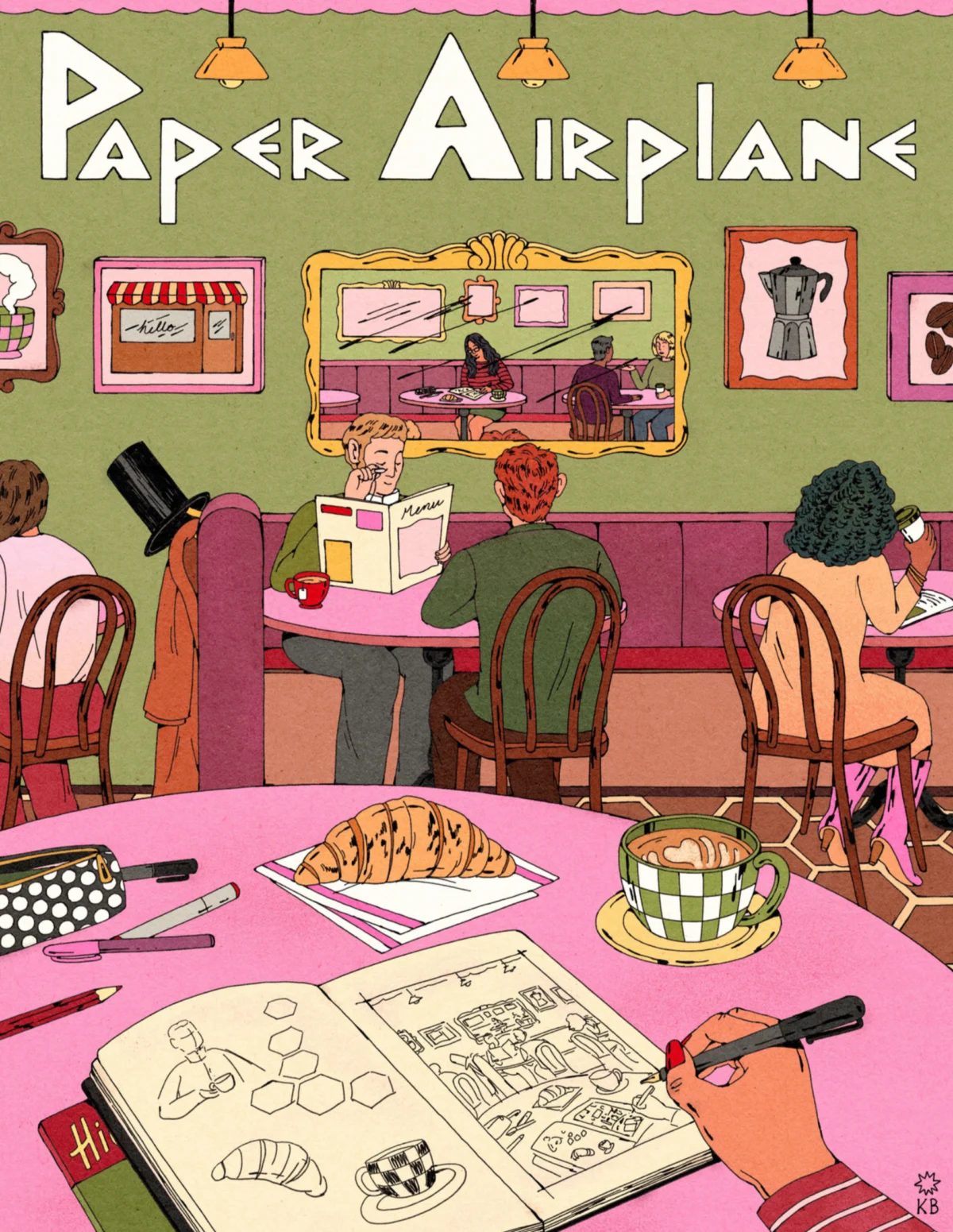
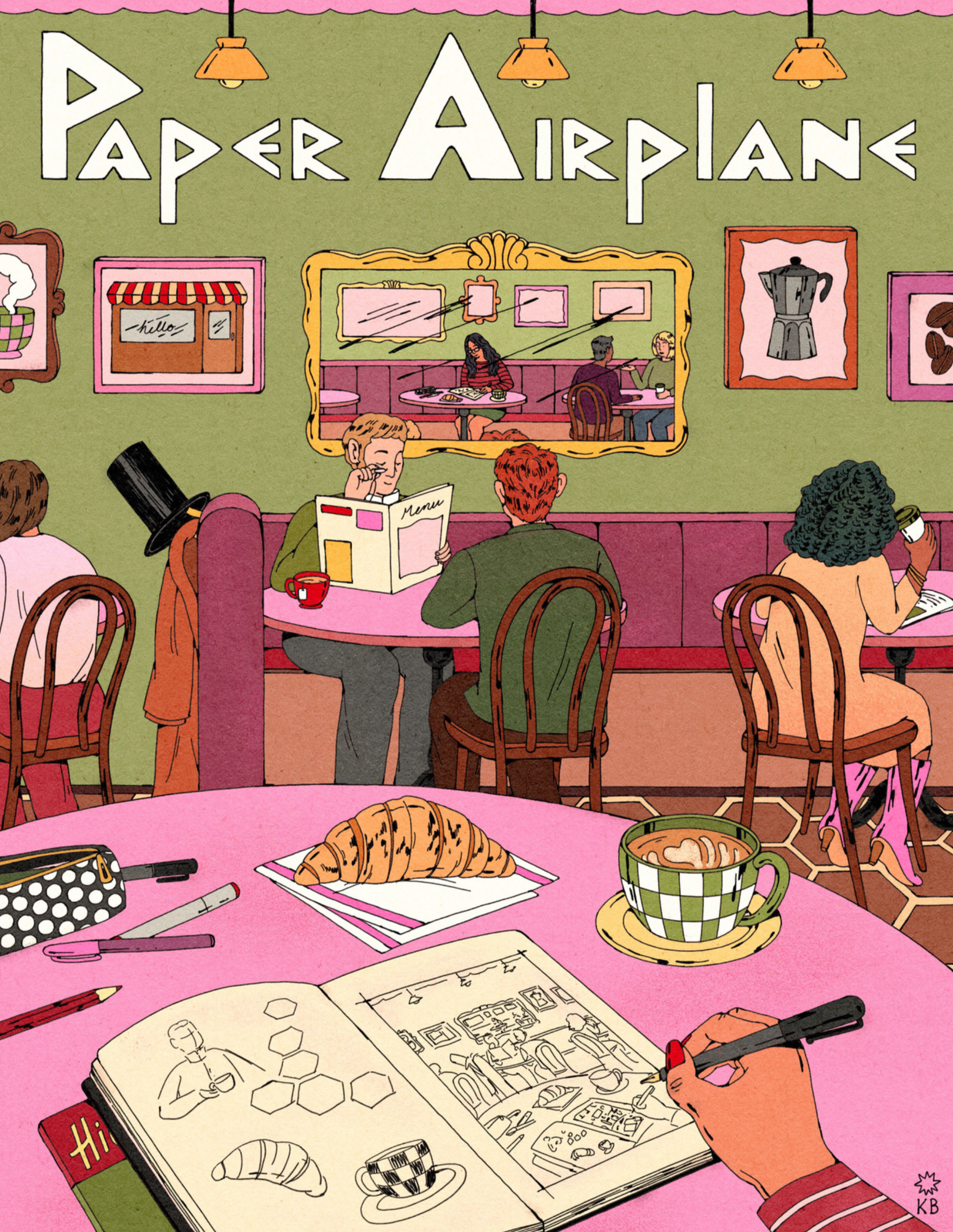
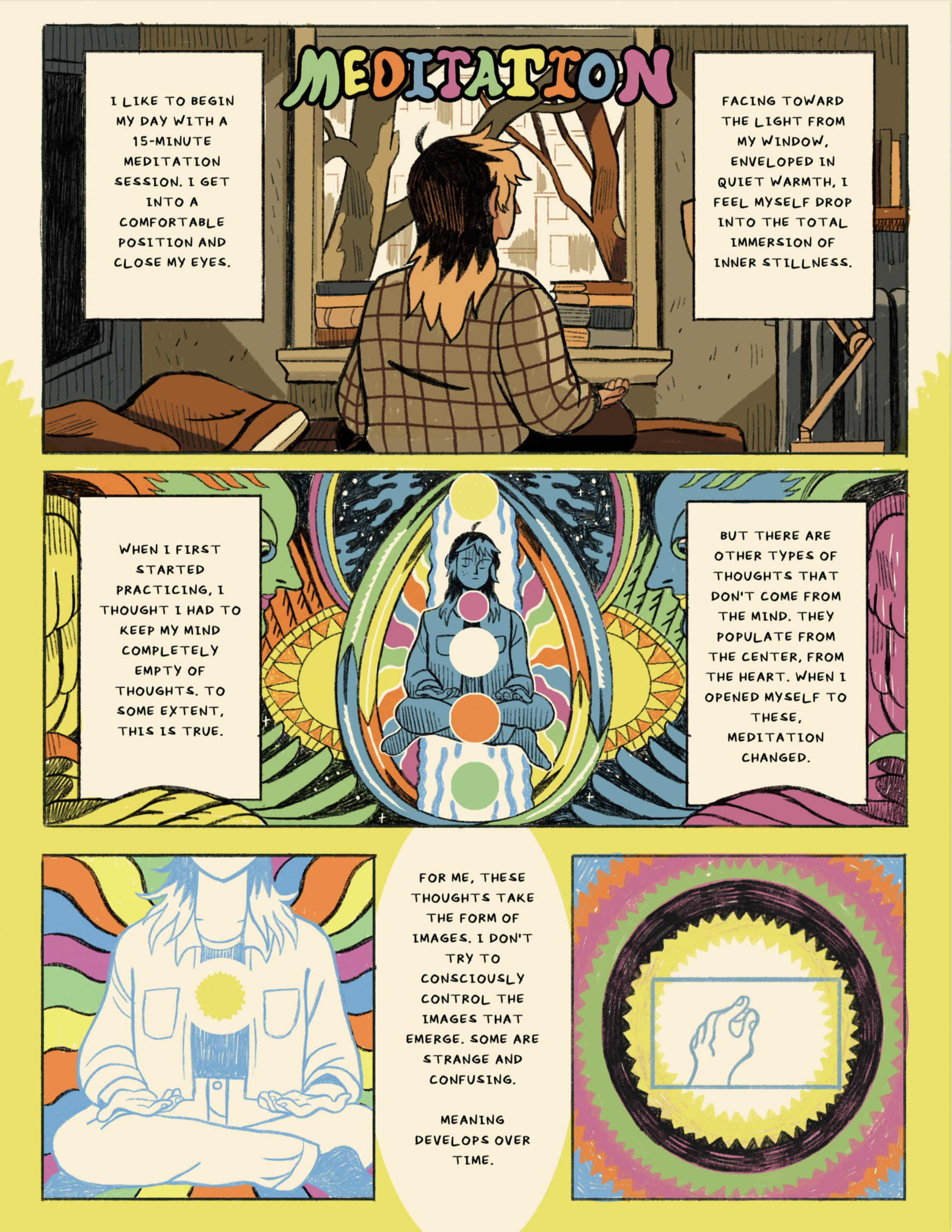
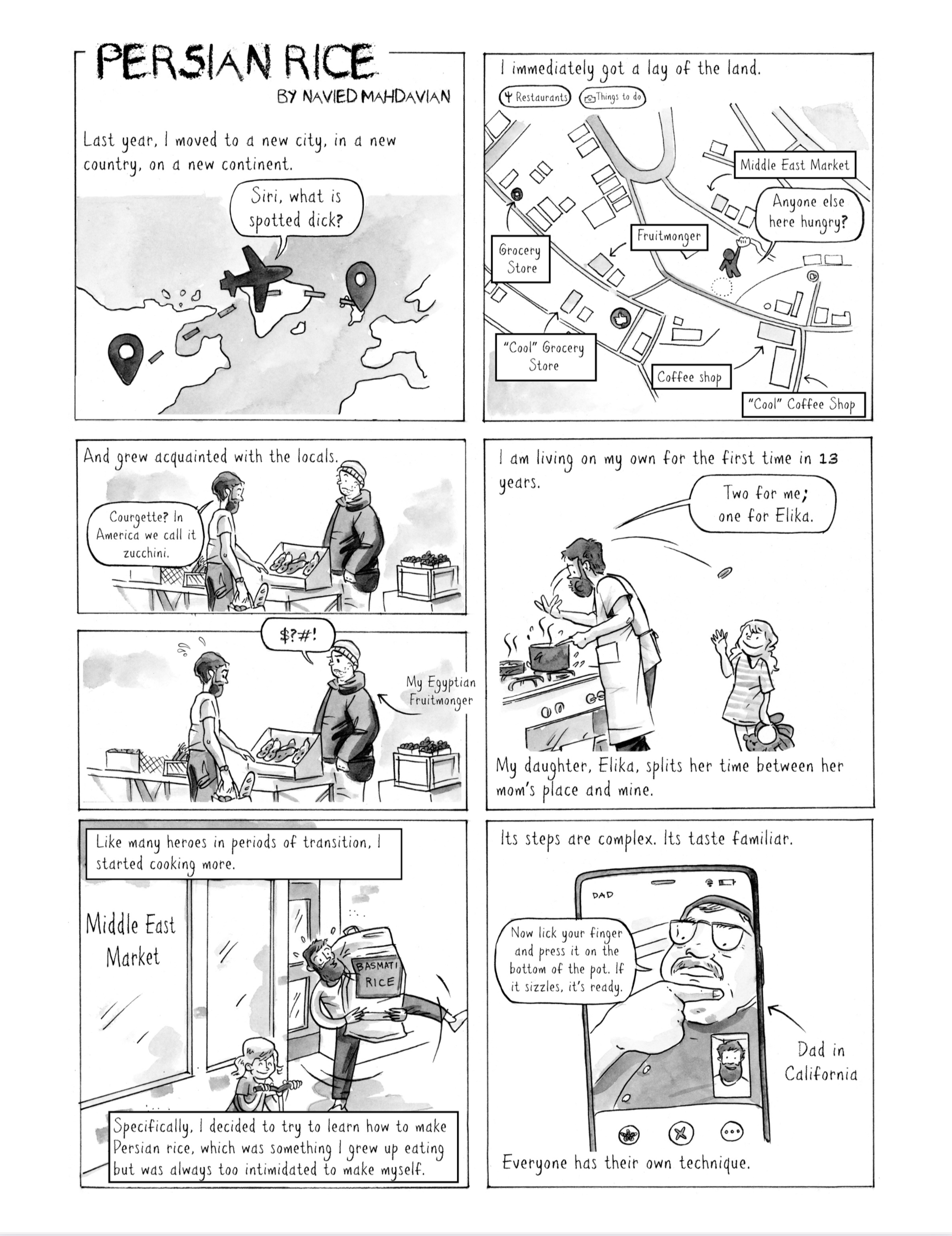
The latest volume features a diverse array of talent, including cover art by Kaitlin Brito and interior contributions from acclaimed cartoonists and writers such as K. Wroten, Navied Mahdavian, and Maris Wicks. The content is eclectic, ranging from traditional comics to complex games and puzzles designed to engage the reader’s cognitive faculties in a way that passive digital scrolling cannot.
"Every single page in Paper Airplane is made for the reader to enjoy," Norlen stated in a press release shared with TCJ. "Not to feed the algorithm or fill space with content. The whole point is to celebrate human creativity and natural beauty—to revel in all the quirks and wonders and small moments that come from the inefficiency of real life."
The publication is available in both print and digital editions, though the editorial team emphasizes the print experience as the "definitive" way to consume the work. This focus on physical media is part of a broader trend in 2026, where "analog-first" consumption has become a status symbol and a mental health necessity for those seeking to escape the "dead internet" phenomenon.
Chronology: From Fundraiser to Cultural Staple
The journey of Paper Airplane began not as a commercial venture, but as an act of humanitarian solidarity.
Phase 1: The Humanitarian Spark (2024-2025)
Paper Airplane Vol. 1 was launched in the mid-2020s as a targeted fundraiser for Refugees.org. At the time, the project was intended to be a one-off anthology, a "labor of love" brought together by a small collective of artists concerned with the global displacement crisis. The success of Vol. 1 was unexpected; it tapped into a latent desire among readers for media that felt personal, hand-crafted, and ethically grounded.
Phase 2: Defining the "Adult Highlights" Concept (Late 2025)
Following the success of the first volume, Nick Norlen began conceptualizing a sustainable future for the project. The pivotal moment occurred when Norlen described his ideal magazine as "Highlights, but for adults." This reference to the iconic children’s magazine—known for its hidden pictures, "Goofus and Gallant" morality tales, and interactive puzzles—struck a chord. It suggested a publication that was wholesome without being saccharine and intellectual without being cynical.
Phase 3: The Launch of Vol. 2 (May 2026)
By early 2026, the editorial team had secured a roster of high-profile contributors from the indie comics world. The production of Vol. 2 moved away from the "anthology" model toward a more cohesive "magazine" structure. This included the integration of long-form writing and interactive elements, ensuring that the publication was not merely a gallery of art but a functional, time-consuming experience for the reader.
Supporting Data: The Rise of the "Human-Made" Economy
The emergence of Paper Airplane is supported by shifting consumer data in the mid-2020s. According to 2025-2026 media consumption reports, there has been a 14% increase in the sale of independent, ad-free print periodicals. This "print resurgence" is largely driven by a demographic known as "Digital Minimalists"—individuals aged 25 to 45 who are actively reducing their screen time.
Key data points influencing the success of Paper Airplane include:
- The Anti-AI Sentiment: A 2026 survey of The Comics Journal readers indicated that 82% of respondents are more likely to purchase a publication if it guarantees "No AI" involvement.
- Ad-Free Preference: Subscription-based models for print have seen a higher retention rate (68%) compared to ad-supported digital news sites (22%), as readers express fatigue over intrusive marketing.
- Tactile Engagement: Market research suggests that "interactive" print media—magazines that require physical interaction through puzzles or folding—holds the reader’s attention for an average of 45 minutes, compared to the 3-minute average for digital articles.
Furthermore, the inclusion of artists like Navied Mahdavian (known for his work in The New Yorker) and Maris Wicks (celebrated for her science-themed comics) provides Paper Airplane with a pedigree that attracts both casual readers and serious collectors of graphic literature.
Official Responses: A "Pleased as Punch" Reception
The industry response to Paper Airplane Vol. 2 has been overwhelmingly positive, particularly from the bastions of the comics community.
The editors of The Comics Journal expressed significant enthusiasm for the project, stating they were "pleased as punch" to feature the excerpt. This endorsement is significant, as TCJ has historically been the "paper of record" for the serious study of comics as an art form. Their support validates Norlen’s vision of comics as a vital component of a broader literary magazine.
In his official statement, Nick Norlen addressed the "inefficiency" of his business model as a badge of honor. "There is an increasing craving for independent media created by humans for humans," Norlen noted. "We are reveling in the quirks that come from real life."
Critics have noted that the "No AI" pledge is not just a creative choice but a political one. By positioning Paper Airplane as an AI-free zone, Norlen is effectively creating a "walled garden" for human expression, a move that has been lauded by the Creators Guild and various illustrators’ unions.
Implications: The Future of Independent Publishing
The success of Paper Airplane suggests several long-term implications for the future of media and the arts.
1. The "Boutique" Media Model
As mass-market publications continue to consolidate and automate, there is a growing vacuum for "boutique" media. Paper Airplane demonstrates that a small, dedicated team can create a high-value product that competes not on scale, but on soul. This may lead to a "fragmentation of the high-end," where readers subscribe to 3-4 specialized, human-curated magazines rather than one giant, algorithm-driven platform.
2. The Return of Sincerity
For decades, independent media—especially in the comics and "zine" world—was defined by irony and cynicism. Paper Airplane’s "no cynicism" policy marks a pivot toward "New Sincerity." This movement prioritizes empathy, wonder, and constructive engagement over snark, reflecting a post-pandemic cultural shift toward community and mental well-being.
3. Economic Viability of Philanthropy-Integrated Business
By maintaining its roots in fundraising (beginning with Refugees.org), Paper Airplane exemplifies a "social enterprise" model. This approach helps build a brand "halo," where consumers feel their purchase is an act of social good as well as a personal indulgence. This dual-value proposition is becoming essential for independent brands looking to survive in a volatile economy.
4. The Puzzle as Protest
In a world of "infinite scroll," the inclusion of puzzles and games is a radical act. It forces the consumer to stop, think, and solve. This "friction" is the opposite of what tech companies want, making Paper Airplane a form of cognitive resistance. It encourages "deep work" and focused attention, qualities that are increasingly rare in the digital age.
As Paper Airplane Vol. 2 begins its distribution, it serves as more than just a collection of comics and puzzles. It is a manifesto printed on high-quality paper—a reminder that in the face of an automated future, the most valuable thing a publication can offer is the unmistakable, imperfect, and beautiful touch of a human hand.

Leave a Comment