The Balm of Bleakness: Evaluating the Four-Decade Legacy of James O’Barr’s The Crow
Main Facts: A Subcultural Landmark
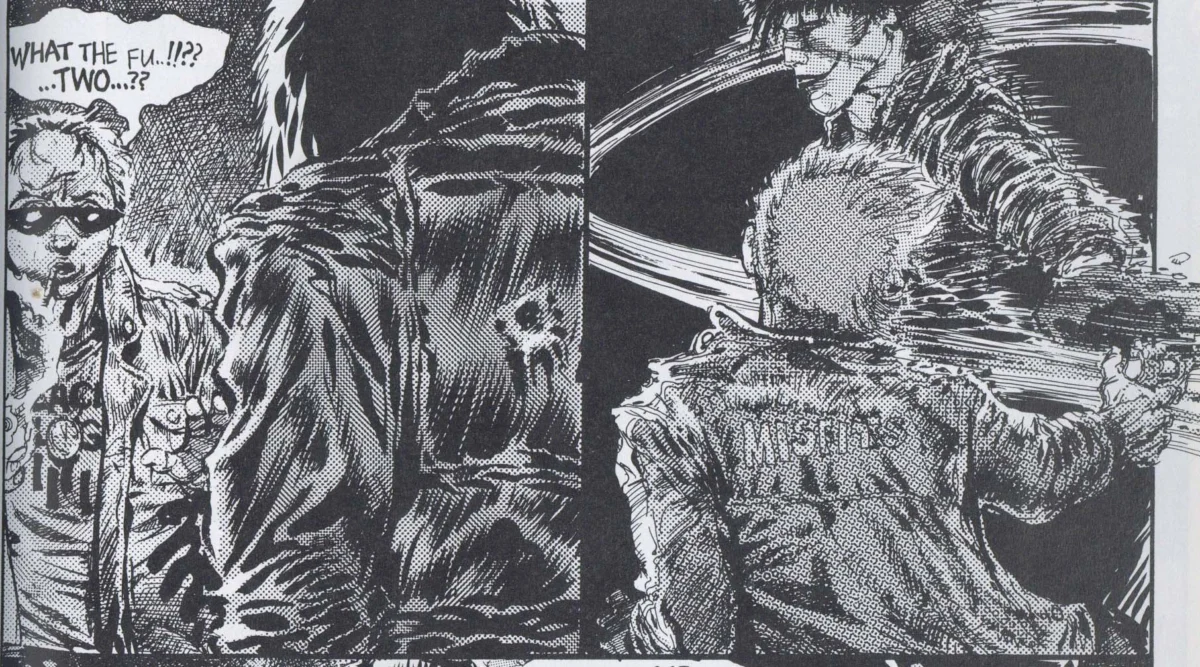
As it approaches its fortieth anniversary, The Crow remains one of the most significant and polarizing artifacts of the late 20th-century independent comics movement. Created by James O’Barr, the series transcends its origins as a gritty revenge tale to serve as a cornerstone of goth and punk subculture. Since its initial serialization in the late 1980s, the property has expanded into a massive multimedia franchise, including a landmark 1994 film directed by Alex Proyas, several sequels, and various comic book spin-offs.
At its core, The Crow is a "rape-revenge" narrative—a genre defined by film critic Alexandra Heller-Nicholas as one where a central trauma is punished by the victim or their surrogate. However, O’Barr’s execution of this trope is unique, blending visceral violence with high-flown poetic aspirations and an aesthetic deeply rooted in the "darkwave" musical movement of the era. With over 750,000 copies sold worldwide, it stands as a titan of the "Black & White boom," a period in the 1980s when independent, creator-owned comics began to challenge the hegemony of the "Big Two" (Marvel and DC).
Chronology: From Personal Tragedy to Global Phenomenon
The genesis of The Crow was rooted in profound personal loss. James O’Barr, raised in foster homes, began work on the comic in 1981 as a means of processing the death of his fiancée, who was killed by a drunk driver. This raw, unfiltered grief became the engine for the story of Eric Draven and his girlfriend, Shelly.
- 1981–1988: O’Barr develops the story and art while serving in the Marines and living in Detroit. The work is heavily influenced by the decaying urban landscape of the "Motor City."
- February 1989: The first issue is published by Caliber Comics. It immediately strikes a chord with the burgeoning "Goth" subculture.
- 1989–1993: The series is serialized across four issues and later collected into a trade paperback by Kitchen Sink Press. This collection solidifies its status as a commercial juggernaut.
- 1994: The film adaptation is released. While marred by the tragic on-set death of star Brandon Lee, the movie becomes a cult classic, further elevating the source material’s profile.
- 1994–Present: The franchise expands through various publishers, including IDW and Image Comics, while the original work continues to be analyzed for its "clown logic" and subcultural impact.
Supporting Data: The Sound and Style of the Supernatural
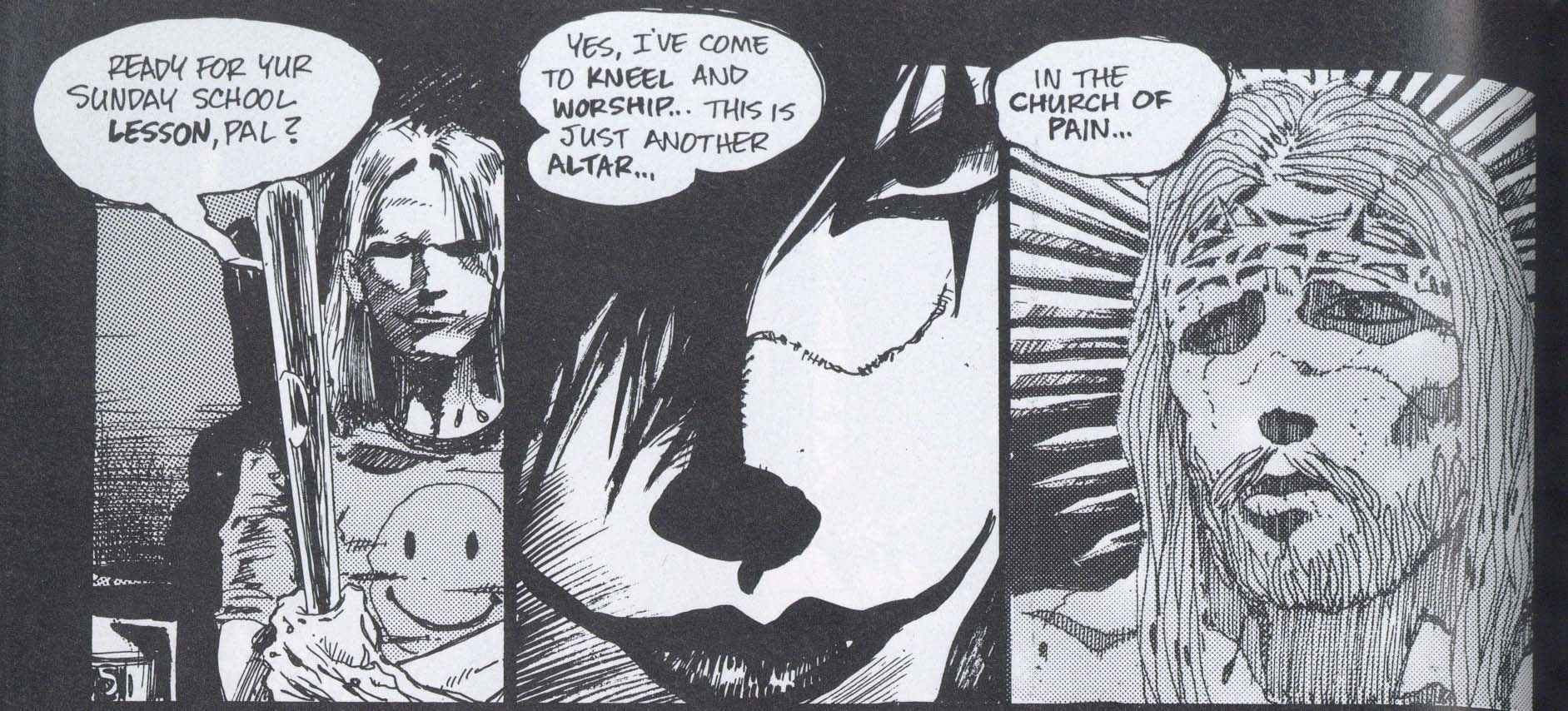
One cannot separate The Crow from the music that birthed it. Unlike many of his contemporaries who looked to previous generations of illustrators for inspiration, O’Barr looked to the stage. The aesthetic of the titular character—the white face paint, the leather attire, the androgynous silhouette—is a direct homage to the "Goth Clown" or "Pierrot" archetype, filtered through the lens of 1970s and 80s rock icons.

Musical Influences
O’Barr has frequently cited the following bands as foundational to the comic’s atmosphere:
- Joy Division: Chapter titles like "Atmosphere," "Atrocity Exhibition," and "Shadowplay" are taken directly from Ian Curtis’s discography.
- The Cure: The emotional vulnerability and "misty-eyed" romanticism of the art mirror Robert Smith’s lyrical style.
- Iggy Pop and Bauhaus: The physical movements and "otherness" of Eric Draven reflect the stage presence of Peter Murphy and the raw energy of the Stooges.
Commercial Success
The comic’s success was largely driven by non-traditional distribution. While most comics were sold in specialty shops, The Crow found a home in record stores, positioned alongside the very albums that inspired it. This cross-pollination allowed it to reach a demographic of "misfits and pessimists" who may have otherwise ignored the medium.
Critical Reception and Official Responses: The Battle of "Clown Logic"
The critical history of The Crow is a tale of two eras. In 1994, at the height of the franchise’s popularity, critic Ng Suat Tong published a scathing review in The Comics Journal (#143) titled "Violence is Good, Says The Crow." Ng dismissed the work as a "glorification and beautification of violence and ugliness," arguing that the poetic interludes were merely a thin veneer over a simplistic and repetitive revenge plot.
The Rebuttal: Sincerity Over Irony
Modern critics, including Anya Davidson and Alec Worley, argue that Ng’s "kill piece" missed the fundamental appeal of the work: its sincerity. In the irony-drenched 1990s, O’Barr’s unabashed emotionalism was seen by some as juvenile. However, for a generation of readers, that lack of distance was its greatest strength.
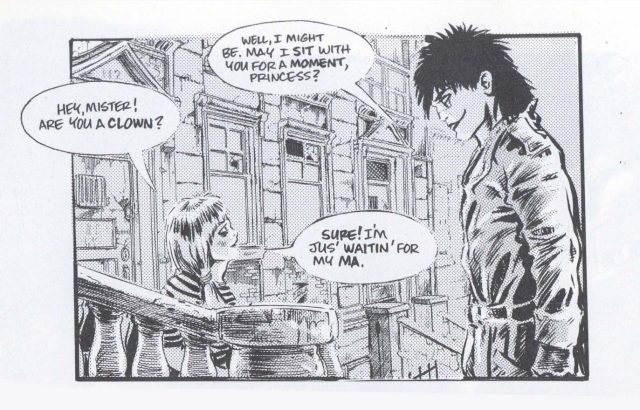
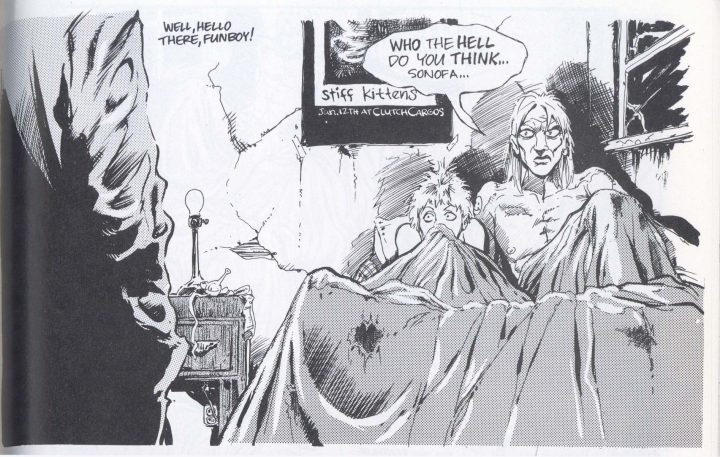
Davidson notes that the "Clown Logic" of the character—a term borrowed from Leah Fisher’s 2022 research on gender and performance—allows the protagonist to exist outside the rules of society. Eric Draven is an "androgynous and fundamentally other" figure who uses "nonsense metaphors" to destabilize his enemies. When Draven tells a villain, "I am morphine for a wooden leg," or "I am the boiling man come to break the bones of your sins," he is employing rhetorical devices that Palahniuk or Dürer might recognize, even if they are delivered via a "meat puppet."
Addressing the Flaws
Contemporary analysis does not ignore the work’s shortcomings. Two major criticisms persist:
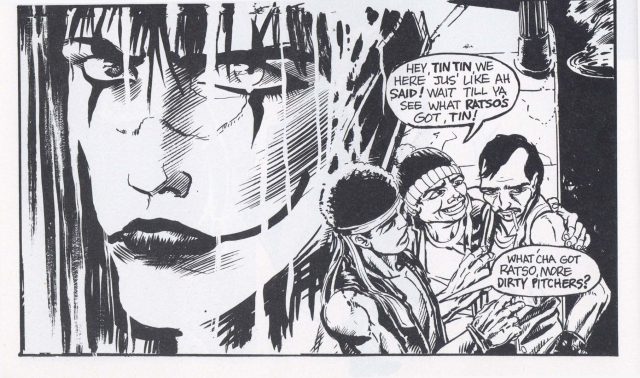
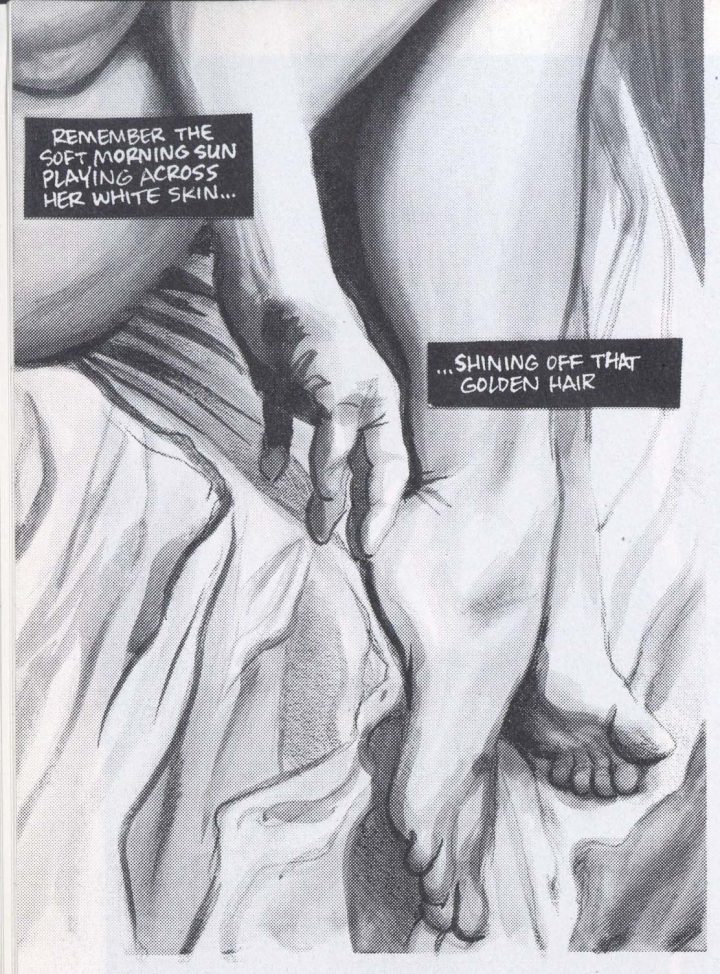
- Race and Archetypes: Critics like Michaela Keating have pointed out the problematic racial coding in the original comic. The victims, Eric and Shelly, are depicted with a "literal whiteness" that borders on the ethereal, while the antagonists are often depicted as multi-ethnic "thugs" using broken grammar and slang. The character Tin Tin, for instance, is described as having a soul "twisted with evil" and is rendered in a style reminiscent of 1970s "blaxploitation" villains.
- Narrative Slackness: As Alec Worley noted in 2024, the comic lacks traditional suspense. Because Eric is an immortal, invulnerable being, there are no "agonizing setbacks." The tension is replaced by a meditation on the ability to "soak up bullets and tolerate agony."
Implications: A Bridge to the Avant-Garde
Despite its flaws, the legacy of The Crow is its role as a cultural gateway. For a teenager in a small town in the early 90s, O’Barr’s work was often the first encounter with the poetry of François Villon or the bleak philosophy of Thomas Ligotti.
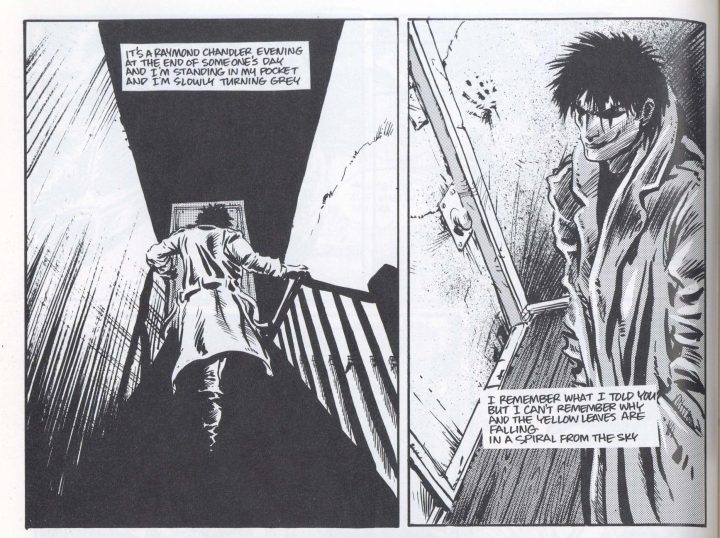
Ligotti’s The Conspiracy Against the Human Race posits that "to salve the pains of consciousness, some people anesthetize themselves with sunny thoughts… but others find respite in the balm of bleakness." The Crow provided that balm. It taught young readers that life is suffering and that "all things will be fair" only in a distant, perhaps impossible, afterlife.
The "Raw Power" Legacy
The ultimate implication of The Crow is the democratization of the "Artistic Aspiration." While Ng Suat Tong compared it unfavorably to Jack Kirby’s The Demon—calling it a "gorgeous, incoherent mess"—that very incoherence served as an invitation. Like a low-budget horror film where the "seams are exposed," The Crow felt achievable. It demonstrated that raw power and emotional honesty could outweigh technical polish.
As the property nears its 40th year, it continues to serve as a "pep talk for every sensitive soul tormented by the absurdity of existence." It remains a testament to the idea that the most personal, painful experiences can be transformed into a universal mythology—provided one is willing to embrace the "clown logic" of the grieving heart.
References:
- Ligotti, Thomas. The Conspiracy Against the Human Race, Penguin Books 2010.
- Heller-Nicholas, Alexandra. Rape-Revenge Films: A Critical Study, McFarland & Company.
- Ng, Suat Tong. "Violence is Good, Says The Crow," The Comics Journal #143, 1994.
- Fisher, Leah. An Exploration of Clowning and Gender, University of Huddersfield, 2022.
- Palahniuk, Chuck. Plot Spoiler Substack, 2024.
- Worley, Alec. The Crow: When Fantasy Manages Trauma, 2024.