
The Architect of Virtual Worlds: Raph Koster Unveils Definitive Archive of Game Design Wisdom
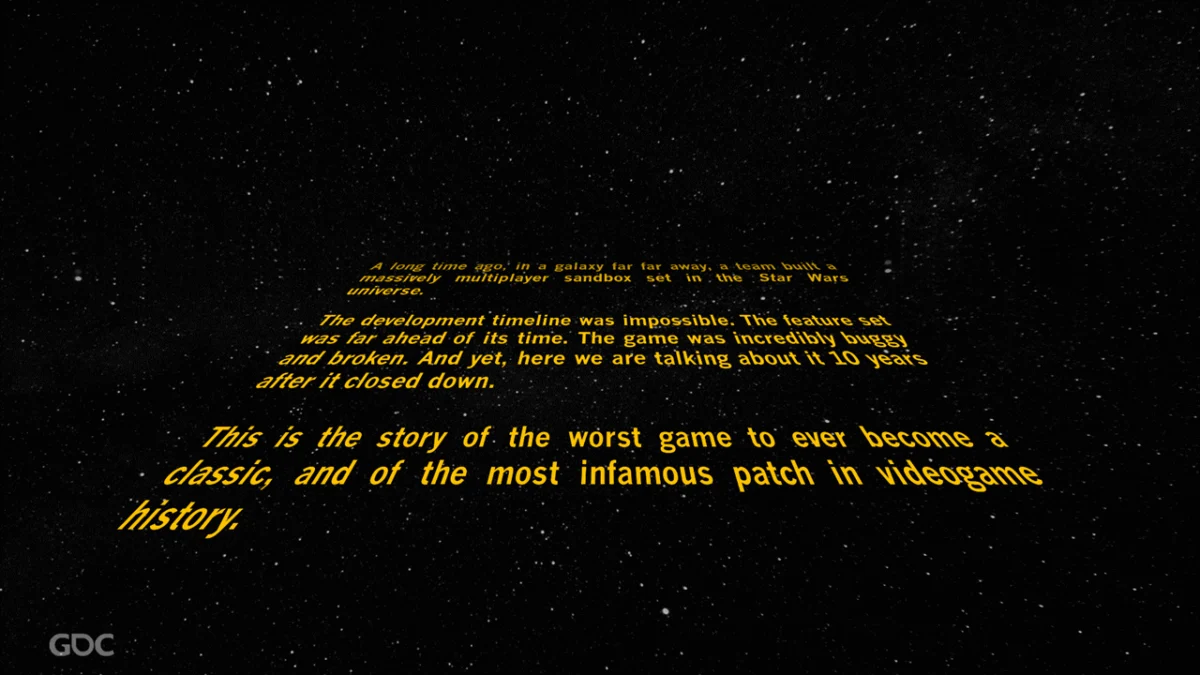
In the rapidly evolving landscape of interactive entertainment, few voices carry as much historical weight and contemporary relevance as Raph Koster. A legendary figure in the realm of Massively Multiplayer Online (MMO) games—best known for his seminal work on Ultima Online and Star Wars Galaxies—Koster has spent decades not just building worlds, but theorizing the very mechanics that make them function.
This week, Koster released a comprehensive update to his personal digital archive, marking the first time in over five years that he has curated and reorganized his vast body of work. This update serves as more than a simple blog maintenance task; it is a vital "state of the union" for game design, collecting half a decade of talks, interviews, and deep-dive essays that bridge the gap between the pioneering days of the 1990s and the complex, data-driven future of the "Metaverse."
Main Facts: A Compendium of Industry Knowledge
The newly reorganized archive, accessible via RaphKoster.com, represents a curated selection of what Koster deems his most impactful contributions to the field since 2019. The update is categorized into several distinct pillars: general game design, multiplayer dynamics, the business of gaming, historical postmortems, and a critical analysis of the "Metaverse" phenomenon.
For industry veterans and newcomers alike, the significance of this update cannot be overstated. Koster’s blog has long functioned as a canonical resource for game design theory. By distilling five years of thought leadership into a structured menu, Koster provides a roadmap for navigating the current challenges of the industry, from the technical hurdles of persistent world-building to the ethical considerations of player governance.
Key highlights of the update include:
- The "Riffs by Raph" Series: A collection of essays that double as a manifesto for his current venture, Playable Worlds, and its upcoming title, Stars Reach.
- Metaverse Deconstruction: A rigorous technical and sociological critique of the Metaverse hype cycle, specifically addressing the limitations of blockchain technology in virtual world persistence.
- Historical Preservation: New insights into the development of Ultima Online and the release of his 700-page historical tome, Postmortems.
- Multiplayer Dynamics: Essential reading on how to manage player behavior, social structures, and economic systems in shared digital spaces.
Chronology: Five Years of Transformation (2019–2024)
The five-year gap since Koster’s last major archive update coincides with one of the most volatile periods in gaming history. To understand the context of these "Recommended Posts," one must look at the timeline of Koster’s professional journey alongside industry shifts.
2019–2020: The Foundation of Playable Worlds
During this period, Koster moved from an advisory role back into the trenches of development, founding Playable Worlds. His writing began to shift toward the "Living World" concept—moving away from static quest hubs toward dynamic, systemic environments. This era saw the publication of foundational posts regarding how modern technology (cloud computing) could finally realize the dreams of 1990s MUD (Multi-User Dungeon) developers.
2021–2022: The Metaverse Hype and Blockchain Skepticism
As the term "Metaverse" became a corporate buzzword and NFT-based "Web3 gaming" saw a massive influx of capital, Koster emerged as a primary voice of reason. His posts from this era are characterized by a "back to basics" approach, reminding the industry that the problems of virtual identity, data persistence, and social governance were solved—or at least identified—decades ago in text-based virtual worlds.
2023–2024: The Reveal of Stars Reach and the Return to History
In the most recent window, Koster’s focus has returned to the practical application of his theories. The archive now includes "marketing" posts that are essentially high-level design documents for Stars Reach. Simultaneously, he completed his look back at the past, providing exhaustive documentation on the "golden age" of MMOs to ensure that the lessons of the past are not lost to the "link rot" of the internet.
Supporting Data: Deep Dives into Design Pillars
Koster’s archive is structured to address specific "pain points" in modern development. The supporting data within these categories offers a masterclass in systemic thinking.
1. The Mechanics of Multiplayer Governance
Koster has long argued that online games are not just software, but societies. His curated posts on multiplayer design delve into the "social architecture" required to prevent community collapse. He provides data-backed arguments on why "policing" is less effective than "designing for prosocial behavior," a concept that has become critical as modern platforms struggle with toxicity and moderation at scale.
2. The Business of Virtual Worlds
The archive includes a sobering look at the "Games Business." Koster addresses the precarious nature of development, the shifting tides of venture capital in the gaming space, and the difficulty of sustaining "Forever Games." His insights provide a rare look behind the curtain for developers trying to balance creative ambition with the realities of a hit-driven market.
3. Technical Realism vs. Metaverse Mythos
One of the most data-rich sections of the update involves Koster’s breakdown of "Metaverse Data." He famously challenged the notion that blockchains are a "magic bullet" for interoperability. By explaining the difference between "thin clients" and "thick simulations," Koster provides a technical framework that debunks many of the overpromises made by tech speculators during the 2021 bull market.
Official Responses: Koster’s Manifesto on "Living Worlds"
While the archive is a collection of past works, its reorganization serves as an official statement on Koster’s current philosophy. Through his "Riffs by Raph" series, he articulates a vision for the future of the genre that rejects the "theme park" model of modern MMOs (where players follow a linear path of scripted content).
"These posts serve as a pretty good manifesto for what I think MMOs ought to be like," Koster notes in the update. His stance is clear: the future of the medium lies in "simulated reality." This involves:
- Fully Physicalized Worlds: Where trees grow, resources deplete, and player actions have permanent, visible consequences on the environment.
- Player-Driven Economies: Moving beyond simple gold-sinks to complex systems where players are the primary drivers of value.
- The "Invisible" Metaverse: Koster posits that a true Metaverse isn’t a VR headset or a crypto-wallet; it is the underlying data structure that allows for a persistent, shared human experience across digital boundaries.
Implications: The Preservation of Institutional Knowledge
The release of this curated archive comes at a time when the gaming industry is facing a crisis of institutional memory. As studios close and websites go dark, the "how and why" of game design is often lost. Koster’s commitment to maintaining this repository has several long-term implications for the industry.
For Aspiring Designers:
The archive provides a free, high-level education that rivals university-level game design programs. By categorizing posts into "Game Design Overviews" and "Multiplayer Dynamics," Koster has created a self-guided curriculum for the next generation of creators.
For the "Metaverse" Discourse:
Koster’s historical perspective acts as a necessary anchor. By pointing out that he was building "Metaverses" in the 90s and 2000s, he humbles the current tech discourse, forcing a shift away from buzzwords and toward the hard engineering and sociological work required to make virtual spaces viable.
For the Future of MMOs:
The archive signals that we are on the precipice of a "Second Renaissance" of virtual worlds. The concepts Koster discusses—cloud-native architecture, deep simulation, and emergent gameplay—are no longer theoretical. They are the blueprints for the next decade of the industry.
Conclusion
Raph Koster’s updated "Recommended Posts" is more than a list of links; it is a comprehensive map of the digital frontier. By organizing his thoughts on design, business, history, and the Metaverse, Koster has provided the industry with a vital resource for navigating an increasingly complex technological future. As the industry looks toward the launch of Stars Reach and the continued evolution of online spaces, Koster’s archive remains the definitive guide for anyone seeking to understand the soul of the virtual world.

Leave a Comment