The Eternal Revolution: Why Revolutionary Girl Utena Remains Anime’s Most Prescient Masterpiece
Nearly three decades after its 1997 debut, Revolutionary Girl Utena stands not merely as a relic of the 1990s anime boom, but as a living, breathing monolith of avant-garde storytelling. As of June 2026, the series is experiencing a massive resurgence in critical and commercial interest, fueled by a global cultural shift that has finally aligned with the show’s radical themes. In a landmark interview, series creator Kunihiko Ikuhara recently reflected on the 29-year legacy of the franchise, asserting that the world has finally "caught up" to a narrative that was once deemed too opaque, too controversial, or too "revolutionary" for its time.
Main Facts: A Genre-Defying Legacy
Revolutionary Girl Utena (Shōjo Kakumei Utena) was produced by the creative collective Be-Papas, led by director Kunihiko Ikuhara. While the "Magical Girl" (Mahō Shōjo) genre was dominated by hits like Sailor Moon and Cardcaptor Sakura—series that emphasized teamwork, romance, and the triumph of light over darkness—Utena chose a path of surrealism and psychological deconstruction.
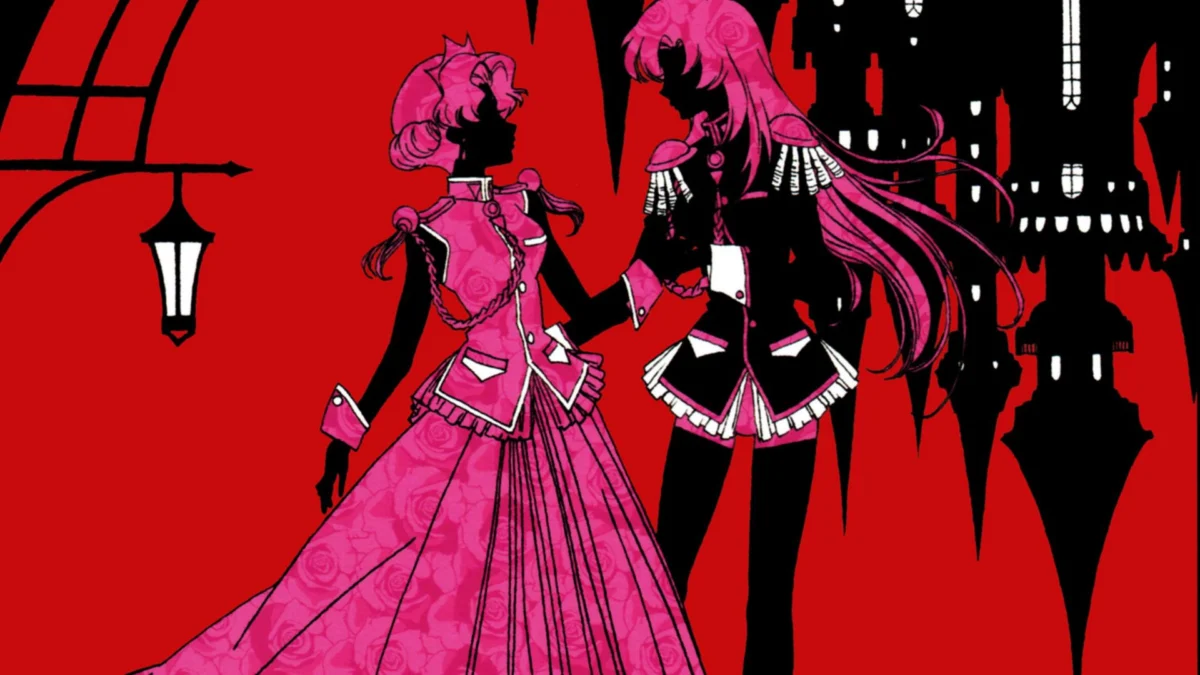
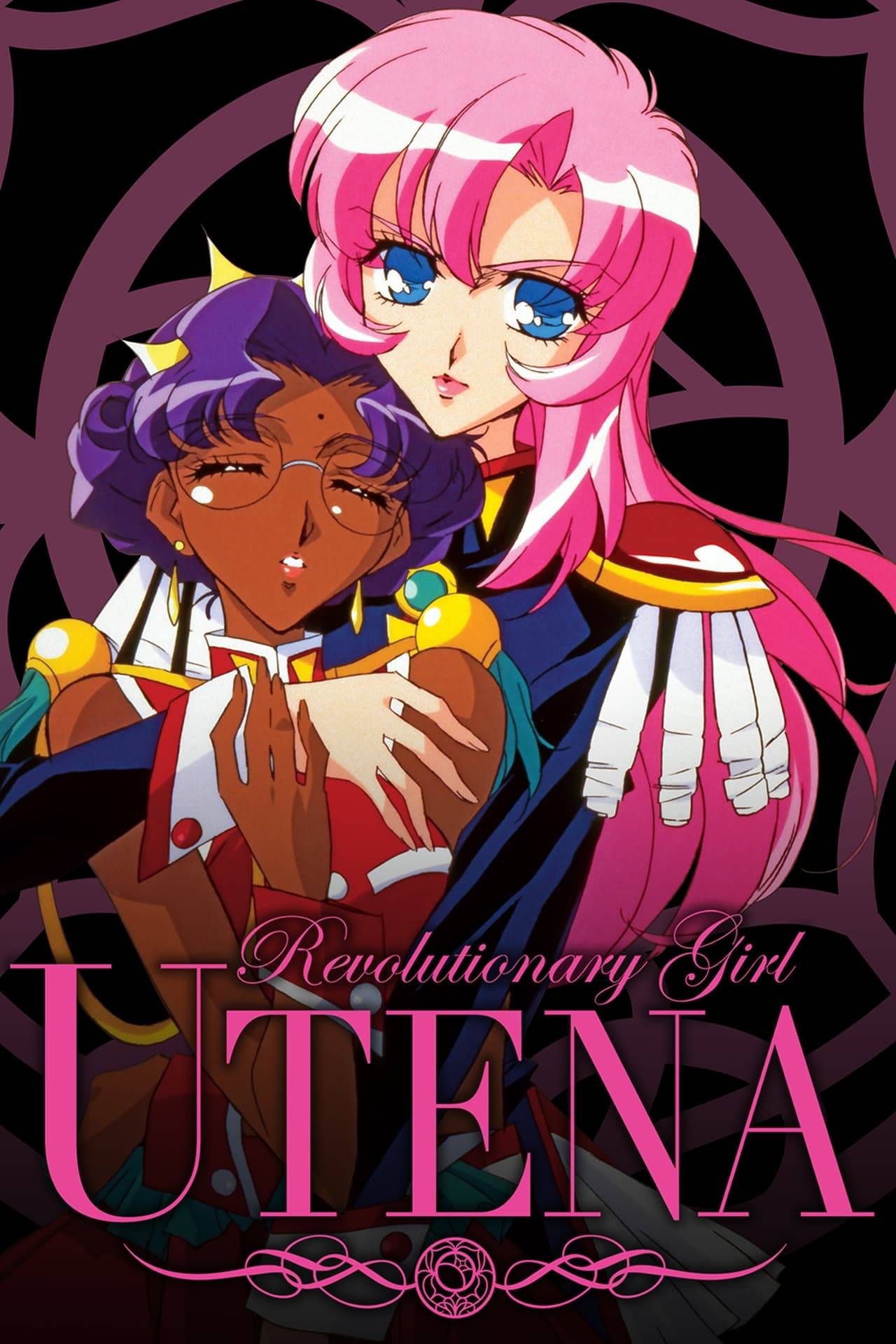
The story follows Utena Tenjou, a teenage girl who, having been comforted by a prince following the death of her parents, decides not to wait for his return, but to become a prince herself. Upon entering the prestigious Ohtori Academy, she finds herself drawn into a series of surreal sword duels for the hand of Anthy Himemiya, the "Rose Bride," who is said to hold the power to "revolutionize the world."
While many contemporary shōnen hits of the 90s relied on power-scaling and linear progression, Utena utilized metaphor, shadow-play, and architectural symbolism to explore the entrapment of gender roles, the cyclical nature of abuse, and the loss of innocence. In 2026, as the series enjoys a successful re-release of its companion film Adolescence of Utena, the industry is forced to reckon with the fact that Ikuhara’s vision was several decades ahead of its time.
Chronology: From Toei to the End of the World
To understand the weight of Utena, one must look at the timeline of its creation and its slow-burn ascent to legendary status.
1992–1996: The Catalyst
Before Utena, Kunihiko Ikuhara was a rising star at Toei Animation, serving as the series director for Sailor Moon R and Sailor Moon S. It was during this tenure that Ikuhara began pushing the boundaries of the genre, most notably through the introduction of the lesbian couple Sailor Uranus and Sailor Neptune. However, the constraints of a major studio and the expectations of a toy-driven demographic limited his ability to explore more abstract philosophical themes.
1997: The Revolution Begins
Ikuhara left Toei to form Be-Papas, a creative group that included manga artist Chiho Saito, writer Yoji Enokido, and animator Shinya Hasegawa. The 39-episode TV series aired in 1997, immediately polarizing audiences. While it won the "Best TV Animation" award at the 1997 Animation Kobe, its heavy use of symbolism and non-linear storytelling made it a "cult classic" rather than a mainstream juggernaut like Neon Genesis Evangelion.
1999: Adolescence of Utena
The release of the feature film Adolescence of Utena (1999) took the series’ themes even further. It reimagined the story with even more surrealist imagery—most famously Utena literally transforming into a car—symbolizing the characters’ drive to escape the "cradle" of childhood and the rigid structures of society.

2010s–2026: Global Recognition
Over the last fifteen years, the rise of "prestige anime" and the success of dark magical girl deconstructions like Puella Magi Madoka Magica (2011) led Western critics to revisit Utena. By 2026, the series has moved from the fringes of "niche interest" to being recognized as a foundational text of queer cinema and feminist theory in animation.
Supporting Data: The Architecture of Subversion
What makes Revolutionary Girl Utena so enduring? Data from modern streaming platforms and critical aggregators suggest that the show’s popularity is tied to three specific pillars: its visual language, its progressive representation, and its psychological depth.
1. Avant-Garde Visuals and Sound
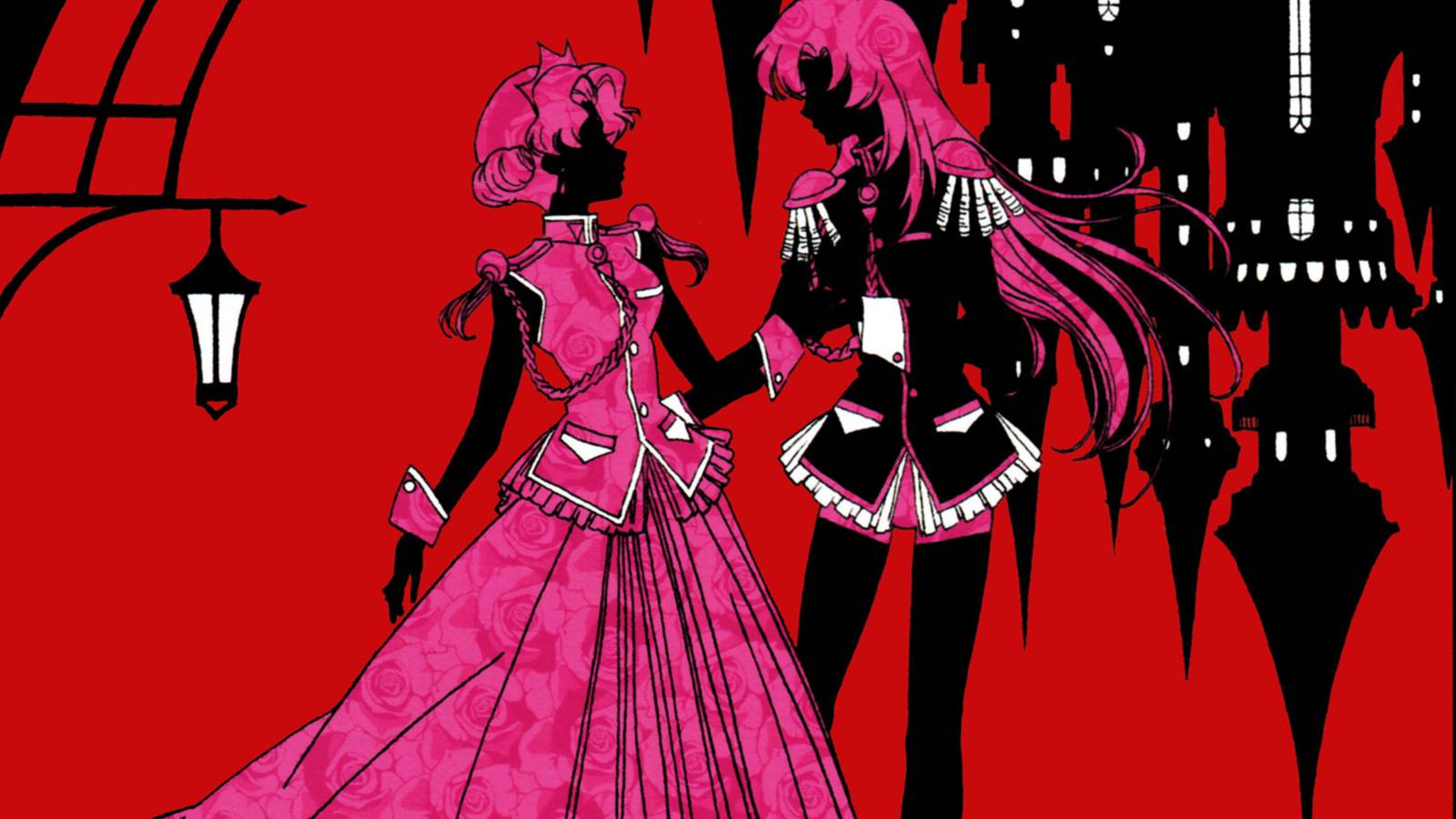
The series is famous for its repetitive, ritualistic animation. Every duel is preceded by the "Absolute Destiny Apocalypse" (Zettai Unmei Mokushiroku) chant, composed by J.A. Seazer. The use of shadow-girl plays (kashira-za) to provide meta-commentary on the plot was a technique unheard of in 90s television. The architecture of Ohtori Academy—with its floating castles and impossible staircases—serves as a physical manifestation of the characters’ psychological states.
2. Deconstructing the "Prince" Archetype
In 1997, the idea of a female protagonist rejecting the role of "Princess" to become a "Prince" was a radical act of gender subversion. Utena does not just celebrate this choice; it interrogates it. The series asks: Can one truly be a prince within a system designed to exploit princesses? This critique of patriarchal structures has made the show a staple in university-level media studies courses.
3. Early LGBTQ+ Representation
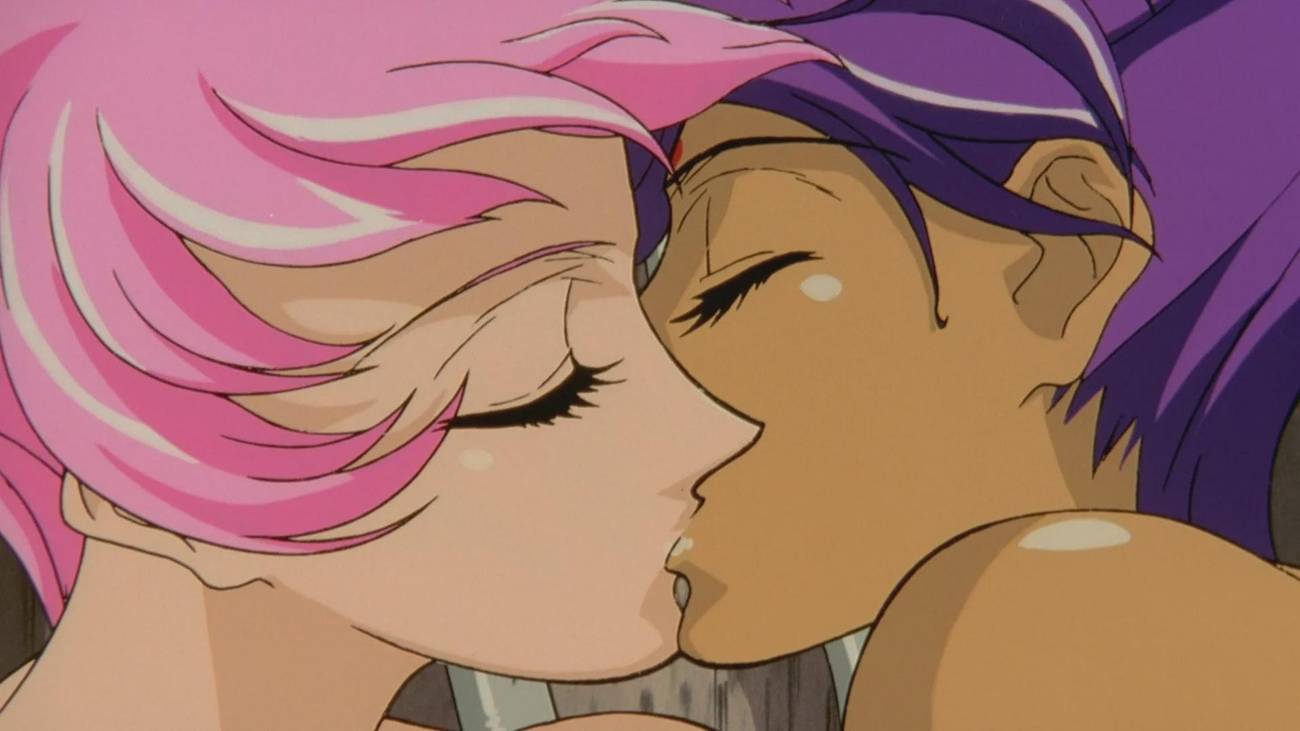
Decades before mainstream Western animation introduced canon LGBTQ+ characters, Utena centered its narrative on the deepening, romantic, and soul-binding relationship between Utena and Anthy. It explored queer desire and identity with a nuance that was largely absent from the "homophobic jokes" prevalent in other 90s hits like Dragon Ball.
Official Responses: Reflections from Kunihiko Ikuhara
In his 2026 interview with Screen Rant, Kunihiko Ikuhara provided rare insight into why the series feels more relevant now than it did during the Clinton era. Ikuhara noted that the original reception was often one of confusion, as the audience lacked the vocabulary to discuss the intersectional issues the show presented.
"Part of it is that at the time, the freshness and revolutionary nature of the franchise wasn’t properly understood," Ikuhara stated. "But now that times have finally caught up and the understanding of such matters has deepened, it has been able to find new fans."
When asked about the title—Revolutionary Girl—Ikuhara emphasized that the "revolution" was never about changing the world through violence, but about the internal revolution of the self. "I believe it’s now an era where the nuance of the term ‘revolutionary girl’ comes across better than when it was first released. My thoughts and feelings haven’t changed at all, and Utena and Anthy are still traveling through the world they drive off into in the final scene."
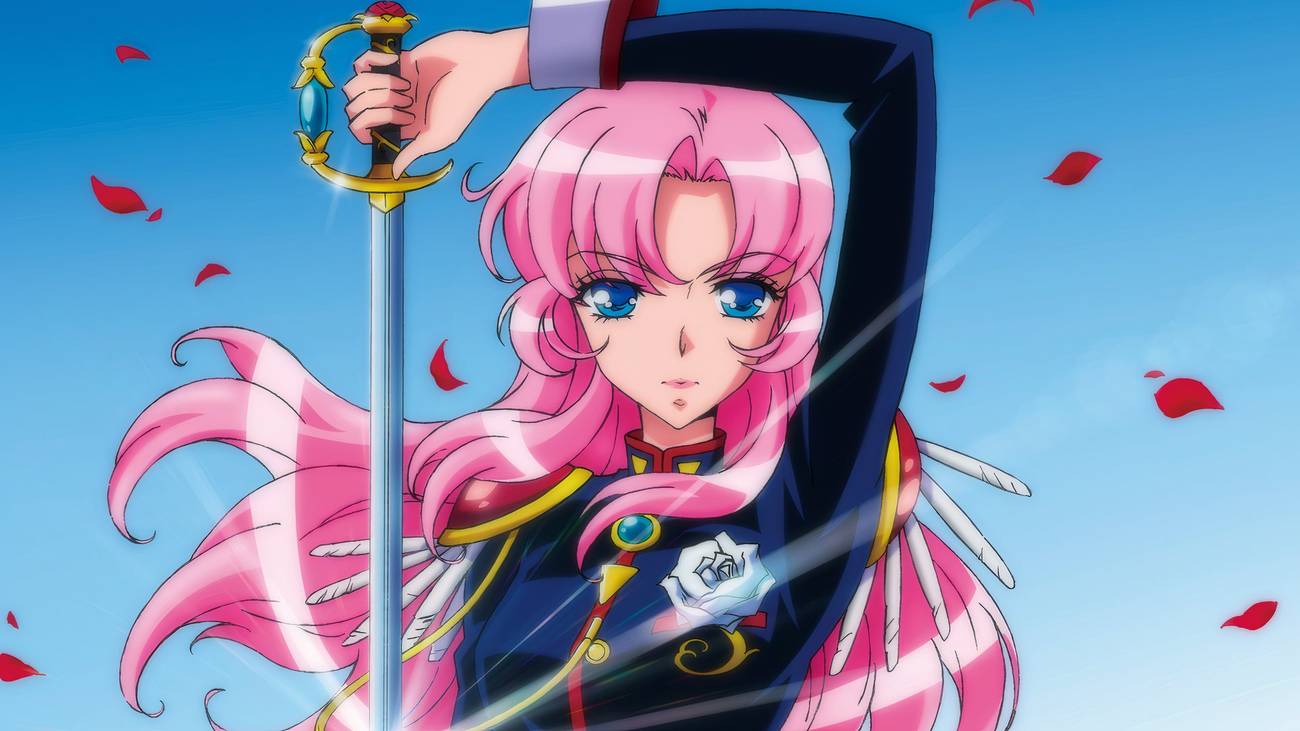
Ikuhara’s comments suggest that the ending of the series—once viewed by some as tragic or ambiguous—is actually a hopeful beginning. By leaving the "casket" of the academy, the characters enter the real world, a journey that Ikuhara views as ongoing for every new generation of viewers.
Implications: The Future of the Magical Girl
The continued relevance of Revolutionary Girl Utena has profound implications for the future of the anime industry and the magical girl genre.
The "Utena Effect" on Western Media
The influence of Utena is clearly visible in the "New Wave" of Western animation. Showrunners like Rebecca Sugar (Steven Universe) and Noelle Stevenson (She-Ra and the Princesses of Power) have cited Utena as a primary influence. This cross-pollination has led to a more diverse and narratively complex landscape in global animation, proving that "girls’ media" can be as intellectually rigorous as any high-concept sci-fi.
A Blueprint for Darker Narratives
While Madoka Magica is often credited with "darkening" the magical girl genre, Utena provided the blueprint. It proved that the genre could handle themes of trauma, manipulation, and societal critique without losing its aesthetic beauty. This has paved the way for modern hits like Wonder Egg Priority and Mahou Shoujo Site, which continue to use the magical girl framework to discuss mental health and social pressures.
The Commercial Viability of "Difficult" Art
The 2026 success of Utena proves that there is a long-term commercial market for "difficult" or "puzzling" narratives. In an age of algorithm-driven content, Utena stands as a reminder that art which requires "viewer input" to be fully understood often has the longest shelf life.
Conclusion: Breaking the World’s Shell
As Revolutionary Girl Utena approaches its 30th anniversary, it remains the "ultimate" magical girl anime because it refuses to offer easy answers. It is a series that demands its audience "break the world’s shell" alongside its protagonist.
In the words of the series’ famous duelist incantation: "If it cannot break its egg’s shell, a chick will die without ever being born. We are the chick; the world is our egg. If we don’t break the world’s shell, we will die without ever being born. Smash the world’s shell! For the Revolution of the World!"
In 2026, the world is finally smashing that shell, and Utena Tenjou is still there, sword in hand, leading the way.