
Author Steven Gellman Unveils "Somewhere in Nowhere," a Debut Novel Tackling Identity, Anxiety, and the Search for Belonging
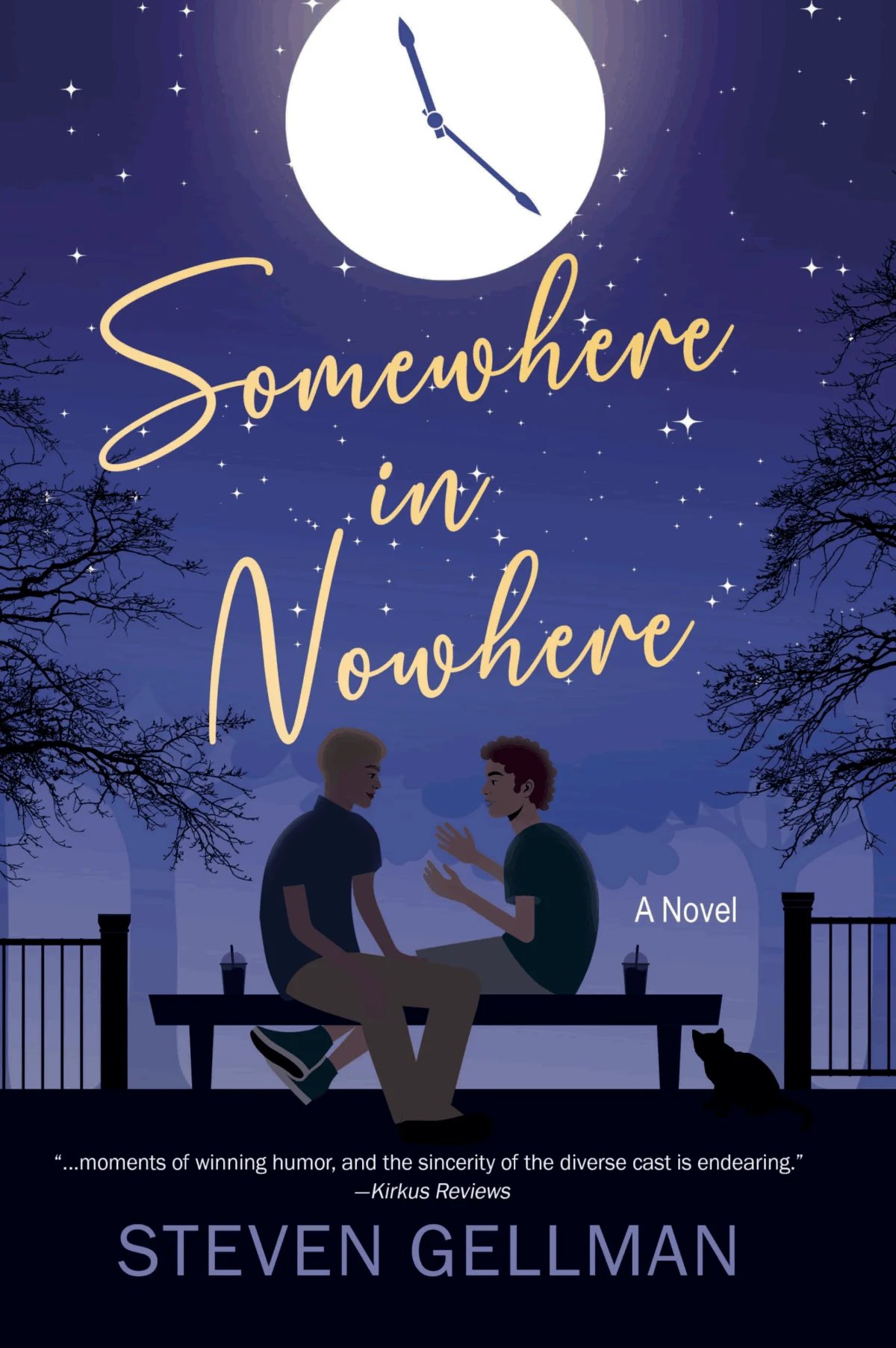
Rockville, MD – April 16, 2026 – In a literary landscape increasingly seeking authentic voices and relatable narratives, author Steven Gellman steps into the spotlight with his debut novel, "Somewhere in Nowhere." The coming-of-age story, poised to resonate with young adult readers and beyond, delves into the complexities of identity, the pervasive grip of anxiety, and the universal quest for acceptance, all through the eyes of its compelling protagonist, Simon Bugg. Gellman, a former award-winning songwriter, draws upon a rich tapestry of personal experience and keen observation to craft a story that is both deeply personal and broadly resonant.
The Genesis of "Somewhere in Nowhere": A Journey of Self-Discovery and Storytelling
"Somewhere in Nowhere" introduces Simon Bugg, a high school senior navigating the tumultuous waters of senior year, a new school, and the daunting prospect of coming out to his two mothers. His carefully laid plans are upended when a significant career opportunity for one of his mothers forces a relocation, transplanting Simon from the familiar comfort of his established friendships to an unfamiliar town and a daunting new academic environment. As he grapples with this upheaval, Simon finds himself torn between his loyalties to his old friends and the burgeoning allure of a diverse group of peers – a "freak and geek" contingent that offers an unexpected sense of belonging.
The narrative takes a romantic turn with the introduction of PJ, a charming classmate Simon meets in drama class. Their burgeoning connection, however, is jeopardized by Simon’s own internal struggles, particularly his conviction that he is facing a life-threatening illness. This perceived ailment, characterized by nightly "alien attacks" at a precise time, becomes a potent metaphor for the debilitating anxiety and panic attacks that plague him. The novel masterfully weaves Simon’s personal journey of self-discovery and romantic pursuit with his internal battle against mental health challenges, creating a narrative that is both emotionally charged and thematically rich.
Gellman’s decision to prioritize diversity in his cast of characters stems from a personal commitment to representation in literature. He aimed to create a vibrant and multifaceted ensemble, mirroring the diverse friendships he experienced during his formative years in Montgomery County, Maryland. This commitment not only enriched the fictional world but also led Gellman on a deeply personal journey of exploration, most notably through his courageous attempt to experience stinky tofu, a dish that becomes a culinary adventure and a symbol of stepping outside one’s comfort zone.
Five Pillars of Inspiration: Gellman’s Lessons Learned
In a candid reflection on the writing process, Gellman outlines five key lessons that shaped "Somewhere in Nowhere":
1. The Surprising Allure of Stinky Tofu: Embracing the Unfamiliar
Gellman’s exploration of cultural diversity led him to the pungent world of stinky tofu, a fermented soybean delicacy popular in East Asia. Initially skeptical, his research into its history and preparation ignited an obsession. This curiosity culminated in a personal taste test at East Dumpling House in Rockville, Maryland, a location serendipitously situated near the fictional high school. The experience, shared with his spouse and friends, proved to be a sensory adventure. While his companions found it challenging, Gellman found himself unexpectedly captivated by its unique flavor. This anecdote underscores his belief that embracing the unfamiliar, even the seemingly unappealing, can lead to rewarding experiences and a deeper understanding of different cultures. It also highlights the novel’s theme of pushing boundaries and exploring new territories, both literally and figuratively.
2. The "Alien" Within: Confronting Anxiety with Honesty
The "alien in my stomach trying to kill me" that Simon experiences is a poignant and powerful metaphor for Gellman’s own struggles with crippling anxiety and panic attacks. He candidly shares that the novel became a vehicle for processing these deeply personal challenges. By laying bare Simon’s internal turmoil, Gellman not only externalizes his own experiences but also offers a vital message of solidarity to readers who may be facing similar mental health struggles. He emphasizes that it is "okay to not be okay" and that acknowledging these challenges is the first step towards overcoming them. The fictional "alien" ultimately serves as a powerful symbol of internalized fear and the courage required to confront it. This theme is particularly resonant in a YA context, where young people are increasingly vocal about mental health concerns.
3. The Enduring Influence of Judy Blume: Crafting Relatable YA
Gellman identifies Judy Blume as a profound influence, citing her ability to tackle "tough, real-life issues" with honesty and empathy. Blume’s books, he explains, provided him with essential life lessons and a sense of not being alone during his youth. This inspiration directly informs Gellman’s own writing philosophy: to create Young Adult fiction that grapples with significant challenges, encouraging readers to "feel all the feels" – to laugh and cry, mirroring the multifaceted nature of real life. The "dark-meets-light" writing style, a hallmark of his approach, aims to provide readers with a cathartic and authentic experience, much like the impact Blume’s work had on him. This connection to a literary icon of relatable storytelling adds significant weight to Gellman’s authorial intent.
4. From Dungeon Master to Novelist: The Unexpected Path to Storytelling
The genesis of Gellman’s writing career wasn’t a sudden revelation but a gradual unfolding. A pivotal moment occurred at the Gaithersburg Book Festival, where a casual encounter with a representative from The Writer’s Center sparked a realization: his background as a singer-songwriter, with its inherent storytelling component, qualified him as a writer. This insight, coupled with the pandemic’s disruption of his performing career, propelled him to finally commit to writing his novel. Despite past academic struggles and a self-perception as a daydreamer, Gellman discovered that his lifelong passion for books and his extensive experience as a Dungeon Master for Dungeons & Dragons had unknowingly equipped him with the essential skills of a storyteller. He learned about pacing, foreshadowing, and clue-planting through crafting elaborate game worlds and narratives, skills directly transferable to novel writing. This narrative of unexpected self-discovery adds a compelling layer to his authorial journey.
5. Taiwanese vs. Jewish Guilt: Navigating Cultural Identity
Representation extends to cultural and religious identity, and Gellman makes a conscious choice to imbue Simon with both a gay and Jewish identity. He draws upon his own lived experiences to authentically portray these facets of Simon’s character. While acknowledging that he and Simon are not identical, Gellman highlights their shared experiences and perspectives. The novel explores the complexities of coming out and the comfort found in cultural traditions, particularly during challenging times. The humorous dialogue about "Taiwanese family guilt" versus "Jewish family guilt" underscores Gellman’s nuanced understanding of how cultural legacies shape individuals and communities. This emphasis on "own voices" in literature is a crucial element of his storytelling, ensuring authenticity and resonance for readers who share similar backgrounds.
The "Bonus Thing": Toast and Tea as Metaphors for Resilience
Beyond the five core lessons, Gellman offers a "Bonus Thing" that encapsulates his overarching philosophy of resilience and creative adaptation. He uses the simple metaphor of transforming "bread and water" into "toast and tea" to illustrate how even in seemingly unpromising circumstances, one can find comfort, sustenance, and opportunity. This extends to various life challenges: losing work can lead to unexpected gifts of time, and sleepless nights fueled by anxiety can be channeled into powerful art. The ultimate takeaway is a powerful call to action: "put the kettle on, toast the bread, and write your truth." This message of embracing limitations and transforming them into strengths is a potent and inspiring conclusion to his reflections.
A Legacy of Authentic Storytelling
Steven Gellman’s debut novel, "Somewhere in Nowhere," arrives as a testament to his journey as a storyteller. Drawing inspiration from literary forebears like Judy Blume and his own multifaceted experiences as a songwriter and Dungeon Master, Gellman crafts a narrative that is both timely and timeless. His commitment to authentic representation, particularly for LGBTQ+ voices, and his unflinching exploration of mental health challenges position him as a significant new voice in Young Adult literature. As he continues to champion queer storytelling, Gellman’s work promises to offer solace, understanding, and inspiration to a generation navigating the complexities of identity and belonging in an ever-evolving world. His debut marks not just the release of a book, but the emergence of a writer dedicated to sharing his truth, one page at a time.



Leave a Comment