
Magic, Mandrakes, and Mid-Century Modern: An In-Depth Look at ‘Design and Conjure’
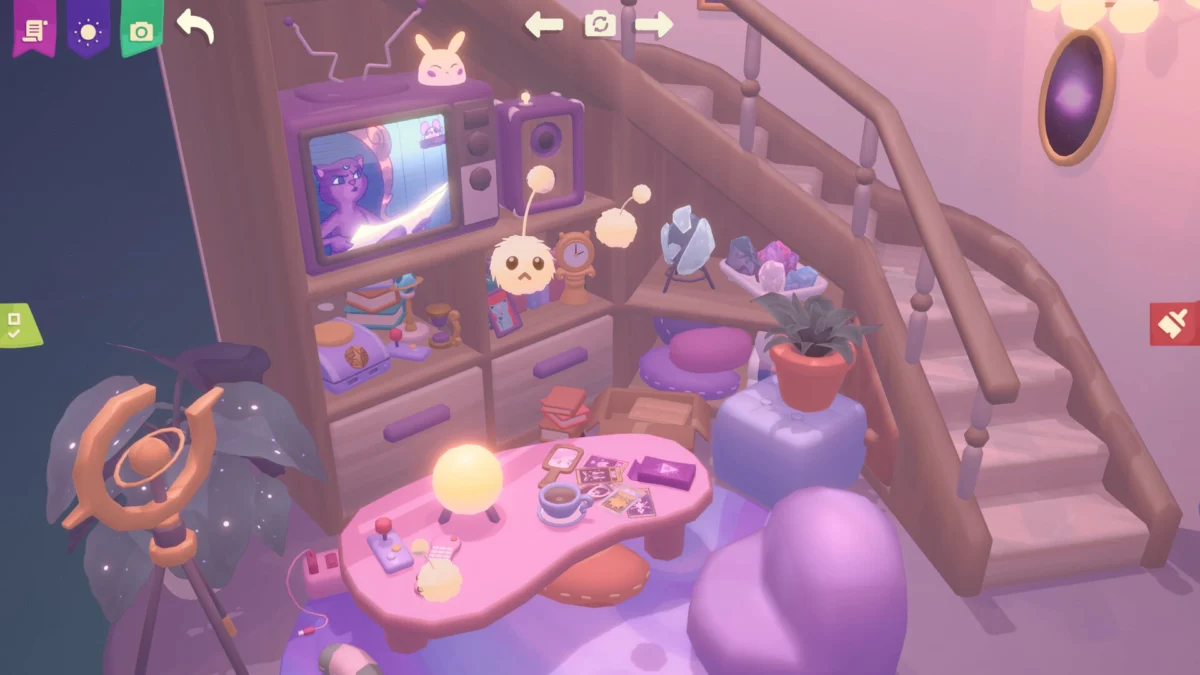
The indie gaming landscape has witnessed a significant shift over the last five years, moving away from high-octane, stress-inducing mechanics toward what is now affectionately termed "cozy gaming." Within this burgeoning sub-genre, the act of organization—once considered a household chore—has been transformed into a meditative art form. Joining the ranks of titles like Unpacking and A Little to the Left is the upcoming title Design and Conjure, a light puzzle game that blends the satisfaction of interior design with the whimsical lore of sorcery.
Currently in development and slated for a late summer 2026 release, Design and Conjure offers a unique narrative hook: the life of a recent graduate from a prestigious sorcerous academy. As players step into the robes of this fledgling witch, they are tasked with the daunting yet delightful challenge of setting up their first magical home.
Main Facts: The Core of the Conjuring
At its heart, Design and Conjure is a spatial puzzle game that emphasizes player agency and aesthetic expression. Developed with a focus on low-stakes gameplay, the title eschews traditional "fail states" or punishing timers in favor of a relaxing, creative experience.
The Premise
The player character is a young witch who has just completed her "higher sorcerous education." Like many post-graduates, she is standing on the precipice of her professional journey. However, before she can begin brewing potions for the local village or enchanting the local wildlife, she must first contend with the contents of her moving boxes. The game serves as a bridge between her academic life and her new career, using the medium of interior design to tell a story of transition and personal growth.
Key Features
- Unpacking and Organization: Players move from room to room, opening boxes and finding the "correct" or most aesthetically pleasing spot for various magical and mundane items.
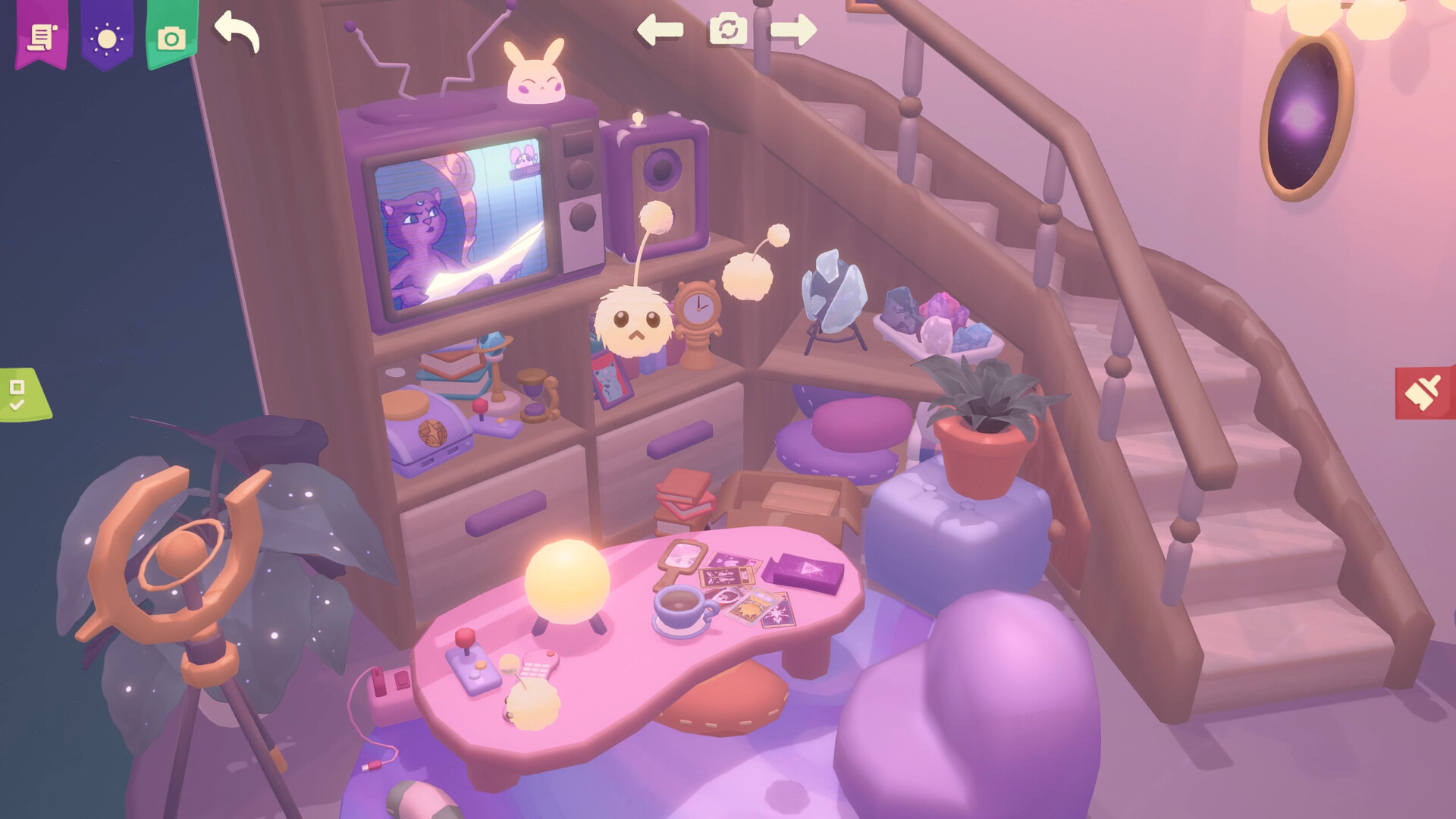
- Deep Customization: Unlike many of its predecessors in the organization genre, Design and Conjure allows players to change the color and style of items. This adds a layer of "Sims-lite" creativity to the puzzle mechanics.
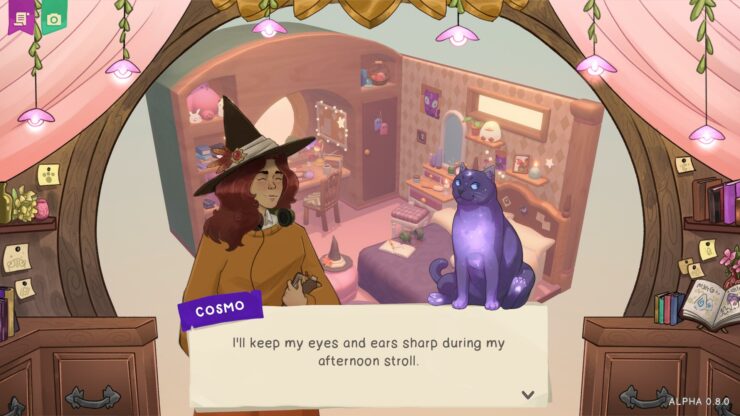
- The Familiar System: Interaction with "Cosmo," a glowing cat and magical familiar, provides narrative flavor and companionship between levels.
- Lo-Fi Atmosphere: A dedicated cassette player UI element allows players to control their musical environment, leaning into the "cozy" aesthetic that has become a staple of the genre.
Chronology: From Academy to August 2026
The journey of Design and Conjure is one of both in-game narrative progression and real-world development milestones. Understanding the timeline of the game provides insight into its scope and the developer’s commitment to a polished final product.
The Narrative Timeline
- The Graduation: The story begins immediately following the protagonist’s graduation from a sorcerous institution. This setup provides an immediate sense of "homecoming" and "new beginnings."
- The Homecoming: The player returns to a familial or personal space that is currently a blank slate (or a cluttered mess), representing the chaos of a life in transition.
- The Unpacking Process: Level by level, the player moves through various rooms—kitchens for potion brewing, bedrooms for rest, and studies for spell research.
- Establishing a Career: As rooms are completed, the narrative implies the witch is becoming more established in her new life, moving from a student to a practitioner.
The Development Timeline
- Early Development: The game entered active development following the rise of the "cozy organization" trend, seeking to fill a niche for those who wanted more customization than previous genre leaders offered.
- The Demo Phase: A playable demo was recently released on Steam, allowing players to experience the first few rooms and test the customization mechanics. This phase has been crucial for gathering player feedback on the UI and the "Cosmo" character design.
- The Polish Phase (Ongoing): The developers are currently refining the asset quality and expanding the item library.
- August 2026 Release: The full version of Design and Conjure is scheduled to launch in August 2026, a date that suggests a significant amount of content and a high level of technical stability.
Supporting Data: The Mechanics of Cozy Design
To understand why Design and Conjure is gaining traction among indie enthusiasts, one must look at the specific data points of its gameplay mechanics and how they compare to the broader market.
Spatial Puzzles and Requirement Lists
While the game is "low-stakes," it is not without structure. Each room comes with a list of requirements. These are not merely suggestions; they act as the "puzzle" elements. For example, a player may be required to place all "herbology books" on a specific shelf or ensure that the "scrying orb" has a clear view of the window.
This "Requirement List" serves several functions:
- Guidance: It prevents "analysis paralysis" by giving the player a starting point.
- Narrative Clues: The items themselves—and where they "belong"—tell the player about the witch’s history and personality.
- Difficulty Scaling: While early rooms are straightforward, later rooms involve more complex spatial reasoning to fit all required items into limited square footage.
The Customization Metric
The standout feature noted by early testers is the ability to change item colors. In traditional organization games, an item’s appearance is fixed to ensure it fits a specific "intended" look for the room. Design and Conjure breaks this mold. By allowing color swaps, the game increases its "replayability" and "shareability" (players are more likely to share screenshots of a room that feels uniquely theirs).
UI/UX and Sensory Feedback
The inclusion of the cassette player is a deliberate design choice. In the "cozy" genre, sensory feedback—the sound of a box opening, the "thud" of a book hitting a table, and the background music—is just as important as the visual gameplay. The cassette player allows for a tactile interaction with the game’s soundtrack, enhancing the "lo-fi" vibes that the target demographic typically enjoys.
Official Responses and Market Context
While the developer has remained relatively quiet regarding specific plot spoilers, the release of the demo and the trailer serves as an official statement of intent. The indie community has responded with particular interest to the 2026 release window, which is unusually far out for a "light" puzzle game.
Addressing the "Unpacking" Comparison
Industry analysts have noted that Design and Conjure is clearly influenced by the 2021 hit Unpacking. However, the official response from the game’s design—as seen in its trailers—suggests a move toward "Customization over Rigidness." Where Unpacking was a story told through the items themselves with very specific "correct" placements, Design and Conjure seems to favor the player’s personal style.
The Role of "Cosmo"
Feedback from the demo has centered heavily on Cosmo, the cat familiar. Early players have expressed a desire for the cat’s in-game sprite to match the high-quality art seen in the dialogue portraits. This type of community-driven feedback is common in the indie scene, and developers often use the long lead time before release (in this case, nearly two years) to harmonize these visual elements.
Implications: The Future of Sorcerous Simulators
The development of Design and Conjure carries several implications for the indie gaming industry and the "cozy" sub-culture.
The Longevity of the Cozy Genre
Critics once dismissed organization games as a fleeting trend. However, the 2026 release date for Design and Conjure suggests that developers and publishers see long-term viability in this market. It indicates that "low-stress" gaming is becoming a permanent fixture of the industry rather than a temporary reaction to global stressors.
The "Witchy" Aesthetic as a Brand
The "witchy" or "cottagecore" aesthetic remains one of the most powerful visual styles in indie media. By combining this with a proven gameplay loop (unpacking), the developers are tapping into a cross-section of audiences: puzzle lovers, interior design enthusiasts, and fans of fantasy tropes.
Expectations for the 2026 Launch
With a release date still significantly far in the future, the implications for the final product are high. Players expect a vast array of items, a deep and moving narrative regarding the witch’s journey, and a flawlessly polished UI. If Design and Conjure can deliver on its promise of a "personalized" organization experience, it could set a new standard for how these games balance player freedom with puzzle-solving.
In conclusion, Design and Conjure is more than just a game about putting away books and crystal balls. It is a testament to the evolving nature of digital relaxation. By offering a space where players can curate their environment down to the last color-coded potion bottle, it promises a magical escape that is both organized and deeply personal. As the industry looks toward August 2026, all eyes will be on this young witch and her glowing cat to see if they can truly conjure a new classic in the cozy gaming canon.


Leave a Comment