
The Analog Renaissance: Why Wired In-Ear Monitors are Dominating High-Fidelity Audio in 2026
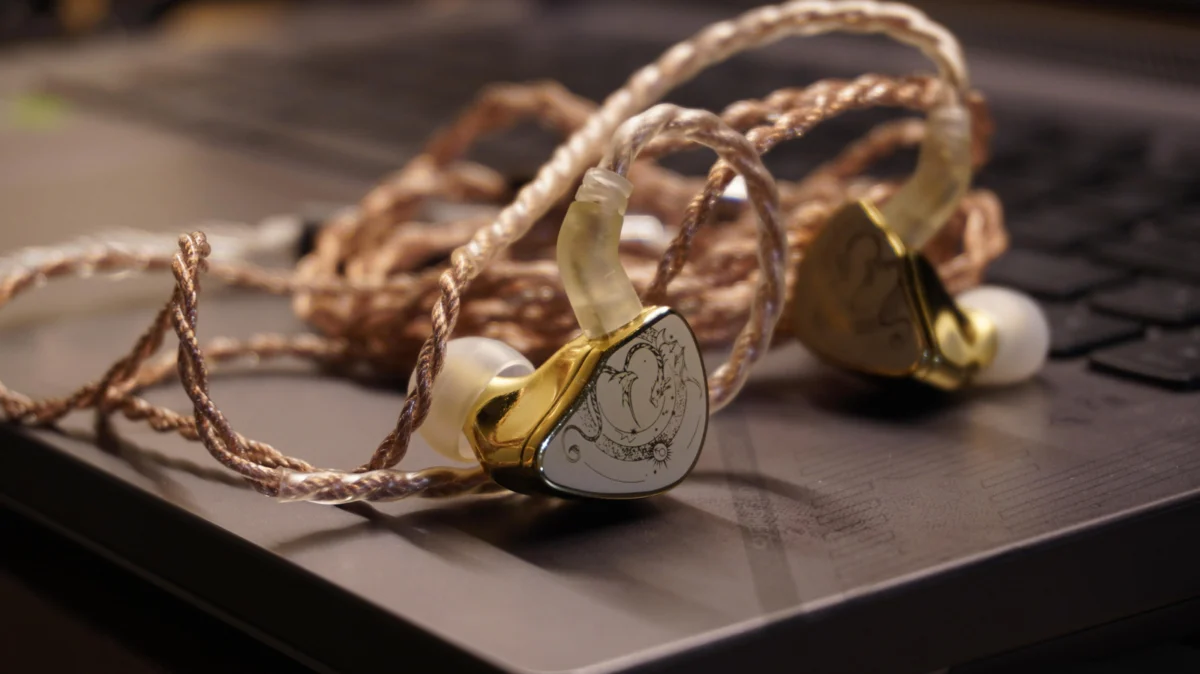
In an era defined by the seamless convenience of wireless connectivity and the ubiquity of True Wireless Stereo (TWS) earbuds, a surprising counter-culture has solidified its presence in the consumer electronics market. As we move through 2026, the predicted "death of the wire" has not only failed to materialize but has been met with a sophisticated resurgence. While the average commuter may still reach for their AirPods, a growing demographic of audiophiles, professional creators, and "intentional listeners" are returning to the physical tether.
The reasons for this shift are multifaceted, ranging from the objective limitations of Bluetooth bandwidth to a broader cultural movement toward "slow tech"—products that prioritize longevity and performance over disposable convenience. This report examines the state of high-end wired audio in 2026 and provides a deep dive into the five in-ear monitors (IEMs) currently defining the gold standard for portable fidelity.
The Chronology of the Wired Resurgence (2016–2026)
To understand why wired earbuds remain a pinnacle of technology in 2026, one must look back at the decade-long tension between convenience and quality. The catalyst for the wireless revolution was the removal of the 3.5mm headphone jack by major smartphone manufacturers circa 2016. This forced a massive migration toward Bluetooth technology.
However, by 2022, a plateau in wireless audio quality became evident. Despite the development of advanced codecs like LDAC and aptX Lossless, Bluetooth transmission remained a "lossy" medium, incapable of delivering the full bit-depth and sample rate of high-resolution masters found on platforms like Tidal and Apple Music.
By 2024, the "dongle life" had become normalized, and third-party manufacturers began producing high-quality portable DACs (Digital-to-Analog Converters) that allowed smartphones to interface with high-impedance wired gear. This set the stage for 2026, where wired IEMs are no longer seen as "retro" or "obsolete," but as precision instruments for those who refuse to compromise on the integrity of their soundstage.
Supporting Data: The Technical Superiority of the Wire
The primary driver behind the wired movement is the elimination of data compression. Even in 2026, wireless earbuds must compress audio data to fit within the narrow bandwidth of Bluetooth signals. This results in the loss of "micro-details"—the subtle reverb of a recording room, the grit of a bow on a cello string, or the precise spatial positioning of instruments in a 360-degree mix.
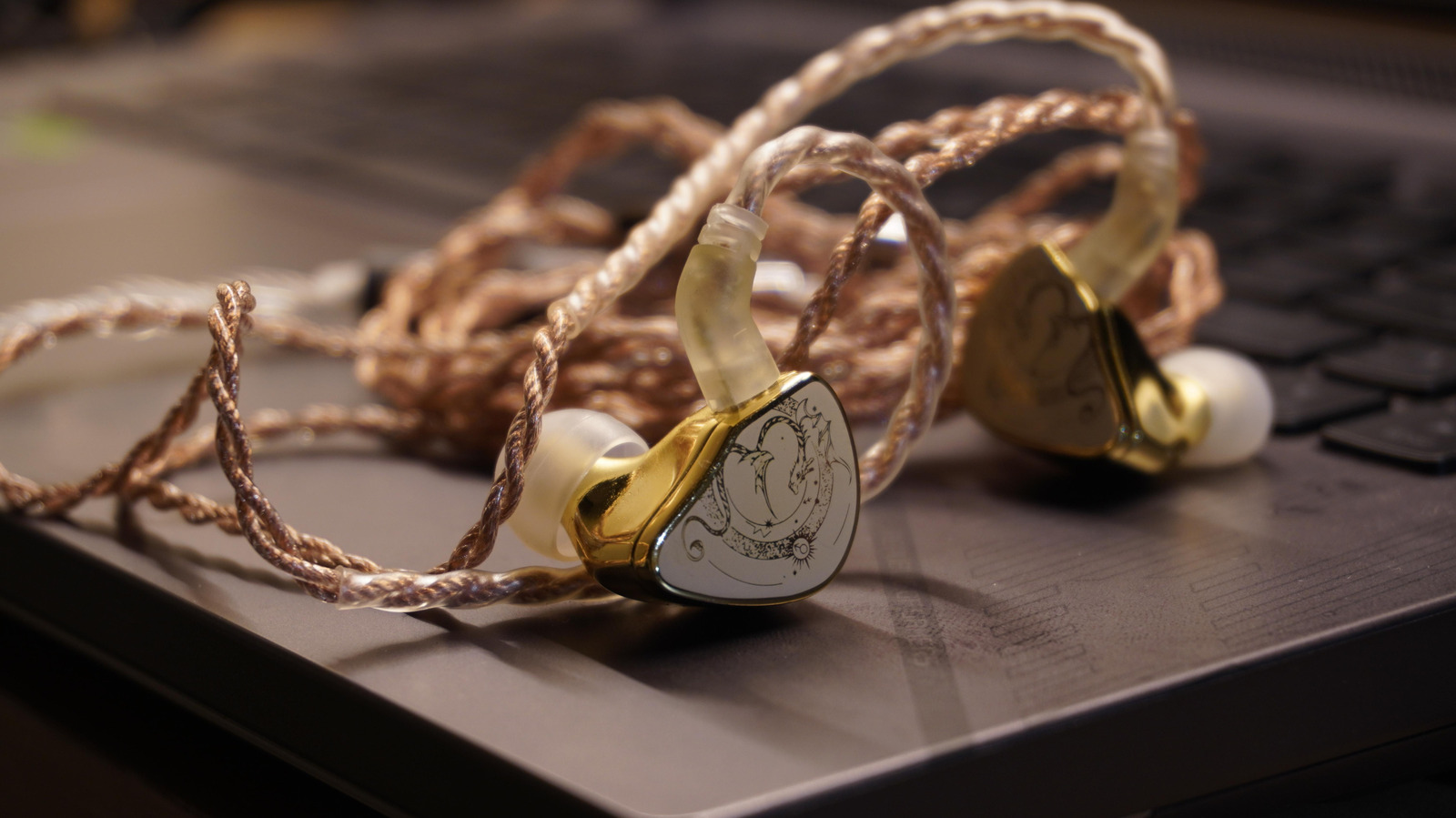
Furthermore, wired IEMs offer three distinct advantages:
- Zero Latency: Critical for musicians and gamers, where a 50ms delay can ruin a performance or a match.
- Infinite Battery Life: Wired earbuds draw passive power from the source, eliminating "battery anxiety" and the chemical waste of disposable lithium-ion cells.
- Multi-Driver Complexity: Without the need to cram batteries and Bluetooth chips into the earbud shell, engineers can dedicate every millimeter of space to acoustic drivers and crossovers.
The Top 5 Wired IEMs Defining Audio Excellence in 2026
Based on consumer sentiment, acoustic engineering, and expert benchmarks, the following five models represent the best the industry has to offer across various price points.
1. HiFiGO Juzear Defiant: The Aesthetic Powerhouse
The Juzear Defiant represents a unique trend in 2026: the "Reviewer-Manufacturer Partnership." Conceived alongside the prominent audiophile community figure Z Reviews, the Defiant is as much a visual statement as a sonic one.
- The Hardware: It utilizes a sophisticated four-driver array. A dedicated dynamic driver handles the low-end "slam," while three balanced armature drivers are meticulously tuned for mid-range clarity and high-frequency sparkle.
- The Build: The 3D-printed resin cavity is CNC-milled and features a "rainbow" faceplate that shifts color in the light.
- The Sound: The Defiant is tuned for a "fun" but balanced signature. It emphasizes a wide stereo spread, making it ideal for orchestral pieces and complex electronic music where spatial imaging is paramount.
2. Tin HiFi T2 MKIII: The Budget Reference Standard
For a decade, Tin HiFi has held a reputation for "punching above its weight class." The T2 MKIII is the 2026 iteration of this philosophy, priced under $50 but offering performance that rivals $200 wireless alternatives.
- The Hardware: Dual-dynamic drivers featuring a composite-material diaphragm. This setup is designed for high sensitivity, meaning it can be driven to high volumes by a standard smartphone without the need for an external amplifier.
- The Build: An all-aluminum shell provides a lightweight yet industrial feel.
- The Compromise: To keep costs low, the stock foam tips and cable are functional but basic. Many users in 2026 treat the T2 as a "modding platform," immediately swapping the cable for a high-purity copper version to squeeze out every drop of performance.
3. Shure SE425 PRO: The Professional’s Choice
Shure remains the titan of the "Prosumer" space. The SE425 PRO is not a consumer toy; it is a tool designed for stage monitoring that has found a second life as a high-fidelity daily driver.
- The Hardware: Dual High-Definition MicroDrivers. Unlike the "v-shaped" sound (heavy bass and treble) of consumer brands, the SE425 is tuned for accuracy. It provides a flat, clinical response that allows the listener to hear exactly what the recording engineer intended.
- The Build: The iconic clear plastic enclosure is designed for "disappearing" against the ear. Its over-the-ear cable design provides a secure fit that is virtually impossible to dislodge, even during vigorous movement.
- Value Proposition: Shure includes a robust accessory kit, reinforcing the idea that this is a long-term investment rather than a disposable tech gadget.
4. Campfire Audio Iris: The Boutique Luxury Experience
Based in Portland, Oregon, Campfire Audio is the "Bentley" of the IEM world. While they produce models costing upwards of $3,000, the Iris is their 2026 entry into the "attainable luxury" market.
- The Hardware: A 10mm carbon dynamic driver paired with a custom-tuned balanced armature. This hybrid approach ensures that the bass has a physical, visceral feel while the highs remain airy and crystalline.
- The Build: 3D-printed with metallic accents, the Iris feels like a piece of jewelry.
- The Pedigree: Audiophiles choose Campfire for their unique "house sound"—a combination of warmth and extreme detail that is difficult for mass-market manufacturers to replicate.
5. Sennheiser IE 200: The Purist’s Single-Driver Marvel
While other brands compete on the number of drivers they can cram into an earbud, Sennheiser’s IE 200 doubles down on the perfection of a single, high-quality source.
- The Hardware: A single 7mm TrueResponse transducer. Sennheiser argues that a single driver eliminates the "phase issues" (timing misalignments) that can occur when multiple drivers try to work together.
- The Design: Eschewing the flashy resins of competitors, the IE 200 is utilitarian and matte black. Its adjustable ear hooks are among the most comfortable in the industry, designed for multi-hour listening sessions without fatigue.
- The Sound: It offers a neutral, "audiophile-grade" signature that focuses on natural timbre—making voices and acoustic instruments sound startlingly real.
Official Responses and Expert Consensus
Industry experts suggest that the continued success of these wired models is a direct response to "planned obsolescence." A pair of Shure or Sennheiser wired earbuds can last 15 to 20 years if the cable is maintained. In contrast, TWS earbuds have a hard expiration date: once the tiny internal batteries degrade (usually within 3 years), the entire unit becomes e-waste.
"We are seeing a ‘Vinyl-ization’ of personal audio," says Dr. Aris Thorne, a leading acoustic consultant. "People are realizing that a physical connection isn’t a burden; it’s a guarantee of quality. In 2026, wearing a wired IEM is a signal that you care about the art of the music, not just the convenience of the playback."
Implications: The Future of the Portable Audio Market
The survival and growth of the wired earbud market in 2026 have several long-term implications for the tech industry:
- The Modular Economy: Most of the IEMs on this list feature detachable cables (using MMCX or 2-pin connectors). This modularity is becoming a consumer expectation, forcing brands to move away from sealed, unrepairable designs.
- The Rise of the "DAP": High-end Digital Audio Players (DAPs)—standalone devices that look like thick smartphones but are dedicated entirely to music—are seeing record sales. Users are increasingly separating their "communication device" (phone) from their "listening device."
- Pressure on Bluetooth Standards: The success of wired audio is forcing the Bluetooth Special Interest Group (SIG) to accelerate the development of higher-bandwidth standards. If wireless ever wants to truly replace the wire, it must match the 2,304 kbps bitrates that wired audiophiles currently enjoy.
Conclusion
As we look toward the latter half of the decade, the wired earbud stands as a testament to the endurance of analog physics in a digital world. Whether it is the budget-friendly Tin HiFi T2 MKIII or the luxurious Campfire Audio Iris, these devices offer something that wireless technology, for all its magic, still cannot: a perfect, unadulterated, and permanent bridge between the artist’s soul and the listener’s ear. In 2026, the wire is not a leash—it is a lifeline to high-fidelity truth.



Leave a Comment