
The XR Evolution: Ecosystem Wars, Ethical Crises, and the Community-Led Renaissance
The extended reality (XR) landscape is currently undergoing a period of intense structural realignment. As the industry moves into the second quarter of 2026, the narrative has shifted from mere hardware specifications to a broader battle over software ecosystems, ethical data practices, and the democratization of immersive content. This week’s developments—ranging from Google’s impending Android XR reveal and Valve’s aggressive hardware ramp-up to the fallout of Meta’s data-labeling scandal in Kenya—highlight a sector that is maturing through both innovation and controversy.
Main Facts: The State of Play in May 2026
The core of this week’s industry movement centers on three major pillars: the expansion of the Android XR ecosystem, Valve’s resurgence as a hardware powerhouse, and a growing debate over the viability of high-end headsets versus community-driven software solutions.
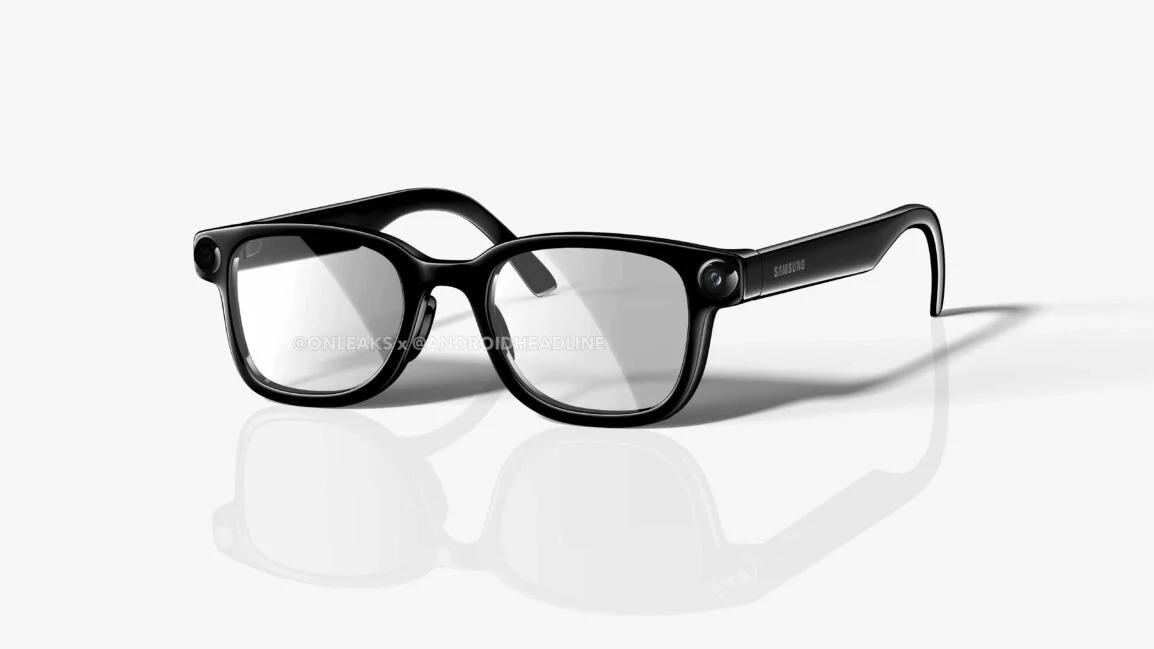
First, Google is poised to reclaim its position in the XR space. After years of relative dormancy following the sunsetting of Daydream, the tech giant is reportedly preparing to unveil the "Android XR" runtime and SDK. This software layer is designed to power a new generation of smartglasses, most notably those developed in partnership with Samsung and Warby Parker.
Second, Valve Corporation has signaled a massive shift in its production strategy. Following the unexpected logistical success of the Steam Controller’s re-release, the company has begun importing significant volumes of hardware, rumored to be the "Steam Frame" (a dedicated XR peripheral) and the "Steam Machine" (a localized gaming hub).
Finally, the industry is grappling with a severe ethical crisis. Reports from Kenya indicate that whistleblowers who exposed Meta’s practice of using human contractors to manually review private user data from AI-enabled smartglasses have been terminated. This has reignited concerns regarding the "hidden human cost" of artificial intelligence and the transparency of data privacy in wearable tech.

Chronology of Events
The momentum of the past fortnight suggests a coordinated push by major players to set the stage for the second half of the fiscal year:
- May 4, 2026: Leaked images of Samsung’s upcoming XR glasses surface, suggesting a design focused on "all-day wearability" rather than the bulky form factor of traditional VR headsets.
- May 7, 2026: Developer Yannick Comte announces the release of "OpenXR OSX," a community-led runtime designed to bypass Apple’s walled garden and allow PCVR content to run on Mac hardware.
- May 8, 2026: Valve officially reopens pre-orders for the Steam Controller, implementing a new "one-per-customer" queue system to combat scalpers and manage inventory.
- May 10, 2026: Reports emerge from Nairobi regarding the termination of the Sama workforce, the primary moderation partner for Meta’s AI services in the region.
- May 11, 2026: The "Creature Feature & Friends" showcase reveals a slate of upcoming titles, including the highly anticipated H3VR 2, signaling a renewed focus on cross-platform compatibility between PCVR and standalone headsets like the Quest 3.
Supporting Data: Ecosystem Growth and Market Shifts
The health of the XR market is increasingly being measured by user engagement rather than just unit sales. VRChat, the leading social VR platform, recently released statistics showing a significant surge in concurrent users. Notably, the platform has seen a 40% year-over-year growth in the Japanese market, suggesting that social VR is finding a permanent foothold in East Asian digital culture.
In the hardware sector, Valve’s import records—tracked by industry analysts—show a 200% increase in "game console" shipments compared to the previous quarter. This suggests that the "Steam Frame" and "Steam Machine" are likely past the prototyping stage and moving into mass distribution.
Conversely, the high-end "Pro" segment is facing headwinds. Analysts point to Apple’s decision to release an M5-based refresh of the Vision Pro, rather than a full "Vision Pro 2," as evidence of a market correction. While the Vision Pro remains a technological marvel, sales figures have allegedly underperformed initial internal projections, leading to a broader industry debate about the price elasticity of spatial computing devices.
Official Responses and Corporate Stances
The reactions from the industry’s "Big Three"—Meta, Google, and Valve—provide a window into their respective corporate cultures.

Meta and the Sama Controversy
In response to the termination of Kenyan workers, Meta issued a statement claiming that its partner, Sama, failed to meet "evolving operational standards." However, Sama representatives have countered this, asserting that their performance metrics remained high and that the contract termination was a direct result of the privacy leaks reported by Swedish and British media. Meta’s stance emphasizes "secrecy and security," a move interpreted by many as a warning to future whistleblowers within the global AI supply chain.
Google’s Strategic Silence
Google has remained characteristically tight-lipped ahead of "The Android Show" and its upcoming developer events. However, internal sources suggest the company is pivoting toward an "open ecosystem" model, positioning Android XR as the direct competitor to Apple’s visionOS. By partnering with Samsung for hardware and Warby Parker for lifestyle-oriented frames, Google aims to avoid the "social isolation" stigma currently plaguing bulkier VR headsets.
Valve’s Consumer-First Logistics
Valve has taken a pragmatic approach to its hardware rollout. By utilizing an email-based queue system for the Steam Controller, the company aims to avoid the "out of stock" frustration that marred the launch of the original Steam Deck. This "controlled release" strategy is expected to be the blueprint for the upcoming Steam Frame launch.
Implications for the Future of XR
The current landscape suggests several long-term trends that will define the industry through 2027:
1. The Democratization of Content
Tools like "Portal VR Motion," which allows users to play VR-exclusive titles like Half-Life: Alyx on flat screens using Joy-Cons, are bridging the gap for those who cannot afford or physically tolerate VR headsets. While purists argue that this dilutes the "immersive" nature of the medium, it significantly expands the potential audience for developers. The success of OpenXR OSX similarly indicates that the community will continue to build bridges where manufacturers build walls.

2. The Ethical AI Paradox
The Meta/Sama scandal highlights a burgeoning crisis: as XR devices become more reliant on AI to interpret the world around the user, the need for human-in-the-loop training increases. If this training involves manual review of sensitive user data (including naked images or financial information captured by smartglasses), the industry faces a looming regulatory backlash. The firing of whistleblowers in Kenya may solve a short-term PR problem for Meta, but it exposes a systemic vulnerability in how "spatial data" is handled.
3. The "Vision Pro" Effect and Press Skepticism
The viral "venting" within the XR community regarding mainstream tech journalism (specifically targeting figures like Mark Gurman) reflects a deep-seated anxiety. There is a fear that negative press coverage is creating a self-fulfilling prophecy of "VR is dead." However, the reality is more nuanced. The industry is not dying; it is bifurcating. One path leads to ultra-expensive, high-fidelity spatial computers, while the other leads to affordable, AI-driven smartglasses and community-supported open platforms.
4. Technical Innovation in Components
Beyond the headlines, significant progress is being made in the underlying technology. XPANCEO’s announcement of solid-state batteries for smart contact lenses and TCL’s showcase of high-density micro-LED displays at Display Week 2026 indicate that the hardware "bottleneck" is slowly being cleared. These components will eventually allow for the slim, high-resolution devices that have been promised for a decade.
Conclusion
The XR industry in mid-2026 is a study in contrasts. It is a field of immense technical creativity, evidenced by community developers bringing VR to the Mac and creating new ways to play without headsets. Simultaneously, it is an industry facing a reckoning over labor practices and data ethics.
As Google prepares to launch its Android XR offensive and Valve readies its next generation of hardware, the focus is shifting away from "if" XR will become mainstream and toward "how" it will be governed and accessed. The coming ten days, filled with developer reveals and hardware pre-orders, will likely be remembered as the moment the industry moved past its "early adopter" phase and into a more complex, contested, and ultimately more mature era of spatial computing.



Leave a Comment