
Healing in High Definition: The Metropolitan Museum of Art and BAND-AID Redefine First Aid Through Masterpiece Collaborations
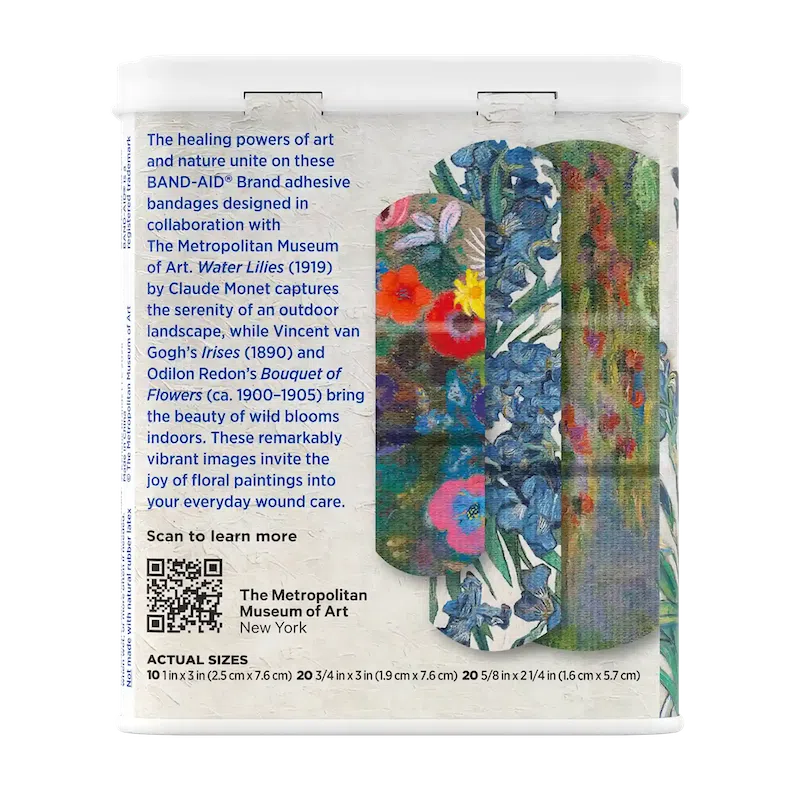
NEW YORK — In an era where the intersection of wellness and aesthetics is increasingly prioritized by consumers, a landmark partnership between the world’s most iconic first-aid brand and one of the globe’s premier cultural institutions is turning minor injuries into opportunities for artistic expression. BAND-AID® Brand, a staple of the Johnson & Johnson consumer health portfolio (now under Kenvue), has officially unveiled its latest collaboration with The Metropolitan Museum of Art (The Met). The new collection features floral-themed adhesive bandages adorned with details from legendary works by Claude Monet, Vincent van Gogh, and Odilon Redon, marking a significant step in the "democratization of art" through everyday utility.
Main Facts: Masterpieces in the Medicine Cabinet
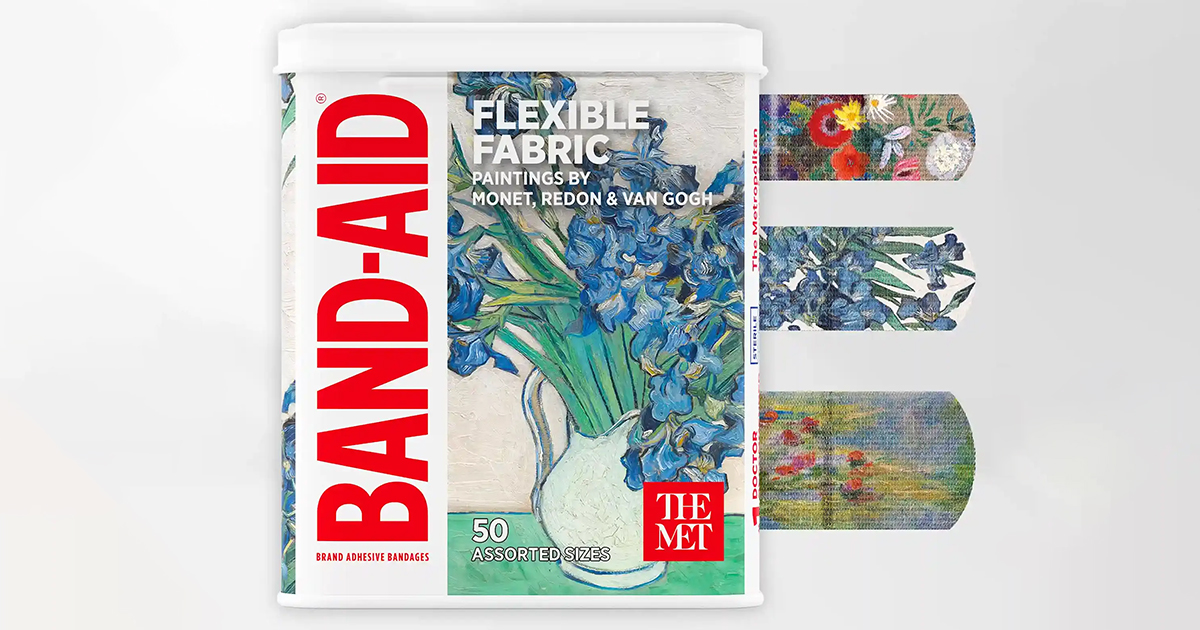
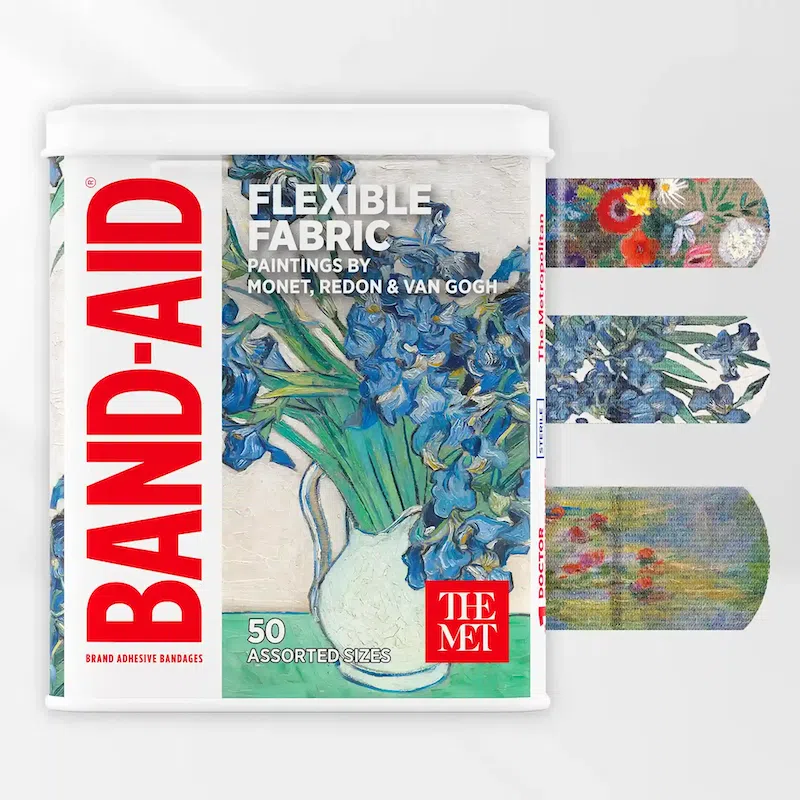
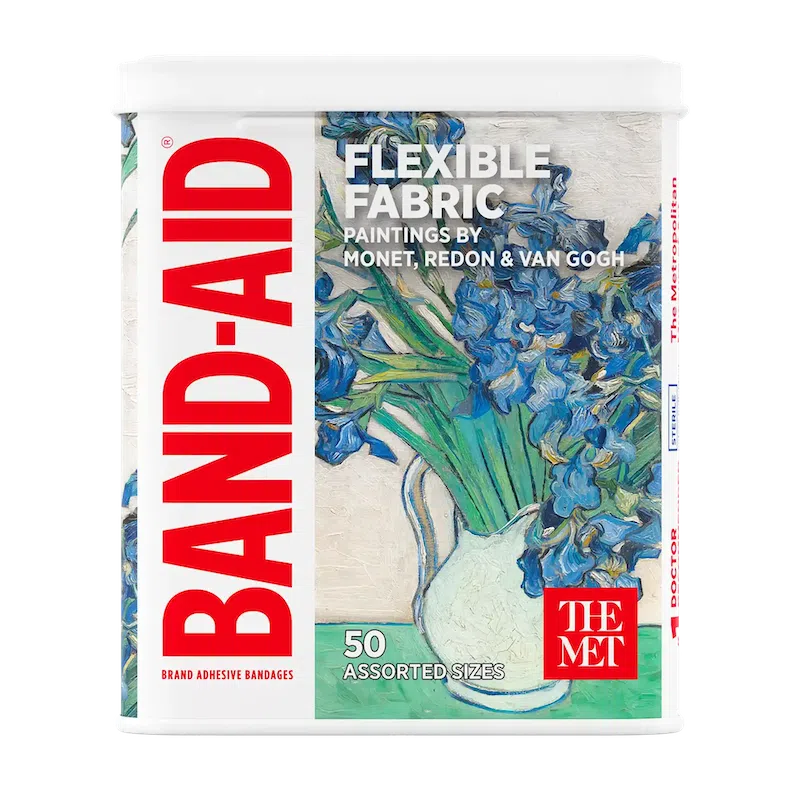
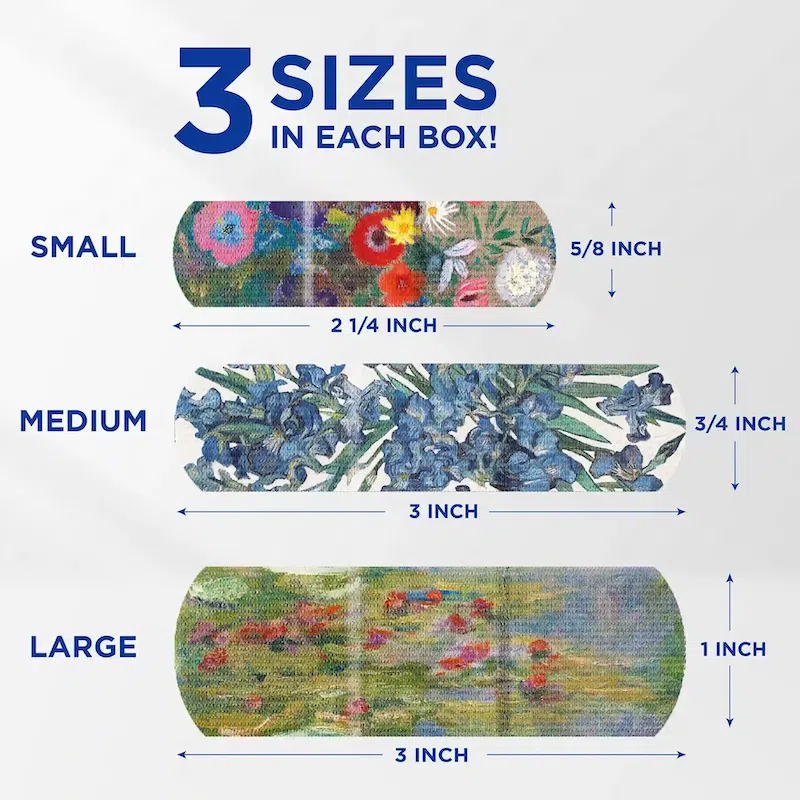
The centerpiece of this collaboration is a curated 50-pack of adhesive bandages, designed to offer more than just physical protection. By integrating high-resolution details from The Met’s vast archives, the partnership aims to provide "aesthetic comfort" alongside clinical care. The collection focuses on three specific masterpieces:
- Claude Monet’s Water Lilies: Representing the pinnacle of French Impressionism, these designs capture the serene greens and blues of Monet’s Giverny garden, offering a calming visual for those recovering from minor scrapes.
- Vincent van Gogh’s Irises: Painted during the artist’s time at the asylum in Saint-Rémy-de-Provence, these bandages feature the vibrant, rhythmic blues and violets that have made Van Gogh a household name.
- Odilon Redon’s Bouquet of Flowers: A nod to the Symbolist movement, Redon’s work brings a more ethereal, dreamlike quality to the collection, utilizing a soft palette that contrasts with the bolder Impressionist works.
The bandages are not merely decorative; they utilize BAND-AID’s proprietary "Memory Weave" fabric. This technology ensures that the bandage moves with the skin, providing maximum flexibility and comfort. By marrying the museum’s intellectual property with advanced textile engineering, the collaboration serves a dual purpose: fulfilling a medical need while satisfying a growing consumer appetite for "wearable art."
Chronology: A Multi-Year Curatorial Strategy
The 2026 floral launch is the second chapter in what has become a highly successful strategic alliance between BAND-AID and The Met. To understand the current release, one must look back at the foundation laid in 2025.
The 2025 Debut: The Hokusai Collection
The partnership began with a series inspired by the Japanese ukiyo-e master Katsushika Hokusai. This initial release focused on Hokusai’s dynamic woodblock prints, most notably The Great Wave off Kanagawa. The choice of Hokusai was tactical; The Great Wave is arguably one of the most recognizable images in the world, making it the perfect "proof of concept" for whether consumers would embrace art on an adhesive strip. The collection sold out rapidly across major retailers like Target and CVS, proving that there was a significant market for "designer" first aid.
The 2026 Evolution: The Floral Series
Building on the momentum of the Hokusai release, the 2026 collection shifted its thematic focus toward "The Healing Power of Nature." While the 2025 series emphasized the power and movement of water, the 2026 floral series leans into the tranquility and renewal associated with botanical life. This progression reflects a deeper understanding of the consumer’s psychological state when using the product—shifting from the "resilience" symbolized by the wave to the "growth and healing" symbolized by the flower.
Supporting Data: The Intersection of Art and Recovery
The decision to put world-class art on bandages is backed by more than just marketing intuition; it is supported by a growing body of research regarding the "healing arts."
The Psychology of Visual Comfort
Studies in neuroaesthetics suggest that viewing art can trigger the release of dopamine and reduce cortisol levels. In a clinical or home-care setting, the presence of beautiful imagery can act as a "positive distraction," particularly for children or individuals with high anxiety regarding medical care. By replacing a sterile, beige strip with a fragment of a Monet painting, the psychological association of the "injury" is subtly reframed toward "care" and "beauty."
Market Trends in Utilitarian Aesthetics
The collaboration also taps into the "Aestheticization of the Mundane," a retail trend where consumers seek to upgrade basic household items into lifestyle statements. This trend has been seen in other sectors, such as the partnership between Vans and MoMA or the rise of designer kitchenware. For The Met, this serves as a critical revenue stream and brand-building exercise. Licensing revenue allows the museum to maintain its massive operations in New York while ensuring its collection remains relevant to a younger, digitally-native demographic that may not visit the museum in person.
Official Responses: Art as a Daily Experience
The leadership at both institutions has framed the partnership as a way to break down the walls of the "ivory tower" and bring culture into the home.
Josh Romm, The Met’s Head of Global Licensing and Partnerships, emphasized the connective tissue between the artists featured in the 2026 collection. "[Our] BAND-AID® Brand collaboration celebrates highlights from The Met collection—from the colorful floral paintings of Monet, Redon, and Van Gogh to Hokusai’s dynamic woodblock prints," Romm stated.
He further noted the thematic unity of the project: "These artists, working in different eras and traditions, are connected by a shared fascination with the natural world. Translating their works into a unique format—bandages—allows a whole new way to appreciate and live with art every day."
From the perspective of BAND-AID, the collaboration is a way to differentiate its product in a crowded market. By aligning with The Met, the brand elevates itself from a commodity to a curated experience, appealing to "art lovers, parents, and anyone who appreciates a touch of beauty in their daily lives."
Implications: The Future of "Museum-as-a-Brand"
The success of the BAND-AID x The Met collaboration carries several long-term implications for the museum world and the consumer goods industry.
1. The Democratization of Masterpieces
Historically, the works of Van Gogh and Monet were reserved for those who could afford museum admission or high-priced prints. By placing these works on a product that costs less than ten dollars and is available at a local pharmacy, the partnership effectively democratizes high culture. It turns the human body into a walking gallery, sparking conversations about art in unconventional spaces.
2. New Revenue Models for Cultural Institutions
As traditional funding for the arts becomes more volatile, licensing agreements like this provide a stable, scalable source of income. The "Met" brand is now a global powerhouse, capable of lending its prestige to everything from bandages to high-end fashion. This "lifestyle brand" approach allows the museum to fund its core missions of conservation and education through commercial success.
3. The "Self-Care" Rebrand
First aid is being rebranded as "self-care." This shift in language is vital for modern marketing. A bandage is no longer just a way to stop bleeding; it is a way to "treat yourself" to something beautiful during a moment of physical distress. We can expect to see further collaborations that lean into this "functional beauty" niche, perhaps expanding into other areas of the medicine cabinet, such as pill organizers, thermometers, or even orthopedic braces.
Conclusion: A Canvas for Care
The BAND-AID x The Met 2026 collection is more than a clever marketing gimmick; it is a testament to the enduring power of art to provide comfort across centuries and mediums. Whether it is the swirling blues of Van Gogh’s Irises or the dappled light of Monet’s Water Lilies, these bandages serve as a reminder that even in the smallest moments of pain, there is an opportunity for beauty.
The art-inspired adhesive bandages are currently available via BAND-AID’s official website and are rolling out to major retailers including Amazon, Target, and CVS. As the line between the gallery and the grocery store continues to blur, the message remains clear: art is not just something to be looked at—it is something to be lived with, even in the most practical of ways.



Leave a Comment