
Embracer Group Pivots: A Strategic Shift Towards Licensing Sparks Hope and Uncertainty for Beloved Game Franchises
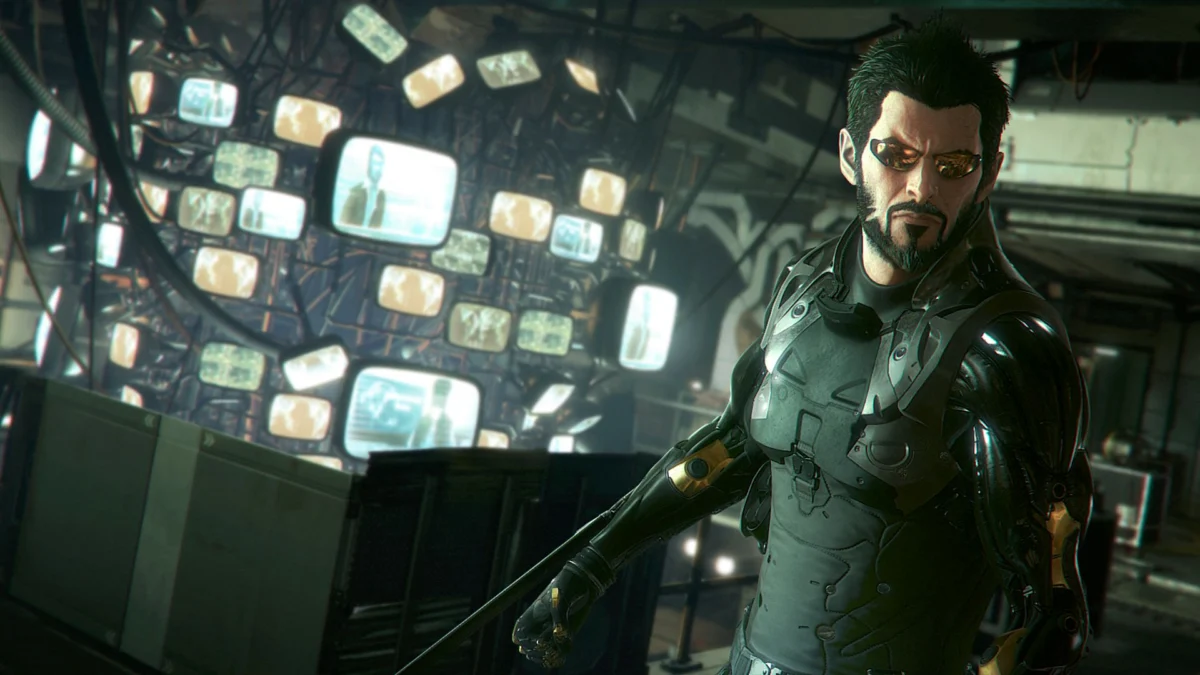
Stockholm, Sweden – [Insert Date] – In a move that has sent ripples through the gaming industry, Embracer Group, the Swedish gaming conglomerate known for its extensive portfolio of studios and intellectual properties, has announced a significant strategic redirection. As part of a broader corporate restructuring, the company is actively exploring opportunities to license out some of its most iconic and beloved video game franchises to external partners. This decision, outlined in an open letter to investors by Embracer CEO Lars Wingefors, signals a potential new era for series such as Deus Ex, Saints Row, TimeSplitters, and Thief, offering a glimmer of hope for fans who have long awaited new installments. However, the announcement also raises questions about the future development of these IPs under Embracer’s direct purview and the potential ramifications of entrusting them to third-party creators.
The Corporate Shuffle: Embracer’s Restructuring and the Birth of Fellowship Entertainment
The genesis of this strategic shift lies in Embracer Group’s decision to fundamentally reorganize its corporate structure. Previously operating as a single, albeit sprawling, entity, the company has now opted to split into two distinct organizations: Embracer itself, and a newly formed entity named Fellowship Entertainment. This bifurcation is designed to streamline operations, clarify financial reporting, and, crucially, to better manage and leverage its vast array of intellectual properties.
Fellowship Entertainment, as its name subtly suggests, will primarily house Embracer’s extensive and highly lucrative Lord of the Rings and Middle-earth related works. This includes the valuable IP rights acquired through its acquisition of Middle-earth Enterprises. Studios operating under the Fellowship banner will include those with a demonstrated track record in ambitious role-playing games, such as Warhorse Studios, the acclaimed developers behind Kingdom Come: Deliverance. Crystal Dynamics, the studio currently at the helm of the Tomb Raider franchise, also falls under the Fellowship’s umbrella, indicating a concentrated effort to nurture these flagship transmedia IPs.
Embracer itself will retain a significant portion of the company’s portfolio, including prominent studios like Aspyr, THQ Nordic, and Milestone. These entities will continue to develop and publish games within their established genres and franchises. However, the most impactful announcement from Wingefors pertains to the "other largest AAA IPs" that will remain under Embracer’s purview, such as Kingdom Come: Deliverance (though Warhorse is in Fellowship, the IP is mentioned), Dead Island, Darksiders, Remnant, and the licensed Metro series.
A New Frontier: Licensing Out Iconic Franchises
The core of the news, however, lies in Embracer’s stated intention to "more actively be exploring external partnership around our roster of other well-known IPs." This proactive approach to licensing out beloved franchises is a departure from the company’s previous modus operandi, which largely focused on in-house development or acquisitions of studios capable of continuing existing series.
The list of IPs slated for potential external partnerships is a veritable who’s who of gaming history, igniting fervent discussion among fans. Deus Ex, a critically acclaimed series renowned for its deep immersive sim gameplay, branching narratives, and cyberpunk aesthetics, stands at the forefront. The last mainline entry, Deus Ex: Mankind Divided, was released in 2016, and its uncertain future has been a persistent source of fan disappointment. The prospect of a new studio breathing life into Adam Jensen’s augmented world is undeniably exciting.
Similarly, Saints Row, a franchise that has oscillated between chaotic open-world fun and a more recent reboot that divided opinion, could find a new lease on life. The series, known for its over-the-top humor and distinctive brand of urban mayhem, has a dedicated fanbase that eagerly awaits its next iteration.
TimeSplitters, a beloved first-person shooter series celebrated for its unique time-traveling premise, iconic characters, and accessible multiplayer, has been dormant for years. The announcement offers a tangible hope that this cult classic might finally return.
And then there is Thief, a stealth-action series that pioneered the genre with its emphasis on environmental interaction, emergent gameplay, and atmospheric world-building. While the last entry, Thief (2014), received a mixed reception, the core mechanics and rich lore of the series hold immense potential for a modern reimagining.
Beyond these flagship titles, Embracer also mentioned Legacy of Kain, a dark and compelling action-adventure series with a rich narrative and distinctive gothic tone. The franchise has been absent from consoles for over a decade, and its inclusion in the licensing discussion is a significant development for its dedicated followers. Other IPs mentioned include Red Faction, known for its destructible environments and alien-invasion narrative, and The Mask, a property with roots in comic books and a popular film adaptation, though its gaming potential is less defined.
The Rationale Behind the Pivot: Financial Realities and Strategic Agility
Embracer CEO Lars Wingefors articulated the strategic rationale behind this significant corporate maneuver in his open letter. He emphasized the need for "many money-related reasons," a candid acknowledgment of the financial pressures and opportunities that drive such large-scale restructuring. The company has undergone a period of rapid and extensive acquisition, accumulating a vast library of studios and IPs. While this has positioned Embracer as a major player in the industry, it has also presented challenges in terms of integration, operational efficiency, and the sheer scale of managing such a diverse portfolio.
The decision to split into two companies is a direct response to these challenges. Fellowship Entertainment’s focused mandate on the Lord of the Rings and Tomb Raider IPs allows for concentrated investment and strategic development of these high-potential properties. The remaining Embracer entity, while still substantial, can now operate with a clearer focus on its core strengths and a more agile approach to its broader IP portfolio.
Wingefors’ statement about exploring "new partnerships" for its largest AAA IPs is particularly telling. This suggests a recognition that Embracer may not always possess the optimal internal resources or strategic vision to bring every flagship franchise to its fullest potential. By opening the door to external developers and publishers, Embracer aims to:
- Accelerate Development: External studios may have the bandwidth, specialized expertise, or immediate interest to prioritize and expedite the development of these dormant or under-resourced franchises.
- Leverage Diverse Creative Visions: Different development teams bring unique perspectives and innovative ideas. Licensing out IPs allows for a broader spectrum of creative approaches, potentially leading to fresh and exciting interpretations of beloved series.
- Mitigate Financial Risk: Developing AAA games is a high-stakes endeavor with significant financial investment and inherent risk. By partnering with external entities, Embracer can share these risks and potentially generate new revenue streams through licensing fees and revenue sharing agreements.
- Maximize IP Value: Actively seeking partnerships ensures that these valuable intellectual properties remain relevant and continue to generate revenue and cultural impact, rather than languishing in obscurity.
The Double-Edged Sword: Potential Benefits and Lingering Concerns
The prospect of new games in the Deus Ex, Saints Row, TimeSplitters, and Thief franchises, developed by external studios, is undoubtedly a cause for celebration among many gamers. The potential benefits are numerous:
- Resurrection of Dormant Franchises: For series that have been on ice for years, this offers the most realistic pathway to new entries. It’s a chance to see beloved characters and worlds return to the forefront of the gaming landscape.
- Fresh Creative Directions: New developers can bring a renewed perspective, potentially revitalizing franchises that may have become somewhat stale or predictable under a single development philosophy. This could lead to innovative gameplay mechanics, fresh narrative arcs, and modernizations that cater to contemporary gaming sensibilities.
- Increased Output and Variety: By allowing multiple studios to work on different IPs, Embracer could significantly increase the overall output of games across its portfolio, offering a wider variety of experiences to consumers.
- Focus on Core Strengths: For Embracer, this strategy allows them to concentrate their internal resources on IPs that are currently in active development or have a clear internal roadmap, while still ensuring their other valuable IPs are not neglected.
However, this strategic pivot is not without its potential drawbacks and anxieties:
- Dilution of Brand Identity: The core appeal of franchises like Deus Ex lies in their specific design philosophies, narrative depth, and gameplay nuances. There is a concern that external developers, while skilled, might not fully grasp or replicate the essence of these games, leading to a dilution of their unique identity.
- Inconsistent Quality: The quality of games developed by third-party studios can vary significantly. Fans will be understandably apprehensive about entrusting their cherished franchises to developers who may not have the same level of passion or understanding for the source material.
- Loss of Direct Control: While Embracer will likely retain overarching control through licensing agreements, the day-to-day development decisions will rest with external partners. This can lead to unforeseen creative choices that deviate from fan expectations or the original vision of the series.
- "Rotting in the Shed": The article’s initial provocative statement, "Or, you know, they might continue rotting in the great embrace’s shed," highlights a significant fear. If these licensing deals do not materialize or prove unsuccessful, these franchises could indeed remain dormant, with Embracer’s focus shifting entirely to its core IPs. This would be a far worse outcome than their current state of hopeful anticipation.
- Focus on Film and TV Adaptations: As the article points out, the last line of Wingefors’ quote suggests that some of these partnerships might be for film and TV adaptations rather than new games. While this could still be a positive outcome for IP visibility, it would be a disappointment for gamers hoping for new interactive experiences.
Implications for the Gaming Landscape
Embracer Group’s decision to actively license out its IPs has significant implications for the broader gaming industry. It signals a potential shift in how large publishing houses manage their intellectual property portfolios, moving towards a more flexible and collaborative model. This could:
- Encourage More External Development: Other publishers might follow suit, recognizing the benefits of partnering with specialized external studios to revitalize their own dormant franchises.
- Empower Independent Developers: This could create new opportunities for talented independent studios to gain access to well-known IPs, allowing them to develop ambitious projects they might not have been able to conceive independently.
- Spark a Renaissance for Older Franchises: The potential for new games in series like TimeSplitters and Legacy of Kain could lead to a resurgence of interest in older genres and gameplay styles, influencing future game design.
- Increase Competition and Innovation: A more diverse range of developers working on a wider array of IPs could lead to increased competition and a greater drive for innovation within the industry.
The announcement from Embracer Group is a complex and multifaceted development. While the prospect of new Deus Ex, Saints Row, TimeSplitters, and Thief games is incredibly exciting, the success of this strategy hinges on Embracer’s ability to forge meaningful partnerships with developers who can truly honor and evolve these beloved franchises. Fans will be watching with bated breath, hoping that this strategic pivot leads to a vibrant future for these iconic game series, rather than their continued quiet slumber in the digital archives. The coming months and years will undoubtedly reveal whether Embracer’s bold move ushers in a new era of creative collaboration or merely shuffles the deck on already long-dormant dreams.


Leave a Comment