
The Critical Nadir of a Legend: Roger Ebert’s One-Star Verdict on Clint Eastwood’s ‘Pink Cadillac’
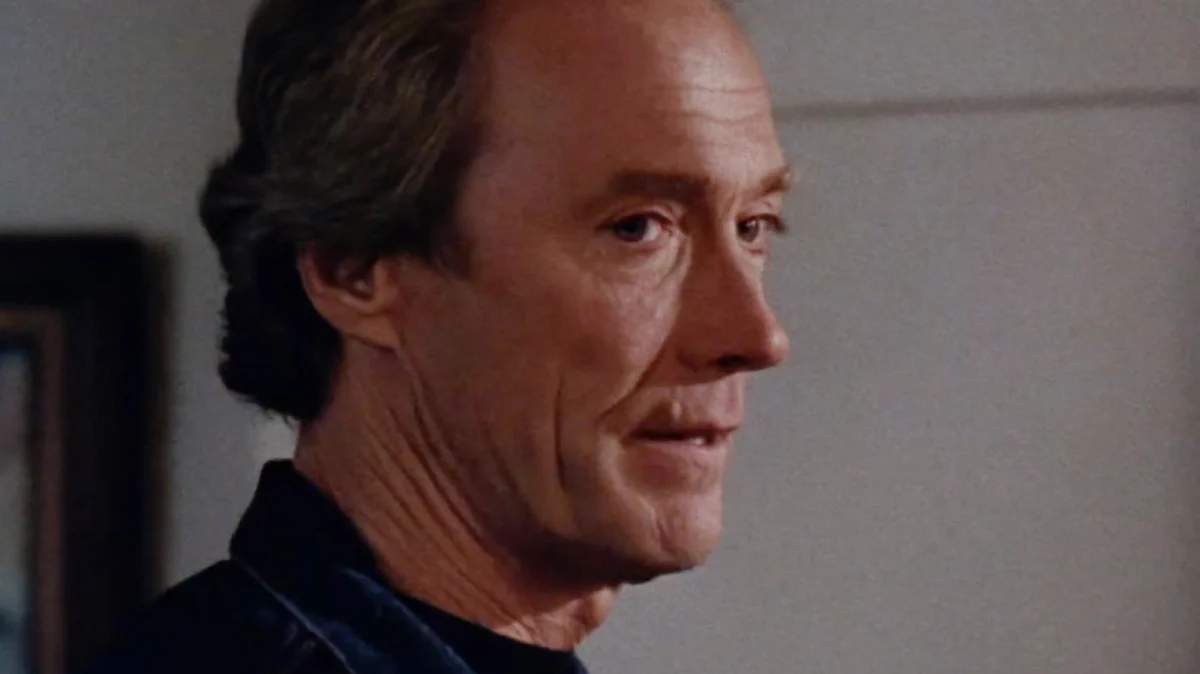
In the vast and storied career of Clint Eastwood, a figure whose name is synonymous with the rugged individualism of American cinema, there are few stains on his professional record. As both an actor and an Oscar-winning director, Eastwood has commanded respect from audiences and critics alike for over six decades. Among his most prominent supporters was the late Roger Ebert, the Pulitzer Prize-winning critic who frequently championed Eastwood’s work, even awarding a rare perfect score to the 2010 drama Hereafter. However, the relationship between the critic and the star hit a definitive low point in 1989 with the release of Pink Cadillac.
To this day, Pink Cadillac remains the only film in Clint Eastwood’s extensive filmography to receive a dismal one-star rating from Ebert. A tonal mishmash of action, slapstick comedy, and dark social commentary, the film was not only a critical failure but a significant commercial "flop" that marked the end of a specific era in Eastwood’s career.
Main Facts: A Misguided Intersection of Comedy and Hate
Released on May 26, 1989, Pink Cadillac was directed by Buddy Van Horn and stars Clint Eastwood alongside Bernadette Peters. The plot follows Tommy Nowak (Eastwood), a skip-tracer or bounty hunter who specializes in using elaborate disguises to apprehend his targets. His latest assignment is Lou Ann McGuinn (Peters), who has skipped bail after her husband, a member of a violent white supremacist group, was arrested.
The central MacGuffin of the film is a 1959 pink Cadillac convertible, which unbeknownst to Lou Ann, contains $250,000 in counterfeit money belonging to the neo-Nazi group. As Nowak pursues Lou Ann across the American West, the two form an unlikely bond, eventually teaming up to reclaim her kidnapped infant from the white supremacists.
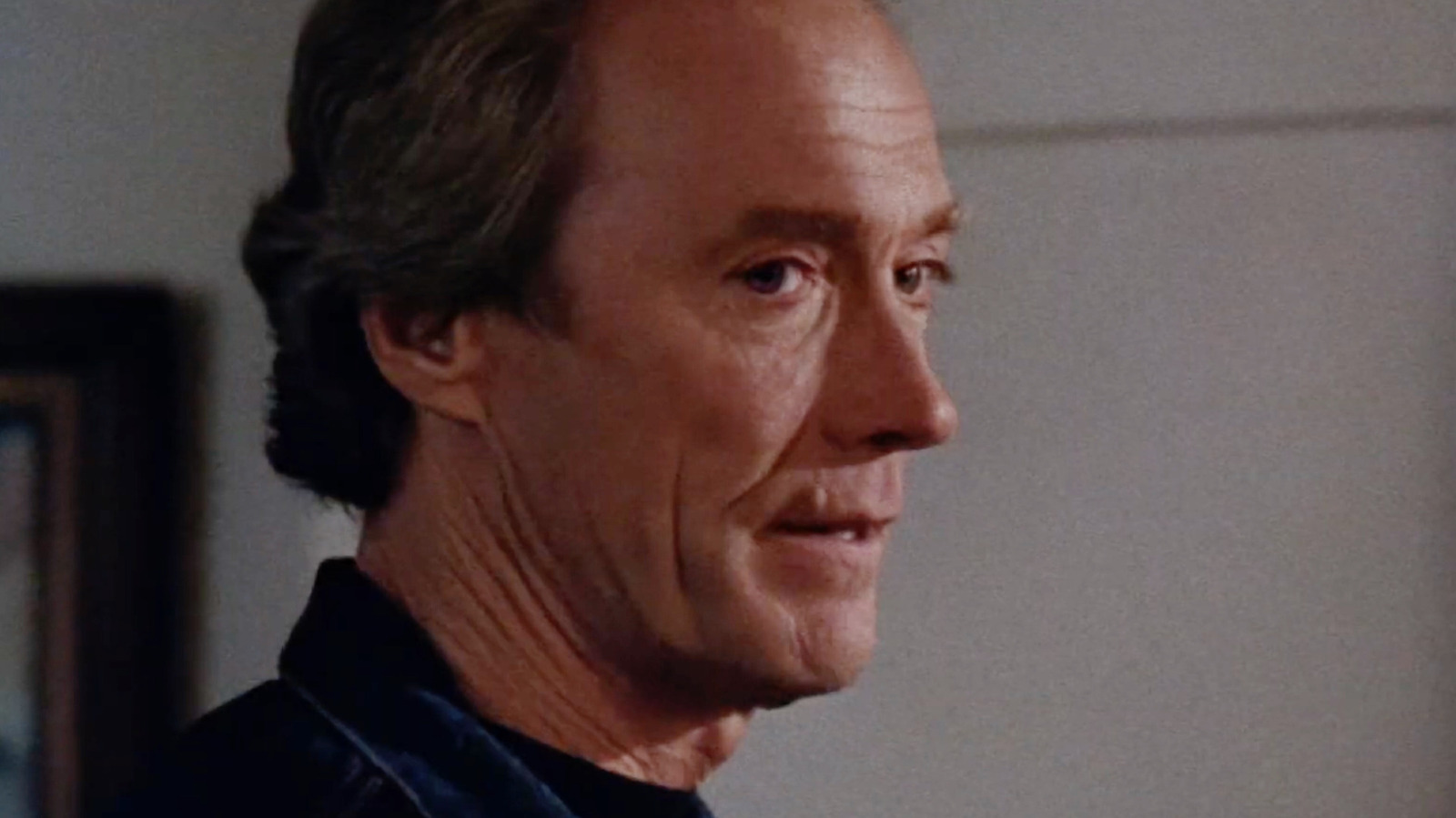
The film was intended to be a lighthearted "road movie" in the vein of Eastwood’s previous successes with Van Horn, such as Every Which Way but Loose. However, the inclusion of a "secret army of white racists" as the primary antagonists created a jarring tonal dissonance that ultimately alienated audiences and incensed Roger Ebert.
Chronology: The Decline of the Eastwood-Van Horn Partnership
The failure of Pink Cadillac can be better understood through the lens of Eastwood’s professional relationship with Buddy Van Horn. Van Horn, a long-time stunt coordinator and Eastwood’s stunt double, transitioned into the director’s chair under Eastwood’s mentorship.
- 1978–1980: The Golden Era of the "Chimp" Movies: Eastwood took a massive risk with Every Which Way but Loose (1978), a broad comedy featuring an orangutan named Manis. Despite critical skepticism, it was a box-office phenomenon. Van Horn directed the 1980 sequel, Any Which Way You Can, which, while less critically acclaimed, proved that the Eastwood-Van Horn brand of blue-collar comedy was a lucrative formula.
- 1988: The Waning Power of Dirty Harry: By the late 1980s, the formula began to sour. Van Horn directed The Dead Pool (1988), the fifth and final installment of the Dirty Harry franchise. While it performed decently, critics noted that the character of Harry Callahan was beginning to feel like a relic of a bygone era.
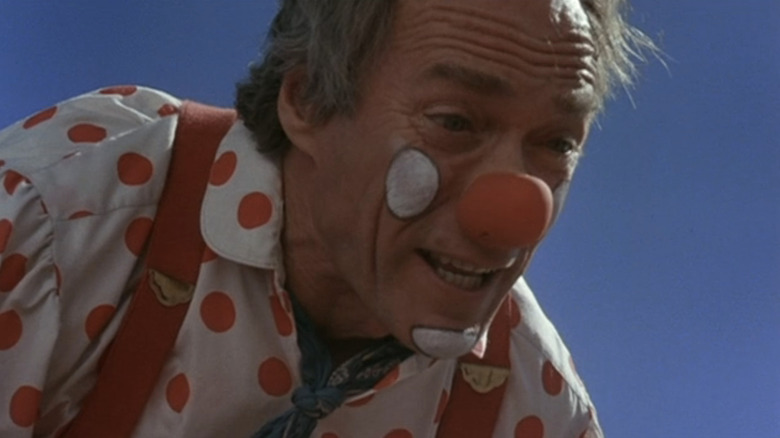
- 1989: The Summer of "Bat-mania": Pink Cadillac arrived in theaters just as the Hollywood landscape was shifting. The summer of 1989 was dominated by Tim Burton’s Batman, a film that revolutionized movie marketing and ushered in an era of high-concept, dark, and stylized blockbusters. In contrast, Pink Cadillac—with Eastwood dressing up as a clown and a sleazy nightclub promoter—felt hopelessly out of touch with the evolving tastes of the moviegoing public.
Supporting Data: Box Office Failure and Critical Consensus
The financial performance of Pink Cadillac reflected a growing "Eastwood fatigue" regarding his comedic output.
- Box Office: Produced on a budget of approximately $19 million—a significant sum for a character-driven comedy in 1989—the film grossed only $12.1 million at the domestic box office. It failed to recoup its production costs, let alone its marketing expenses.
- Critical Aggregators: On modern review platforms like Rotten Tomatoes, the film holds a "Rotten" rating of 21%, with the consensus highlighting its sluggish pacing and inconsistent tone.
- The "Clint" Factor: Warner Bros. attempted to market the film by emphasizing Eastwood’s personal charisma. The theatrical trailers frequently used his first name, "Clint," in a bid to foster a sense of familiarity and "good-time" entertainment. However, the presence of Jim Carrey in an early-career cameo as a casino lounge singer doing an impression of Elvis Presley remains one of the few historical curiosities that draws modern viewers to the film.
Official Responses: The Ebert Critique and the Ethics of Comedy
Roger Ebert’s review of Pink Cadillac was more than just a dismissal of a bad movie; it was a profound critique of the film’s moral and creative choices. Ebert’s primary grievance was the "idiotic behavior" of the characters in the face of genuine evil.
"How can we take a thriller scene seriously when the characters don’t?" Ebert asked. He found the "silliness" of Eastwood’s disguises—which included a persona as a radio DJ and a bumbling repairman—to be entirely incompatible with the film’s subplot involving a paramilitary group of white supremacists.
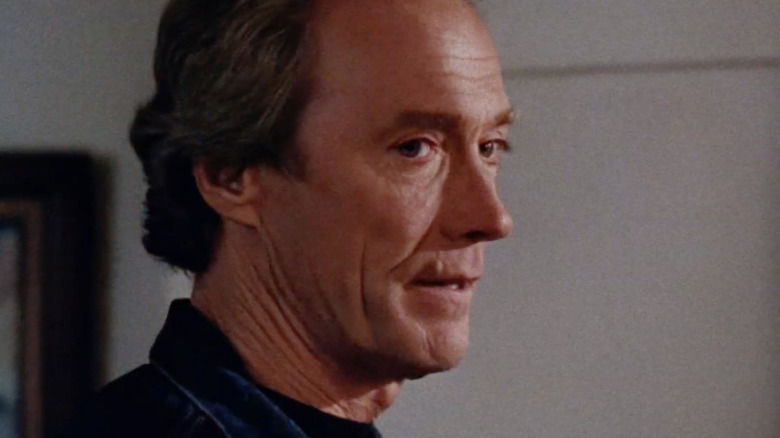
Ebert’s critique delved into the socio-political implications of the script. He argued that using "blatant racism" as a backdrop for a "lightweight story" was inherently offensive. He wrote:
"Nobody seems to have asked whether the emotional charge of blatant racism belongs in a lightweight story like this—even if the racists are the villains… In the times we live in, the offensiveness of such words should be observed, and they should not be used thoughtlessly."
For Ebert, the film’s failure was not just one of craft, but of sensitivity. He admitted to feeling "deeply uncomfortable" during scenes where the villains utilized racial slurs, noting that the movie attempted to mine these moments for tension without acknowledging the gravity of the subject matter.
Implications: A Pivot Toward Prestige
The failure of Pink Cadillac served as a crucial turning point for Clint Eastwood. It signaled the end of his experimentation with broad, low-brow comedies and prompted a return to the more somber, deconstructive themes that would define his "Prestige Era."
1. The End of the Van Horn Directorial Collaborations:
Following the back-to-back disappointments of The Dead Pool and Pink Cadillac, Van Horn returned to his primary role as a stunt coordinator. Eastwood began to take the directorial reins more firmly, focusing on projects with greater narrative weight.
2. The Road to ‘Unforgiven’:
Only three years after the "pink" disaster, Eastwood directed and starred in Unforgiven (1992). This film was the antithesis of Pink Cadillac; it was a grim, thoughtful meditation on violence and the myth of the American West. Unforgiven would go on to win four Academy Awards, including Best Picture and Best Director, effectively erasing the memory of his late-80s "flops" from the minds of most critics.
3. A Legacy of Artistic Evolution:
Pink Cadillac remains a fascinating footnote in cinema history because it represents the "rock bottom" from which a great artist ascended. It serves as a reminder that even the most established icons can lose their way when they fail to align their creative vision with the cultural zeitgeist.
For Roger Ebert, his one-star review was an act of "tough love" for a filmmaker he otherwise deeply admired. It highlighted a standard of cinematic integrity that Eastwood would eventually meet and exceed in the decades that followed. While the 1959 Cadillac at the center of the film was a classic, the movie itself proved to be a vehicle that simply couldn’t find its way home.


Leave a Comment