
The Fall of the Yellow Fedora: Analyzing the Noir Stakes in ‘Dick Tracy #17’
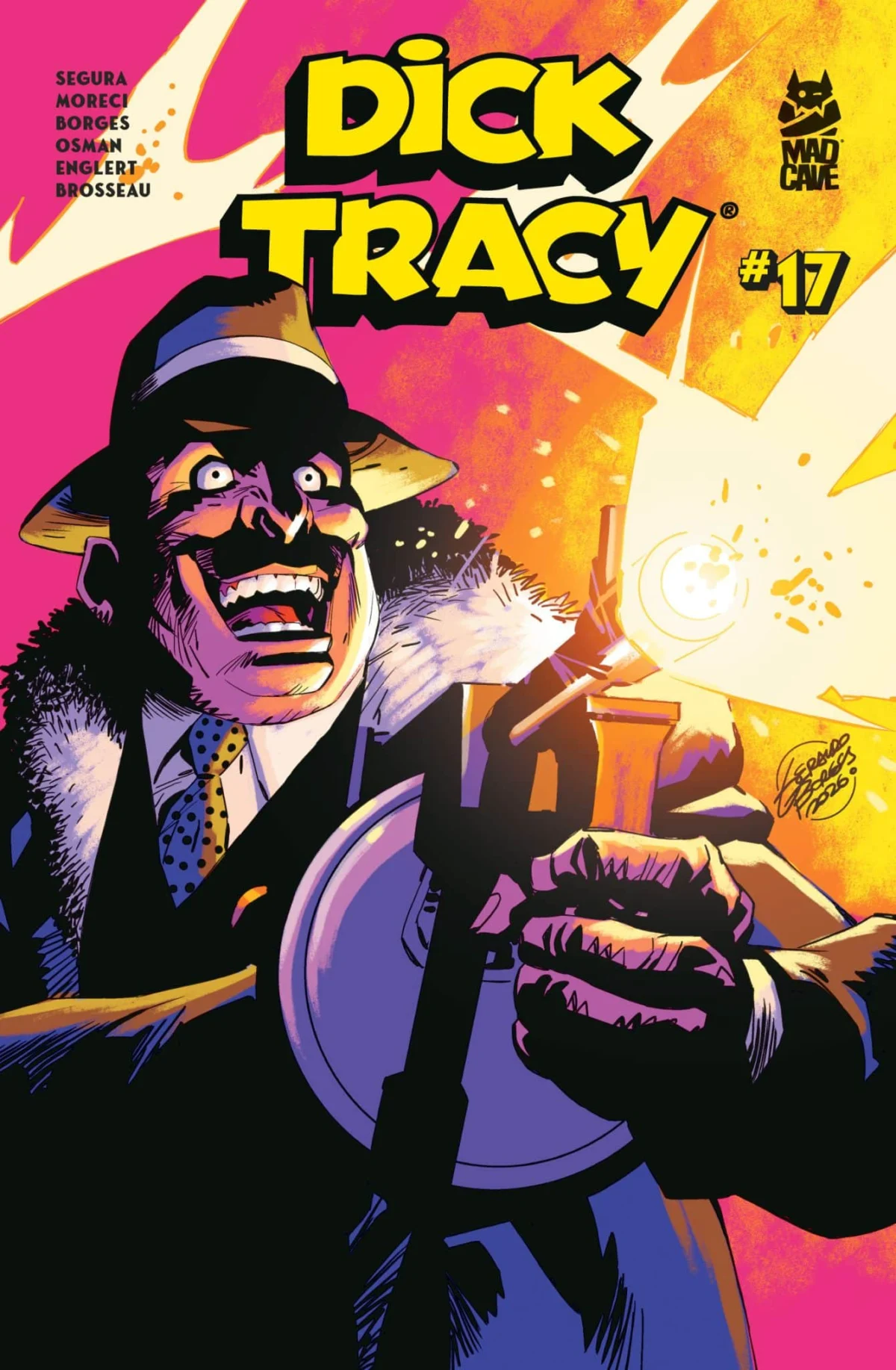
The comic book landscape has long been a sanctuary for archetypal heroes, but few figures stand as tall—or as colorfully—as the detective in the yellow trench coat. However, the upcoming release of Dick Tracy #17 from Mad Cave Studios threatens to dismantle decades of moral certainty. As the penultimate chapter in a high-stakes narrative arc, this issue poses a question that was once unthinkable in the history of the 1931 Chester Gould creation: Is Dick Tracy a crook?
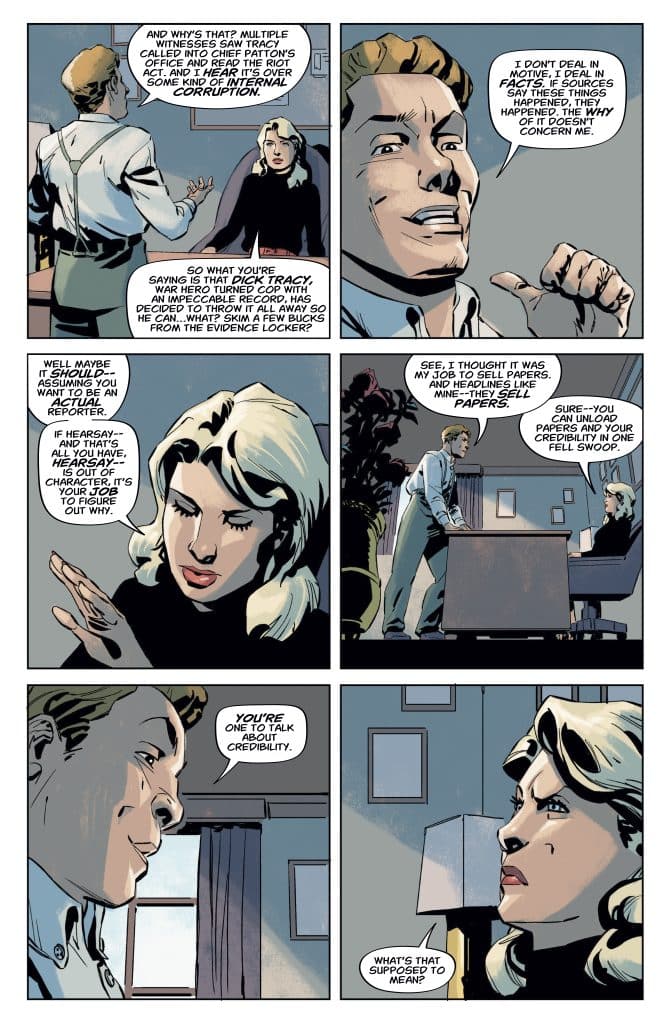
Written by the powerhouse duo of Michael Moreci and Alex Segura, with visceral artwork by Geraldo Borges, Dick Tracy #17 represents a pivotal moment in modern noir storytelling. The issue pivots on a central, devastating premise: the legendary detective is being framed as a pawn of the bloodthirsty mob boss Lips Manlis. As the "Detective in Yellow" finds his reputation in tatters and his allies turning their backs, the series accelerates toward a finale that promises to redefine the character for a new generation.
Main Facts: The Framing of an Icon
Dick Tracy #17 is not merely another procedural entry in the long-running franchise; it is a psychological and structural deconstruction of its protagonist. The core narrative conflict involves a sophisticated smear campaign designed to place Tracy "in the pocket" of the underworld. The primary antagonist in this shadow war is the legacy of Lips Manlis—a name that resonates deeply with long-time fans of the series, as Manlis was the very first villain Tracy encountered in the original 1931 comic strips.
The creative team behind this "acclaimed" run has focused on "noir tension," a departure from the more gadget-oriented or caricature-heavy iterations of the past. Michael Moreci (Barbaric, Wasted Space) and Alex Segura (Secret Identity, The Mysterious Mickey Finn) bring a literary depth to the script, focusing on the alienation of the hero. The solicitations reveal that Tracy has alienated his closest friends, leaving him isolated as he attempts to clear his name.
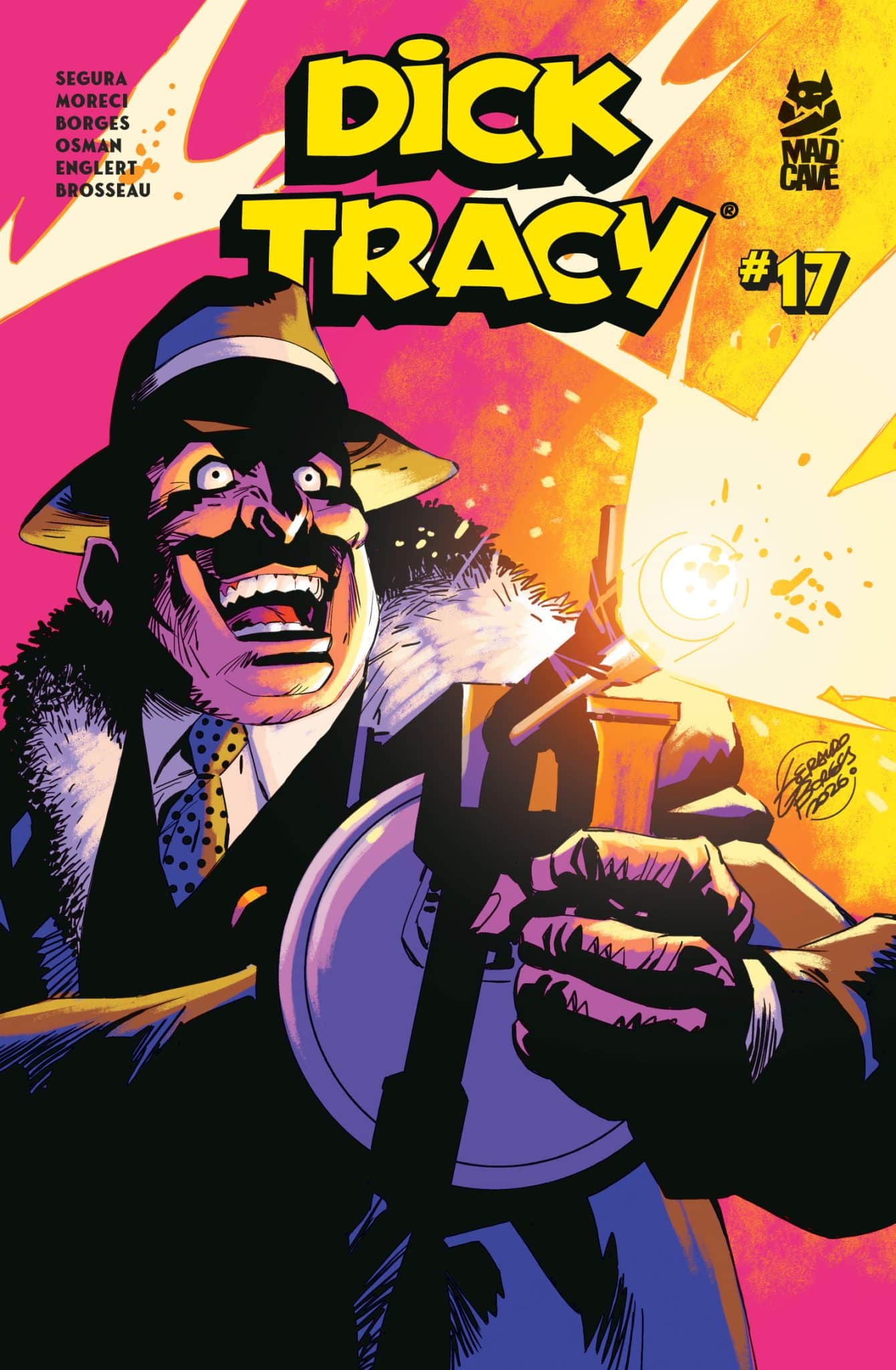
Visually, Geraldo Borges provides a gritty, shadow-drenched aesthetic that complements the "wanted criminal" status Tracy now occupies. The issue features multiple covers, including a primary Cover A and a variant Cover B, both of which emphasize the claustrophobic pressure mounting against the protagonist.
Chronology: From Lawman to Outlaw
To understand the weight of Dick Tracy #17, one must look at the chronological evolution of the character and the specific build-up of this current story arc.
The Gould Era (1931–1977)
Chester Gould created Dick Tracy as a response to the rampant lawlessness of the Prohibition era. For decades, Tracy was the ultimate symbol of the "unbribable" cop. He was the man who brought order to a world of grotesque villains. The internal logic of the strip was simple: Tracy was the law, and the law was righteous.
The Modern Reimagining
When Mad Cave Studios took the helm, the objective was to maintain the iconography—the 2-Way Wrist Radio, the yellow coat, the square jaw—while introducing the moral complexities of modern noir. The current arc has systematically chipped away at Tracy’s support system.

The Path to Issue #17
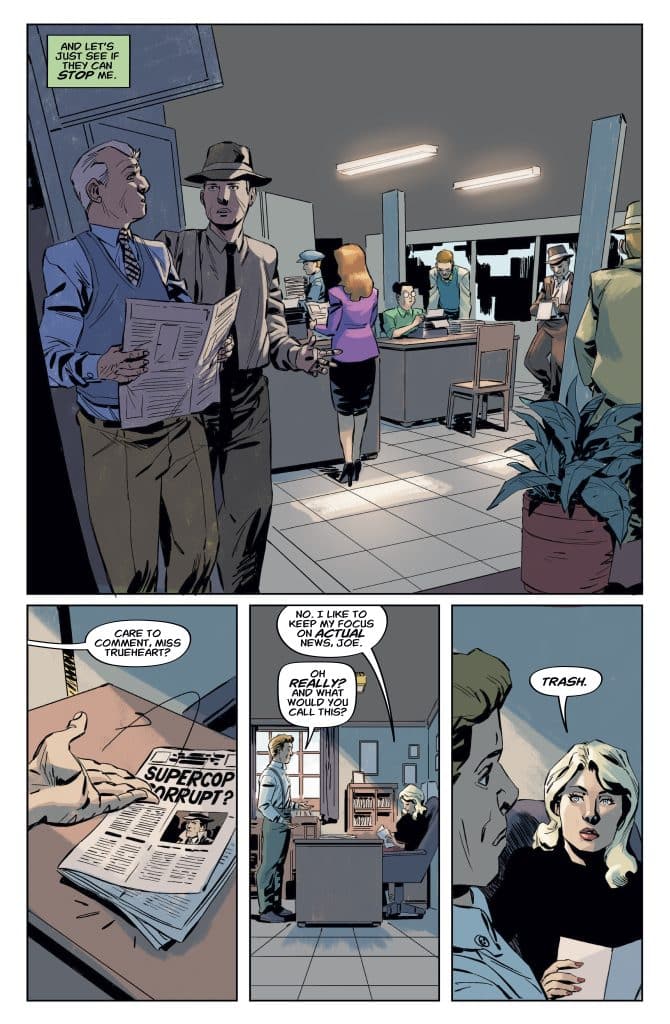
The preceding issues of this arc established a series of "unfortunate coincidences" that suggested Tracy was profiting from mob activity. This wasn’t a sudden betrayal but a slow-burn "gaslighting" of the public and the police department. By the time we reach issue #17, the trap has been sprung. The chronology of the issue follows Tracy in a desperate race against time. He is no longer the hunter; he is the hunted. The narrative careens through the rain-slicked streets of the city, moving from the halls of the precinct—where he is now viewed with suspicion—to the dark corners of the criminal underworld where his only "allies" may be the very people he spent his life putting behind bars.
Supporting Data: The Mechanics of Noir Tension
The effectiveness of Dick Tracy #17 can be measured through its use of specific noir tropes and the technical execution of its creative team. Supporting data from the preview pages and series history suggests three main pillars of success for this issue:
1. Narrative Isolation
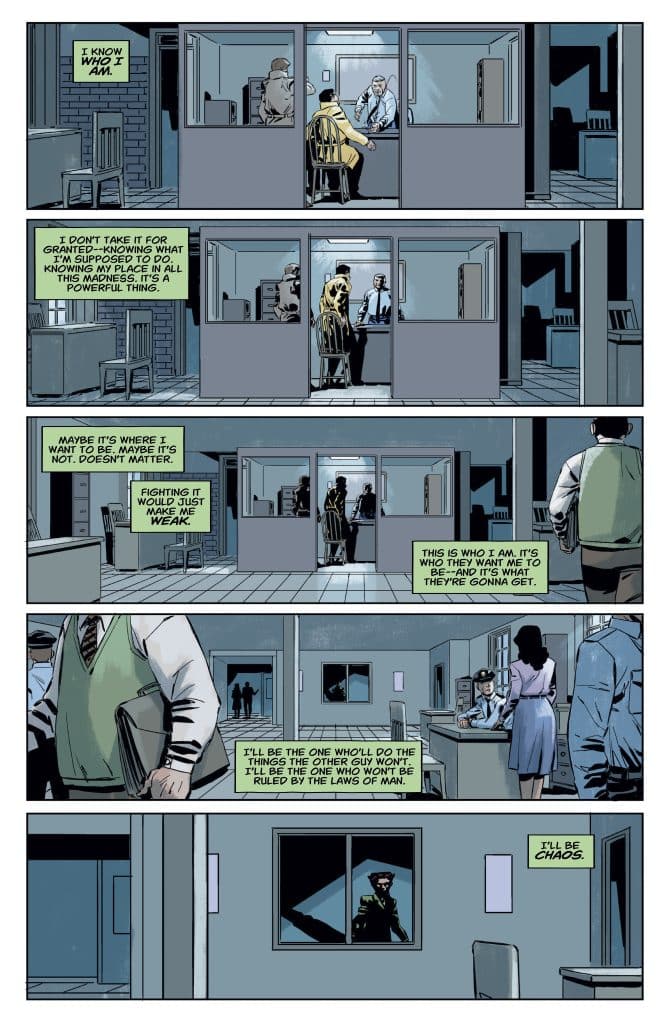
Data from the issue’s synopsis highlights the "alienated friends" trope. In detective fiction, a hero is only as strong as his integrity. By removing Tracy’s social safety net—characters like Tess Trueheart or Pat Patton—the writers increase the stakes. The "noir tension" mentioned in the solicitation is a direct result of this isolation. Without his badge or his friends, Tracy is reduced to his most basic elements: his wits and his will.
2. Artistic Direction
Geraldo Borges’ artwork serves as a narrative engine. In noir comics, the use of "chiaroscuro" (the contrast between light and dark) is essential. Borges utilizes heavy blacks to represent the encroaching influence of Lips Manlis and the mob. The yellow of Tracy’s coat, once a beacon of safety, now serves as a target. The preview images show a shift in Tracy’s body language—less the confident commander of a crime scene and more a man looking over his shoulder.
3. The "Lips Manlis" Factor
The inclusion of Lips Manlis is a data point of significant thematic weight. By bringing back a villain from Tracy’s origin, Moreci and Segura are "rhyming" the character’s history. If Manlis was the first man Tracy defeated to prove his worth as a cop, using Manlis’s ghost (or organization) to destroy Tracy’s reputation brings the character’s journey full circle. It suggests that the past is never truly buried in the world of noir.
Official Responses: Creative Philosophy
While formal press releases for individual issues are often succinct, the creative team has been vocal about their approach to this "stalwart rep" of the comic world.
In various industry interviews, Alex Segura has emphasized that their version of Dick Tracy is meant to feel "dangerous and urgent." Segura, a noted novelist in the noir genre, has argued that for a character like Tracy to remain relevant, he must face threats that cannot be solved simply with a shootout or a clever gadget. The threat in issue #17 is existential; it is an attack on the idea of Dick Tracy.
Michael Moreci has echoed these sentiments, noting that the "acclaimed" nature of the series stems from its willingness to put Tracy in positions of genuine vulnerability. The "Official Response" from the publisher, Mad Cave Studios, suggests that this arc is intended to be a "definitive" take on the character, bridging the gap between the classic Sunday strips and the gritty realism of 21st-century crime fiction.
Critics have noted that the series successfully "ups the noir tension," moving away from the campier elements of the 1990 film and returning to the brutal roots of the 1930s. The consensus is that Dick Tracy #17 is the "darkest hour" before the final resolution.
Implications: The Future of the PD and the Icon
The implications of Dick Tracy becoming a "WANTED CRIMINAL" extend far beyond the pages of issue #17. This narrative choice has several long-term effects on the franchise and the genre:
The Deconstruction of the "Perfect Cop"
For nearly a century, Dick Tracy has represented the idealized version of law enforcement. By placing him in the "pocket" of a mob boss—even falsely—the series explores the fragility of public trust. In a modern context, where the relationship between the public and the police is under intense scrutiny, Dick Tracy #17 serves as a timely allegory for how easily a reputation can be manipulated by those in power.
Setting the Stage for the Finale
As the "arc’s big finale" looms, the implications for issue #18 are massive. If Tracy is forced to operate outside the law to prove his innocence, he may never truly be able to return to his "stalwart" status within the PD. The "Dick Tracy, WANTED CRIMINAL" tag suggests a shift toward a "vigilante" status that could persist into future volumes.
The Resurgence of Classic Noir
The success of this series indicates a robust market for classic characters reimagined through a hard-boiled lens. Mad Cave Studios has demonstrated that there is a hunger for stories that treat 20th-century icons with maturity and psychological complexity.
Conclusion
Dick Tracy #17 is more than a preview; it is a testament to the enduring power of Chester Gould’s creation. By stripping the detective of his badge, his friends, and his reputation, Michael Moreci, Alex Segura, and Geraldo Borges are forcing the character to prove why he is an icon.
As the noir tension reaches its breaking point, readers are left to wonder: can the truth survive in a city that has already decided Tracy is a crook? The answer lies in the rain-soaked gutters and shadow-filled alleys of this latest epic issue. Whether he emerges as a hero or remains a fugitive, the Dick Tracy who walks out of this arc will be a man forever changed by the realization of how easily the "Detective in Yellow" can be painted black.


Leave a Comment