The Eternal Allotment: Reinterpreting the Legacy of Adam the Gardener
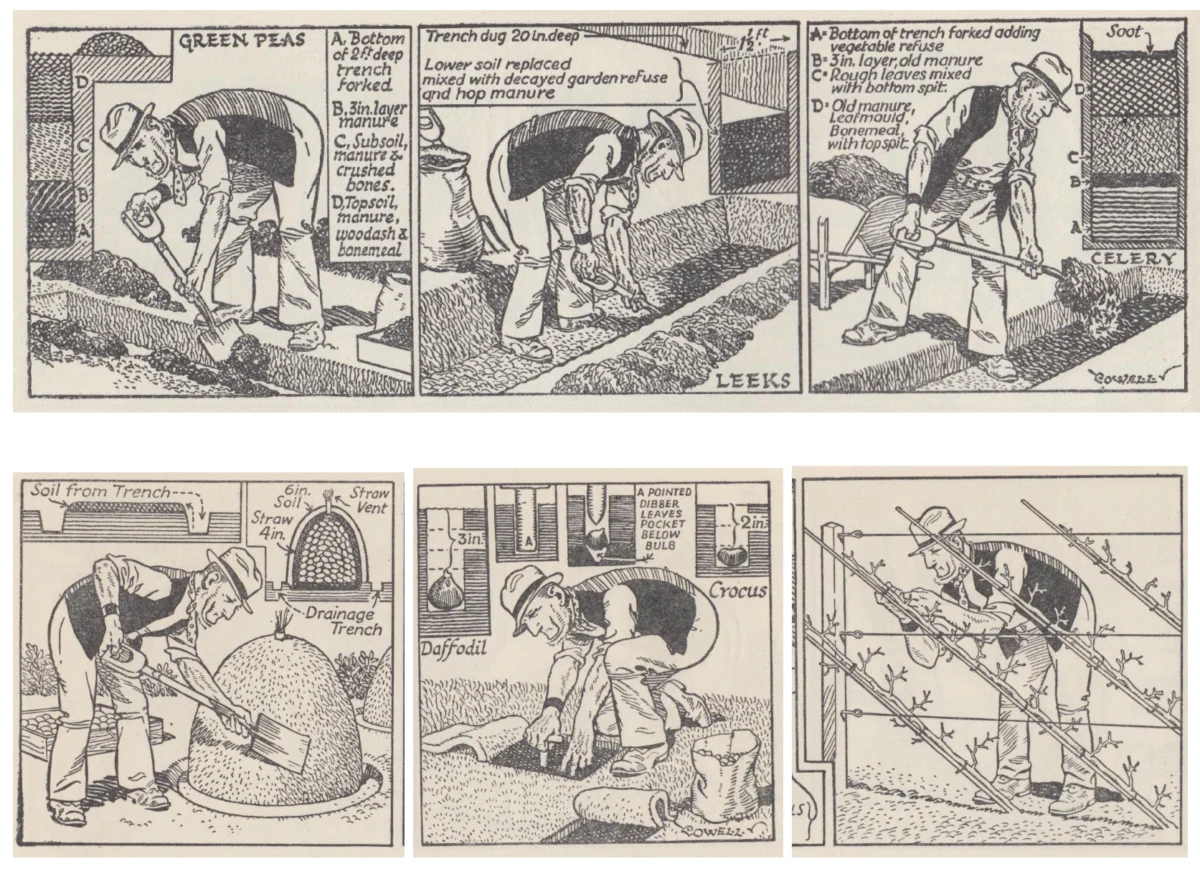
The intersection of practical instruction and existential meditation is a rare find in the world of mid-century comic strips. Yet, for decades, Adam the Gardener—a staple of British newsprint—occupied this very space. Originally published in the Sunday Express during the 1940s and 1950s, the strip was designed to offer weekly horticultural advice to a nation recovering from war and leaning into the self-sufficiency of the allotment. However, as contemporary cartoonist Malcy Duff explores in his recent reflections and his inspired work The Uncertain Man, the 1953 edition of this classic strip reveals a deeper, more haunting narrative about time, labor, and the solitary nature of creation.
Main Facts: The Intersection of Horticulture and Sequential Art
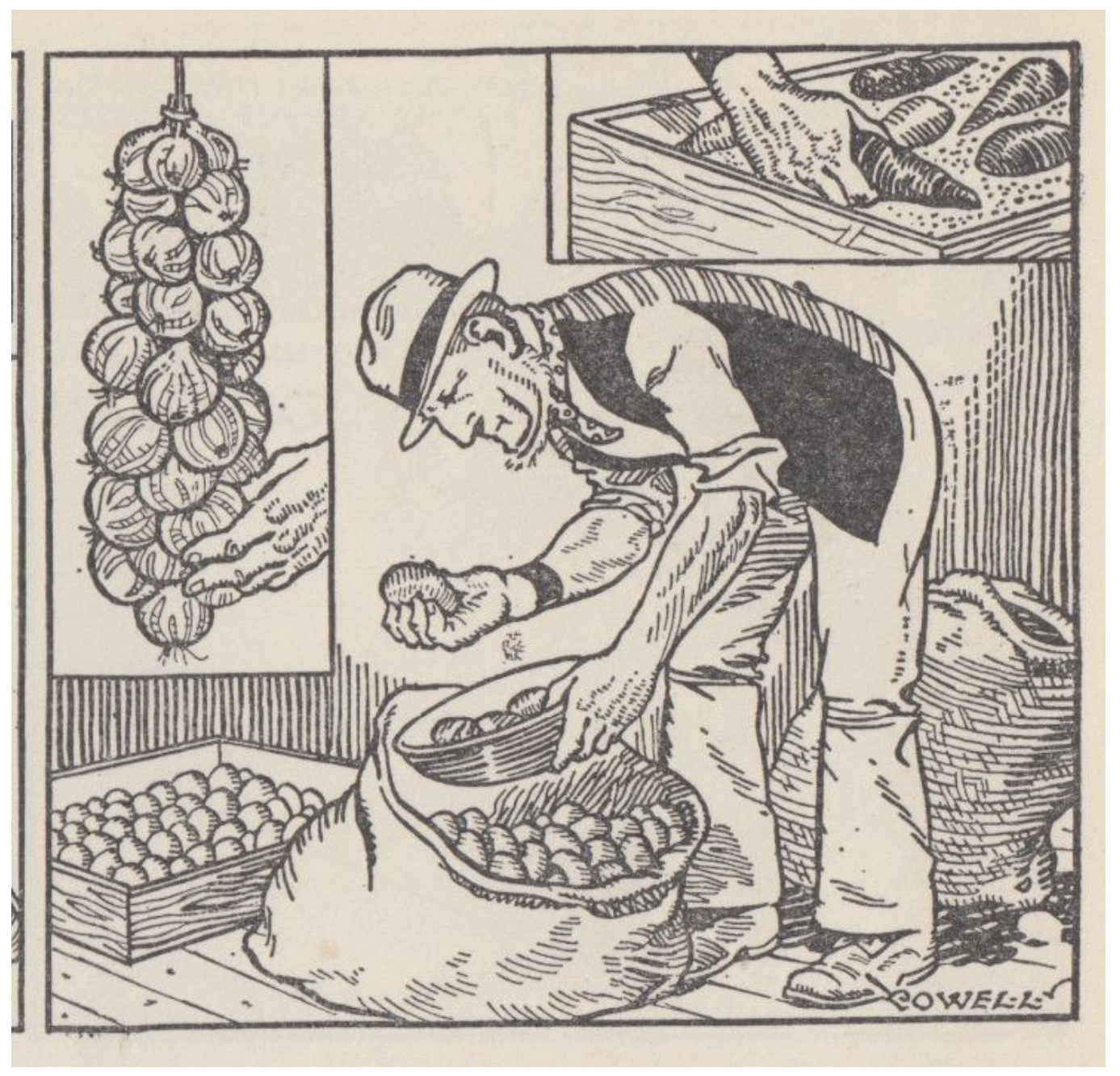
Adam the Gardener was more than a mere comic; it was a cultural institution. Created by the collaborative team of writer Morley Adams and illustrator Cyril Cowell, the strip provided a serialized guide to the British gardening year. While its primary purpose was utilitarian—teaching readers when to sow koh-rabi or how to prune fruit trees—its legacy has evolved into something far more abstract for modern readers and artists.

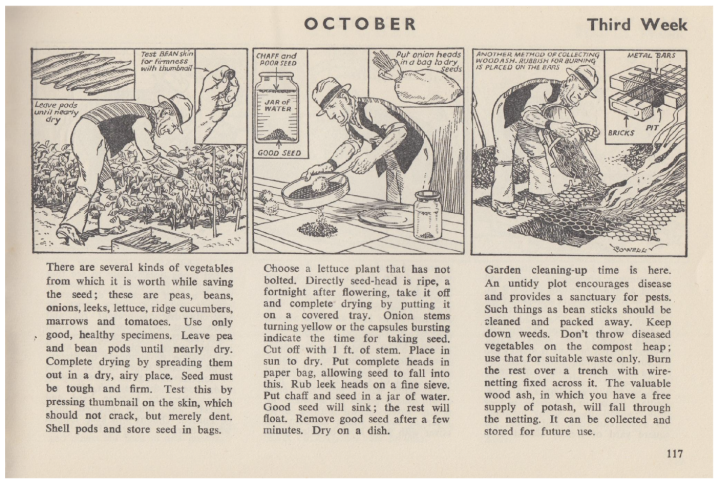
The strip is characterized by its dense, instructional panels and a protagonist who is simultaneously ubiquitous and anonymous. "Adam" is a figure of constant motion, yet he possesses a stoic, almost frozen quality. For contemporary critics and artists like Duff, the strip functions as a form of "expertly paced poetry" that transcends its original intent. The 1953 collected edition serves as a primary artifact, capturing a moment in British history where the garden was both a site of physical labor and a sanctuary for the mind.
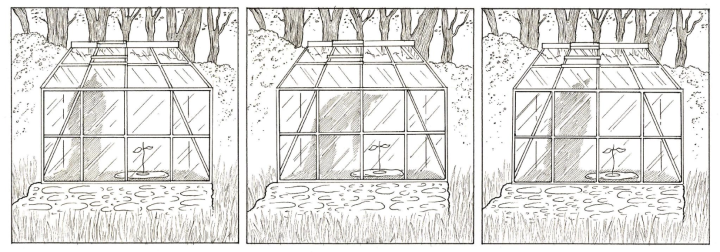
Duff’s analysis highlights a fascinating paradox: while the strip teaches the reader how to garden, the experience of reading it in a collected format—speeding up a year’s worth of labor into a single afternoon—creates an "anxiety-inducing" sense of relentless work. This reinterpretation shifts the focus from the plants being grown to the man doing the growing, turning a practical guide into a study of human endurance and the "solitary calling" of the artist.
Chronology: From Post-War Allotments to Modern Reflections
The timeline of Adam the Gardener and its subsequent re-evaluation spans over eighty years of British media history:
- The Early 1900s: Morley Adams establishes himself as a prolific writer and entrepreneur. He would eventually become known as the man who popularized the crossword puzzle in Britain, founding Morley Adams Ltd. to provide puzzles and quizzes to national newspapers. This background in puzzles is evident in the deconstructed, almost mathematical layout of the Adam strips.
- The 1940s: Amidst the "Dig for Victory" spirit of World War II and the subsequent post-war austerity, Adam the Gardener begins its run in the Sunday Express. Cyril Cowell, already a respected illustrator of children’s nature books (such as the Twitchy Whiskers series), brings a meticulous, painterly eye to the strip’s depictions of the natural world.
- 1953: A significant collected edition of the strips is published. This volume becomes a staple in British households, serving as a perennial reference for amateur gardeners.
- The Mid-20th Century: The strip continues to influence the "how-to" genre of comics, blending technical diagrams with character-driven narrative.
- 2026: Cartoonist Malcy Duff publishes reflections on the 1953 edition and debuts The Uncertain Man. Duff’s work acts as a spiritual successor, using the visual language of Cowell and Adams to explore themes of uncertainty and the "gutters" of human experience.
Supporting Data: The Craft of Cowell and Adams
The enduring power of Adam the Gardener lies in the unique synergy between its creators. Understanding their individual backgrounds provides essential context for the strip’s complexity.
The Puzzle Master’s Logic
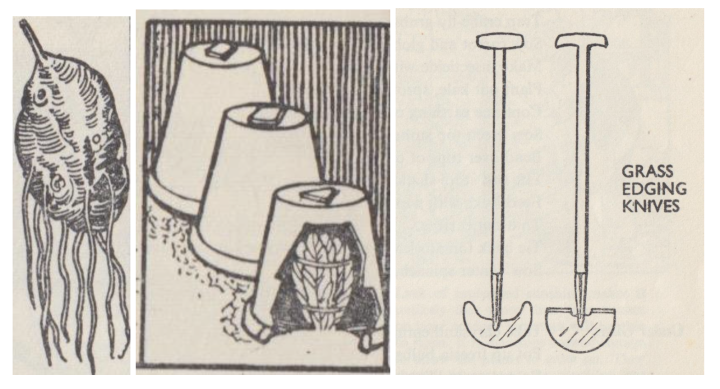
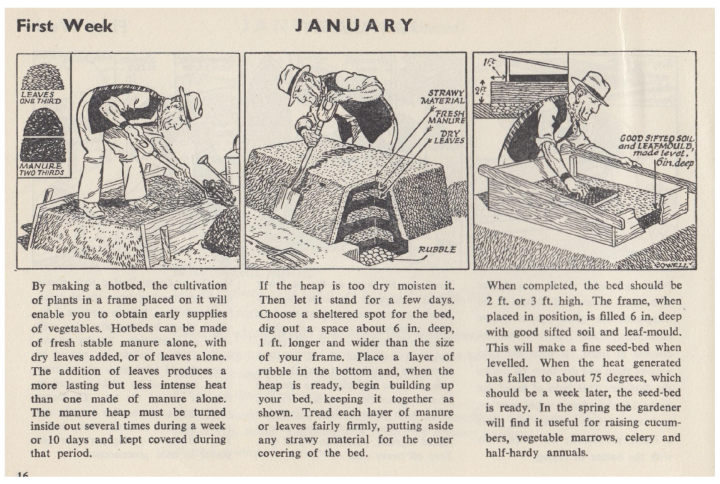
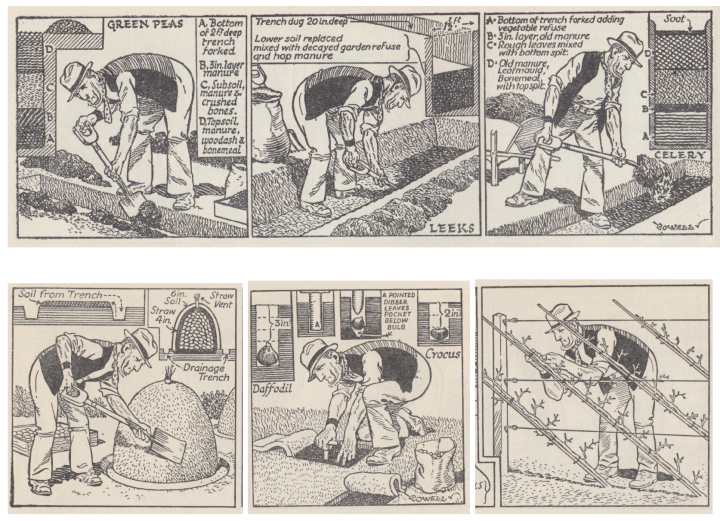
Morley Adams (1876–1954) was a master of organized information. His work on crosswords and his book Toy Making at Home (1915) demonstrated a lifelong commitment to teaching others how to create something from "odds and ends." In Adam the Gardener, Adams applied this logic to the earth itself. The panels are often "cluttered with information," featuring cutaways of soil layers, root systems, and insect life. To a modern eye, these look less like comic panels and more like "deconstructed crossword puzzles," where the answers (the healthy plants) are provided alongside the clues (the methods of cultivation).
The Naturalist’s Eye
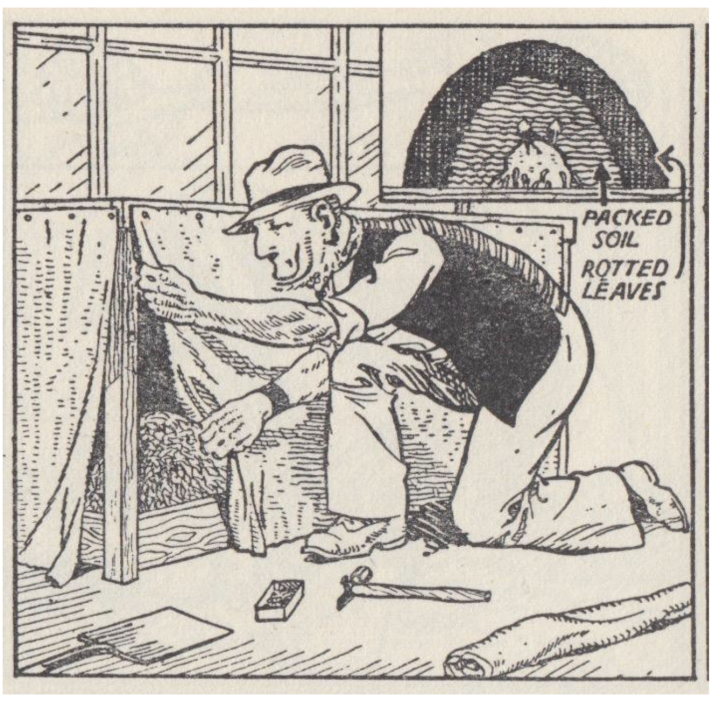
Cyril Cowell (1888–1967) brought a level of botanical and zoological detail rarely seen in weekly newsprint. His ability to render the "minutiae of gardening" transformed the strip from a simple manual into a visual exploration of the environment. Duff notes that Cowell’s panels often resemble the work of Richard McGuire in Here, utilizing "past/present/future compartments" within a single frame. A single panel might show the act of planting, a cutaway of the seed beneath the earth, and a diagram of the pest that might threaten it—effectively collapsing time and space.
The Physicality of the Medium
The strip’s history is also tied to its physical medium. Duff poignantly imagines the life of these newspapers: laid down in garden sheds next to mugs of tea, or used to wrap fish and chips on a Friday night. This "greasy" afterlife, where vinegar and oil altered the sky of the comic strip, speaks to the ephemeral yet grounded nature of the work. It was a comic designed to be used, dirtied, and integrated into the very soil it described.
Interpretative Context: The Mystery of the "Blank Flag"
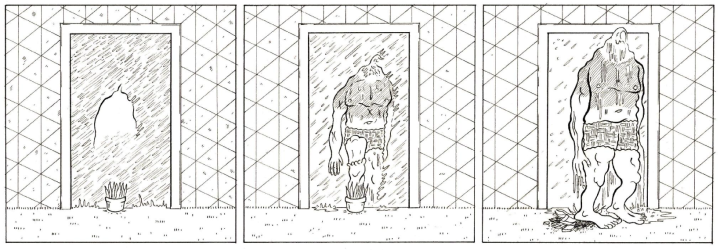
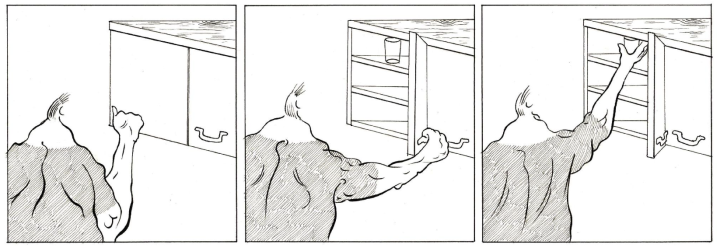
One of the most striking aspects of Duff’s re-examination is the characterization of Adam himself. Despite being the face of the strip for years, Adam remains an enigma—a "passive yet prominent" figure who never speaks and whose mouth is never seen open.
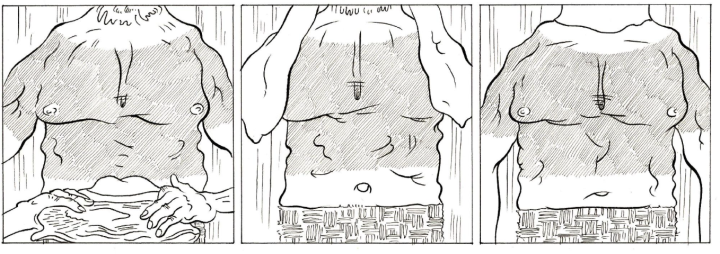
Duff suggests that Adam is "holding his breath" throughout the duration of the strip, an intake of clean air from a 1953 garden that he never lets out. This silence transforms Adam from a teacher into a "blank flag," a vessel for the reader’s own interpretations. He is a "Swamp Thing of the allotment," a creature who is indistinguishable from the land he tends.
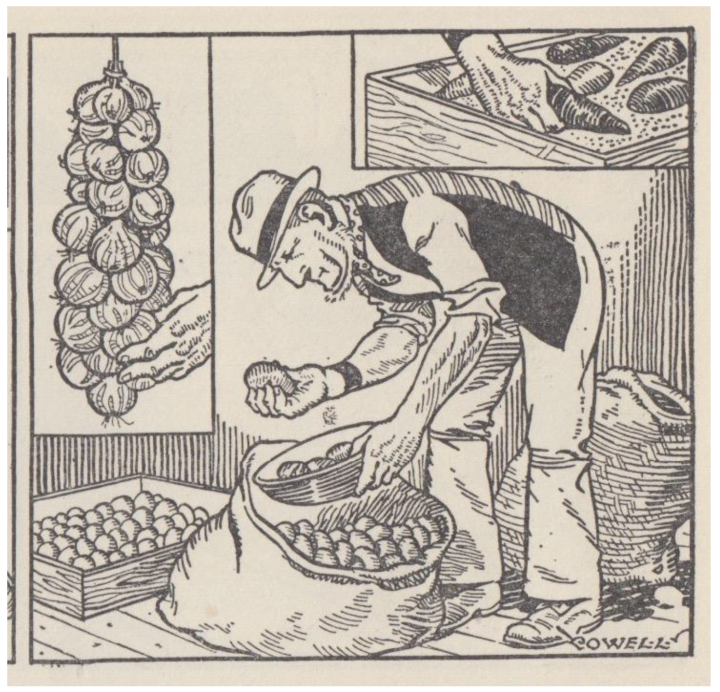
This interpretation aligns with the "solitary calling" shared by both the gardener and the cartoonist. The "green fingers" of the one and the "inky fingers" of the other both represent a life styled around the "plot"—whether that be a plot of land or a plot of narrative. The physical toll of the work—the "hunch of the drawing board" and the "kneeling at the coming of the spud"—further connects the two disciplines in a shared religious devotion to the act of making.
Implications: Gardening as a Narrative Sandbox
The legacy of Adam the Gardener suggests that the comic panel is, in itself, a garden. It is a "trimmed, organized moment, plotted into the infinite empty space." The implications for the medium are significant:
- The Collapse of Instructional and Narrative Art: Adam the Gardener proves that technical information can be elevated to the level of poetry through pacing and visual density. It challenges the boundary between "useful" art and "fine" art.
- The Psychology of Labor: The strip highlights the relentless nature of the gardening cycle. By viewing Adam’s work through a modern lens, we see a reflection of our own "always-on" culture, where the garden (or the project) must prevail "no matter what," even at the cost of the creator’s own rest.
- The Infinite Page: The way readers "join the panels together" in their heads to create a complete garden suggests a sophisticated level of reader participation. Each reader of Adam the Gardener possesses a slightly different version of Adam’s estate, proving that the "gutters" between panels are where the true world-building occurs.
In conclusion, Adam the Gardener remains a vital piece of British cultural history not just for the gardening advice it dispensed, but for the silent, stoic world it constructed. As Malcy Duff’s The Uncertain Man suggests, we are all still "giving Adam a drink"—pouring our own interpretations into the flower beds of the past and watching as new, unexpected narratives continue to grow from the old newsprint. The garden is Adam, the garden is the reader, and the work, it seems, is never truly finished.