
Echoes of a Closed Realm: Hand-Colored Photographs Unveil 19th Century Japan’s Dramatic Transformation
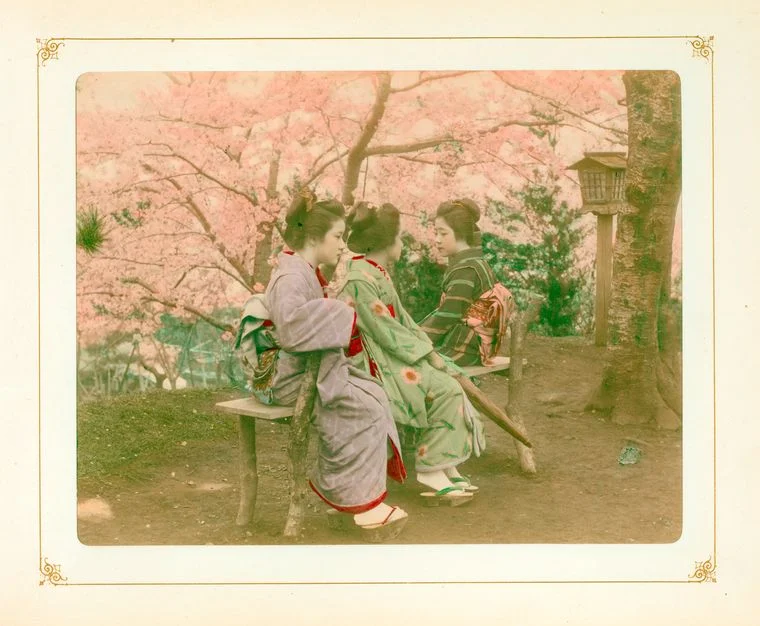
A captivating collection of hand-colored photographs from the late 19th century offers a vivid window into Japan’s tumultuous transition from centuries of self-imposed isolation to a rapidly modernizing nation. These meticulously crafted images, preserved by institutions like the New York Public Library, document not only the profound societal shifts but also the enduring allure of traditional Japanese culture for both its own people and an increasingly fascinated West.
The Opening of Japan: A Seismic Shift
The mid-19th century marked a pivotal, and for many, a deeply unsettling, period in Japanese history. Following over two centuries of strict sakoku (closed country) policy, Japan was forcibly "opened" to the world, a process catalyzed by the arrival of Commodore Matthew Perry’s American fleet in 1853. This dramatic imposition of foreign influence triggered a period of seismic upheaval, culminating in the fall of the Tokugawa Shogunate in 1868 and the subsequent Meiji Restoration.
As historian John W. Dower notes, this era was characterized by immense disruption. "Unemployment rose," he writes, "Domestic prices soared sky high… Much of Japan was wracked by famine in the mid 1860s… As if all this were not curse enough, the foreigners also brought cholera with them." Beyond the economic and public health crises, this influx of foreign capital and ideas irrevocably altered the fabric of Japanese society, architecture, and governance.
However, alongside these disruptive forces, the foreigners also brought with them a new technology: photography. Western and Japanese photographers alike began to document this period of profound transformation. Their lenses captured not only the dramatic political and social changes but also the rich tapestry of Japan’s traditional dress, customs, and landscapes, offering an invaluable visual record for posterity.
A World Revealed: Photography as a Bridge
For centuries, Japan had existed as an enigma to the Western world. Artifacts and tales of this distant land had trickled across the seas, fueling an insatiable curiosity. The advent of photography provided an unprecedented means of bridging this geographical and cultural divide. The New York Public Library, for instance, houses an extensive collection of photographic documentation of Japan, meticulously capturing both the interactions between the Japanese and foreign visitors and the daily life within the archipelago.
Commodore Perry’s expedition itself recognized the power of this new medium, including a daguerreotype photographer among its ranks, signaling the early integration of photography into diplomatic and exploratory endeavors. As noted in the broader context of photographic history, "In the broadest sense, photography entered Asia from Europe and America as part of the process of colonialism, but soon took root in those regions with local photographers." This dual trajectory – photography as a tool of foreign observation and as a nascent local art form – is vividly illustrated in the collection of hand-colored photographs that have captured public imagination.
The Art of Color: Preserving a Vanishing World
The vibrant hand-colored images featured in this collection are drawn from the New York Public Library’s extensive archive of late 19th-century Japanese photography. These striking visuals were brought to life by pioneering photographers such as Felice Beato, an Italian-British photographer who was instrumental in documenting Asia during this period. Beato’s work was often brought to completion by his Japanese students, including Kimbei, who assisted Beato in the hand-coloring of photographs until 1863. Kimbei later established his own highly successful studio in Yokohama in 1881, continuing the tradition of capturing Japan’s essence through this meticulous photographic process.
The archive itself serves as a "rich resource for the understanding of the political, social, economic, and artistic history of Asia from the 1870s to the early 20th century." The photographs in question, dating from approximately 1890 to 1909, offer a unique perspective. By this time, Japan had already undergone significant Westernization in its dress, architecture, and governmental structures. Yet, these hand-colored images often focus on enduring aspects of Japanese culture, providing a poignant juxtaposition of the old and the new.
Cultural Exchange and Artistic Inspiration
To many Japanese people, the "old ways," preserved through centuries of isolation, may have seemed precariously poised to disappear in the face of rapid modernization. For Westerners, however, the encounter with Japan offered a profound source of cultural renewal and artistic inspiration. The Metropolitan Museum of Art highlights this phenomenon, noting that "a tidal wave of foreign imports" from Asia, including "woodcut prints by masters of the ukiyo-e school… transformed Impressionist and Post-Impressionist art."
European collectors, traders, and artists developed an intense fascination with all things Japanese, a phenomenon known as Japonisme. This craze occurred even as some of Japan’s most distinctive cultural forms faced the threat of obsolescence. The New York Public Library’s digital collection, "Photographs of Japan," stands as a testament to this enduring interest, offering a tangible connection to a Japan that was both rapidly evolving and deeply rooted in its rich heritage.
Chronology of Change and Continuity
The period spanning the mid-19th century to the early 20th century in Japan can be broadly understood through a series of interconnected transformations:
- Mid-19th Century (Pre-1853): Japan exists in a state of self-imposed isolation (sakoku), with limited foreign interaction. Traditional social structures and cultural practices are deeply entrenched.
- 1853: Commodore Matthew Perry’s arrival marks the forceful "opening" of Japan to foreign trade and influence.
- 1853-1868 (Bakumatsu Period): A turbulent era characterized by internal dissent, the decline of the Tokugawa Shogunate, and increasing foreign presence. Photography begins to be introduced and utilized.
- 1868: The Meiji Restoration ushers in a period of rapid modernization and Westernization. The Emperor is restored to power, and feudalism is abolished.
- Late 19th Century (Meiji Era): Japan undergoes dramatic industrialization, political reform, and the adoption of Western technologies and ideas. Photography becomes more widespread, with both foreign and Japanese practitioners. Hand-coloring emerges as a popular technique for enhancing photographic prints.
- 1890-1909: The period covered by the featured photographs. While Westernization is evident, traditional attire, customs, and artistic expressions continue to be documented, often with a focus on preserving these elements against the tide of change.
- Early 20th Century: Japan solidifies its position as a major world power, having successfully navigated a period of unprecedented transformation.
Supporting Data and Archival Evidence
The collection of hand-colored photographs from the late 19th century serves as crucial supporting data for understanding this historical period. These images are not mere artistic representations; they are historical documents that provide empirical evidence of:
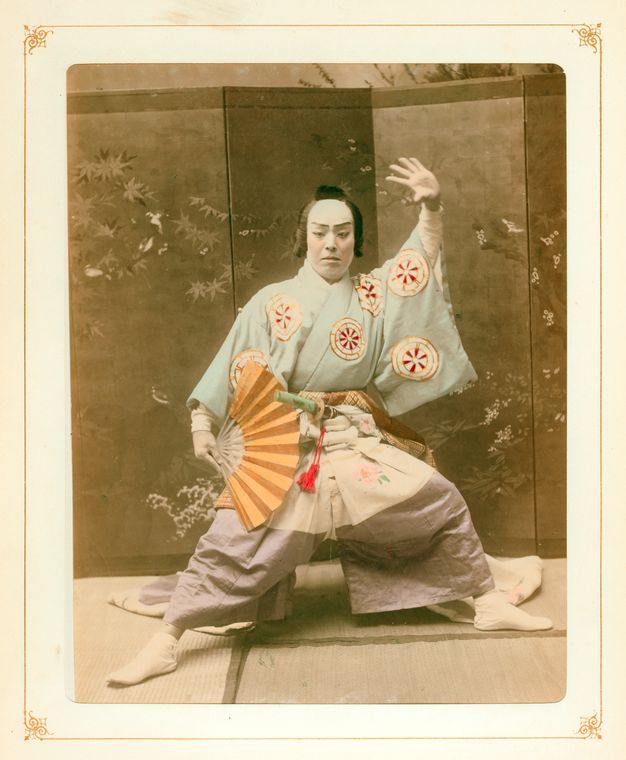
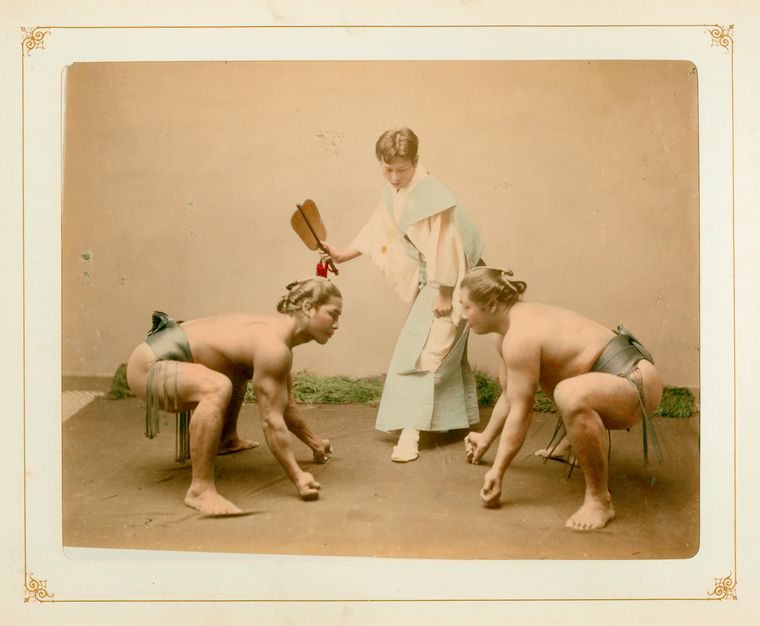
- Social Structures: Depictions of samurai, geishas, laborers, and everyday citizens offer insights into the social hierarchy and daily life of the time.
- Cultural Practices: Images of festivals, ceremonies, theatre performances (like Kabuki), and traditional crafts reveal the vibrancy and diversity of Japanese cultural expression.
- Fashion and Aesthetics: The elaborate kimonos, hairstyles, and adornments captured in the photographs showcase evolving trends and the enduring appeal of traditional Japanese aesthetics.
- Interactions with Foreigners: Photographs documenting encounters between Japanese individuals and Western visitors provide visual evidence of the cultural exchange and, at times, the tensions that defined this era.
- Architectural Styles: The juxtaposition of traditional wooden structures with emerging Western-influenced buildings highlights the architectural transformations taking place.
The meticulous hand-coloring process itself adds another layer of information. It suggests a deliberate effort to imbue these historical moments with life and vibrancy, perhaps to appeal to a Western market eager for exotic and colorful depictions of Japan, or to emphasize the beauty and importance of these cultural elements to a Japanese audience grappling with rapid change.
Official Responses and Institutional Recognition
The preservation and presentation of these photographic archives by institutions like the New York Public Library underscore their recognized historical and cultural significance. The library’s "Photographs of Japan" collection is curated with the explicit aim of providing access to this rich historical material. Official acknowledgments from institutions such as the Metropolitan Museum of Art, which detail the impact of Japanese art on Western movements like Impressionism, further validate the importance of understanding Japan’s cultural output during this period.
The very existence of dedicated digital archives and scholarly discussions surrounding these photographs signifies an official recognition of their value in reconstructing and interpreting 19th-century Japanese history. These institutions act as custodians of collective memory, ensuring that these visual records contribute to a deeper and more nuanced understanding of a nation in flux.
Implications for Understanding Modern Japan
The legacy of the "Opening of Japan" and the subsequent transformation continues to resonate in contemporary Japanese society. These hand-colored photographs offer crucial insights into:
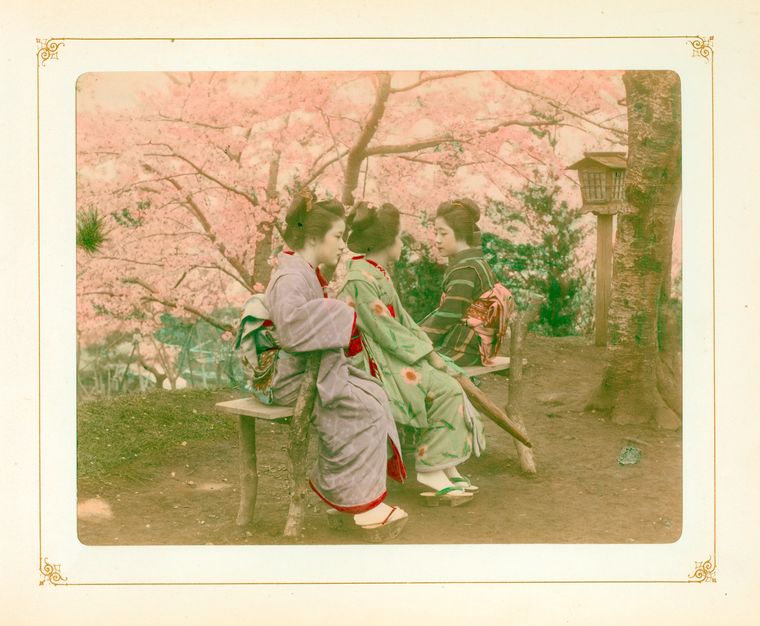
- The Resilience of Culture: Despite rapid Westernization, the images demonstrate the enduring strength and appeal of traditional Japanese cultural elements. This resilience has played a significant role in shaping modern Japan’s unique identity, which often seamlessly blends innovation with tradition.
- The Complexities of Globalization: The period of forced opening and subsequent modernization provides a historical precedent for understanding the ongoing dynamics of globalization, cultural exchange, and the challenges of maintaining national identity in an interconnected world.
- The Power of Visual Documentation: The collection highlights the indispensable role of photography in historical research and public understanding. These images offer a tangible connection to the past, allowing viewers to engage with historical events and cultural nuances in a deeply personal way.
- The Evolution of Artistic Expression: The integration of Western photographic techniques with traditional Japanese artistic sensibilities, particularly in the hand-coloring process, foreshadows the ongoing fusion of global influences with local artistic traditions that continues to define Japanese art and design.
In conclusion, these evocative hand-colored photographs from 19th-century Japan are more than just beautiful relics; they are vital historical documents that illuminate a pivotal chapter in human history. They capture the profound societal shifts, the enduring cultural richness, and the complex interplay between tradition and modernity that defined Japan’s dramatic metamorphosis and continue to shape its identity on the global stage.




Leave a Comment