
Forge Your Legend: Justice League Unlimited TTRPG Soars onto Gamefound, Promising Epic Narrative Adventures
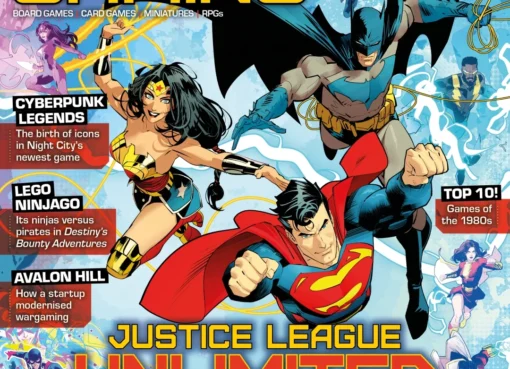
Gotham City, Metropolis, and Beyond – May 27, 2026 – The iconic pantheon of DC Comics heroes is set to welcome a new generation of storytellers and adventurers, as an officially licensed tabletop roleplaying game (TTRPG), Justice League Unlimited: The Roleplaying Game, prepares for launch on the crowdfunding platform Gamefound. Sign-ups for the highly anticipated campaign are now live, signaling the imminent arrival of a narrative-driven experience that invites players to craft their own legends within the vast and intricate DC Universe. Co-authored by the legendary DC creator Mark Waid, this release marks the first official Justice League TTRPG in nearly two decades, promising a fresh and immersive journey into heroism.
Scheduled to go live on Gamefound in July 2026, the project is a collaborative effort between the innovative Brazilian games publisher D20 Culture and the global entertainment giant Warner Bros. Discovery Global Consumer Products. This partnership aims to deliver a meticulously crafted system that empowers players to either embody established luminaries of the Justice League or introduce entirely unique heroes into a universe shaped by profound events and moral dilemmas. With a free Quickstart version of the rules already available for download on DriveThruRPG, the stage is set for an unprecedented dive into the boundless possibilities of the DC Multiverse.
Main Facts: A New Dawn for DC TTRPGs
The announcement of Justice League Unlimited: The Roleplaying Game represents a significant milestone for fans of both tabletop roleplaying and the DC Universe. This isn’t merely another licensed game; it’s positioned as a narrative-first experience designed to delve deep into the essence of what it means to be a hero in a world constantly teetering on the brink.
At its core, the game is built around player agency and storytelling. Participants are granted unparalleled freedom to conceptualize and develop their own super-powered beings, complete with intricate backstories, unique moral codes, and evolving abilities. Alternatively, players can step into the boots of beloved characters like Superman, Batman, Wonder Woman, or The Flash, navigating the complex moral landscape and cosmic threats that define the Justice League’s existence.
The involvement of Mark Waid, a name synonymous with some of DC Comics’ most seminal works, including The Flash, Superman: Birthright, and the critically acclaimed Kingdom Come, lends immense credibility and excitement to the project. Waid’s profound understanding of the DC canon and his talent for crafting compelling narratives are expected to be instrumental in shaping a game that feels authentic and deeply resonant with the source material. His co-authorship suggests a commitment to lore-rich storytelling, ensuring that the game’s setting and narrative opportunities align with the high standards expected by DC aficionados.
This venture is a testament to the growing global reach of the TTRPG industry, with Brazilian publisher D20 Culture taking a prominent role. Their collaboration with Warner Bros. Discovery Global Consumer Products underscores the increasing demand for high-quality, officially licensed tabletop experiences that transcend geographical boundaries. The choice of Gamefound, a platform increasingly favored by ambitious crowdfunding campaigns, further highlights the project’s aim to connect directly with a passionate global community of gamers.
Chronology: A Return to the Tabletop After Decades
The journey of DC Comics into the tabletop roleplaying sphere has been episodic, marked by periods of both fervent activity and prolonged silence. The phrase "first official Justice League TTRPG in almost two decades" immediately prompts a look back at this rich, albeit intermittent, history.

Prior to this announcement, the most prominent official DC Comics TTRPGs include:
- DC Heroes (Mayfair Games, 1984): Widely regarded as a classic, this game system was renowned for its "MEGS" (Mayfair Exponential Game System) which allowed for scaling power levels and a robust, detailed approach to superheroics. It provided a comprehensive framework for playing in the DC Universe and had a significant run, producing numerous supplements.
- DC Universe Roleplaying Game (West End Games, 1999): Following Mayfair’s tenure, West End Games, known for its Star Wars: The Roleplaying Game, took the reins. This system introduced a different approach to character creation and conflict resolution, maintaining an official presence for DC Comics in the TTRPG space into the early 2000s.
- DC Adventures (Green Ronin Publishing, 2010): Utilizing the Mutants & Masterminds 3rd Edition ruleset, DC Adventures offered a more modern and flexible system for superhero roleplaying. While not strictly a "Justice League" specific game, it provided the tools to play within the DC Universe and feature its iconic heroes. It represented the last major official foray into a dedicated DC Comics TTRPG system for a significant period.
The gap since DC Adventures has been noticeable for many fans. While various generic superhero TTRPGs could be adapted to the DC Universe, the allure of an officially licensed product, one that directly engages with the canon, characters, and intricate lore of the Justice League, has remained strong. This new Justice League Unlimited: The Roleplaying Game therefore fills a long-standing void, rekindling the potential for officially sanctioned, collaborative storytelling within one of fiction’s most beloved universes.
The immediate chronology of Justice League Unlimited: The Roleplaying Game itself began with the recent opening of sign-ups for its Gamefound campaign. This pre-campaign phase is crucial for gauging interest and building momentum ahead of its full launch in July 2026. The simultaneous release of a free Quickstart guide further accelerates engagement, allowing prospective players to experience a taste of the rules and setting well in advance of the full game’s availability. This phased approach, from early access to rules to a full crowdfunding campaign, is a modern strategy designed to foster community and ensure a strong launch.
Supporting Data: Deep Dive into the Unlimited Universe
The heart of Justice League Unlimited: The Roleplaying Game lies in its meticulously crafted setting and innovative gameplay mechanics. The game posits a universe subtly, yet profoundly, influenced by the events of Amanda Waller’s actions in the DC comic-book series Absolute Power. This narrative backdrop immediately sets a tone of heightened stakes and moral ambiguity, suggesting that the traditional boundaries of heroism might be challenged.
In this iteration, the "Unlimited" Justice League operates from a newly established Watchtower, a beacon of hope and a strategic hub that welcomes all heroes into its ranks. This concept of an expanded, inclusive League is a critical design choice, fostering an environment where player-created heroes can seamlessly integrate alongside established icons. It moves beyond the confines of a fixed roster, embracing the vastness of the DC Universe and the endless potential for new champions.
Character Creation: Forging Your Own Legend
A core pillar of the game is its robust character creation system, offering players "complete freedom to bring their own vision of a hero to life." This isn’t just about choosing powers; it’s about crafting an identity. The game offers a diverse array of races and philosophies, from the regal might of Amazons and the incredible abilities of Kryptonians to the emergent powers of Meta-Humans and the advanced sentience of Cyber Constructs. Each choice opens doors to unique backstories, motivations, and approaches to conflict.

Players aren’t just selecting a power set; they’re defining their heroic archetype. Will they be "The Champion of Tomorrow," inspiring hope and leading with unwavering optimism? Or "The Dark Knight," wielding fear as a weapon from the shadows, operating on the fringes of conventional heroism? The system promises numerous such archetypes, allowing players to embody different facets of the heroic ideal, each with distinct narrative implications.
The Tacit Clauses: Defining Heroic Ethics
Beyond raw power, the game emphasizes the profound responsibility of bearing the heroic mantle. An official statement reveals, "In Justice League Unlimited: The Roleplaying Game, being a hero goes beyond simply defeating villains. The narrative delves into the profound responsibility of bearing this mantle." This is concretized through the League’s "Tacit Clauses" – five fundamental questions players answer during character creation that define each character’s moral code. This mechanic suggests a focus on ethical dilemmas, personal sacrifice, and the internal struggles that often define DC’s most compelling heroes, ensuring that players engage with the philosophical underpinnings of heroism, not just its spectacular displays.
Ascension Points (PAX) and Evolving Powers
Character progression is handled through Ascension Points (PAX), which players can use to customize six core Attributes: Potency, Accuracy, Agility, Resistance, Spirit, and Mind. This system allows for tailored development, enabling players to fine-tune their hero’s strengths and mitigate weaknesses.
Crucially, powers in Justice League Unlimited are designed to evolve over time. This dynamic progression means that a hero’s abilities aren’t static; they grow in scope and influence, "eventually allowing them to wield influence on a planetary scale." The breadth of powers available is expansive, encompassing iconic abilities like Super Strength, Flight, Speed Force, Magic, Telepathy, advanced technological Exoskeletons, and even the cosmic might of Lantern Rings. This promise of evolving power ensures that long-term campaigns will see heroes develop from local guardians to cosmic forces, mirroring the epic scale often seen in the comics.
Player Agency and Dynamic Scene Structures

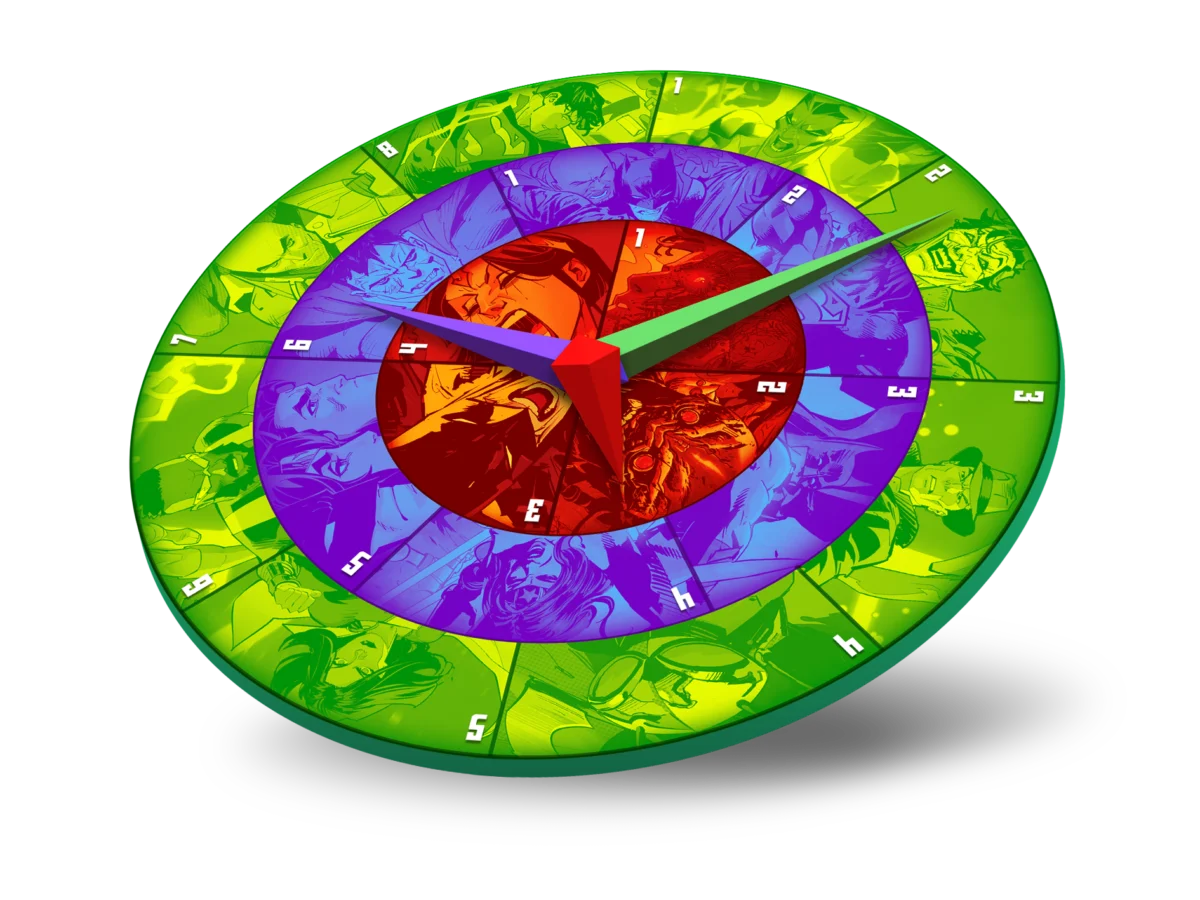
D20 Culture has engineered the game’s system to be a tool for creating "heroic sagas," prioritizing interpretation and collaborative storytelling between players and the "Editor" (the game master). The gameplay unfolds through a series of "dynamic scenes," each designed to elicit specific types of heroic engagement:
- Combat Scenes: These are described as "fast-paced and cinematic," ranging from street-level encounters with henchmen to world-ending confrontations with "apocalyptic forces." The emphasis here is on dramatic action and tactical decision-making, ensuring that heroic clashes feel impactful and visually evocative.
- Saving Scenes: A unique addition, these focus on "time sensitive missions to rescue innocent people from different disasters." This highlights the humanitarian aspect of superheroism, where saving lives is as crucial as defeating villains, often under immense pressure.
- Interlude Moments: Providing narrative breathing room, these are "quiet moments that allow players to delve deeper into their hero’s personality, interact with allies outside the battlefield, progress in personal arcs and recover for their next crisis." These interludes are vital for character development, fostering roleplaying, and building the emotional stakes of a campaign.
- The Crisis Die: This innovative mechanic introduces an element of unpredictable chaos. Activating the Crisis Die "unleashes catastrophic events that alter history’s course." Examples include unforeseen alien invasions, the sudden loss of powers, or the arrival of a time traveler. This system ensures that campaigns remain dynamic and challenging, forcing heroes to adapt to ever-changing circumstances and preventing complacency.
Official Responses: Vision and Ambition
The creators behind Justice League Unlimited: The Roleplaying Game have articulated a clear vision for its impact and design philosophy. Their statements underscore a commitment to both authenticity and innovation.
Mark Waid emphasizes the unique potential of the TTRPG medium: "Tabletop games have such an amazing opportunity to bring new stories to fans and allow them to experience these beloved worlds and characters in a whole new way." He continues, highlighting his primary objective: "Approaching Justice League Unlimited: The Roleplaying Game, my priority has been to set up a new story that fits authentically into this canon and builds upon it to provide a narrative playground for players to make their own. I can’t wait to reveal more so stay tuned." Waid’s focus on an "authentic" yet "new story" that serves as a "narrative playground" speaks volumes about the game’s balance between respecting established lore and fostering player creativity. His involvement is a strong indicator that the game will offer rich storytelling opportunities consistent with the DC narrative tradition.
Peterson Rodrigues, CEO at D20 Culture, expresses the publisher’s ambition for the project: "With Justice League Unlimited: The Roleplaying Game, we are really pushing our work to new heights to create an original and bold system for players to immerse themselves in the tales of the Justice League." He adds, "We cannot wait to bring this to audiences across the world." Rodrigues’ statement underscores D20 Culture’s commitment to innovation and their aspiration to deliver a truly groundbreaking system. The emphasis on an "original and bold system" suggests that the game will not simply rehash existing mechanics but will strive to forge new paths in superhero TTRPG design, tailored specifically to the unique dynamics of the Justice League.
These official responses collectively paint a picture of a project driven by passion, respect for the source material, and a clear vision for an engaging and innovative tabletop experience. The creators are not just delivering a product; they are offering an invitation to become an active participant in the ongoing saga of the Justice League.
Implications: Reshaping the Heroic Landscape
The launch of Justice League Unlimited: The Roleplaying Game carries significant implications for various stakeholders within the gaming and entertainment industries.
For Players and DC Fans: This game represents a dream come true for many. It offers an unparalleled opportunity to directly influence the narrative of the DC Universe, creating personal stories that intertwine with the grander tapestry of the Justice League. The ability to create original heroes alongside established ones fosters immense replayability and personal investment. The focus on moral choices and evolving powers promises a deep, meaningful experience that goes beyond simple combat encounters. The free Quickstart guide is a crucial implication, lowering the barrier to entry and allowing a broad audience to sample the game before committing to the full campaign. This could significantly expand the TTRPG player base by attracting DC enthusiasts.

For the TTRPG Industry: The entry of such a prominent intellectual property as the Justice League, especially with the involvement of a creator like Mark Waid, signals the continued mainstreaming and growth of the tabletop roleplaying market. It highlights the increasing appetite for licensed TTRPGs that are not just cash-ins but thoughtfully designed experiences. The choice of Gamefound underscores the platform’s rising prominence as a viable and powerful alternative for crowdfunding major projects, allowing publishers to engage directly with their target audience. D20 Culture’s role as a Brazilian publisher on a global stage also implies a diversification of the industry, showcasing talent from beyond traditional TTRPG publishing hubs. This collaboration could pave the way for more international partnerships and innovative game designs.
For Warner Bros. Discovery Global Consumer Products: This TTRPG represents a strategic expansion of the Justice League brand into an interactive and highly engaging medium. It fosters deeper fan engagement than passive consumption of comics or films, transforming fans into active creators within the universe. This can lead to stronger brand loyalty and open up new revenue streams through future expansions, merchandise, and digital content associated with the game. It also leverages the vast lore of DC Comics in a format that encourages long-term immersion.
Future Content and Expansion: The game’s modular design, with its focus on character evolution and dynamic scenes, suggests a rich roadmap for future expansions. New hero archetypes, additional races, advanced powers, iconic villains, and new campaign settings within the DC Multiverse could all be introduced, ensuring the game remains fresh and engaging for years to come. The "Unlimited" aspect of the League itself provides a narrative hook for endless possibilities, allowing the game to adapt and grow alongside the comic universe it draws inspiration from.
In conclusion, Justice League Unlimited: The Roleplaying Game is poised to be more than just a game; it’s an invitation to become part of the DC legacy. With a renowned creator at the helm, an innovative system, and a commitment to narrative depth, it promises to redefine what an officially licensed superhero TTRPG can achieve. Fans are encouraged to sign up on Gamefound now and download the free Quickstart guide to begin their journey toward forging their own legendary sagas in the unlimited universe of the Justice League.



Leave a Comment