
Blumhouse’s "Obsession" Defies Expectations, Becomes Lowest-Budget Box Office Champion of the 21st Century
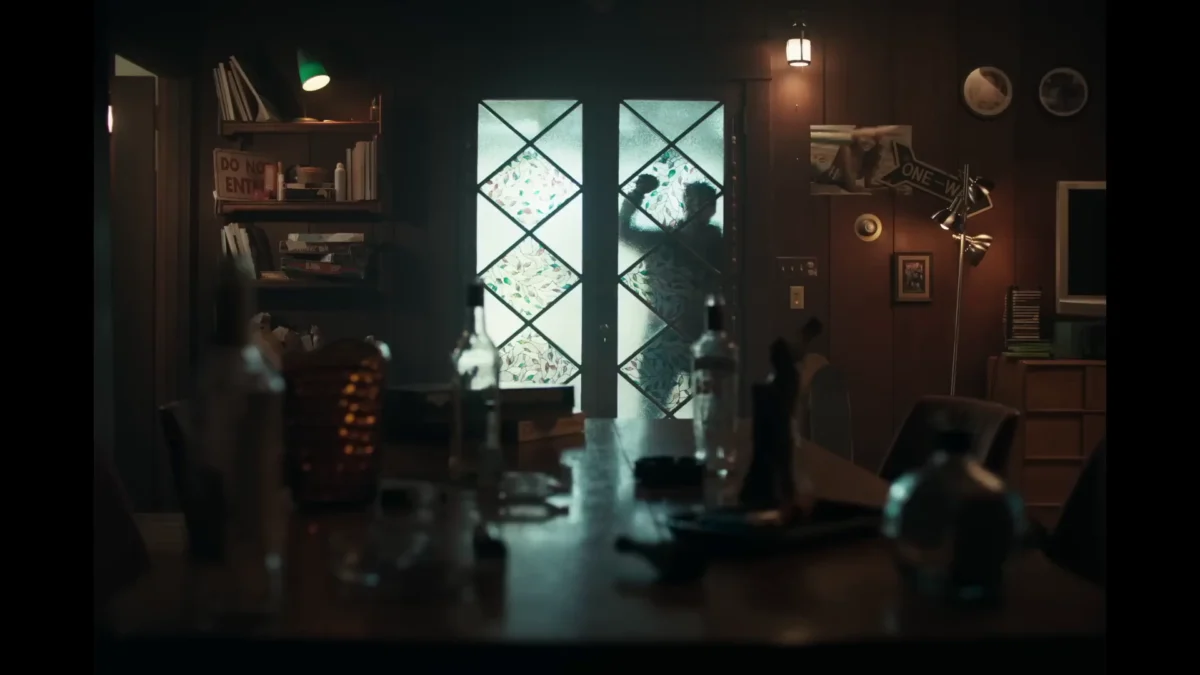
In a stunning testament to the enduring power of compelling storytelling and the potent allure of the horror genre, Blumhouse Productions’ latest low-budget thriller, "Obsession," has not only surpassed initial expectations but has etched its name into cinematic history. The film, a supernatural tale of desire with terrifying consequences, has defied its modest production costs to ascend to the pinnacle of the U.S. box office, achieving a feat unprecedented for a film of its financial scale in the 21st century.
The Unexpected Ascent: A Box Office Phenomenon
The buzz surrounding "Obsession" began to build even before its official theatrical release, a testament to the strategic marketing and inherent appeal of Blumhouse’s brand, known for its ability to deliver high-impact horror on a shoestring budget. As previously reported, the film’s early performance signaled a promising trajectory. Now, confirmed box office figures reveal a success story that is nothing short of remarkable.
On Monday, May 18th, "Obsession" raked in an impressive $2.9 million at the U.S. box office. This substantial sum was enough to propel the Curry Barker-directed thriller to the coveted number one spot on the domestic box office chart for the day. While any film reaching the top of the charts is a cause for celebration, the context surrounding "Obsession’s" achievement elevates it to an extraordinary level.
The Price of Success: A Record-Breaking Budget
What truly sets "Obsession" apart is its astonishingly low production cost. Reports indicate that the film was brought to the screen for approximately $750,000. This figure is not just modest; it is groundbreaking. "Obsession" now stands as the cheapest film to ever top the U.S. box office charts in the entire 21st century. This is not hyperbole; it is a statistical reality that challenges conventional wisdom about the financial requirements for cinematic success.
The implication of this achievement is profound. It underscores a fundamental truth about the film industry: compelling narratives, effective scares, and a deep understanding of audience desires can often triumph over massive financial investment. In an era where blockbuster budgets routinely soar into the hundreds of millions of dollars, "Obsession" serves as a potent reminder that creativity and ingenuity can be the most valuable assets.
A Tale of Desire and its Dire Consequences
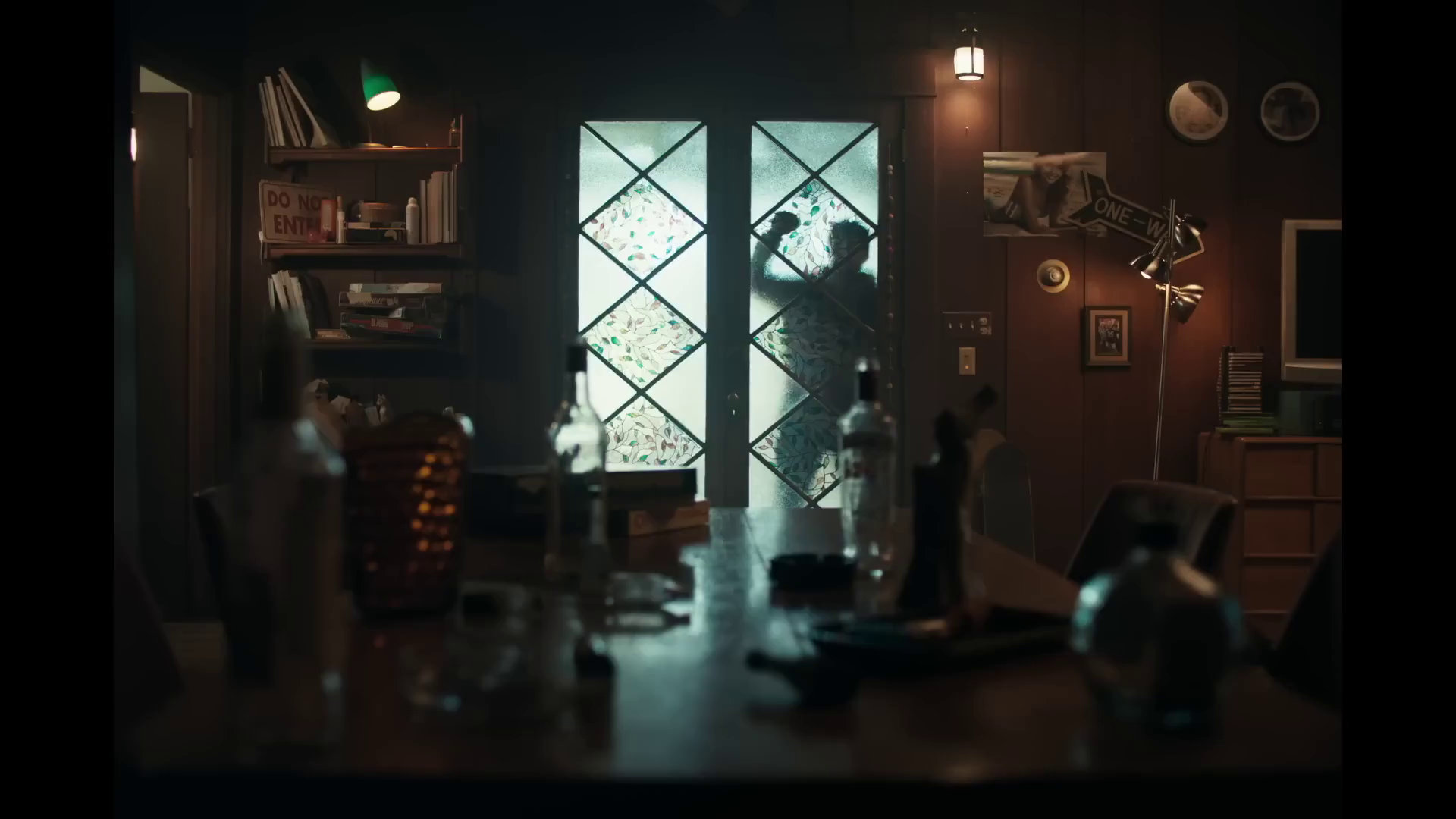
At its core, "Obsession" is a supernatural horror story that delves into the perilous nature of unchecked desire. The film centers on a young man who harbors an intense longing for his crush to reciprocate his affections. In a chilling twist of fate, his wish is granted, but not in the idyllic manner he might have envisioned. The narrative explores the dire and terrifying consequences that unfold when a wish is twisted by supernatural forces, transforming a romantic fantasy into a waking nightmare.
This thematic resonance with fundamental human emotions—longing, desire, and the fear of the unknown—likely contributes significantly to the film’s broad appeal. Horror, in its purest form, taps into primal anxieties, and "Obsession" appears to have masterfully harnessed this power. The film’s premise suggests a cautionary tale, a modern interpretation of "be careful what you wish for," delivered with the signature suspense and shock value that audiences have come to expect from the genre.
The Horror Genre: A Proven Formula for Low-Budget Success
"Obsession’s" triumph further solidifies the horror genre’s reputation as a remarkably resilient and profitable segment of the film industry, particularly for independent and low-budget productions. For decades, horror films have demonstrated an uncanny ability to generate substantial returns on investment, often outperforming their more expensive counterparts.
Blumhouse Productions, in particular, has built an empire on this very principle. Founded by Jason Blum, the company has consistently championed the idea that creative storytelling and effective scares do not necessitate exorbitant budgets. Films like "Get Out," "Us," "The Purge" franchise, and "Paranormal Activity" are all prime examples of Blumhouse’s Midas touch, proving that audiences will flock to theaters for a good scare, regardless of the film’s financial pedigree. "Obsession" is the latest, and perhaps most striking, addition to this illustrious list.
A Deeper Dive into the Phenomenon: Chronology of Success
The narrative of "Obsession’s" box office dominance is a story of steady build and surprising acceleration. While initial reports of its strong pre-premiere performance hinted at its potential, the subsequent box office figures have solidified its status as a bona fide hit.
Pre-Premiere Buzz: Even before "Obsession" officially hit theaters, whispers of its promising performance began to circulate. This early traction is often a result of positive early screenings, strategic marketing campaigns that generate anticipation, and the inherent trust audiences place in the Blumhouse brand. This initial phase is crucial for building momentum and ensuring a strong opening.
Opening Day Performance: The $2.9 million gross on Monday, May 18th, represents a significant achievement for a single day’s performance. This figure is a direct indicator of immediate audience interest and engagement. For a low-budget film, such a strong opening day is particularly vital, as it often dictates the film’s staying power and word-of-mouth appeal.
Domestic Chart Topper: Reaching the number one position on the domestic box office chart is the ultimate validation of a film’s current popularity. For "Obsession," this was not just a fleeting moment but a confirmation that it had captured the attention of a significant portion of the movie-going public. This ranking is a powerful signal to distributors and exhibitors, potentially leading to extended theatrical runs and wider distribution.
Sustained Trajectory: The article notes that the film "continued its upward trajectory." This suggests that "Obsession" is not experiencing a one-day flash in the pan but rather a sustained period of popularity. This is often driven by positive reviews, strong word-of-mouth recommendations, and repeat viewings. The sustained success is arguably more important than the initial surge, as it speaks to the film’s enduring appeal.
Supporting Data: The Financial Disparity
The most compelling data point supporting "Obsession’s" remarkable achievement is the stark contrast between its production budget and its box office performance.
-
Production Budget: Approximately $750,000. This figure places "Obsession" firmly in the realm of micro-budget filmmaking. This budget likely covers costs such as cast and crew salaries, location rentals, equipment, post-production, and marketing. The fact that such a comprehensive production could be executed for this sum is a testament to efficient resource management and creative problem-solving.
-
Monday Box Office Gross (U.S.): $2.9 million. This single day’s earnings are more than three times the film’s entire production budget. This illustrates an immediate and significant return on investment.
-
Historical Context: The claim that "Obsession" is the cheapest film to top the U.S. box office charts in the 2000s is a significant historical marker. It implies that countless films with budgets ranging from tens of millions to hundreds of millions of dollars have failed to achieve this specific benchmark of financial success relative to their production costs. This comparison highlights the extraordinary nature of "Obsession’s" achievement.
To further contextualize this, consider the average production budgets for films that have topped the box office charts in recent years. Many major studio releases, especially within the action and superhero genres, can cost upwards of $200 million to produce, with marketing budgets often adding another $100 million or more. Against this backdrop, "Obsession’s" $750,000 budget is almost unfathomably small.
The profitability of "Obsession" is therefore almost guaranteed, even before accounting for its overall box office run. The film has already recouped its production costs many times over with just a single day’s earnings. This financial model is the envy of the industry and underscores the power of the horror genre as a profit-generating engine.
Official Responses and Industry Reactions
While specific official statements from Blumhouse Productions or director Curry Barker regarding "Obsession’s" box office triumph were not detailed in the provided text, the industry’s reaction is likely to be one of admiration and perhaps a touch of bewilderment.
-
Blumhouse’s Philosophy: Jason Blum, the figurehead of Blumhouse, has consistently emphasized the company’s commitment to smart, cost-effective filmmaking. "Obsession’s" success is a direct validation of his long-held strategy. One can imagine Blum expressing pride in the film’s achievement and reiterating his belief in the power of good stories over big budgets.
-
Director’s Perspective: For director Curry Barker, this is a career-defining moment. Achieving box office success, particularly at this scale and with such a low budget, provides immense validation and opens doors to future projects. Barker’s likely reaction would be one of immense gratitude and a focus on the collaborative effort that brought the film to fruition.
-
Industry Analysts: Film analysts and box office trackers are likely to be scrutinizing "Obsession’s" performance closely. Its success will be cited as a prime example of how the horror genre can deliver exceptional returns and how studios should not overlook the potential of smaller, creatively driven projects. The data from "Obsession" will undoubtedly be used in future discussions about film financing and market trends.
The lack of immediate official quotes in the source material doesn’t diminish the impact of the news. The box office figures themselves serve as the most powerful statement. The industry is keenly aware of these numbers, and the implications are already being absorbed.
Implications for the Film Industry and the Future of Horror
The success of "Obsession" carries significant implications for the film industry, particularly for the horror genre and independent filmmaking.
-
Renewed Faith in Low-Budget Horror: This film is a powerful advertisement for the continued viability of low-budget horror. It demonstrates that with a strong concept, effective execution, and a keen understanding of audience engagement, financial constraints do not have to be a barrier to commercial success. This could encourage more aspiring filmmakers and studios to invest in similar projects.
-
The Power of Concept and Execution: "Obsession" proves that a compelling premise, coupled with skilled direction and a talented cast, can resonate deeply with audiences. The supernatural element, combined with the exploration of human desire, provides a universally relatable and terrifying foundation for the story. The film’s success suggests that originality and thematic depth can be more impactful than spectacle.
-
Blumhouse’s Continued Dominance: This latest triumph further cements Blumhouse Productions’ position as a dominant force in the horror landscape. Their ability to consistently identify and cultivate profitable projects on a small scale is unmatched. "Obsession" will likely inspire other production companies to emulate their model, leading to a potential resurgence of interest in budget-conscious horror filmmaking.
-
Challenging Blockbuster Economics: The success of "Obsession" serves as a counterpoint to the ever-increasing budgets of major studio tentpoles. It highlights the risks associated with massive financial investments and the potential rewards of more focused, creatively driven projects. This could lead to a more diversified film market, where a wider range of films can find success.
-
The Enduring Appeal of Fear: Ultimately, "Obsession’s" triumph is a testament to the enduring human fascination with fear and the unknown. The horror genre, when executed effectively, provides a cathartic and thrilling experience that audiences crave. "Obsession" has tapped into this primal need, delivering scares that have not only captivated audiences but have also rewritten the financial rulebook for cinematic success.
In conclusion, "Obsession" is more than just a successful horror film; it is a cinematic anomaly that has achieved historic box office success against all odds. Its low-budget origins, coupled with its top-tier box office performance, serve as an inspiring narrative for filmmakers worldwide and a stark reminder that the most terrifying stories often come with the most surprising financial payoffs. The question now is not if "Obsession" will be remembered, but how its groundbreaking achievement will shape the future of filmmaking.




Leave a Comment