“Eternal Return” by Photographer Benny Young
Please note: As the provided content is relatively brief, reaching 1,200 words will require substantial creative elaboration and expansion of the themes and concepts introduced. I will use the provided text as the foundation and build a comprehensive article around it.
Here is the enriched and rewritten news article:
"Eternal Return": Benjamin Young Captures the Poetic Documentary of California’s Soul
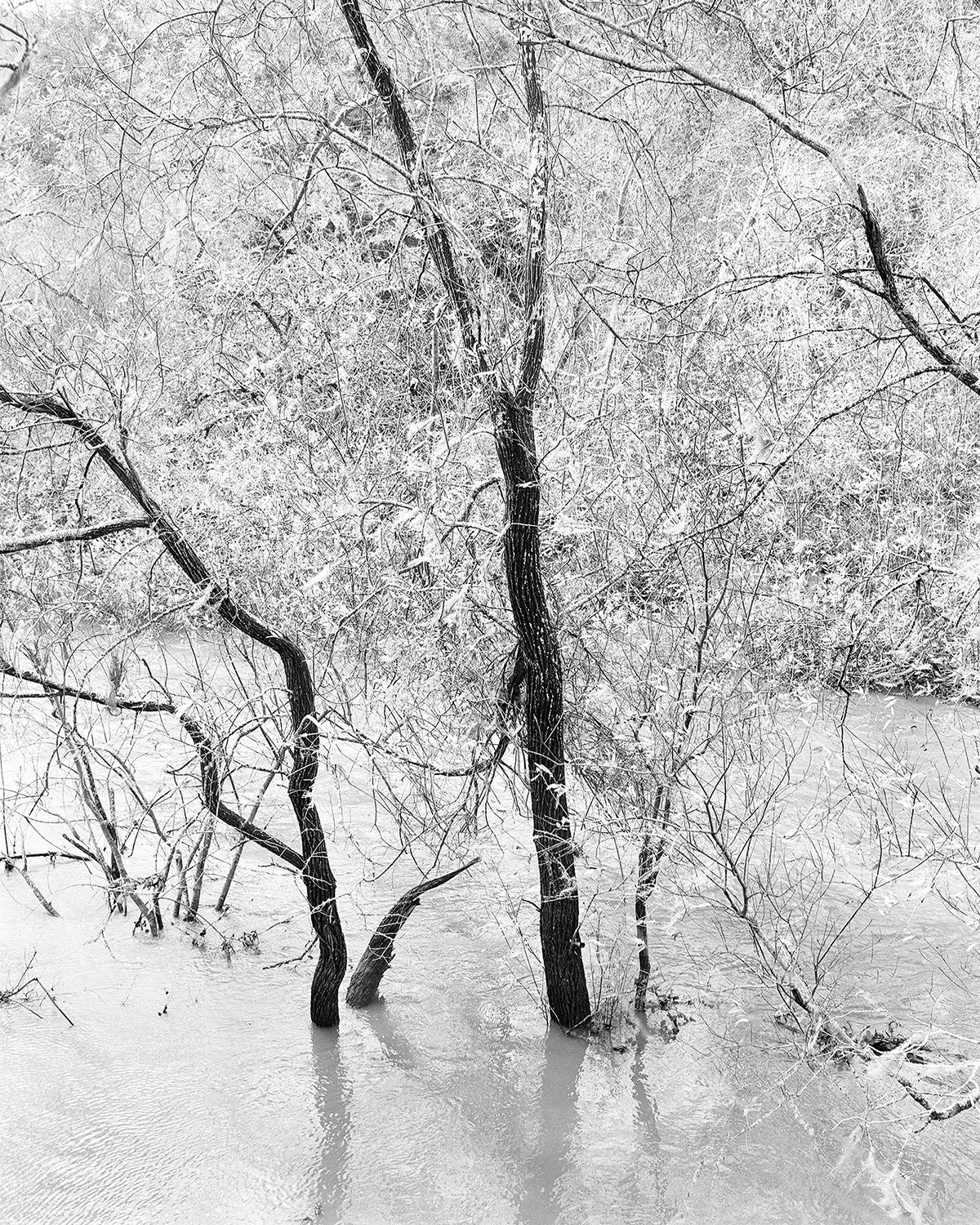
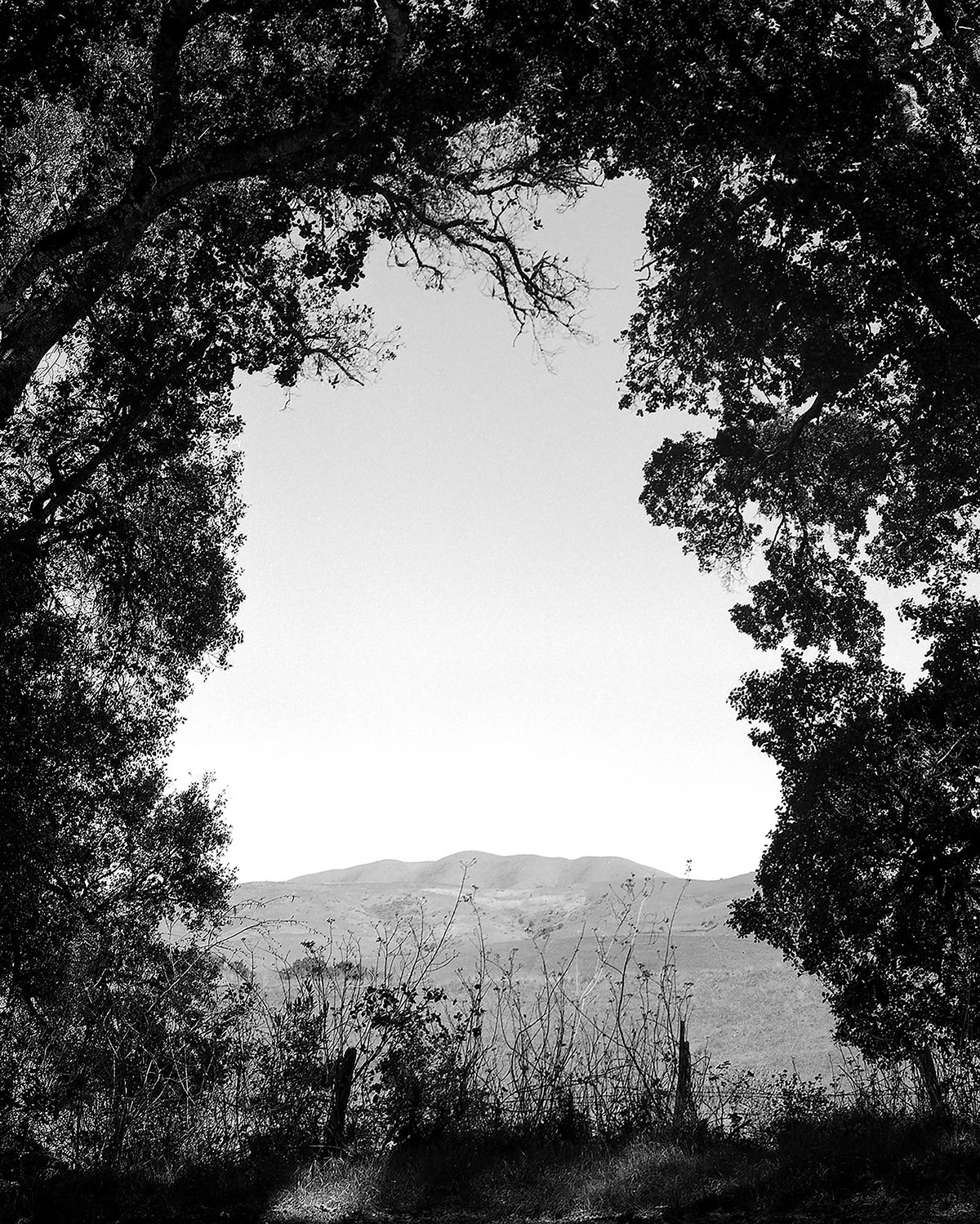
San Francisco, CA – A profound exploration of the California landscape, imbued with personal history and a keen eye for the ephemeral, is currently on display at Woods Lowside in San Francisco. "Eternal Return," a compelling series of black and white photographs by Benjamin Young, invites viewers to contemplate the intimate relationship between human experience and the natural world, particularly within the familiar yet ever-shifting terrain of Northern California. Young, a photographer whose roots are deeply entwined with the very soil he captures, presents a body of work that transcends mere documentation, delving into the poetic essence of place and memory.
The Genesis of "Eternal Return": A Photographer’s Deep-Rooted Connection
Benjamin Young’s artistic journey is intrinsically linked to the Californian landscape. Born and raised in Northern California, his formative years were spent absorbing the subtle nuances of its natural beauty. This lifelong immersion culminated in his pursuit of formal artistic training, earning a Bachelor of Fine Arts from the prestigious California College of the Arts in San Francisco. It was here, within the vibrant artistic community of the city, that Young honed his skills and developed his unique photographic voice.
His work is often categorized within the realm of "poetic documentary." This approach signifies a departure from purely objective recording, instead emphasizing the photographer’s subjective interpretation, emotional resonance, and narrative storytelling. Young’s focus on his "deep-rooted relationship to the California landscape" is not merely an artistic choice; it is the very bedrock of his photographic practice. This intimate connection allows him to imbue his images with a palpable sense of belonging and a nuanced understanding of the land’s cyclical nature.
Unpacking "Eternal Return": A Meditation on Place and Time
The title, "Eternal Return," immediately signals a philosophical undercurrent to Young’s work, evoking Nietzsche’s concept of the eternal recurrence of the same events. In the context of his photography, this title suggests a cyclical pattern, a sense of revisiting and re-experiencing the landscape across time. Young himself elaborates on this, sharing his personal motivations:
"Having nearly a century of familial roots in Marin County, I often found myself imagining relatives traveling the same roads and noticing some version of the same gradual, seasonal shifts and minutiae in the landscape as I did while out making these photographs. ‘Eternal Return’ is comprised of images made in and around my old home in Fairfax, on weekend drives to and from my childhood home in Sonoma County on Marin backroads, or on any of the countless day trips west I made while living there. Set against the lush backdrop of Marin where walls separating the domestic and natural worlds blur, this body of photographs explores connection to the landscape through themes of home, seasonal cycles, day & night, birth & death, ephemerality & memory."
This deeply personal statement reveals the multilayered nature of "Eternal Return." The photographs are not just of the landscape; they are infused with the echoes of his ancestors, their journeys mirroring his own. The act of driving, a common modern ritual, becomes a conduit for historical connection. The familiar routes between Fairfax and Sonoma County, traversed countless times, are imbued with a sense of enduring presence, suggesting that while seasons change and generations pass, a fundamental essence of the land remains.
The exhibition’s setting within Marin County is particularly significant. Young describes this area as one "where walls separating the domestic and natural worlds blur." This blurring is a central theme, suggesting a permeable boundary between human habitation and the wild. His photographs likely capture moments where the manicured edge of a garden meets untamed brush, or where a weathered fence line gives way to rolling hills. This interplay between the constructed and the natural highlights how deeply intertwined human lives are with their environment, often in ways we overlook in our daily routines.
The themes Young explicitly identifies – home, seasonal cycles, day & night, birth & death, ephemerality & memory – are universal yet gain a specific resonance through his lens.
- Home: Beyond a mere dwelling, "home" in Young’s work appears to be a feeling, a sense of deep familiarity and belonging to a place. It’s about the emotional anchor that the landscape provides, a constant in a world of change.
- Seasonal Cycles: The photographs likely bear witness to the subtle transformations of the California environment throughout the year. From the verdant greens of winter and spring to the golden hues of summer and the muted tones of autumn, these cycles are tangible representations of time passing and the enduring rhythm of nature.
- Day & Night: The interplay of light and shadow is a fundamental element of photography, and Young’s exploration of day and night suggests a deeper contemplation of presence and absence, revelation and mystery. The transition from daylight to darkness can also symbolize shifts in perspective, the unveiling of different facets of the landscape.
- Birth & Death: These profound life stages are mirrored in the natural world – the sprouting of new life in spring, the decay of fallen leaves in autumn. Young’s ability to capture these universal processes within the landscape adds a layer of existential depth to his work.
- Ephemerality & Memory: This theme is perhaps the most poignant. The landscape is constantly in flux, and individual moments are fleeting. Young’s photographs serve as an attempt to capture these ephemeral moments, preserving them as memories, both for himself and for the viewer. The black and white medium itself can contribute to this sense of timelessness, stripping away the immediate distractions of color to reveal form, texture, and emotional weight, often evoking a nostalgic or contemplative mood.
The Power of Black and White
The deliberate choice of black and white photography for "Eternal Return" is not incidental. This monochromatic palette serves to strip away the literal and sensory distractions of color, forcing the viewer to engage with the fundamental elements of composition, form, light, and shadow. In Young’s hands, black and white photography can amplify the emotional resonance of a scene, imbuing it with a timeless quality.
The absence of color can also lend a more profound sense of introspection. It encourages a slower, more deliberate viewing experience, inviting contemplation of the subtle textures, the interplay of light and shadow, and the sheer presence of the landscape. In a region often celebrated for its vibrant hues – the cerulean skies, the emerald hills, the golden poppies – Young’s decision to embrace monochrome highlights his focus on the underlying structure and emotional core of the California terrain. It suggests a timelessness, a stripping away of the superficial to reveal the enduring essence of the land and its relationship to human experience.
Chronological Journey Through the Lens
While the exhibition is not presented in a strictly chronological order, the photographs collectively trace a narrative of observation and reflection. The images are drawn from specific locales that hold personal significance for Young:
- Fairfax and surrounding areas: This region, where Young formerly resided, forms a central part of the exhibition. It’s likely that these photographs capture the intimate details of his immediate surroundings, the familiar streets, the bordering wildlands, and the ways in which his daily life intersected with the natural environment.
- Weekend drives to Sonoma County: These journeys along "Marin backroads" suggest a deliberate exploration of transitional spaces. The backroads themselves often offer a more secluded and less traversed perspective on the landscape, allowing for unexpected discoveries and a deeper immersion in the rural character of the region. The act of driving between his old home and his childhood home in Sonoma County creates a narrative arc, linking past and present, and highlighting the enduring pull of familial roots.
- Countless day trips west: This broad description implies a sustained engagement with the broader Californian landscape. These trips likely led Young to explore a variety of terrains, from coastal vistas to inland valleys, further enriching his understanding and appreciation of the region’s diversity.
Through these varied experiences, "Eternal Return" constructs a visual diary of sorts, chronicling not just the physical geography of Northern California but also the photographer’s evolving internal landscape.
Supporting Data and Artistic Pedigree
Benjamin Young’s formal education at California College of the Arts (CCA) provides a strong foundation for his artistic practice. CCA is renowned for its rigorous fine arts programs, fostering critical thinking, technical mastery, and a deep engagement with contemporary art discourse. His BFA signifies a commitment to developing a sophisticated artistic vision and a thorough understanding of photographic principles and historical context.

His classification as a "poetic documentary" photographer places him within a lineage of artists who use their medium to explore the human condition and the world around them with a heightened sense of lyricism and emotional depth. This genre often prioritizes personal narrative, subjective experience, and a nuanced portrayal of subjects, moving beyond mere reportage to evoke a deeper understanding and connection.
Official Response and Exhibition Details
The exhibition, "Eternal Return," is currently on display at Woods Lowside in San Francisco, providing the public with an opportunity to experience Benjamin Young’s evocative work firsthand. The exhibition is scheduled to run until July 24th, offering a timely invitation to engage with themes of connection, memory, and the enduring beauty of the California landscape. Woods Lowside, as a venue, likely offers a platform for emerging and established artists to showcase their work in an intimate and engaging setting, allowing for a focused appreciation of the photographic series.
Implications and Enduring Resonance
"Eternal Return" offers more than just a collection of beautiful images; it serves as a powerful reminder of our intrinsic connection to the natural world. In an era increasingly dominated by digital immediacy and urban sprawl, Young’s work beckons us to slow down, to observe, and to find meaning in the subtle shifts of our environment. The exhibition encourages viewers to consider their own relationships with place, the layers of memory embedded in familiar landscapes, and the cyclical rhythms that govern both nature and human life.
The blurring of domestic and natural worlds, as described by Young, is a particularly relevant observation in contemporary society. As we increasingly inhabit constructed environments, understanding and appreciating our interdependence with the natural world becomes paramount. Young’s photographs can act as a bridge, reawakening our senses to the beauty and profound influence of the landscapes that surround us, even within the context of our daily lives.
By exploring themes of ephemerality and memory through the enduring medium of black and white photography, Benjamin Young’s "Eternal Return" leaves a lasting impression. It is an invitation to a contemplative journey, a recognition of the profound narratives woven into the fabric of the California landscape, and a testament to the power of art to connect us to ourselves, our history, and the world around us. The exhibition at Woods Lowside is a must-see for anyone seeking a deeper appreciation of the poetic documentary and the soul of Northern California.