"Freak War" Unleashes Whimsical Chaos: A New Era for Accessible Card Battling
Sheltonshire Games Unveils a Hybrid Party TCG Designed to Simplify Strategic Fun
In an increasingly crowded landscape of trading card games (TCGs) and party board games, a new contender is emerging that promises to blend the best of both worlds with a healthy dose of whimsical chaos. "Freak War," the brainchild of cartoonist Nate Galbraith, known online as sketchnate, is poised to redefine accessible card battling by marrying the evolving monster mechanics of Pokémon with the fast-paced, unpredictable fun of titles like Exploding Kittens, all while drawing inspiration from the timeless simplicity of the classic card game War. This innovative party TCG aims to strip away the often-intimidating complexities of traditional TCGs, offering a refreshing experience where players can jump straight into the action without the prerequisite of extensive rule memorization or intricate deck construction.
Main Facts: Unveiling "Freak War" – A Fresh Take on Card Battles
"Freak War" arrives as a vibrant and engaging response to a common dilemma faced by aspiring card game enthusiasts: the steep learning curve and financial investment often associated with popular TCGs. By distilling the core enjoyment of creature battles and strategic card play into a more approachable format, Galbraith’s creation carves out a unique niche, appealing to both seasoned gamers and newcomers alike.
The Genesis of a Hybrid Card Game
The inspiration for "Freak War" is as charmingly unconventional as the game itself. Creator Nate Galbraith observed children attempting to orchestrate Pokémon battles using mere Uno cards, a testament to the universal appeal of monster-on-monster combat, even when lacking the proper tools. This observation, coupled with the realization that the classic game of War (or Battle, as it’s sometimes known) offered a foundational simplicity for head-to-head card comparisons, sparked the initial concept. Galbraith then fused these elements, layering on the chaotic, surprise-driven mechanics popularized by party game hits like Exploding Kittens. The result is a game that promises the strategic depth of a TCG without the barrier to entry, offering a "fun battles of trading card games without the effort of learning lots of rules or building a deck." This design philosophy directly addresses a significant pain point for many potential players, opening the genre to a broader audience.
Core Gameplay Mechanics
At its heart, "Freak War" simplifies the traditional TCG structure. Players, ranging from two to four or potentially more, can begin a game almost immediately by simply splitting a shuffled deck among themselves. While the option to build custom decks exists for those who enjoy that aspect, it is not a prerequisite for play, emphasizing the game’s commitment to accessibility.
The primary objective is straightforward: players simultaneously reveal a creature card, and the card with the highest attack level wins the round. However, the apparent simplicity quickly gives way to layers of strategic depth and unpredictable twists, reminiscent of Exploding Kittens’ disruptive card effects. Many cards in "Freak War" introduce various effects that can dramatically alter the flow of a round. These include the power to evolve creatures into more formidable forms, a direct nod to Pokémon’s iconic evolution system, and the ability to equip modifiers to either one’s own cards or an opponent’s, boosting or reducing their strength on the fly. This "take-that" element ensures that no single round is ever truly predictable, fostering an environment of constant engagement and surprise.
The game further distinguishes itself by offering two distinct modes of play: "War" and "Battle." The "War" mode embraces pure chaos, with players simply flipping the top card of their deck, making each round a test of luck and quick adaptation. Conversely, the "Battle" mode introduces a layer of strategy, allowing players to choose a card from their hand, thereby enabling more thoughtful decision-making and tactical planning. Both modes can be further customized with additional rulesets, such as "King of the Hill" or team-based play, adding significant replayability and catering to diverse player preferences.
In the event of a tie in attack level, the game introduces a classic "War" mechanic: tied players discard a card before facing off again with a new creature. The ultimate victor of a round claims all cards played, adding them to their personal "win pile." These collected cards are then reshuffled back into the player’s deck, ensuring a continuous flow of resources. The overarching goal is to be the last player standing, having successfully claimed all cards from their opponents. This dynamic ensures that every card lost and gained feels impactful, creating a compelling ebb and flow throughout the game.
The Whimsical World of Sheltonshire
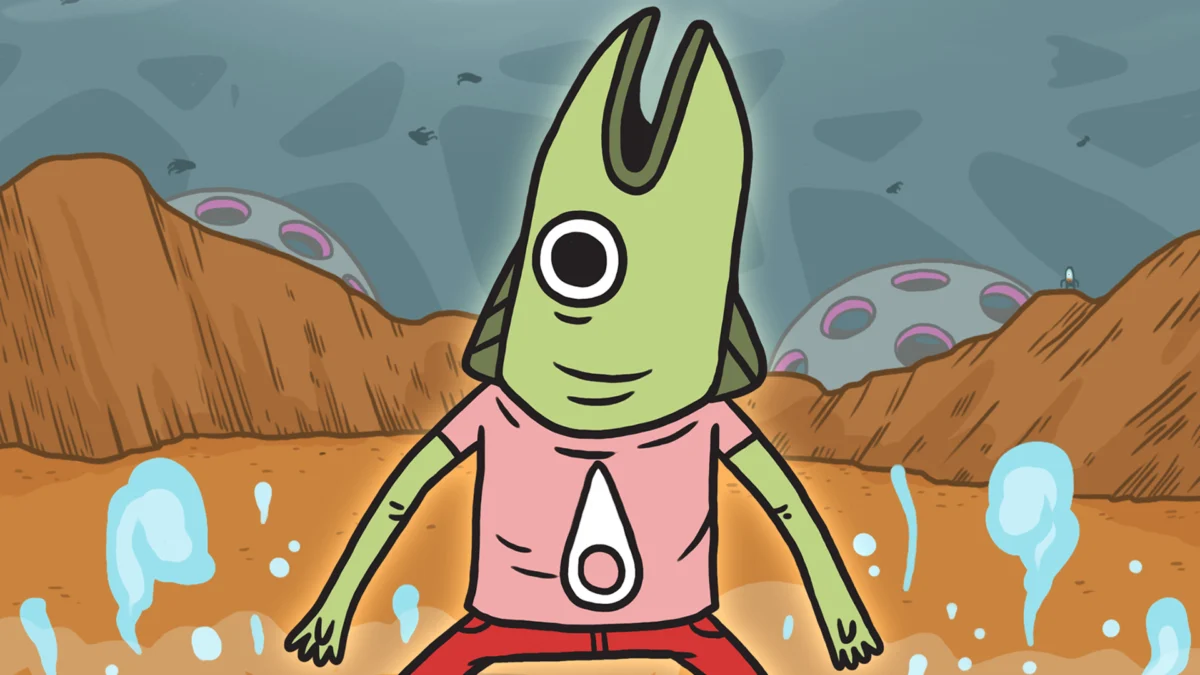
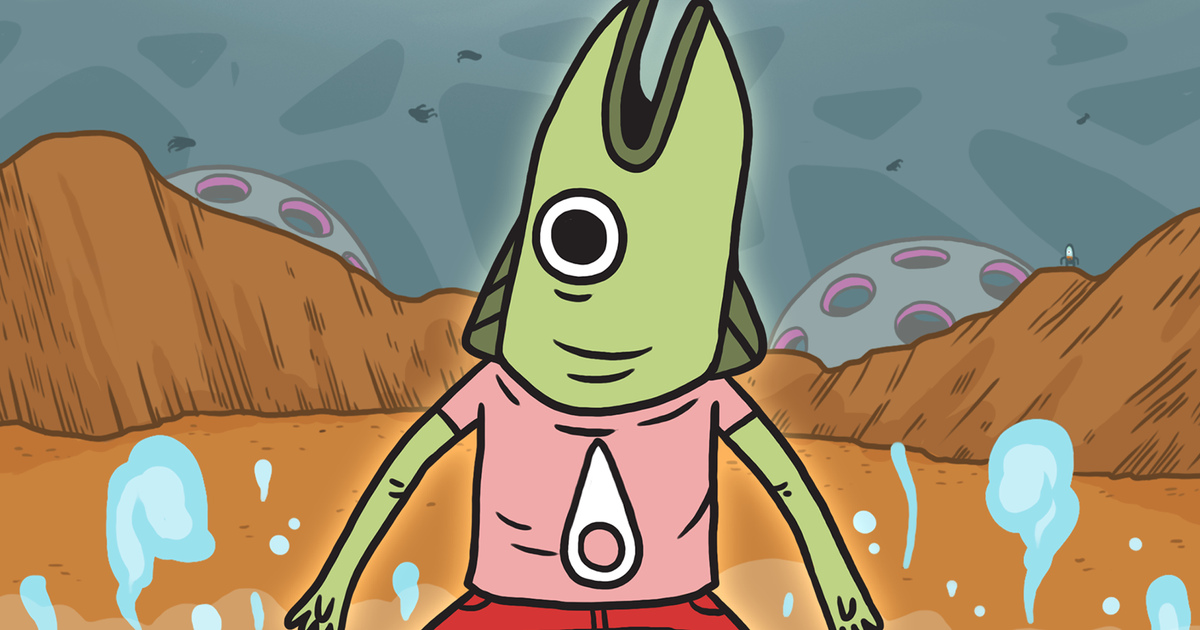
Beyond its innovative mechanics, "Freak War" captivates with its unique and endearing aesthetic. The game’s bizarre yet charming creatures are not merely numbers on a card; they are imbued with a rich, imaginative lore that adds significant character to the experience. The backstory posits the emergence of a "second sun" that triggers widespread mutation, transforming familiar animals into fantastical "freaks." Players will encounter a diverse menagerie of these altered beings, from muscly fishpeople and time-traveling tigers to a perpetually partying platypus, a dog sporting a goldfish bowl for a head, a melancholic bee, and a character playfully dubbed "Man Cat," who appears to be a bloke in a feline costume. This imaginative roster, rendered in Galbraith’s distinctive cartoon style, gives the game a strong visual identity and a memorable personality.
The modifier cards further contribute to this whimsical world, featuring items like a "Super Sword" and its even more potent counterpart, the "Super Duper Sword." Beyond mere stat boosts, these cards introduce strategic interactions such as swapping cards with a rival, canceling an opponent’s modifier, or engaging in coin flips for a chance at a power surge. Some creature effects even lean into playful meta-commentary, characteristic of a good party game. For instance, the "scrap-loving Fly Guy" gains power if there’s uneaten food near the players, directly engaging with the real-world environment of the game session. This blend of quirky lore, charming art, and self-aware humor ensures that "Freak War" is not just a game, but an experience.
Addressing the Party Game Landscape
In a market saturated with "copy-paste" or often "gross" party games – a clear jab at the prevalence of Cards Against Humanity clones and similar titles – "Freak War" offers a refreshing alternative. The article’s author expresses personal fatigue with such games and finds Galbraith’s "goofy creations and the sprinkling of chaotic take-that gameplay in the form of a TCG" particularly charming. The explicit inspiration from Pokémon card layouts further solidifies its appeal to fans of that franchise, while its party game sensibilities broaden its reach.
Priced accessibly at $20 per deck, "Freak War" positions itself as an ideal choice for quick, lighthearted fun among friends and family, particularly appealing to younger players who might be drawn to the creature designs and simple mechanics but deterred by more complex TCGs. The promise of "bunch of different packs filled with dozens more creatures from buff penguins to cute-looking snails" hints at significant replayability and collectible appeal, leveraging the natural curiosity to see Galbraith’s unique interpretations of creature evolution. This focus on inclusive, wholesome, yet engaging fun provides a welcome contrast to some of the more adult-oriented or overtly edgy party games dominating the market.
Chronology: From Concept to Crowdfunding Success
The journey of "Freak War" from a simple observation to a fully-fledged, crowdfunded game highlights the iterative process of creative development and the power of community support.
The Spark of Inspiration
The initial seed for "Freak War" was planted in a moment of serendipity. Nate Galbraith, a cartoonist by trade, witnessed children trying to mimic the complex battles of Pokémon using a set of Uno cards. This improvisational play underscored a fundamental desire for creature combat, even in the absence of specialized game components. Galbraith, keen to provide a more structured yet equally accessible alternative, suggested the classic card game War. This interaction served as the crucible where the core concept of "Freak War" began to take shape: a game that could capture the thrill of TCG battles with the simplicity of a traditional playing card game. The idea evolved rapidly, with Galbraith sketching his unique "strange creatures" onto the cards, immediately giving the nascent game its distinct visual identity and whimsical tone.
Design and Development Milestones
Following the initial spark, the design and development phases focused on refining the hybrid mechanics. Galbraith, presumably with a small team or independently, embarked on balancing the creature attack levels, designing the diverse effects of modifier cards, and ensuring the smooth integration of the Pokémon-esque evolution system. A crucial aspect was the differentiation between the "War" and "Battle" modes, ensuring they offered distinct play experiences while remaining cohesive within the overall game structure. Extensive playtesting would have been vital during this period, with feedback informing adjustments to card powers, rule clarity, and overall game flow. The iterative process would have ensured that the game remained fun, balanced, and, most importantly, accessible—the core tenet of its design. Simultaneously, the artistic development of the "freaks" themselves would have progressed, establishing the signature style that makes the game visually appealing and memorable. The consistency of this artistic vision, as seen in the provided images, speaks to a thoughtful and dedicated development process.
The Kickstarter Campaign Journey
The ultimate validation of "Freak War"’s concept arrived with its crowdfunding campaign on Kickstarter. Launched with a "fairly modest crowdfunding goal of $10,000," the project quickly resonated with potential backers, indicating a clear demand for its unique offering. The swift success in surpassing its target demonstrates the game’s immediate appeal and the community’s readiness for a fresh take on the party TCG genre. The campaign, which is slated to run until June 13th, serves not only as a funding mechanism but also as a platform to build a community around the game. Backers become early adopters and advocates, contributing to the game’s initial momentum and spreading awareness. The anticipated delivery date of "next June" suggests a carefully planned production and fulfillment timeline, allowing backers to look forward to receiving their copies just in time for summer gatherings and holiday fun, further cementing its identity as a social, casual game.
Supporting Data: The Market and Mechanics
"Freak War" enters a vibrant and competitive market, yet its innovative approach leverages established trends while introducing novel elements.
The Booming TCG and Party Game Market
The global market for trading card games (TCGs) and party games is robust and continuously expanding. Iconic TCGs like Magic: The Gathering, Pokémon, and Yu-Gi-Oh! boast millions of players and generate billions in revenue annually, demonstrating a deep-seated demand for strategic card-based play and collectible elements. Parallel to this, the party game segment has seen explosive growth, with titles such as Exploding Kittens, Uno, and the ubiquitous Cards Against Humanity dominating social gatherings. These games are characterized by their ease of learning, high player interaction, and often humorous or chaotic elements.
"Freak War" strategically positions itself as a bridge between these two popular genres. It offers the thematic depth and creature-battling excitement associated with TCGs but strips away the intimidating barriers of complex rulesets and extensive deck-building that often deter casual players. By doing so, it taps into the vast audience of party game enthusiasts who might be curious about TCGs but find existing options too daunting, while also appealing to TCG veterans looking for a lighter, more social experience. This hybrid approach is a smart move in a market that increasingly values accessibility and versatility.
Deep Dive into Gameplay Elements
The true ingenuity of "Freak War" lies in its refined gameplay elements, each contributing to its unique blend of strategy and chaos.
-
Evolution System: Drawing clear inspiration from Pokémon, "Freak War"’s evolution system is more than just a thematic nod. It introduces a dynamic element to combat, allowing weaker creatures to transform into stronger forms mid-game. This mechanic adds a layer of strategic decision-making: when to evolve, which creatures to prioritize, and how to counter an opponent’s evolving threat. Unlike some TCGs where evolution might require specific energy cards or turns, "Freak War" likely integrates it in a streamlined, party-game friendly manner, possibly through specific card effects or conditions, keeping the pace brisk. This system not only adds visual flair but also depth to the otherwise simple "highest attack wins" mechanic.
-
Modifier Cards: These cards are the lifeblood of "Freak War"’s "take-that" and unpredictable gameplay, echoing the disruptive nature of Exploding Kittens. Modifiers like the "Super Sword" or "Super Duper Sword" offer straightforward power boosts, allowing players to turn the tide of a battle. More interestingly, cards that enable players to "swap cards with a rival" or "cancel a modifier" introduce direct player interaction and opportunities for clever counter-play. Imagine playing a powerful creature, only for an opponent to swap hands, leaving you with a weaker option, or cancelling your carefully placed modifier. The "flip coins for the chance of a power boost" mechanic injects a delightful element of chance, adding to the party game’s chaotic appeal. These modifiers ensure that even a seemingly lost round can be salvaged, or a winning hand unexpectedly thwarted, keeping all players engaged until the final card is revealed.
-
Game Modes (War vs. Battle): The inclusion of distinct "War" and "Battle" modes is a testament to the game’s versatility and commitment to catering to different playstyles. The "War" mode, where players simply flip the top card of their deck, is ideal for truly casual sessions, younger players, or when the group simply wants a quick, unpredictable game. It minimizes decision fatigue and maximizes spontaneous fun. The "Battle" mode, allowing players to choose a card from their hand, introduces strategic depth. Players must weigh the strength of their creatures against potential modifier cards, anticipate opponents’ moves, and manage their hand effectively. This duality significantly enhances replayability, allowing groups to tailor the experience to their mood and desired level of engagement. Furthermore, the ability to modify these modes with "King of the Hill" or team rules suggests a robust design that can adapt to various player counts and group dynamics, extending the game’s longevity and appeal.
-
Player Count and Scalability: The game’s design to accommodate "up to four (or more) players" is crucial for a party game. While the core mechanic of simultaneous card play scales well, the dynamic of winning and collecting all opponents’ cards would become increasingly complex with more players. However, the mention of "team rules" implies that larger groups can be accommodated, potentially by having teams share a win pile or targeting specific opponents, maintaining the chaotic fun without bogging down gameplay. The straightforwardness of the "highest attack wins" mechanic prevents analysis paralysis, which can often plague larger game groups.

Artistic Direction and Lore Expansion
The importance of visual appeal in card games cannot be overstated, and "Freak War" leverages Nate Galbraith’s cartoonist background to great effect. The unique and often humorous illustrations of the mutated creatures are a primary draw, making the cards themselves objects of interest. The "second sun" lore provides a simple yet effective narrative hook, justifying the fantastical transformations and opening doors for future expansions that could introduce new regions, environmental effects, or further mutations. The "playfully meta" aspects, such as the "Fly Guy" gaining power from nearby uneaten food, are ingenious touches that break the fourth wall, directly involving the players’ environment and enhancing the lighthearted party game atmosphere. This commitment to a distinctive artistic style and a quirky narrative ensures that "Freak War" stands out visually and conceptually.
Official Responses: The Creator’s Vision and Community Engagement
While direct quotes from Nate Galbraith are not extensively provided in the initial article, his vision and the ethos of Sheltonshire Games are clearly discernible through the game’s design and its successful crowdfunding campaign.
Nate Galbraith’s Philosophy
Galbraith’s philosophy, as evidenced by "Freak War," appears rooted in a desire to democratize the fun of card battling. His inspiration from children improvising Pokémon battles with Uno cards speaks volumes about his understanding of core player desires: the thrill of powerful creatures clashing, the joy of unpredictable outcomes, and the accessibility of a shared experience. He seems motivated by the idea that the enjoyment of TCGs shouldn’t be confined to those willing to invest significant time and money into complex systems. Instead, he aims to distill that enjoyment into a package that is instantly understandable and immediately engaging.
His perspective on the current party game market, which he indirectly critiques as being filled with "copy-paste or just downright gross" games, further highlights his intent to offer a refreshing and wholesome alternative. Galbraith’s vision for "Freak War" likely extends beyond this initial release, potentially encompassing new creature packs, expanded lore, and perhaps even new gameplay modules that build upon the foundational mechanics. The modular nature of "dozens more creatures" from "buff penguins to cute-looking snails" strongly suggests a long-term plan for content additions, ensuring the game remains fresh and exciting for its growing player base.
Sheltonshire Games’ Role
Sheltonshire Games, credited for the imagery, is presumably the publishing entity behind "Freak War." Their role would involve not only the logistical aspects of production and distribution but also the strategic positioning of the game in the market. Their support for Galbraith’s vision underscores a commitment to unique, accessible, and high-quality gaming experiences. The successful execution of the Kickstarter campaign is a testament to their operational capabilities and their understanding of community-driven game development. By backing a project that prioritizes fun and accessibility over complexity, Sheltonshire Games aligns itself with a growing segment of the gaming audience.
Kickstarter Backer Engagement
The success of "Freak War" on Kickstarter is not just a financial victory but also a significant win for community building. Surpassing its modest $10,000 goal indicates a strong initial connection with potential players. Kickstarter campaigns are inherently interactive, fostering a direct dialogue between creators and their audience. This engagement typically involves updates on development, opportunities for backers to provide feedback, and the potential for "stretch goals" – additional content or features unlocked as funding exceeds initial targets. These stretch goals can further enrich the game, adding new creatures, modifiers, or even entirely new game modes, all while making backers feel like integral parts of the development journey. The community generated during this phase will be crucial for the game’s long-term success, providing a dedicated fanbase that champions the product.
Implications: The Future of "Freak War" and Card Gaming
"Freak War" is more than just a new card game; it represents a potential shift in how party games and TCGs are perceived and designed. Its implications could resonate across the industry.
Impact on the Party Game Genre
"Freak War" has the potential to set a new standard for accessibility and fun within the party TCG genre. By proving that depth and engagement do not necessitate overly complex rules or extensive investment, it could inspire other designers to create similar hybrid games that prioritize immediate enjoyment. Its wholesome yet chaotic appeal offers a strong counter-narrative to the often-edgier content prevalent in many party games, potentially attracting families and groups looking for inclusive entertainment. Should "Freak War" achieve widespread popularity, it could significantly expand the party game demographic, drawing in individuals who might have previously felt excluded by the genre’s typical offerings or the perceived barrier to entry of TCGs. Its success would demonstrate that there is a substantial market for games that are genuinely "breezy fun" and cater to a broad audience without sacrificing clever design.
Long-Term Viability and Expansion Potential
The modular nature of "Freak War" is a key indicator of its long-term viability. The concept of different "packs filled with dozens more creatures" suggests a well-planned expansion model. New creature types, unique modifier cards, and perhaps even alternative game modes or rule sets could be introduced over time, ensuring the game remains fresh and exciting. This strategy mirrors successful TCGs, which thrive on regular content releases, but adapted to a party game context where expansions might be simpler and more self-contained. Community-driven content, where fans contribute ideas for new "freaks" or modifiers, could also become a powerful engine for growth. Furthermore, given the increasing popularity of digital board game adaptations, "Freak War" could easily transition to a digital platform, reaching an even wider audience and offering new ways to play, perhaps with animated evolutions or interactive card effects.
A Breath of Fresh Air in a Crowded Market
Ultimately, "Freak War" stands out as a breath of fresh air in a gaming market that, while innovative, can sometimes feel repetitive. Its unique selling points—the seamless blend of TCG strategy and party game chaos, the optional deck-building, the charmingly bizarre lore, and its commitment to accessibility—position it for significant success. It addresses a clear need for games that are easy to learn, quick to play, and genuinely fun for a diverse group of players. As it moves from a successful crowdfunding campaign towards its anticipated release, "Freak War" is poised not only to carve out its own niche but also to contribute meaningfully to the evolution of card gaming, proving that innovation can be found in simplicity and that the most engaging experiences are often those that bring people together with laughter and unexpected turns. Its arrival next June promises to inject a dose of playful pandemonium into game nights worldwide.