
Justice League Unlimited: The Roleplaying Game — A New Era for DC on Tabletops
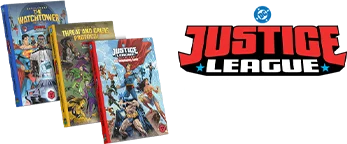
Miami, USA – April 30th – In a highly anticipated announcement that has sent ripples of excitement through both the tabletop gaming community and the vast legion of DC Comics fans, Brazilian publisher D20 Culture, in collaboration with Warner Bros. Discovery Global Consumer Products (WBDGCP), has revealed the upcoming launch of Justice League Unlimited The Roleplaying Game. Slated for a July crowdfunding campaign on Gamefound, this ambitious project marks the first official tabletop RPG to delve into the iconic DC universe in nearly two decades, promising an immersive, narrative-driven experience crafted by none other than legendary DC creator Mark Waid.
This groundbreaking venture invites players to not just witness, but actively shape the destinies of heroes and villains within the expansive DC multiverse. Justice League Unlimited The Roleplaying Game stands poised to redefine how fans interact with their beloved characters, offering an unprecedented opportunity to forge new legends or step into the mighty boots of established icons. With Waid’s storytelling prowess at its core, the game is set to deliver a rich tapestry of heroic sagas, moral dilemmas, and epic confrontations, all unfolding on the tabletop.
The game is set against a backdrop significantly influenced by the events of Amanda Waller’s machinations in the DC comic book series Absolute Power. This narrative choice introduces a compelling new dynamic where the "Unlimited" Justice League operates from a freshly established satellite, the Watchtower, extending an open invitation to heroes from all walks of life to join its ranks. This premise not only grounds the game in contemporary DC lore but also provides a flexible framework for diverse character integration and storytelling.
A cornerstone of the Justice League Unlimited The Roleplaying Game experience is its robust and liberating character creation system. Players are granted complete freedom to manifest their unique vision of a hero, drawing from a vast array of races and philosophical archetypes. Whether envisioning an Amazonian warrior championing justice, a Kryptonian struggling with their immense power, a technologically enhanced Cyber Construct, or a burgeoning Meta-Human discovering their latent abilities, the possibilities are virtually limitless. The system encourages players to meticulously craft intricate backstories that define their motivations, approaches to conflict, and their very essence as a hero. From the inspiring "Champion of Tomorrow" who ignites hope, to the enigmatic "Dark Knight" who wields fear as a weapon from the shadows, and myriad other archetypes, the game empowers players to truly embody their heroic ideals.
Beyond the thrill of super-powered combat, Justice League Unlimited The Roleplaying Game delves deep into the profound responsibilities inherent in bearing the mantle of a hero. The narrative framework emphasizes that heroism transcends mere villain defeat, exploring the complex moral landscape that defines the DC universe. At the outset of their journey, players will confront and answer five fundamental questions, known as the League’s "Tacit Clauses." These clauses serve as the bedrock of each character’s moral code, guiding their decisions, influencing their actions, and ultimately shaping their heroic legacy within the evolving narrative.
D20 Culture has meticulously engineered the game’s core system to facilitate the organic creation of these heroic sagas. It is designed as a tool for fostering deep interpretation and collaborative storytelling between players and the "Editor" – the game master who orchestrates the narrative. This emphasis on shared narrative construction ensures that every session is a unique, unfolding epic where players’ choices and actions directly contribute to the unfolding legend of their heroes.
The progression system, utilizing "Ascension Points (PAX)," allows players to customize their core Attributes such as Potency, Agility, and Mind. These points are also used to acquire and evolve a breathtaking array of powers. What begins as a nascent ability can blossom into a force of planetary-scale impact. The spectrum of powers available is as diverse as the DC universe itself, encompassing Super Strength, Flight, Speed Force manipulation, mastery over Magic, Telepathy, advanced technological Exoskeletons, and even the formidable might of Lantern Rings, among countless others. This dynamic progression ensures that heroes continually grow in power and influence, tackling ever-greater threats to the universe.
The game’s unfolding narrative is structured around a series of dynamic scenes, designed to engage players in a variety of thrilling scenarios. These scenes will likely encompass everything from high-stakes urban skirmishes and intricate investigations into global conspiracies to diplomatic negotiations with alien races and epic confrontations with universe-threatening villains. The collaborative and narrative-driven mechanics ensure that each scene is not merely a combat encounter but a rich opportunity for roleplaying, moral deliberation, and strategic decision-making, truly bringing the multifaceted world of DC to life on the tabletop.
Chronology: A New Dawn for DC Tabletop Gaming
The announcement of Justice League Unlimited The Roleplaying Game is particularly significant given the lengthy hiatus in official DC Comics tabletop RPGs. For nearly two decades, fans have yearned for a dedicated system to explore the rich narratives and iconic characters of the DC Universe in a collaborative, interactive format. This absence created a void that D20 Culture and WBDGCP are now poised to fill, heralding a new era for DC in the tabletop space.
The journey to this announcement likely began years ago, with D20 Culture establishing itself as a reputable publisher specializing in adapting world-class entertainment franchises into high-fidelity gaming experiences. Their existing partnerships with Warner Bros. Discovery for properties like The Lord of the Rings and Ben 10 laid the groundwork, demonstrating their capability to handle beloved intellectual properties with both reverence and innovation. The decision to partner with Mark Waid, a celebrated architect of DC Comics lore, speaks volumes about the ambition and authenticity driving this project. Waid’s deep understanding of the DC canon, honed over decades of writing for characters like Superman, Batman, and The Flash, ensures that the game will feel intrinsically connected to the source material while also charting new narrative territory.
The official announcement on April 30th served as the prelude to the much-anticipated crowdfunding campaign slated for July on Gamefound. This timeline suggests a meticulous development process, ensuring that the game is not only conceptually sound but also mechanically robust and narratively compelling from its initial offering. The choice of Gamefound, a platform increasingly favored for its focus on complex board games and RPGs, indicates a strategic approach to reach a dedicated audience already familiar with high-quality, crowdfunded tabletop experiences. The period between the announcement and the campaign launch allows for crucial community building, teaser releases, and a deeper dive into the game’s mechanics, building momentum towards a successful funding drive.
Looking beyond the initial campaign, the "Unlimited" moniker in the game’s title hints at a long-term vision. It suggests an expandable system designed to accommodate future content, potentially including new campaign settings, character expansions, villain dossiers, and even new rule modules to further enrich the player experience. This ongoing commitment would ensure that Justice League Unlimited The Roleplaying Game isn’t just a one-off release but a living, evolving platform for DC heroism for years to come.
Supporting Data: The Pillars of a Heroic Experience
The Unparalleled Richness of the DC Universe for RPGs:
The DC Universe is a sprawling tapestry woven with nearly a century of stories, characters, and concepts, making it an ideal setting for a tabletop roleplaying game. Its core appeal lies in its diverse roster of heroes and villains, each with distinct powers, motivations, and moral compasses. From the cosmic scale of Green Lanterns and Kryptonians to the street-level grit of Batman and Green Arrow, the universe offers an incredible range of narrative possibilities. The constant interplay between science fiction, fantasy, and mythological elements provides fertile ground for adventure. Moreover, the DC Universe is renowned for its exploration of complex moral dilemmas – what it truly means to be a hero, the fine line between justice and vengeance, and the personal sacrifices demanded by immense power. These themes are perfectly suited for the collaborative storytelling inherent in RPGs, allowing players to grapple with profound questions through their characters’ actions. The concept of an "Unlimited" Justice League, welcoming all heroes, further leverages this richness, allowing for an incredibly broad spectrum of character concepts and team compositions.
The Appeal and Expertise of Mark Waid:
Mark Waid’s involvement is a significant coup for Justice League Unlimited The Roleplaying Game. With a career spanning decades, Waid is widely regarded as one of the preeminent writers in comic book history, particularly within the DC canon. His critically acclaimed runs on titles like Kingdom Come, The Flash, Superman: Birthright, and JLA have cemented his reputation as a master storyteller with an encyclopedic knowledge of DC lore. He possesses a unique ability to capture the essence of classic characters while simultaneously pushing their narratives into fresh, compelling territory. His understanding of heroic archetypes, intricate plotting, and character-driven drama makes him an invaluable asset for developing a narrative-focused RPG. Fans trust Waid to deliver an authentic DC experience, and his co-authorship signals a commitment to quality and canon adherence that will resonate deeply with the fanbase. His presence ensures that the game’s narrative will be both respectful of established lore and innovative in its approach.
The Tabletop RPG Renaissance and Crowdfunding:
The launch of Justice League Unlimited The Roleplaying Game arrives amidst a global renaissance in tabletop roleplaying games. Fueled by the mainstream success of Dungeons & Dragons, the rise of actual-play streams, and the accessibility of crowdfunding platforms, TTRPGs have experienced unprecedented growth in popularity. This burgeoning market has cultivated a sophisticated audience eager for diverse gaming experiences, particularly those tied to beloved intellectual properties. Crowdfunding platforms like Gamefound have become instrumental in this landscape, enabling publishers like D20 Culture to bypass traditional distribution hurdles and directly connect with a global community of potential backers. Gamefound, in particular, has carved out a niche for high-quality, complex games, offering robust tools for project management, pledge fulfillment, and community engagement. This direct-to-consumer model empowers creators to produce ambitious projects with high production values, knowing they have a dedicated audience ready to support them. The crowdfunding model also fosters a sense of community ownership and anticipation, as backers become invested stakeholders in the game’s success.
A Deeper Dive into Game Mechanics:
The "narrative-driven" core of Justice League Unlimited The Roleplaying Game promises a departure from purely combat-focused systems. This implies mechanics that prioritize character interaction, moral choices, investigation, and dramatic pacing alongside action sequences.
-
Character Creation: The freedom to create unique heroes or embody established ones is crucial. The emphasis on "races and philosophies" allows for deep customization. Players might choose to be a newly discovered Atlantean trying to bridge two worlds, a Martian refugee seeking to protect their adopted home, a human prodigy with advanced tech, or even an alien shapeshifter. The "Champion of Tomorrow" archetype might focus on inspiring hope and leading, while the "Dark Knight" might specialize in stealth, psychological warfare, and uncovering conspiracies. These choices will likely influence starting abilities, narrative hooks, and moral predispositions.
-
The Tacit Clauses: These five fundamental questions are perhaps the most innovative aspect of the game’s moral system. They are likely designed to be open-ended, forcing players to define their character’s core ethical framework. Examples might include: "What is the ultimate purpose of power?" "How far are you willing to go to achieve justice?" "What is your responsibility to those you protect?" "Can a hero ever truly fail?" "Where do you draw the line between order and freedom?" The answers to these questions would inform how a character earns or loses "Integrity" or "Resolve" points, influencing their access to certain powers, their reputation, or even triggering personal narrative arcs. This system grounds the heroic fantasy in meaningful ethical challenges.
-
Ascension Points (PAX): The PAX system appears to be the engine of character progression. Earning PAX might come from successfully completing missions, making difficult moral choices, saving innocents, or overcoming personal challenges. Spending PAX on Attributes (Potency for strength, Agility for speed/dexterity, Mind for intellect/willpower) allows for tailored hero development. The power acquisition and evolution system is particularly exciting. A hero might start with basic super strength, but through PAX, they could evolve it to include "Thunderclap" or "Leap Tall Buildings." A burgeoning magic user might start with minor cantrips, eventually learning to "Wield magic on a planetary scale," suggesting epic-level spellcasting. The inclusion of iconic items like "Lantern Rings" indicates that powerful artifacts will also be part of the progression, offering unique abilities and narrative opportunities.
-
The Editor (GM): The Editor’s role is not just to adjudicate rules but to be a facilitator of shared storytelling. This implies a system that supports collaborative narrative construction, where player input significantly shapes the plot. The Editor might present situations, introduce NPCs, and portray villains, but the players’ decisions and interpretations drive the resolution and subsequent events.
-
Dynamic Scenes: While the original article’s list was empty, we can infer the types of scenes common in DC narratives:
- High-Stakes Combat: Epic battles against supervillains, alien invaders, or rogue metahumans.
- Investigation & Deduction: Unraveling criminal plots, solving mysteries, or uncovering secret organizations.
- Social & Diplomatic Encounters: Negotiating with world leaders, calming panicking crowds, or mediating disputes between factions.
- Personal Quests: Addressing a hero’s backstory, confronting personal demons, or protecting loved ones.
- Moral Quandaries: Situations where there is no clear "right" answer, forcing players to rely on their Tacit Clauses.
- Global/Cosmic Threats: Campaigns involving saving cities, planets, or even the entire multiverse.
Official Responses: Voices of Vision and Dedication
The enthusiasm for Justice League Unlimited The Roleplaying Game is palpable in the statements from the project’s key figures.
Peterson Rodrigues, CEO at D20 Culture, articulated the profound responsibility and excitement his team feels: "For over 85 years, DC has been the home of the world’s greatest superheroes with incredible stories. Working with comic legend Mark Waid to create something new in this universe has been such an honor. With the Justice League Unlimited Roleplaying Game we are really pushing our work to new heights to create an original and bold system for players to immerse themselves in the tales of the Justice League, we cannot wait to bring this to audiences across the world." Rodrigues’ statement underscores D20 Culture’s commitment not just to adapting an IP, but to crafting an original, innovative system that genuinely pushes the boundaries of tabletop gaming. It highlights their ambition to create a foundational DC RPG that resonates globally. The collaboration with Mark Waid is clearly a point of pride, signifying the publisher’s dedication to authenticity and quality.
Mark Waid, co-author of the project and a luminary in DC Comics, echoed this sentiment, emphasizing the unique narrative potential of TTRPGs: "Tabletop games have such an amazing opportunity to bring new stories to fans and allow them to experience these beloved worlds and characters in a whole new way. Approaching Justice League Unlimited Roleplaying Game my priority has been to set up a new story that fits authentically into this canon and builds upon it to provide a narrative playground for players to make their own. I can’t wait to reveal more so stay tuned." Waid’s focus on an "authentic" yet "new story" within the canon is critical. It assures fans that the game will respect established lore while offering fresh narrative avenues. His concept of a "narrative playground" perfectly encapsulates the core appeal of TTRPGs: the freedom for players to collectively author their own adventures within a rich, pre-existing universe. His eagerness to reveal more details hints at the depth and breadth of the game’s design, building anticipation for the Gamefound launch.
The partnership with Warner Bros. Discovery Global Consumer Products (WBDGCP) is also a crucial element of this project’s success. As part of Warner Bros. Discovery’s broader revenue strategy, WBDGCP is tasked with extending the company’s vast portfolio of entertainment brands and franchises into the lives of fans worldwide. Their involvement with Justice League Unlimited The Roleplaying Game signifies a strategic effort to leverage the power of the DC brand in the burgeoning tabletop market. This collaboration ensures that the game adheres to the high standards of the DC brand, benefiting from WBDGCP’s extensive experience in global licensing, merchandising, and promotional partnerships. It positions the RPG not just as a game, but as a significant consumer product within the larger DC ecosystem.
Implications: Shaping the Future of DC and TTRPGs
The launch of Justice League Unlimited The Roleplaying Game carries significant implications for various stakeholders, from the dedicated DC fandom to the broader tabletop gaming industry and D20 Culture itself.
Impact on the DC Fandom: For years, DC fans have watched with envy as other major franchises have flourished in the TTRPG space. This game finally provides a dedicated, official platform for them to immerse themselves in the DC Universe as active participants. The promise of creating unique heroes or embodying iconic ones offers an unparalleled level of engagement, fostering deeper connections to the lore and characters. It will undoubtedly spark new fan communities, actual-play streams, and creative content, breathing fresh life into the fandom and offering a new avenue for expression and shared storytelling. The "Unlimited" aspect allows for a broad appeal, catering to fans of various eras and interpretations of the Justice League.
Impact on D20 Culture: This project represents a monumental step for D20 Culture. Partnering with WBDGCP and a legend like Mark Waid on such a high-profile IP will significantly elevate their standing in the global tabletop publishing landscape. Successfully delivering on the promise of Justice League Unlimited The Roleplaying Game will cement their reputation as a premier developer of licensed TTRPGs, opening doors for future collaborations with other major franchises. It demonstrates their capability to handle complex intellectual properties with both creative flair and meticulous design. The success of the Gamefound campaign will be a critical indicator of their growing influence and market reach.
Impact on the TTRPG Market: Justice League Unlimited The Roleplaying Game has the potential to set a new benchmark for licensed, narrative-driven TTRPGs. Its emphasis on moral choices, character depth, and collaborative storytelling, coupled with a flexible power system, could inspire other publishers to explore similar innovative approaches. More importantly, it has the capacity to attract a significant influx of new players to the hobby. DC Comics boasts a massive global readership, and many fans who have never tried a TTRPG might be drawn in by the opportunity to play in their favorite universe. This influx of new blood benefits the entire TTRPG ecosystem, contributing to its continued growth and diversification.
Future Expansions and Content: The "Unlimited" in the title is not merely a stylistic choice; it strongly suggests a long-term vision for the game. The core rulebook launched via Gamefound will likely be the foundation, with future expansions introducing new campaign settings (e.g., Gotham City, Metropolis, Apokolips), character archetypes, villain rosters, and perhaps even specific iconic scenarios. Imagine supplements dedicated to the Legion of Doom, the Secret Society of Super Villains, or exploring different corners of the DC multiverse. The dynamic nature of the game system, with evolving powers and customizable attributes, is perfectly suited for continuous content releases, ensuring longevity and sustained player engagement.
The Broader WBDGCP Strategy: For Warner Bros. Discovery Global Consumer Products, this RPG is a testament to their comprehensive strategy of extending their intellectual properties across all consumer touchpoints. In an era where immersive fan experiences are paramount, a high-quality tabletop RPG offers a unique and deeply personal way for fans to engage with the DC brand. It complements other products like comics, films, video games, and merchandise, creating a holistic ecosystem that strengthens brand loyalty and expands reach into new market segments. It’s a clear signal that WBDGCP recognizes the growing influence and cultural significance of the tabletop gaming sector.
As the July launch on Gamefound approaches, anticipation will only continue to build. Justice League Unlimited The Roleplaying Game promises not just a game, but a gateway to endless heroic possibilities, inviting players worldwide to step into a universe where their choices define destiny, and their legends are waiting to be written. The DC Universe is about to find its most interactive form yet, and the tabletop will never be the same.
For more information and to sign up for notifications regarding the official launch, visit the Gamefound campaign page. Further inquiries can be directed to Georgina Vincent, Associate Director at Swipe Right, via [email protected].

Leave a Comment