
From Solitary Dread to Shared Panic: The Evolution of ‘Scared by Squares’ and the Rise of Cooperative VR Horror
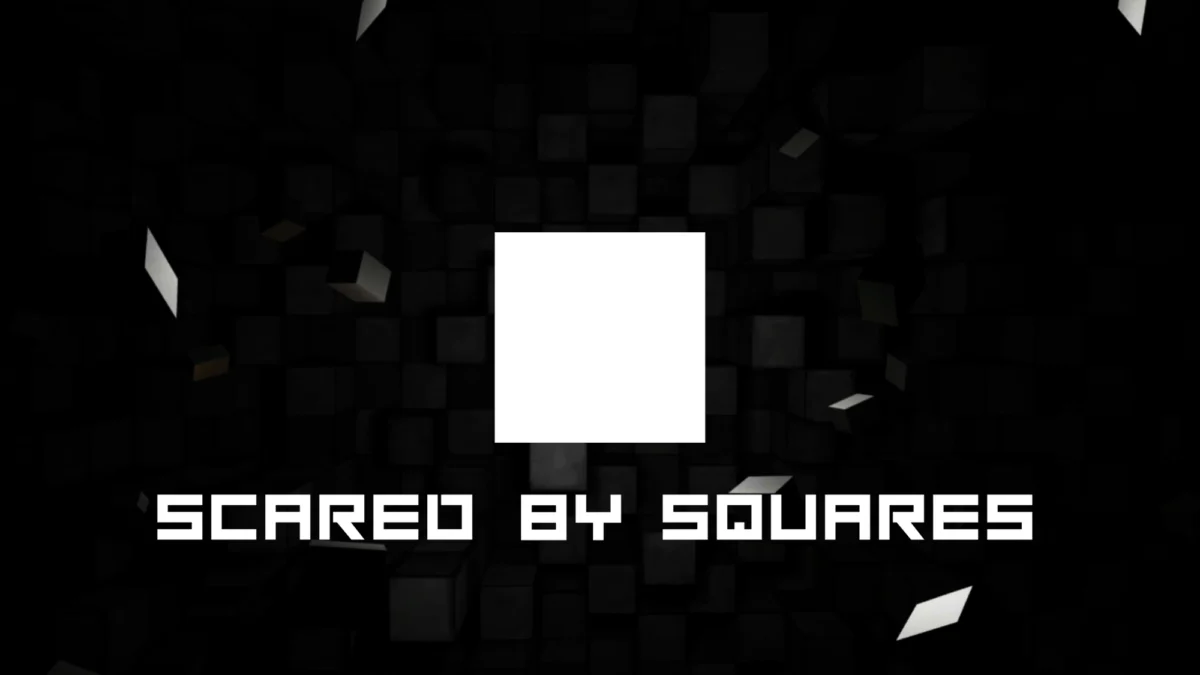
The landscape of virtual reality (VR) horror is undergoing a fundamental shift. What was once defined by the paralyzing isolation of the individual is increasingly becoming a communal experience, where the weight of terror is distributed among friends. At the forefront of this transition is Siege Industries, an indie developer that has garnered significant attention for its minimalist yet deeply unsettling title, Scared by Squares.
Originally conceived as a solo journey through a shifting, geometry-based nightmare, Scared by Squares is officially expanding its horizons. Following a series of updates and a renewed presence at industry showcases, the developer has confirmed that a highly anticipated co-op multiplayer mode is in active development. This move aims to transform the game from a solitary test of nerves into a chaotic, shared experience of panic and laughter.
Main Facts: The Transition to Multiplayer
Scared by Squares distinguishes itself from the crowded field of VR horror through its unique aesthetic: a world constructed entirely of cubes. Players navigate a series of interconnected rooms, each serving as a spatial puzzle where the environment can shift, rotate, or transform without warning. The goal is simple—get from one side to the other—but the execution is fraught with psychological tension and unpredictable environmental hazards.
The headline news for the title is the official confirmation of a cooperative multiplayer mode. While the game has maintained a dedicated following as a single-player experience, Siege Industries recognized a growing demand for social interaction within its "cube-core" horror universe.
Key details of the update include:
- The Concept: A "shared panic" system where multiple players navigate the shifting rooms simultaneously.
- Availability: The game is currently available on the Meta Quest Store and Steam, with the multiplayer update expected to arrive as a significant content patch.
- Current Status: After missing an initial launch window, the mode was recently re-confirmed via a new teaser trailer at the Ruff Talk VR Showcase, signaling that development is in its final, polished stages.
Chronology: A Timeline of Development and Delays
The journey toward multiplayer for Scared by Squares has been one of high expectations and minor setbacks, typical of the ambitious indie VR scene.
The 2025 UploadVR Winter Showcase
The multiplayer feature was first catapulted into the spotlight during the 2025 UploadVR Winter Showcase. At the time, Siege Industries generated significant buzz by announcing a tentative launch date of December 15. The announcement was met with enthusiasm, as the VR community has increasingly gravitated toward "social horror" titles like Phasmophobia and Lethal Company.
The Missed Deadline and "Radio Silence"
As December 15 passed, the multiplayer update did not materialize on the Meta or Steam storefronts. For a period, the community was left speculating whether the project had been scaled back or faced insurmountable technical hurdles. Developing multiplayer for VR is notoriously difficult, requiring precise synchronization of player movements and environmental triggers to prevent "de-sync," which can cause motion sickness in a VR environment.
The May 2026 Ruff Talk VR Showcase Re-emergence
The silence was broken during the Ruff Talk VR Showcase. Siege Industries debuted a new teaser trailer (documented in May 2026) that showcased the multiplayer mechanics in action. This appearance served as a "proof of life" for the project, confirming that while the initial deadline was missed, the scope of the mode had perhaps expanded. The developer used this platform to reassure fans that the quality of the cooperative experience was being prioritized over a rushed release.
Supporting Data: The Mechanics of Cube-Based Terror
To understand why multiplayer is such a significant addition, one must understand the core mechanics of Scared by Squares. Unlike traditional horror games that rely on "jump scares" or grotesque monster designs, this title utilizes spatial disorientation and minimalism.
Environmental Volatility
The game’s rooms are not static. As a player moves, the cubes that form the walls, floors, and ceilings can rearrange themselves. This creates a sense of "architectural gaslighting," where the path the player just took may no longer exist. In a solo context, this leads to a feeling of claustrophobia. In a multiplayer context, this introduces a new layer of gameplay: players can become separated by shifting walls, forcing them to communicate via voice chat to find their way back to the group.
The "Accessibility" Factor
Data from VR usage surveys suggests that a significant portion of the "horror-curious" audience avoids solo VR horror because the immersion is too intense. The "sense of presence"—the psychological trick that makes your brain believe you are truly inside the game—can make traditional horror overwhelming.
- Solo Horror: High heart rate, high "quit" rate (players exiting the game due to fear).
- Co-op Horror: High engagement, longer play sessions, and a "buffer" effect where the presence of another human voice reduces the flight-or-fight response.
By adding multiplayer, Siege Industries is effectively lowering the barrier to entry, potentially doubling their active player base by appealing to those who require a "safety in numbers" approach to the genre.
Official Responses: The Philosophy of "Shared Panic"
In a press release following the Ruff Talk VR Showcase, Siege Industries articulated their vision for the update. They moved away from the idea of making the game "easier" and instead focused on making it "stranger."
"The goal with multiplayer is to make Scared by Squares feel less like a solo horror experience and more like a strange shared experience where players are reacting, panicking, laughing, and trying to figure out what is happening together," the studio stated.
This philosophy highlights a growing trend in game design: the "Comedy-Horror" Venn diagram. Developers have found that the most viral and successful VR experiences are those that allow for moments of genuine terror to be immediately followed by moments of absurdity. When a player watches their friend get crushed by a shifting cube or sees them spiraling into a dark void, the result is often a mix of a scream and a laugh. Siege Industries is leaning into this social dynamic, betting that the "cube" aesthetic provides the perfect abstract playground for these interactions.
Implications: The Future of the VR Horror Market
The evolution of Scared by Squares carries broader implications for the VR industry and the indie development ecosystem.
1. The Shift Toward "Social VR"
We are moving past the era where VR was a solitary headset experience. Platforms like Meta are heavily subsidizing social features, and games that integrate multiplayer are seeing higher retention rates. Scared by Squares is a microcosm of this trend. By pivoting to co-op, Siege Industries is ensuring the longevity of their IP in a market that increasingly values "hangout" games—even if that hangout happens in a terrifying, shifting cube-dimension.
2. The Power of "Small-Scale" Showcases
The fact that Scared by Squares used the Ruff Talk VR Showcase to re-establish its momentum is significant. While major events like the UploadVR Showcase provide the initial "hit," smaller, community-driven showcases are becoming vital for indie devs to maintain a dialogue with their core audience. This reflects a decentralized marketing landscape where niche VR enthusiasts drive the success of indie titles.
3. Cross-Platform Parity
With the game available on both Steam (PCVR) and Meta Quest (Standalone), the multiplayer update raises questions about cross-play. If Siege Industries can implement seamless cross-play between these platforms, they will set a gold standard for indie VR developers. Allowing a Quest 3 user to navigate the cubes with a Valve Index user is the ultimate goal for community building.
4. Psychological Resilience in VR
The "Scared by Squares" model provides an interesting case study for psychological safety in gaming. As VR technology becomes more realistic (higher resolution, better haptics), the "horror" can become traumatizing for some. Cooperative play acts as a psychological "anchor." The industry may see a permanent shift where "Solo Only" horror becomes a sub-niche, while "Co-op Optional" becomes the standard for the genre’s commercial viability.
Conclusion: A New Dimension of Fear
Scared by Squares remains one of the most intriguing experiments in VR geometry. Its commitment to a minimalist aesthetic—devoid of the tropes of zombies or ghosts—allows the player’s imagination to fill in the blanks. With the impending arrival of multiplayer, those blanks will soon be filled with the voices of friends.
While the missed December deadline was a disappointment, the renewed vigor shown by Siege Industries suggests that the wait will be justified. For those brave enough to enter the cubes alone, the game is available now. For those waiting for a hand to hold (or a friend to accidentally trap in a shifting wall), the December 15 date may have passed, but the "shared panic" is closer than ever.
Availability Information:
- Meta Quest: Available now on the Meta Store.
- Steam: Available now, including a free demo for those looking to test their spatial awareness before committing to the full experience.
- Multiplayer Update: In active development; follow Siege Industries’ social channels for the revised launch window.



Leave a Comment