Snap Leapfrogs Big Tech: A Deep Dive into the $2,195 ‘Specs’ Standalone AR Glasses

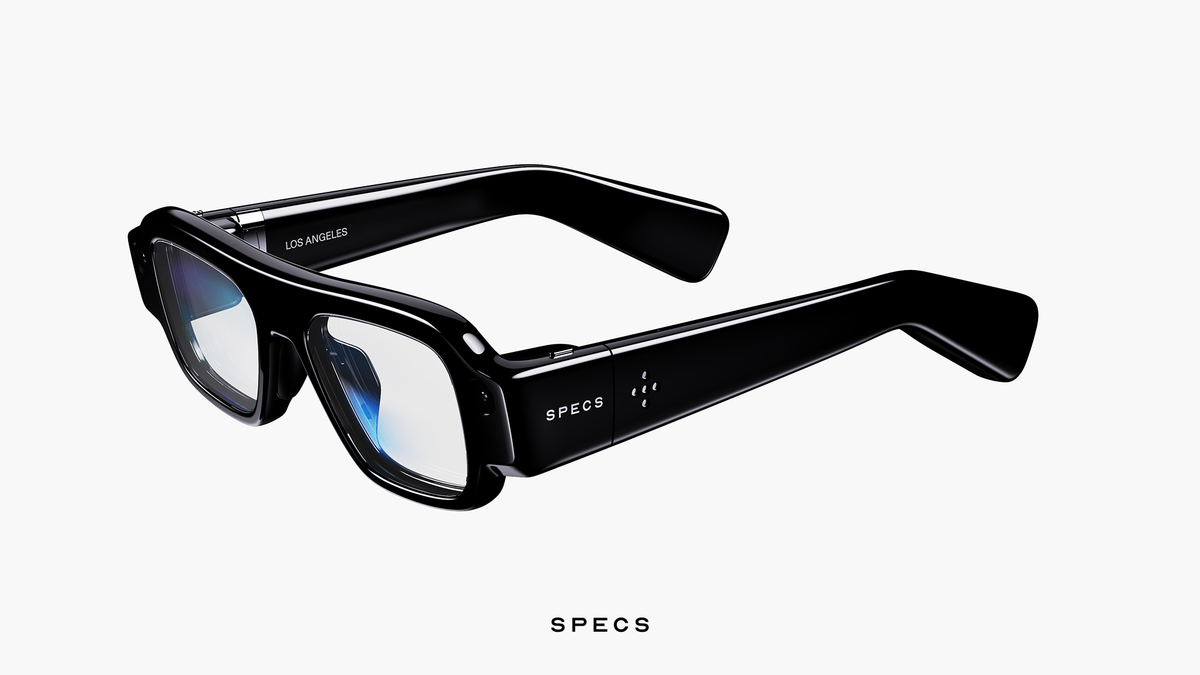
In a definitive move that reshapes the trajectory of wearable computing, Snap Inc. has officially unveiled and opened pre-orders for "Specs," its first pair of fully standalone, true augmented reality (AR) glasses. Priced at $2,195 and scheduled to ship this fall in the United States, United Kingdom, and France, the device represents a watershed moment for the industry. By bringing a consumer-ready (albeit high-end) AR product to market now, Snap has effectively beaten industry titans like Meta, Apple, and Google to the punch in the race to provide a tetherless, glasses-form-factor AR experience.
The announcement, made by Snap CEO Evan Spiegel at the Augmented World Expo (AWE), marks the culmination of a decade of research and an estimated $3 billion investment into spatial computing. As the industry moves away from bulky headsets toward everyday eyewear, Snap’s "Specs" aim to prove that the future of the internet isn’t on a screen in your hand, but overlaid onto the world around you.
1. Chronology: From Social Media Toy to Spatial Computing Powerhouse
Snap’s journey to Specs has been a long-game strategy hidden behind the veneer of a social media company. The evolution of the product line reveals a disciplined progression of hardware capabilities:
- 2016–2019: The Early Experiments. The original Spectacles were essentially wearable cameras designed for Snapchat. They lacked any display technology, focusing instead on capturing "circular video" from a first-person perspective.
- 2021: The First True AR Dev Kit. Snap revealed its first binocular AR glasses to a select group of creators. While groundbreaking, the hardware was limited: it featured a narrow 26-degree diagonal field of view (FoV) and a battery life that lasted a mere 30 minutes.
- 2024: The Rental Iteration. Snap introduced a more robust developer kit, offered via a $99/month rental model. This version expanded the FoV to 46 degrees and increased battery life to 45 minutes, but the weight ballooned to 226 grams, making them feel more like goggles than glasses.
- 2025–2026: The Consumer Leap. Following years of feedback, Snap streamlined the design. By acquiring Compound Photonics in 2022, the company brought display manufacturing in-house, leading to the refined LCoS (Liquid Crystal on Silicon) engines found in the new Specs.
This chronology demonstrates Snap’s philosophy of "building in public" with developers before attempting a wide-scale commercial release.
2. Technical Specifications and Supporting Data
The new Specs are defined by a delicate balance between high-performance optics and wearable ergonomics. While they remain heavier than standard fashion eyewear, they represent a massive reduction in mass compared to enterprise AR headsets.
Display and Optics
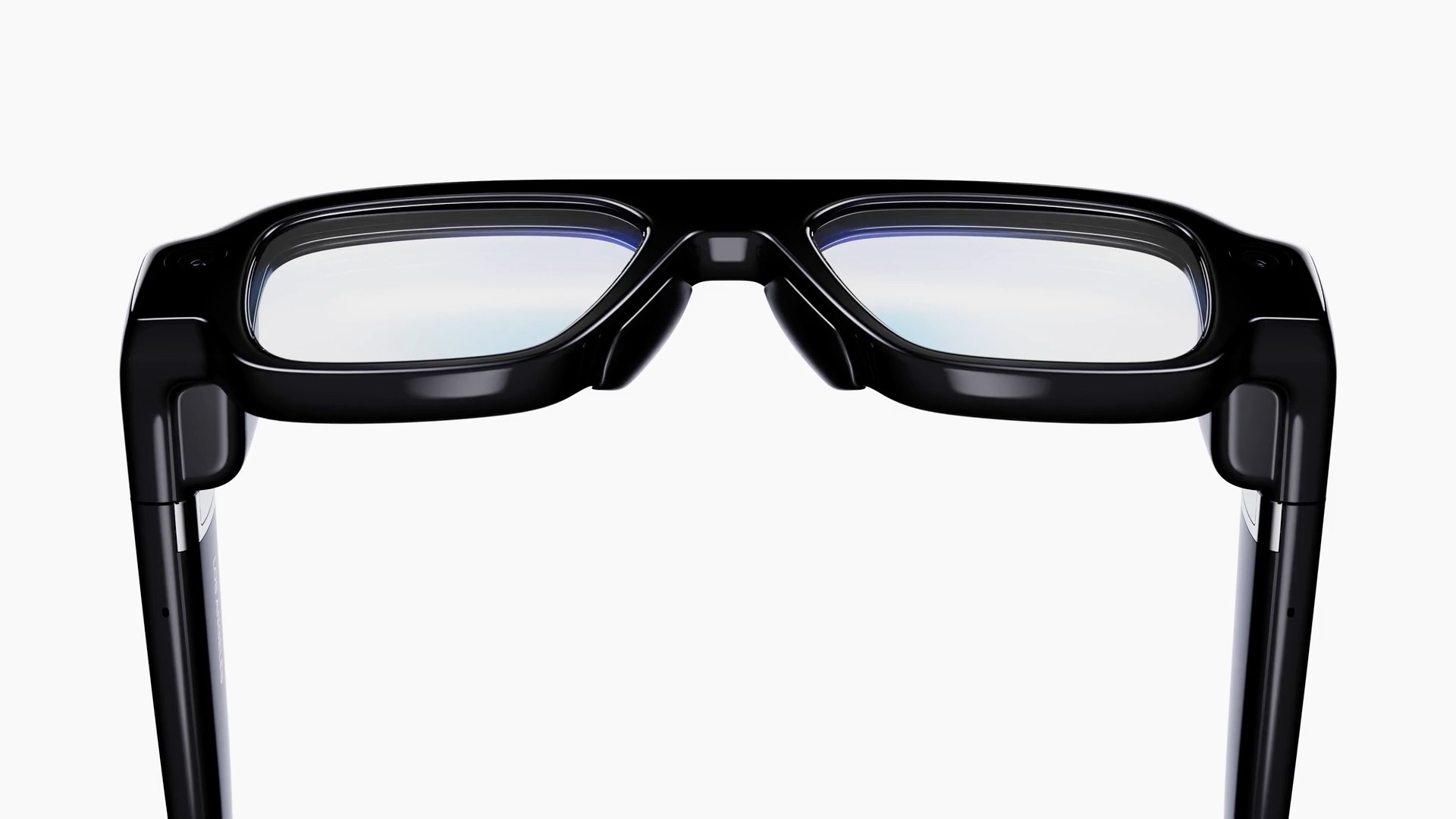
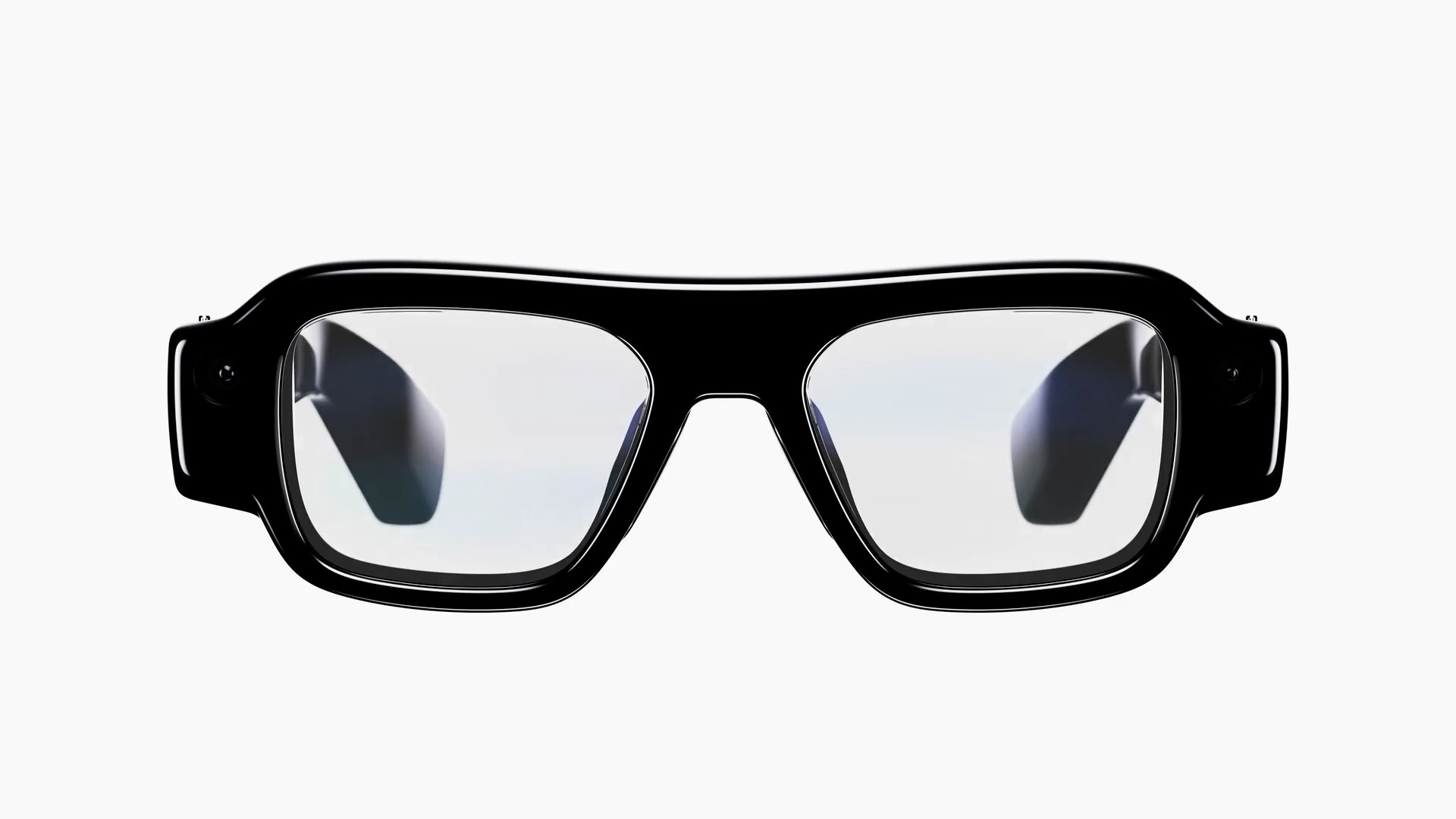
The heart of Specs lies in its proprietary LCoS displays. These engines are capable of rendering 16 million colors per pixel, providing a visual fidelity comparable to modern high-definition flat screens. While Snap has remained tight-lipped about the exact resolution, the visual experience is driven by a 51-degree diagonal field of view.
To put this in perspective:
- HoloLens 2 (2019): 52-degree FoV at 566 grams.
- Magic Leap 2 (2022): 70-degree FoV at 260 grams.
- Snap Specs (2026): 51-degree FoV at 132 grams.
By maintaining a FoV similar to the HoloLens 2 while shedding over 400 grams of weight, Snap has achieved an engineering feat that brings AR closer to "all-day" wearability.
Processing and Latency
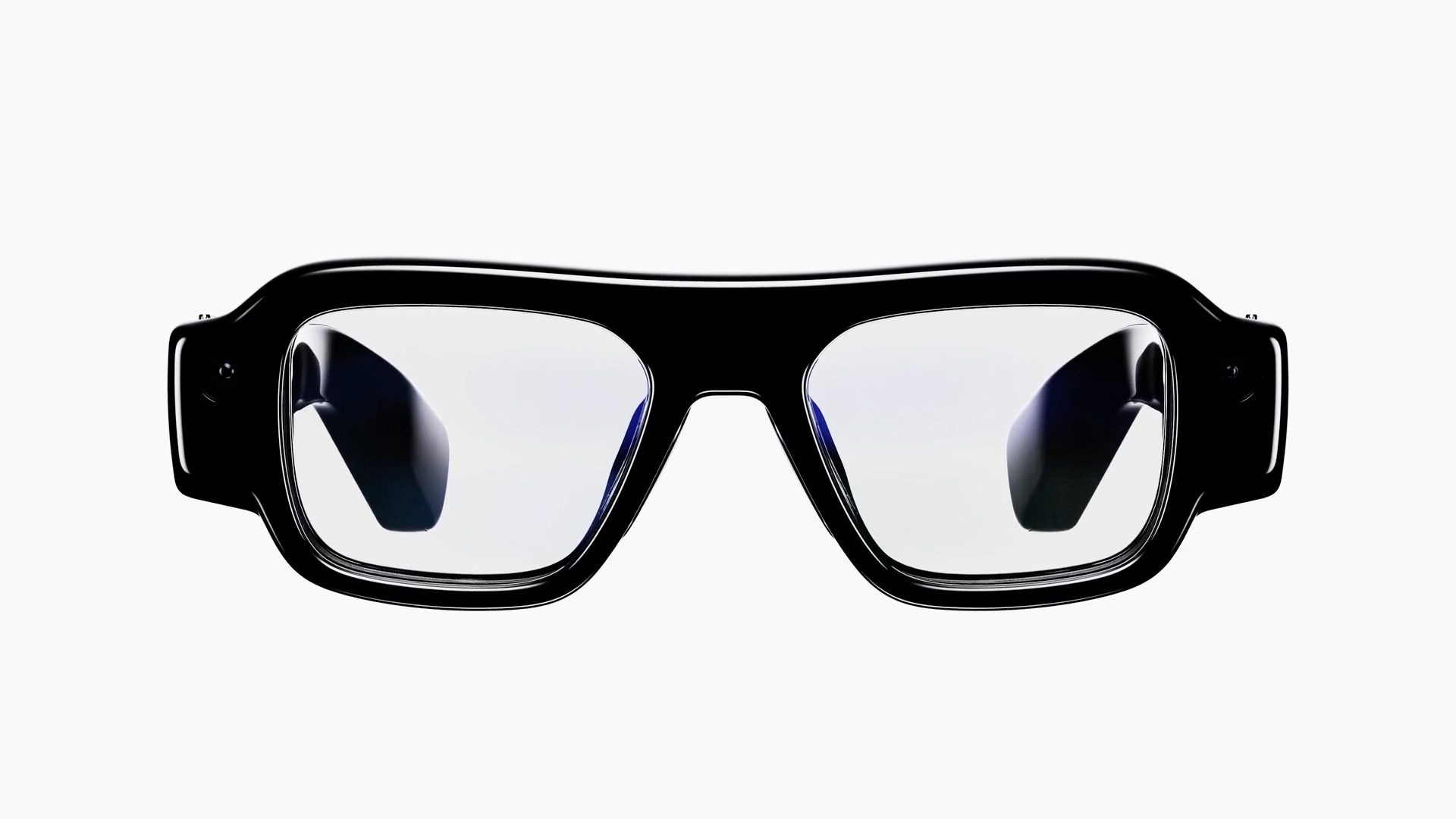
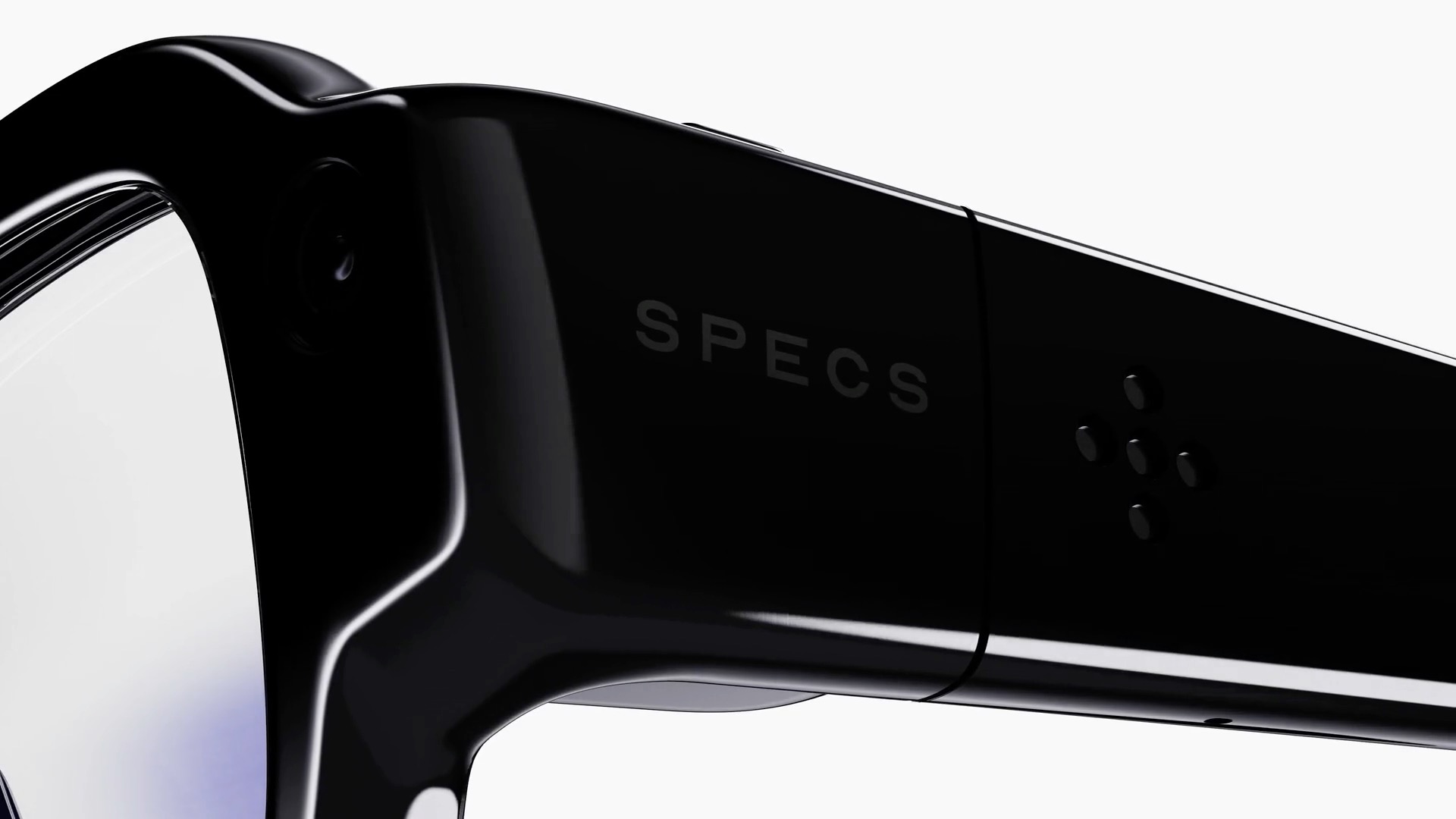
The device utilizes a dual-chip architecture featuring two unspecified Qualcomm Snapdragon processors. One chipset handles the heavy lifting of the operating system and applications, while the second is dedicated exclusively to computer vision tasks. This secondary processor manages head tracking (6DoF), hand tracking, environment meshing, and spatial anchoring.
Perhaps the most impressive technical claim is the 7-millisecond motion-to-photon latency. In AR, latency is the enemy of immersion; if the virtual object lags behind the user’s head movement, the illusion breaks and nausea sets in. At 7ms, Specs offer the lowest latency of any publicly announced XR product, surpassing the previous developer kit’s 13ms.
Adaptive Lenses: The Electrochromic Advantage
Unlike Meta’s Ray-Ban smart glasses, which use photochromic (Transitions) lenses that react to UV light, Specs utilize electrochromic technology. This allows the lenses to adjust their opacity electronically. Snap claims the glasses can transition from clear to fully opaque in just 10 seconds. This is critical for AR, as virtual objects often appear "ghostly" or washed out in bright sunlight. By darkening the lenses, the contrast of the AR overlays is significantly enhanced.
3. Software Ecosystem: Snap OS 2.0 and the "Lens" Philosophy
Snap is not positioning Specs as a wearable computer in the traditional sense, but as a portal for "Lenses." While the underlying architecture is based on Android, Snap OS 2.0 is a walled garden. Users cannot side-load standard APKs; instead, they interact with sandboxed applications built via Lens Studio.
The Native Development Kit (NDK)
To court serious developers, Snap announced a Native Development Kit. This allows for the use of C and C++ code within Lenses, enabling high-performance features like complex physics engines, advanced spatial mapping, and custom networking protocols. Furthermore, Snap has integrated support for AI coding agents (OpenAI Codex and Claude Code), allowing developers to use natural language to iterate on AR experiences.
Out-of-the-Box Utility
Recognizing that a $2,195 device needs immediate utility, Snap is shipping Specs with a suite of first-party Lenses:
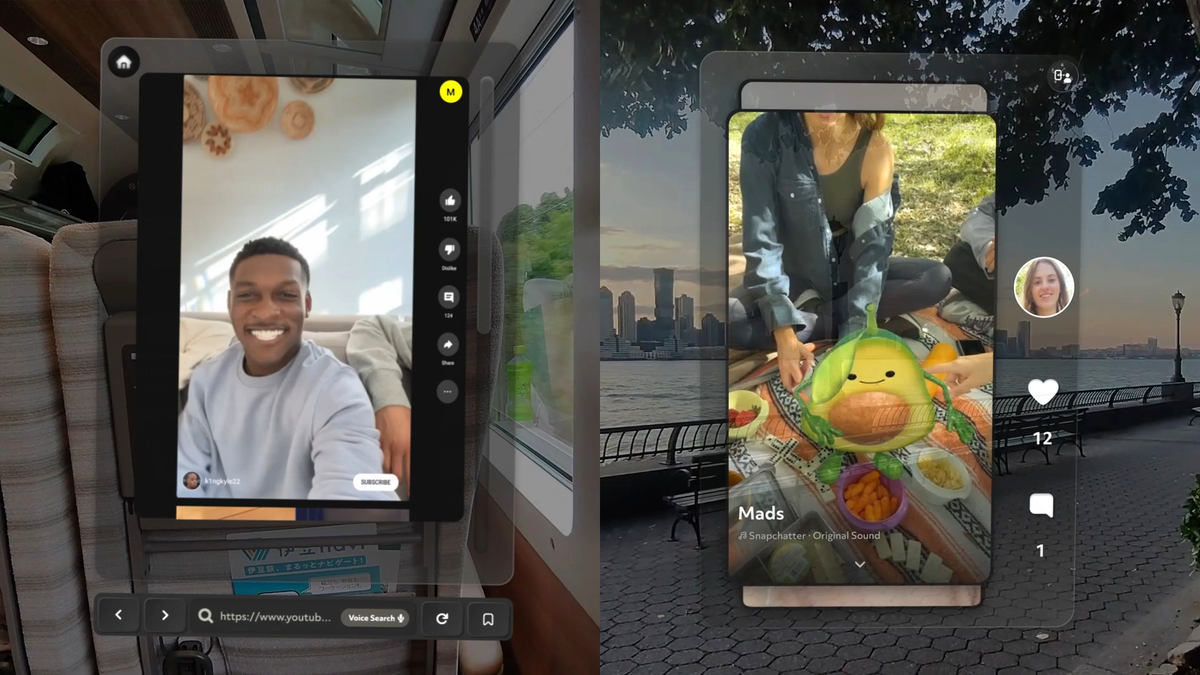
- Productivity: A web browser, a "second screen" laptop extender, and a collaborative whiteboard.
- Utility: Real-time language translation, on-foot navigation, and a spatial measurement tool.
- AI Assistance: A contextual AI assistant that can "see" what the user sees and provide real-time tips or information.
- Entertainment: Partnerships with LEGO (Bricktacular), Niantic (Peridot), and rhythm games like Synth Riders.
4. Official Responses and Strategic Positioning
During the AWE keynote, Evan Spiegel emphasized that Specs are intended to be a "bridge" between the digital and physical worlds. The decision to open pre-orders now—rather than waiting for a 2026 window previously hinted at—suggests a strategic desire to capture the "early adopter" market before Meta releases its rumored consumer AR glasses.
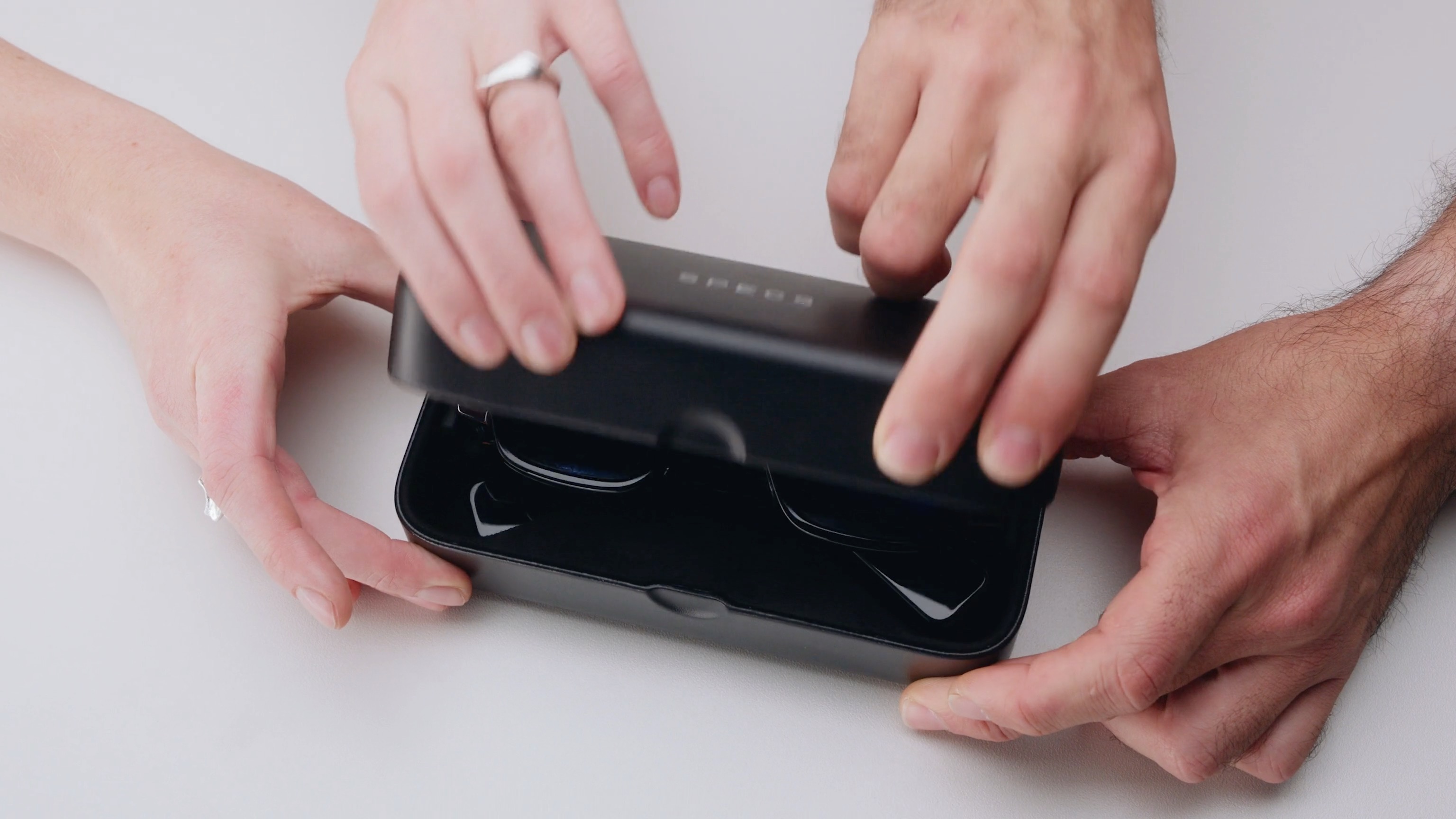
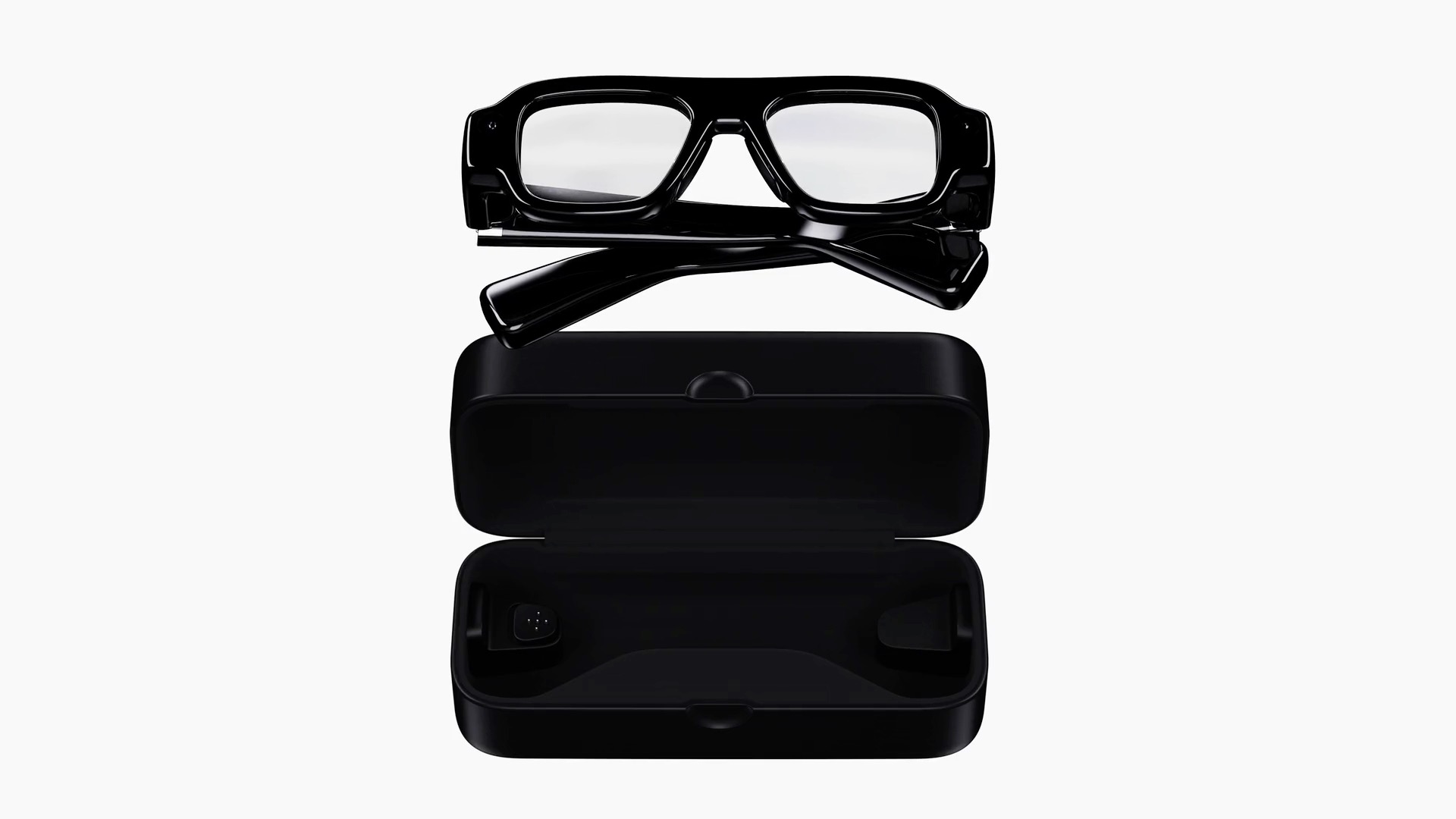
When questioned about the high price point and the four-hour "mixed use" battery life, Snap representatives pointed to the charging case, which provides four full recharges. The company acknowledges that the current weight (132g) and price ($2,195) position the product as a tool for tech enthusiasts and developers rather than a mass-market replacement for the smartphone. However, by launching in the US, UK, and France simultaneously, Snap is testing the waters of international demand for high-end spatial wearables.

5. Implications: The High Stakes of the AR Race
The release of Specs carries significant implications for the broader tech landscape. For years, the industry has debated whether AR would arrive via "passthrough" (using cameras to show the world on a screen, like the Apple Vision Pro) or "see-through" (using transparent glass, like Specs). Snap has firmly planted its flag in the see-through camp.
The Competition
Snap’s move puts immense pressure on Meta. While Meta’s Ray-Ban smart glasses have been a commercial success, they lack true AR displays (the "Display" version only offers a small monocular HUD). Meta’s "Orion" prototype is reportedly more advanced with a 70-degree FoV and a 98-gram weight, but it remains an "unshippable" internal prototype due to astronomical manufacturing costs. Snap, by contrast, is actually shipping a product people can buy.
The Early Adopter Hurdle
The $2,195 price tag places Specs in the same "luxury enthusiast" category as the Apple Vision Pro ($3,499). The challenge for Snap will be proving that the utility of AR—navigation, translation, and hands-free computing—justifies the cost and the social friction of wearing "thick" glasses in public.
Conclusion: A Landmark Moment
Snap Specs represent the most significant leap in consumer-accessible AR to date. By condensing a decade of research into a 132-gram frame, Snap has moved the conversation from "if" AR glasses are possible to "how" we will use them. While the price and bulk remain barriers for the average consumer, for the XR industry, the arrival of Specs is the starting gun for the post-smartphone era. For those willing to pay the premium, the fall of 2025 will be the first time the digital world truly stays in their line of sight, tether-free and standalone.