
The Echoes of Cayuga: Why ‘The Vast of Night’ Is the Definitive Lo-Fi Sci-Fi Masterpiece
In an era dominated by billion-dollar franchises and CGI-heavy spectacles, the most profound science fiction often arrives not with a bang, but with a whisper. On Amazon Prime Video, tucked away behind the algorithm’s preference for blockbuster hits, lies a film that critics have hailed as a modern classic, yet mainstream audiences have largely overlooked. The Vast of Night, directed by Andrew Patterson in his directorial debut, is a masterclass in atmospheric storytelling.
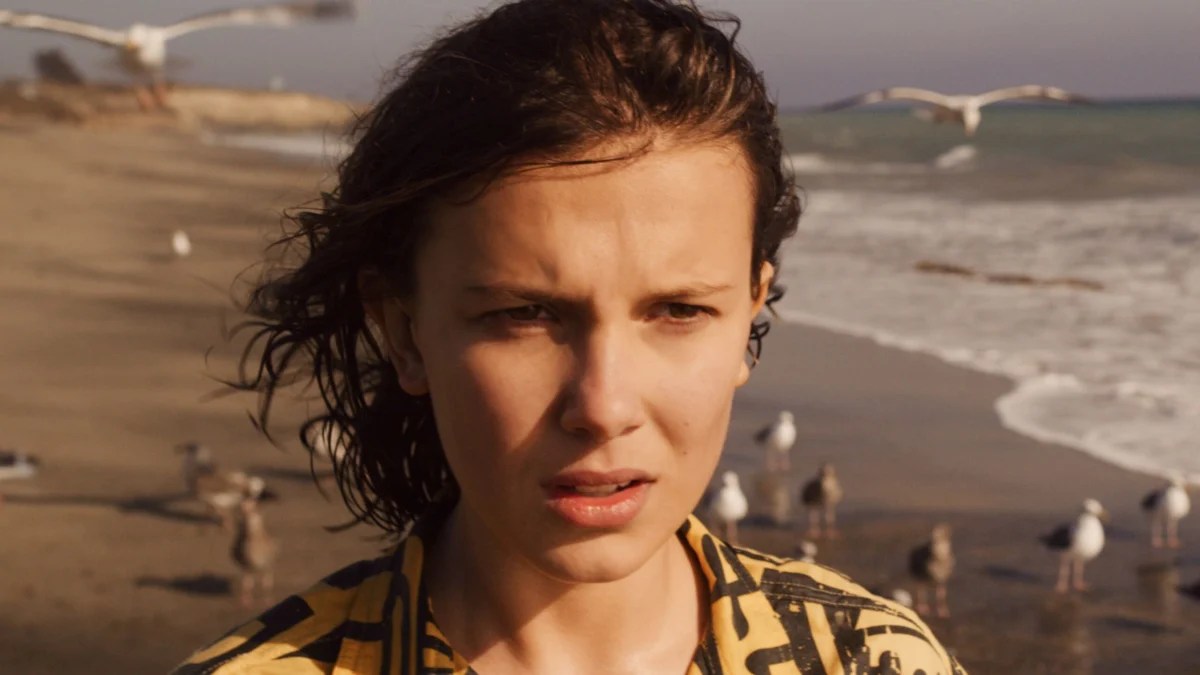
Boasting a staggering 92% approval rating on Rotten Tomatoes, this 89-minute feature serves as the spiritual successor to the golden age of teleplay mysteries. It is a film that successfully bridges the gap between the nostalgic, synth-heavy charm of Netflix’s Stranger Things and the cerebral, tech-focused awe of Steven Spielberg’s Close Encounters of the Third Kind. Seven years after its initial conception and four years after its digital premiere, the film remains a towering example of how vision and sound design can triumph over a limited budget.
Main Facts: A Night in New Mexico
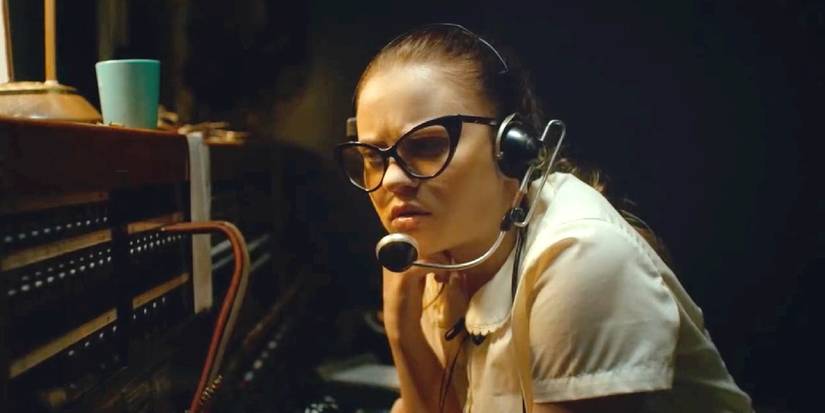
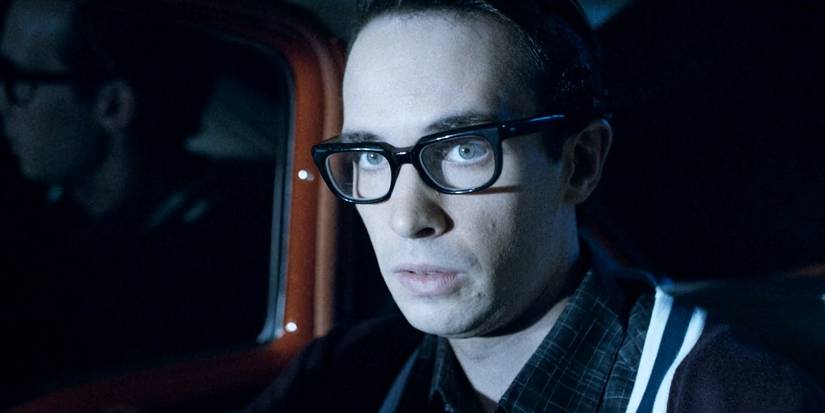
Set in the 1950s in the fictional town of Cayuga, New Mexico, The Vast of Night follows two teenagers over the course of a single, transformative evening. Fay Crocker (Sierra McCormick) is a precocious switchboard operator, and Everett Sloan (Jake Horowitz) is a charismatic local radio DJ. The town’s population is almost entirely occupied at a high school basketball game, leaving the streets eerie and deserted—a setting that mirrors the isolation of the characters and the cosmic mystery they are about to uncover.
The plot is ignited when Fay intercepts a strange, rhythmic audio frequency through her switchboard. When she shares the sound with Everett, who broadcasts it over the radio waves of WOTW, they receive a call from a mysterious man named Billy. Billy, a former soldier, claims to recognize the sound from a secret military project involving unidentified aerial phenomena. What follows is a real-time descent into a rabbit hole of Cold War paranoia, oral histories, and the terrifying realization that the "vastness" of the night is not as empty as it seems.
The film is framed as an episode of "Paradox Theater," a fictional anthology series in the vein of The Twilight Zone or The Outer Limits. This meta-narrative device prepares the viewer for a story that prioritizes dialogue and atmosphere over visceral action, grounding the sci-fi elements in a very human, historical reality.

Chronology: From Slamdance to Streaming
The journey of The Vast of Night from an independent passion project to a critically acclaimed streaming staple is a testament to the power of film festivals and word-of-mouth.
- 2016–2018: Production and Stealth Development: Andrew Patterson self-funded the film for roughly $700,000, shooting on location in Oklahoma. He spent years refining the edit, focusing heavily on the soundscape and the pacing of the dialogue to ensure the 1950s "patter" felt authentic.
- January 2019: The Slamdance Premiere: The film made its world premiere at the Slamdance Film Festival, where it immediately became the "must-see" title of the circuit. It won the Audience Award for Best Narrative Feature, catching the eye of major distributors.
- September 2019: Toronto International Film Festival (TIFF): Amazon Studios acquired the distribution rights following a successful screening at TIFF, recognizing its potential as a prestige title for their Prime Video library.
- May 29, 2020: Global Release: The film was released on Prime Video during the height of the COVID-19 pandemic. While the lack of a traditional theatrical run hindered its "mainstream" box office awareness, its themes of isolation and searching for connection resonated deeply with home audiences.
- 2021–Present: Cult Status: Over the last few years, the film has sustained its relevance through film school curricula and sci-fi enthusiast circles, often cited as the gold standard for independent genre filmmaking in the 21st century.
Supporting Data: The Art of Technical Minimalism
What separates The Vast of Night from other indie sci-fi projects is its technical audacity. Despite its small budget, the film employs sophisticated cinematic techniques that rival major studio productions.
The Power of Sound Design
The movie treats sound not as an accompaniment, but as a primary character. The central mystery is auditory—a series of clicks, whirrs, and static pulses. Patterson takes the bold risk of fading the screen to black for several minutes during a pivotal monologue by the character Billy. This forces the audience to engage exclusively with the sound, mimicking the experience of a 1950s radio listener. This "theater of the mind" approach builds a level of tension that visual effects often fail to achieve.
Cinematographic Innovation
The film is famous for a breathtaking four-minute tracking shot that travels across the entire town of Cayuga. The camera glides from the radio station, through the streets, into the gymnasium during the basketball game, and out the other side. This sequence was achieved using a complex combination of GoPros, gimbal stabilizers, and a "follow vehicle," creating a sense of geographic continuity that makes the town feel like a real, interconnected space.
Script and Pacing
The screenplay, written by Patterson (under the pseudonym James Montague) and Craig W. Sanger, is notable for its rapid-fire, Aaron Sorkin-esque dialogue. The first twenty minutes of the film consist of Fay and Everett walking and talking about future technology—predicting things like smartphones and GPS—which establishes their intellectual curiosity and makes them the perfect protagonists to confront the unknown.
Official Responses and Critical Acclaim
The critical community has been nearly unanimous in its praise for the film, emphasizing its "lo-fi" brilliance.
Rotten Tomatoes maintains a 92% "Certified Fresh" rating, with the critics’ consensus stating: "An engrossing sci-fi thriller that transcends its period setting, The Vast of Night suggests great things for debuting director Andrew Patterson."
Empire Magazine gave the film four stars, noting that "it feels like a lost relic from the 1950s that has been polished for a modern audience." Rolling Stone praised the performances of Sierra McCormick and Jake Horowitz, stating they brought "a frantic, youthful energy to a story that could have felt static in lesser hands."
While Andrew Patterson has remained relatively quiet in the media since the film’s release—consistent with his "outsider" approach to Hollywood—his work has been championed by established directors. Steven Soderbergh and Guillermo del Toro have both expressed admiration for the film’s economy of storytelling and its ability to create a sense of "cosmic dread" without relying on monsters or explosions.
Implications: The Future of Independent Science Fiction
The Vast of Night carries significant implications for the future of the genre and the industry at large.
1. The "Show, Don’t Tell" Reversal
In modern cinema, the "show, don’t tell" rule is often interpreted as a mandate for visual spectacle. The Vast of Night subverts this by proving that telling—in the form of oral storytelling and gripping dialogue—can be more immersive than showing. This opens doors for independent filmmakers to tackle high-concept sci-fi themes without needing the budget for expensive visual effects.
2. The Streaming Hidden Gem Phenomenon
The film’s trajectory highlights a growing trend in the streaming era: the "Hidden Gem." Because Prime Video’s library is so vast, high-quality independent films often require a "discovery" phase by the audience. While this means these films don’t get the "opening weekend" glory of a Marvel movie, they enjoy a longer tail of relevance as viewers recommend them through social media and film forums.
3. A New Blueprint for Sci-Fi Nostalgia
While Stranger Things uses nostalgia as a comfort blanket, The Vast of Night uses it as a lens to explore the anxieties of the past. It doesn’t just reference the 1950s; it inhabits the era’s fears of technological advancement and government secrecy. This "historical sci-fi" approach provides a more grounded alternative to the more fantastical "kids on bikes" tropes.
4. Directorial Trajectory
The success of the film has marked Andrew Patterson as a director to watch. His ability to execute a high-concept vision with minimal resources suggests that he is a prime candidate for larger projects. However, his choice to maintain a low profile suggests a preference for the "auteur" path, potentially leading to more experimental and boundary-pushing genre work in the future.
Conclusion
The Vast of Night is more than just a movie; it is an experience of sustained tension and intellectual curiosity. It reminds us that the most frightening and wondrous things are often those we cannot see, but only hear in the static between stations. For fans of Stranger Things who crave a more mature, atmospheric mystery, or for devotees of Spielberg who miss the sense of quiet awe found in Close Encounters, this Prime Video treasure is essential viewing. It is a testament to the fact that in the world of cinema, the size of the screen or the budget matters far less than the depth of the imagination.


Leave a Comment