
The Satirical Ghost of Cinema Past: A 2026 Retrospective on the Original ‘Scary Movie’
Main Facts: The Intersection of Satire and Slasher Dominance
As the film industry of 2026 prepares for the high-profile revival of the Scary Movie franchise—marking the long-awaited return of the Wayans brothers to the series they inaugurated—critics and audiences alike are revisiting the roots of the modern spoof genre. For over a quarter-century, the original Scary Movie (2000) has stood as a polarizing pillar of pop culture. It was a film that redefined the commercial potential of the "R-rated spoof" while simultaneously drawing fire for its perceived lack of narrative ambition and reliance on low-brow humor.
For lifelong aficionados of the horror genre, particularly those who hold the late Wes Craven’s Scream (1996) in high regard, Scary Movie has often been viewed as a redundant shadow. However, as the 2026 reboot approaches—set to parody the "requel" era of horror including 2022’s Scream and its successors—the original 2000 film demands a fresh evaluation.
The original film, directed by Keenen Ivory Wayans and written by a collective that included Shawn and Marlon Wayans, was a box-office juggernaut that capitalized on the slasher resurgence of the late 1990s. While it is often dismissed as a collection of "wet fart" gags and dated references, its historical importance cannot be ignored. It served as a launching pad for the illustrious careers of Anna Faris and Regina Hall, and it established a blueprint for the "everything-is-fair-game" parody style that would dominate the first decade of the 21st century.
Chronology: From Meta-Horror to Broad Parody (1996–2026)
To understand why Scary Movie exists, one must trace the timeline of the horror genre’s evolution over the last thirty years.
The Scream Revolution (1996–1999)
In 1996, Wes Craven and Kevin Williamson revitalized a dying genre with Scream. By introducing meta-commentary—characters who knew the "rules" of horror movies—they created a sophisticated blend of terror and wit. This sparked a wave of teen-centric slashers, including I Know What You Did Last Summer (1997) and Urban Legend (1998). By the time Scream 3 arrived in early 2000, the series had begun to feel like a parody of itself, featuring cameos from Jay and Silent Bob and a narrative that leaned heavily into Hollywood caricature.
The Birth of the Spoof (2000)
The Weinsteins, then operating Dimension Films, recognized an opportunity to "play both sides." They owned the Scream franchise, but they also saw the potential in mocking it. In July 2000, Scary Movie was released. It was not the only parody of its time—the direct-to-TV Shriek If You Know What I Did Last Friday the 13th arrived that same year—but Scary Movie had the studio backing and the star power of the Wayans family to dominate the cultural conversation.
The Franchise Fatigue and the Zucker Era (2001–2013)
Following the success of the first film, Scary Movie 2 (2001) was rushed into production. While many consider it a more creatively diverse entry—parodying The Haunting and The Exorcist—it marked the beginning of the end for the Wayans’ involvement. Following a public and acrimonious split with the Weinsteins, the franchise was handed over to David Zucker (of The Naked Gun fame). The series eventually petered out with Scary Movie 5 in 2013, which lacked the bite and cultural relevancy of its predecessors.
The 2026 Revival
After a thirteen-year hiatus, the 2026 reboot represents a "full circle" moment. With the Wayans brothers returning to the helm, the film aims to satirize the current "elevated horror" trend and the endless cycle of legacy sequels that have defined the 2020s.
Supporting Data: Box Office Impact and Critical Disconnect
The legacy of Scary Movie is best illustrated by the sheer disconnect between its commercial performance and its critical reception.
Box Office Dominance:
In 2000, Scary Movie opened to a staggering $42.3 million in the United States, which at the time was the biggest opening ever for an R-rated film. It eventually grossed over $278 million worldwide against a modest $19 million budget. This 1,400% return on investment made it one of the most profitable films in Dimension Films’ history, ensuring that the parody genre would become a staple of the studio system for years to come.
Critical Reception:
Critically, the film has always struggled. On review aggregators, it maintains a lukewarm "freshness" rating, often criticized for being "lazy" or "haphazard." Reviewers in 2000 noted that the film followed Scream almost beat-for-beat, sometimes using the exact same dialogue, which led to accusations that it was less of a parody and more of a "remake with fart jokes."
The Talent Factor:
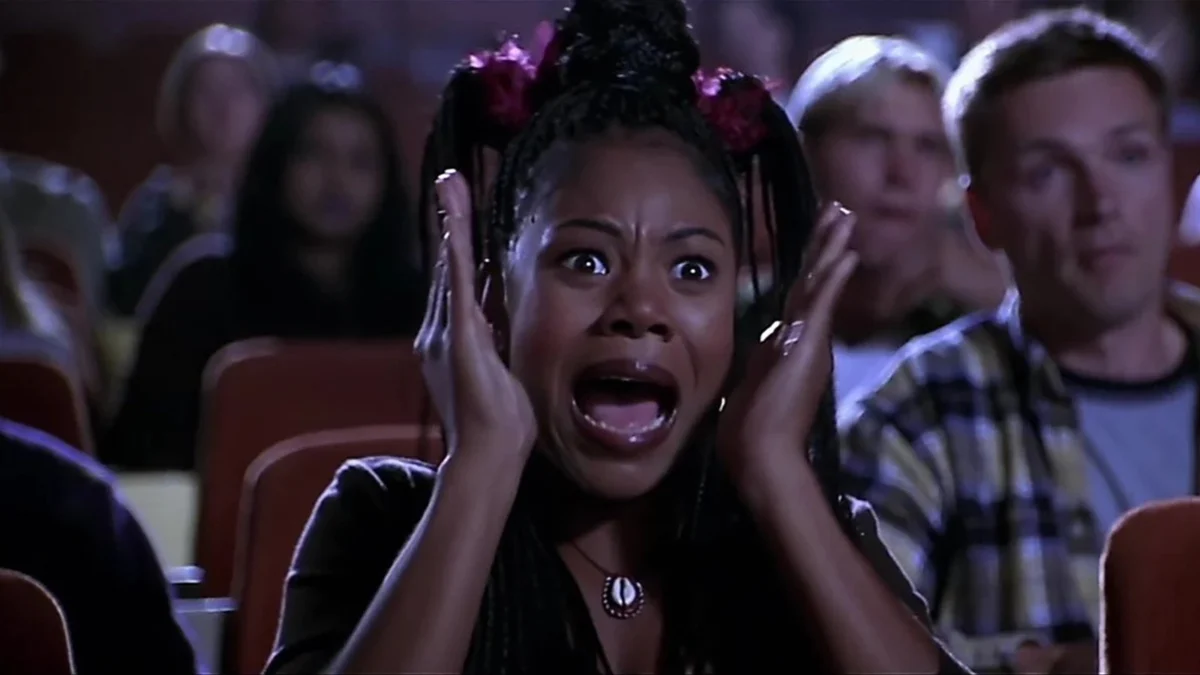
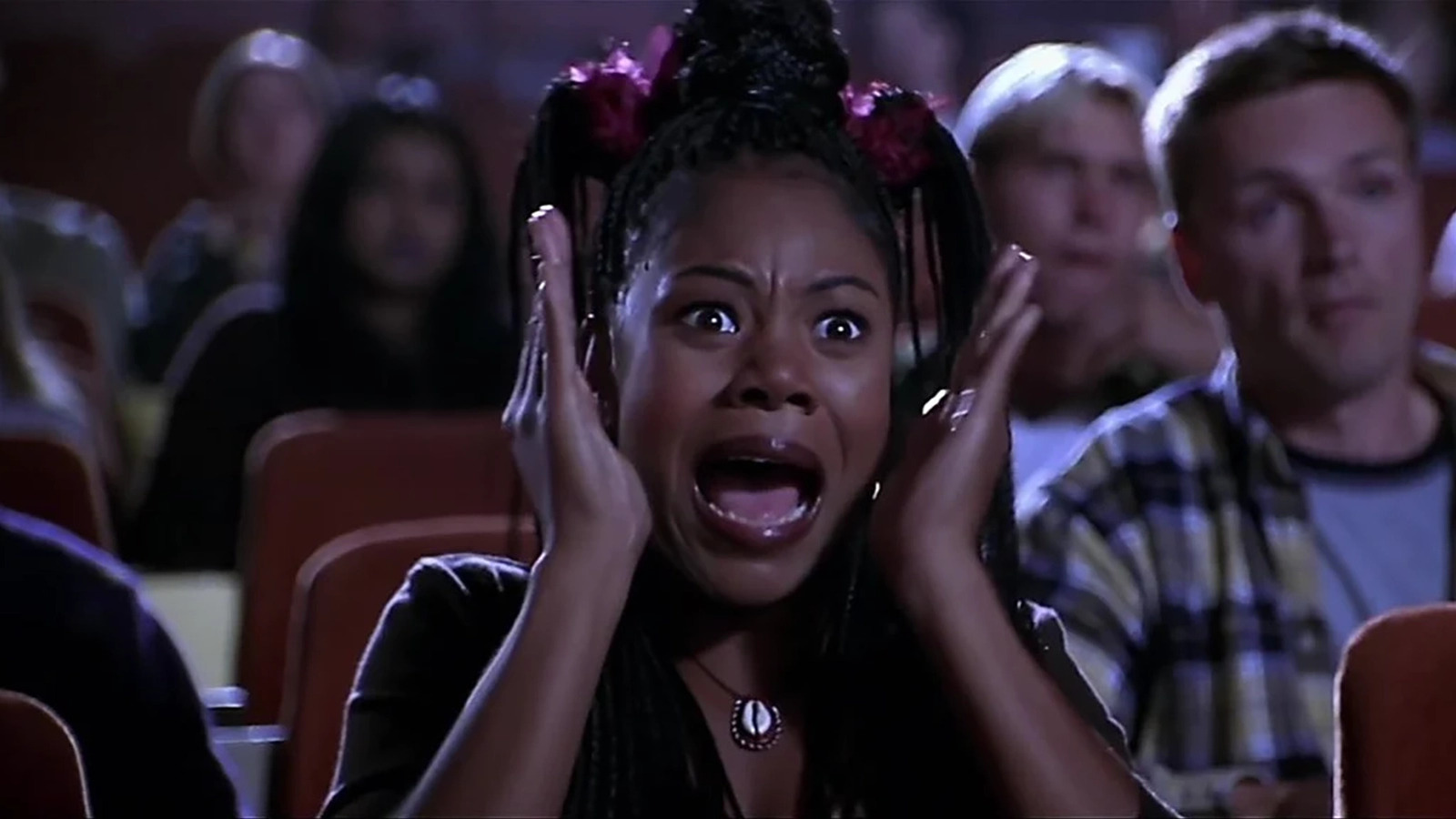
Despite the criticism of the writing, the "data" of Hollywood history proves the film was a masterclass in casting. Anna Faris’s portrayal of Cindy Campbell and Regina Hall’s Brenda Meeks are now considered iconic comedic performances. Hall’s "theater scene" in the first film—where her character is murdered by a disgruntled audience for talking during a movie—remains one of the most shared and referenced clips in the history of the genre.
Official Responses: The Wayans Perspective and Industry Friction
The history of Scary Movie is inextricably linked to the behind-the-scenes drama between the Wayans brothers and the Weinstein brothers (Bob and Harvey).
In various interviews conducted between 2000 and the 2026 revival, Marlon Wayans has been candid about the "bitter anger" that occasionally seeped into the original film. He famously noted that the climax of the first movie featured a joke about the cancellation of The Wayans Bros. sitcom, reflecting a genuine frustration with the television industry.
The Wayans have also spoken openly about their "unceremonious" firing from the franchise they created. In a 2021 retrospective, Marlon Wayans described the Weinsteins’ business tactics as "evil," claiming the studio snatched the franchise away just as it was becoming a global brand. This context explains the "acidity" that some critics feel when watching the first film; it was a movie made by creators who felt they had something to prove against a system that undervalued them.
The 2026 return of the Wayans is, in many ways, an official "peace treaty" or a victory lap. Their involvement in the new film suggests a reconciliation with the current rights-holders and a desire to reclaim the satirical throne from the "lazy and juvenile" imitators that filled the gap during their absence.
Implications: The Future of Satire in the Age of "Elevated Horror"
The re-emergence of the Scary Movie brand in 2026 carries significant implications for the film industry. We are currently living in an era where horror is treated with immense prestige. Studios like A24 and directors like Ari Aster or Robert Eggers have moved the genre toward "elevated horror," focusing on grief, trauma, and atmospheric dread.
The original Scary Movie thrived because it punctured the self-seriousness of the 90s slasher. The 2026 reboot faces a similar, albeit more difficult, challenge: How do you parody a genre that has become so intellectualized?
The Cyclical Nature of Parody
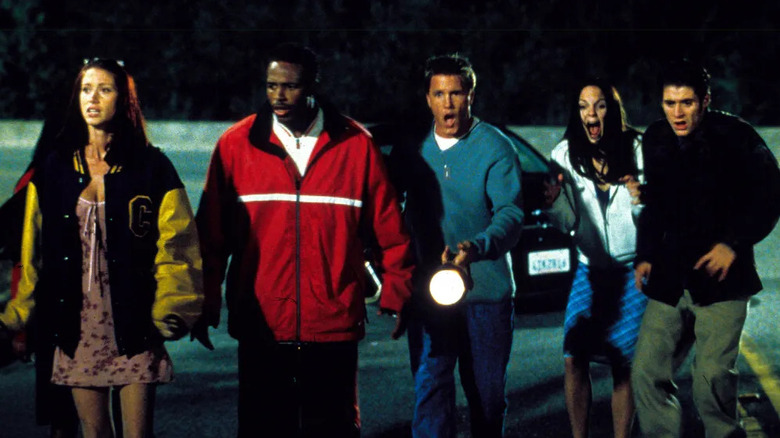
History suggests that parody works in cycles. When a genre becomes too formulaic or takes itself too seriously, the "spoof" acts as a necessary cultural release valve. The original Scary Movie was that valve for the post-Scream era. If the 2026 film can capture the "exuberance" and "bite" of the original while avoiding the "phobic" tropes that have aged poorly, it may find a massive audience among Gen Z and Alpha viewers who have grown up with the "requel" tropes of the Halloween, Scream, and Exorcist revivals.
The Legacy of Brenda and Cindy
Perhaps the most lasting implication of the 2000 film is its contribution to the "Final Girl" trope. By turning the Final Girl (Cindy) into a bumbling, oblivious, yet strangely resilient figure, Scary Movie commented on the absurdity of horror survival. As we look toward the 2026 release, the industry is watching to see if the Wayans can once again create characters that transcend the jokes themselves.
In conclusion, while the original Scary Movie may be "eye-rolling at best and groan-inducing at worst" to some, its position as a cultural touchstone is undeniable. It was a film born out of industry friction, fueled by the rising stars of the Wayans family, and destined to become a blueprint for a decade of comedy. As we stand on the precipice of the 2026 revival, it is clear that the "Scary Movie" brand—much like the slashers it mocks—is a monster that simply refuses to stay dead. Whether it can achieve "genuine greatness" this time around remains to be seen, but the exuberance of its return suggests that the "Wazzup!" spirit is alive and well.

Leave a Comment