
Manchester’s Newest Residents: How Disney and National Geographic Transformed Advertising into Ecosystems
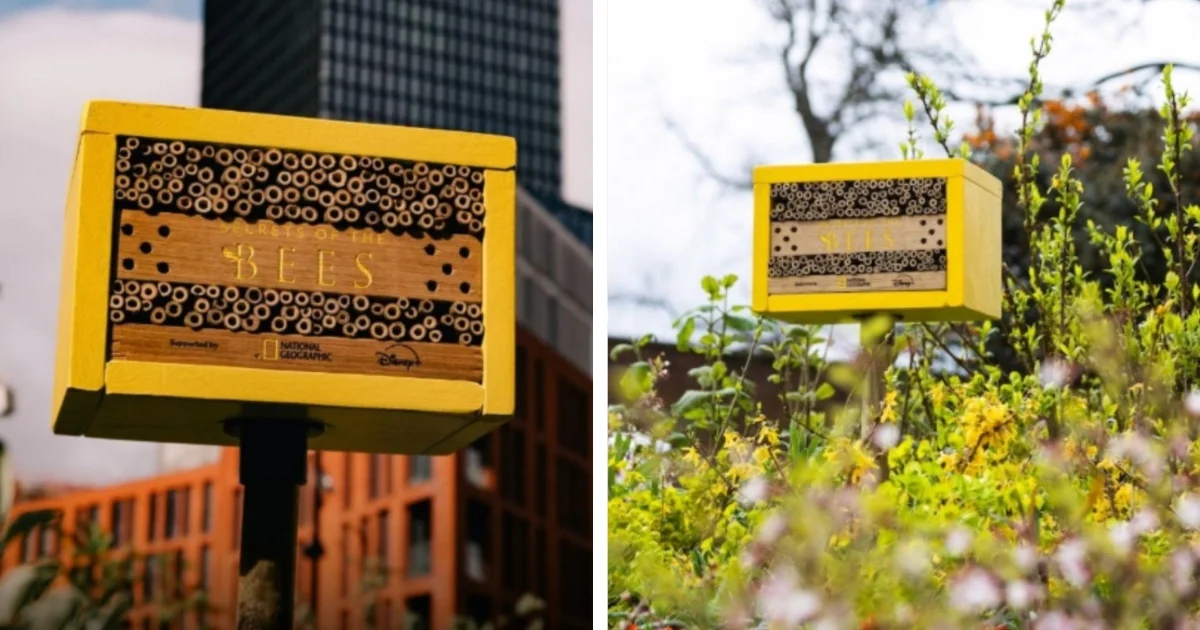
MANCHESTER, UK — In a move that blends high-end wildlife cinematography with urban ecological restoration, National Geographic and Disney+ have unveiled a revolutionary marketing campaign for their latest documentary series, Secrets of the Bees. Eschewing the traditional, often wasteful, ephemeral nature of billboard advertising, the media giants have opted for a "permanent infrastructure" approach. Throughout the parks and urban corridors of Manchester, the city’s iconic symbol—the worker bee—is being celebrated through the installation of sustainable "bee hotels" and "bloomboards" designed to provide sanctuary for the very creatures featured on screen.
Main Facts: A Campaign of Purpose and Permanence
The campaign, launched in tandem with the March 31, 2026, premiere of Secrets of the Bees, represents a significant shift in how entertainment brands engage with local environments. Rather than utilizing PVC vinyl or digital screens that consume high levels of electricity, the creative agency Meanwhile was commissioned to design structures that serve a dual purpose: promoting the Emmy-winning "Secrets of" franchise while actively contributing to the local biodiversity of North West England.
The centerpiece of the initiative is located in Manchester’s Heaton Park, where a "bloomboard" has been erected. This structure is not a flat image but a living, breathing vertical garden. Surrounding the advertisement are over 500 nectar-rich plants specifically selected to support local pollinator populations. Complementing the bloomboard is a series of "bee hotels" scattered across the city’s green spaces. These installations are crafted from sustainably sourced cedar—reclaimed from naturally felled trees—and are designed to house solitary bees, which account for the vast majority of bee species but often lack the nesting habitats found in managed hives.
Chronology: From Documentary Development to Urban Installation
The journey of Secrets of the Bees began long before the first hotel was installed in Manchester. The timeline of this project reflects a multi-year commitment to both scientific rigor and creative marketing:
- 2022–2025: Production and Research: National Geographic filmmakers and entomologists spent over three years in the field. Using specialized macro-lenses and high-speed motion-control cameras, the team captured behaviors never before recorded, including the complex "waggle dances" and the intricate social hierarchies of various species.
- Late 2025: The Creative Brief: As the show moved into post-production, Disney and National Geographic sought a marketing strategy that mirrored the show’s conservationist message. The Manchester-based agency Meanwhile was selected for its proposal to create "functional advertising."
- January – February 2026: Collaboration and Construction: Meanwhile partnered with Build Hollywood and the Manchester & District Beekeepers’ Association. The association provided vital expertise on the types of wood and hole diameters required to attract native solitary bees.
- March 31, 2026: Global Premiere and Campaign Launch: Secrets of the Bees debuted on Disney+. Simultaneously, the first wave of bee hotels was unveiled across Manchester, including the flagship bloomboard in Heaton Park.
- April 2026 – Present: Permanent Integration: Unlike standard promotional materials that are removed after a few weeks, these installations remain as permanent fixtures of Manchester’s urban landscape, monitored for their ecological impact.
Supporting Data: The Ecological and Technical Rationale
The decision to focus on Manchester was no coincidence. The "Worker Bee" has been the symbol of Manchester since the Industrial Revolution, representing the city’s hard-working residents. However, real-world bee populations have faced a precipitous decline.
The Plight of the Pollinator
According to data from the Bumblebee Conservation Trust, the UK has seen a dramatic loss in bee diversity over the last century, with several species going extinct and others seeing their ranges contract by up to 50%. While honeybees often receive the most public attention, solitary bees—such as mason bees and leafcutter bees—are responsible for a significant portion of pollination. These bees do not live in colonies; they require small cavities in wood or soil to lay their eggs. By providing cedar-based "hotels," the National Geographic campaign addresses a specific "housing crisis" within the insect world.
Sustainable Material Science
The use of felled cedar is a critical technical detail. Cedar is naturally rot-resistant and does not require chemical treatments or pressure-treating with toxins that could harm sensitive larvae. By sourcing from already felled trees, the agency ensured that the campaign’s carbon footprint remained minimal. Furthermore, the 500+ plants used in the Heaton Park bloomboard were selected to provide a "pollinator corridor," ensuring that bees have a continuous food source throughout the spring and summer months.
Filming Innovation
The documentary itself utilized breakthrough technology to justify its "Secrets of" title. To film inside the dark, cramped quarters of various nests without disturbing the inhabitants, the crew used infrared lighting and ultra-thin fiber-optic cameras. This level of detail in production necessitated a marketing campaign that felt equally sophisticated and grounded in reality.
Official Responses: Perspectives from the Partners
The success of the initiative has been lauded by both the creative and environmental sectors.
Meanwhile Agency Statement:
"We wanted to do more than just tell people to watch a show about bees; we wanted to show them why bees matter," said a spokesperson for Meanwhile. "By creating advertisements that the bees themselves can use, we are turning a commercial message into a community asset. The use of sustainable cedar and the partnership with local beekeepers ensured that this wasn’t just a gimmick, but a genuine contribution to Manchester’s ecosystem."
Manchester & District Beekeepers’ Association:
"It is rare to see a global brand take the time to consult with local experts on the specific needs of native insects," noted a representative from the association. "The design of these hotels—the depth of the holes, the choice of wood, and the placement in areas like Heaton Park—demonstrates a deep understanding of solitary bee biology. This campaign sets a new standard for corporate environmental responsibility."
National Geographic Media:
A representative for National Geographic emphasized the brand’s mission: "Our ‘Secrets of’ franchise is about revealing the hidden lives of the most extraordinary creatures on Earth. With Secrets of the Bees, we wanted the marketing to be an extension of that revelation. If we can provide a home for one population of bees while educating the public, we have succeeded."
Implications: A New Blueprint for Regenerative Marketing
The Manchester installation serves as a pilot for what many in the industry are calling "Regenerative Marketing." As consumers become increasingly cynical toward traditional advertising, brands are seeking ways to provide "tangible value" to the communities they target.
1. The Death of the Disposable Billboard
The environmental cost of traditional advertising—from the energy used in digital screens to the non-recyclable plastics in vinyl banners—is under increasing scrutiny. The National Geographic model suggests a future where advertising budgets are diverted into urban greening and infrastructure projects that remain long after the "call to action" has expired.
2. Urban Biodiversity as a Corporate Responsibility
As cities become hotter and more congested, the "urban heat island" effect threatens local wildlife. If more corporations followed the "bloomboard" model, urban centers could see a significant increase in green cover. This campaign demonstrates that commercial spaces can serve as vital links in ecological corridors.
3. Strengthening Local Identity
By leaning into Manchester’s history with the bee, Disney and National Geographic created a localized connection that a generic global campaign could not achieve. This "hyper-local" approach to global branding helps foster a sense of goodwill and community pride, which is often more effective for long-term brand loyalty than a standard television spot.
4. Educational Legacy
Beyond the physical structures, the campaign has turned Heaton Park into an outdoor classroom. QR codes on the installations allow visitors to see clips from the documentary, identifying the specific types of bees they might see entering the hotels. This bridges the gap between digital content and physical experience, creating a multi-sensory educational tool.
In conclusion, the Secrets of the Bees campaign in Manchester is more than just a promotion for a television show. It is a sophisticated integration of art, science, and social responsibility. By building homes for the very subjects they filmed, National Geographic and Disney have shown that the best way to tell a story about nature is to become an active, positive part of it. As the cedar hotels begin to fill with nesting bees this season, the message of the show will be lived out in the gardens of Manchester, one pollinator at a time.

Leave a Comment