
The Charm of the Second-Hand: A Deep Dive into the Narrative and Mechanics of Thrifty Business
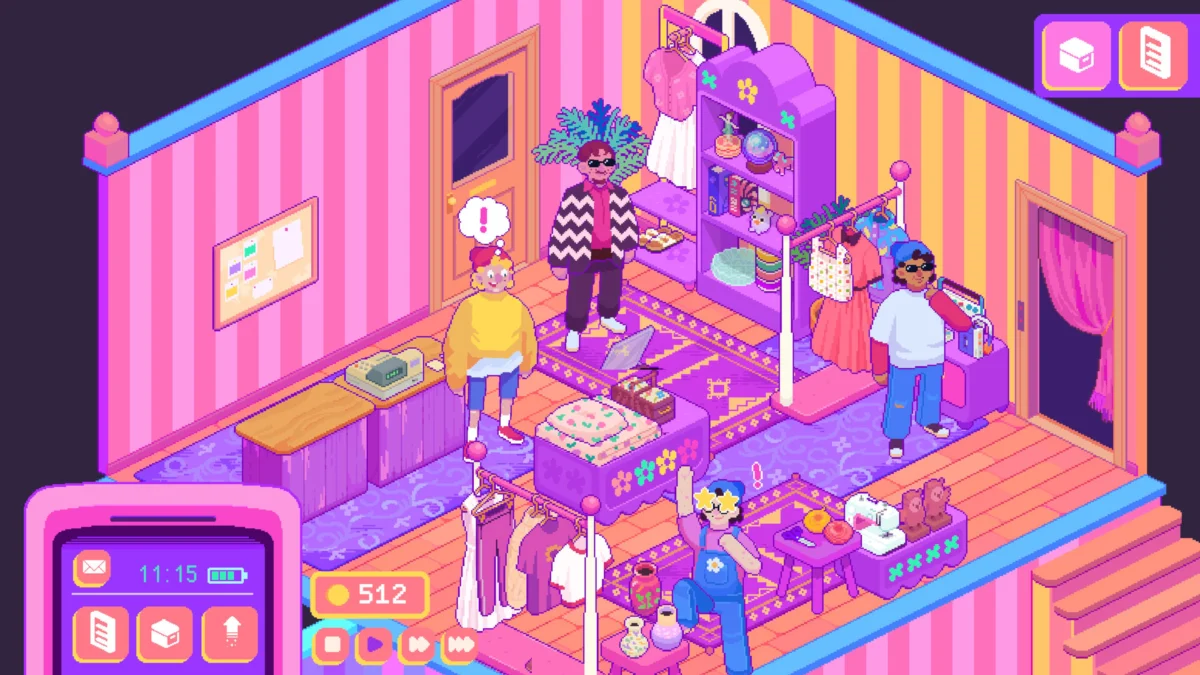
In the burgeoning landscape of "cozy" management simulations, a new contender has emerged to capture the hearts of players who find solace in the mundane and beauty in the discarded. Thrifty Business, now available on Steam, invites players to step away from the high-stakes pressure of traditional tycoon games and into the dust-speckled, sun-drenched aisles of a community thrift store. Unlike its contemporaries that focus on hyper-optimization and ruthless expansion, Thrifty Business prioritizes the human element—the stories behind the objects and the connections forged within a neighborhood.
Main Facts: A New Vision for Retail Simulations
Thrifty Business is an indie management simulation developed with a clear focus on "vibe-based" gameplay and narrative-driven progression. At its core, the game tasks players with the day-to-day operations of a used-goods shop. However, the "business" aspect is merely a canvas for a broader exploration of community dynamics and 90s-era nostalgia.
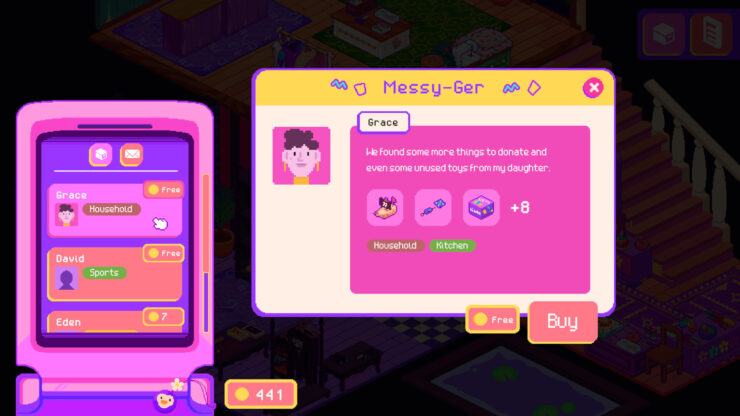
The game stands out in the crowded simulation genre through its unique procurement system. Rather than ordering specific stock from a catalog, players purchase mystery boxes based on "vibes" and limited information. This mimics the real-world unpredictability of estate sales and donation bins, where the value of a haul is only revealed once the tape is cut and the flaps are opened.
Key features of the title include:
- Mystery Procurement: A risk-reward system centered on purchasing boxes with only partial knowledge of their contents.
- Dynamic Shop Customization: A robust placement system for shelves, clothing racks, and display tables that affects customer satisfaction.
- Narrative Integration: A "Story Item" system where specific goods trigger dialogues and subplots involving local NPCs.
- Community Events: The ability to host local gatherings, shifting the shop from a mere retail space to a social hub.
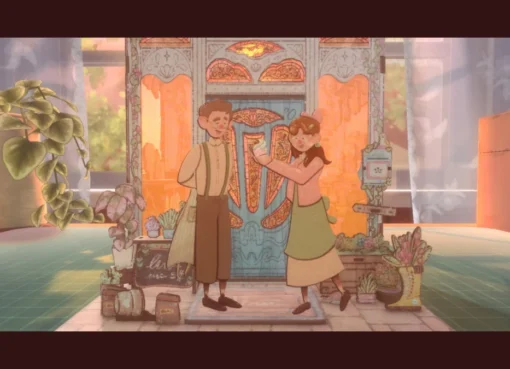
- 90s Aesthetic: A visual style that evokes the warmth and saturated palettes of the late 20th century.
Chronology: The Lifecycle of a Thrift Store Day
To understand the depth of Thrifty Business, one must examine the meticulous loop of its gameplay. The game operates on a structured daily cycle that balances preparation, execution, and reflection.
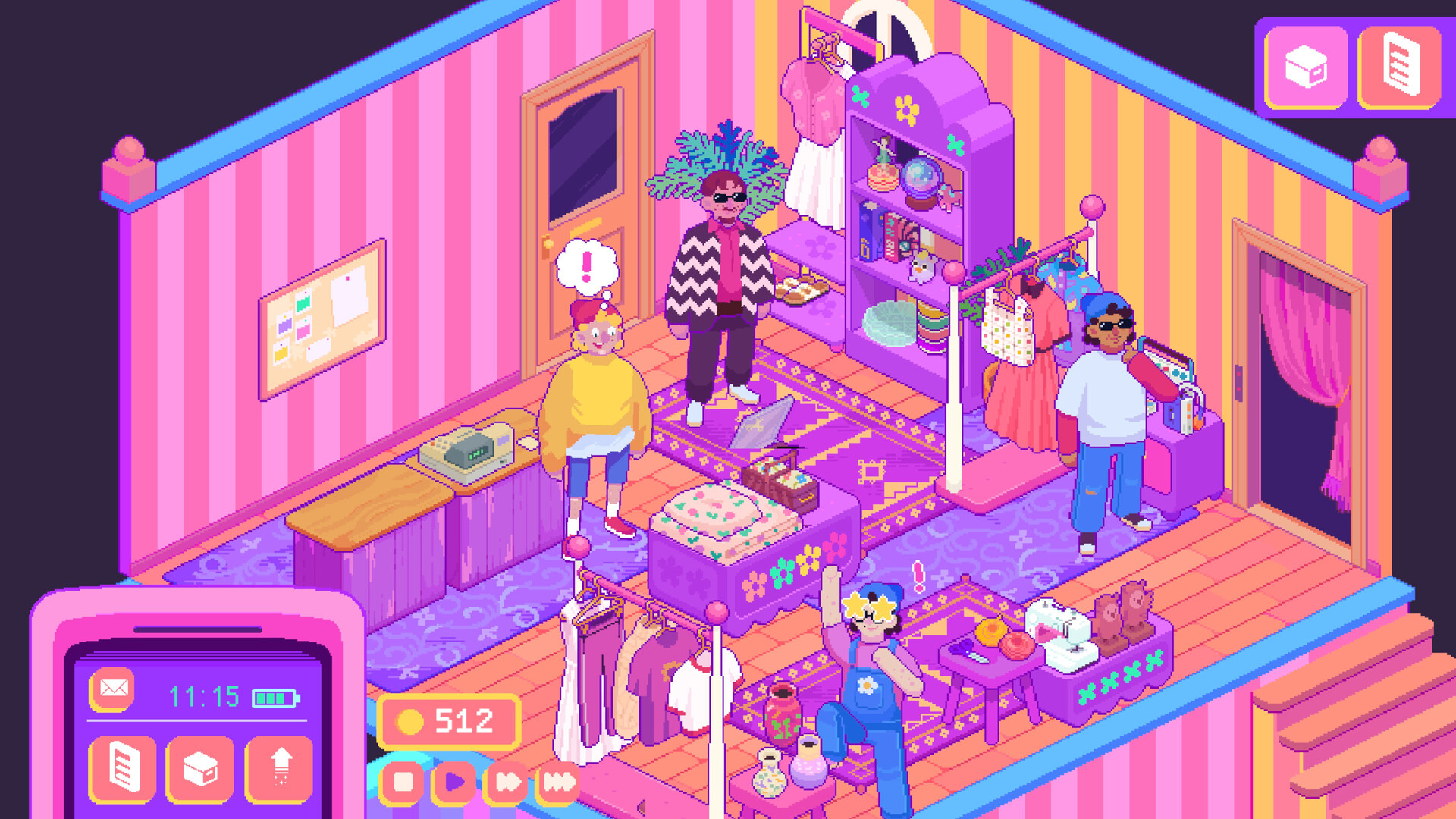
The Morning Sort: Procurement and Unboxing
The day begins in the backroom. The player’s first task is to source inventory. This is handled through a digital interface where various boxes are listed for sale. Each listing provides a "vibe" description (e.g., "Vintage Kitchenware" or "Grandmother’s Attic") and reveals only the first few items. The player must decide if the price justifies the gamble. Once a box is purchased, the tactile process of unpacking begins. Items are pulled out one by one, categorized, and added to the shop’s inventory management system. This system is designed to be intuitive, preventing the "clutter fatigue" that often plagues inventory-heavy games.
The Setup: Merchandising and Aesthetics
Before flipping the "Open" sign, the player must arrange the shop. This involves more than just filling shelves; it is a puzzle of spatial logic. Players must purchase and place furniture—tables for pottery, racks for vintage denim, and shelves for rare books. The layout is critical. If aisles are too narrow or items are placed too high, customers will express frustration. The game’s engine tracks customer "pathing" and "reachability," making the physical layout of the store a central gameplay mechanic.
The Open Hours: Management and Interaction
Once the doors open, the simulation comes to life. Customers drift in, each with their own AI-driven preferences. The player’s role shifts to a "floor manager" persona. Tasks include:
- Restocking: As items sell, the player must quickly fill the gaps to maintain the shop’s visual appeal.
- Maintenance: Picking up litter and ensuring the environment remains "cozy."
- The Checkout: Manning the register to finalize sales and interact with the locals.
- Customer Service: Some patrons arrive with specific requests. Finding a particular item for a neighbor often triggers a narrative beat, revealing a piece of their personal history or a current struggle they are facing.
The Evening Reflection: Growth and Events
As the sun sets and the shop closes, the player reviews their earnings and prepares for the next day. This is also when the game’s "Community Event" system comes into play. Players can eventually expand their floor space to host events—ranging from book readings to local craft fairs. These events do not just drive sales; they deepen the player’s standing in the community, unlocking new "personal story" boxes that are often gifted by grateful neighbors.
Supporting Data: The Rise of the "Low-Stakes" Sim
The success of Thrifty Business is reflective of a larger trend in the gaming industry. Data from Steam’s "Cozy" and "Simulation" tags suggests a significant shift in player demographics and preferences. Over the last three years, titles that emphasize "relaxation" and "non-violent progression" have seen a 40% increase in year-over-year player retention.
The appeal of Thrifty Business lies in its "low-stakes" design. In traditional retail sims, failing to meet a quota often leads to a "Game Over" screen. In Thrifty Business, "failure" is soft-pedaled. A poorly arranged shelf might result in a disgruntled comment or a missed sale, but it never threatens the player’s ability to continue their journey. This design philosophy caters to a growing audience of "stress-relief" gamers—players who use gaming as a way to decompress after high-pressure workdays.
Furthermore, the game’s 90s aesthetic is a calculated and effective choice. Market research indicates that the "nostalgia cycle" has firmly landed on the 1990s, with Gen Z and Millennials showing a high affinity for the chunky tech, vibrant primary colors, and specific fashion trends of that era. Thrifty Business taps into this by filling its boxes with items that feel like genuine artifacts of the period.
Official Responses: Design Philosophy and Intent
While the developers have remained largely focused on the iterative improvement of the Steam build, their design philosophy is evident in the game’s execution. Early demo feedback from events like New Game Plus highlighted the game’s unique approach to "inventory as narrative."
According to the developers, the goal was to create a game where every item has a potential soul. "We didn’t want players to just see ‘Item #402: Ceramic Mug,’" a development note suggests. "We wanted them to see a mug that looks like it belonged to someone’s favorite aunt. When a customer comes in looking for that specific mug because they lost theirs in a move, that’s where the magic happens."
This focus on the "meaning of things" is what separates Thrifty Business from a standard spreadsheet-driven tycoon game. The inclusion of free boxes—often given as "thank yous" from NPCs—reinforces the theme that in a community-focused business, social capital is just as valuable as financial capital.
Implications: The Future of Community-Focused Gaming
The release of Thrifty Business signals a maturation of the "Job Sim" genre. We are moving away from the "Warioware-style" frantic tasks of Overcooked and toward a more meditative, narrative-heavy experience.
The "Narrative Management" Hybrid
Thrifty Business suggests that management games can serve as excellent vehicles for storytelling. By tying character progression to the items being sold, the game creates a seamless link between mechanics and plot. This could pave the way for future sims where the "business" is merely the setting for a complex, branching visual novel.
The Impact on Indie Development
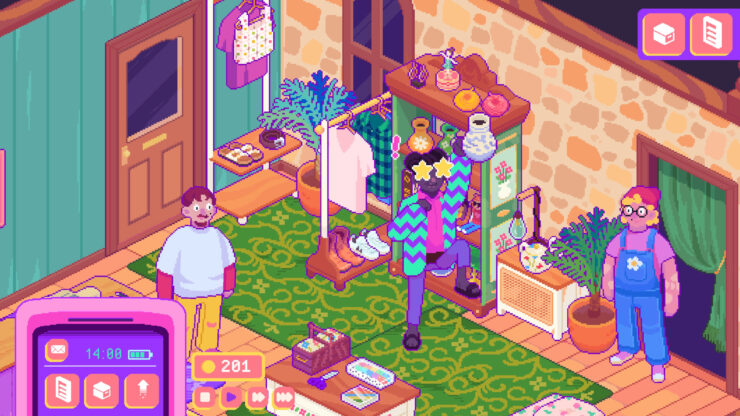
For indie developers, Thrifty Business provides a blueprint for how to handle "scope" effectively. By focusing on a single, detailed interior and a limited cast of meaningful characters, the game achieves a high level of polish without requiring the massive assets of an open-world title. The 90s visual style also allows for a distinctive look that is technically manageable for a smaller team while remaining aesthetically pleasing.
The Evolution of the "Cozy" Label
Finally, the game challenges the definition of "cozy." While often associated with farming or decorating, Thrifty Business proves that the hustle and bustle of retail can be cozy if the environment is supportive and the goals are human-centric. It posits that "coziness" isn’t just about the absence of conflict, but about the presence of community.
Conclusion
Thrifty Business is more than a game about selling used clothes and dusty trinkets. It is a digital sanctuary that celebrates the cycle of giving and receiving. Through its relaxed management mechanics, its commitment to 90s nostalgia, and its heartfelt community stories, it offers a compelling argument for the value of the second-hand. In a world increasingly focused on the "new," Thrifty Business reminds us that there is a profound joy to be found in the old, the used, and the shared.
For those looking to trade the stress of the modern world for a price gun and a box of mystery "vibes," Thrifty Business is currently available for purchase on Steam. It is a small game with a very large heart, proving that sometimes, the best business is the one that puts people before profits.


Leave a Comment