Restoration Through the Shadows: An In-Depth Look at ‘The Path of Kana’
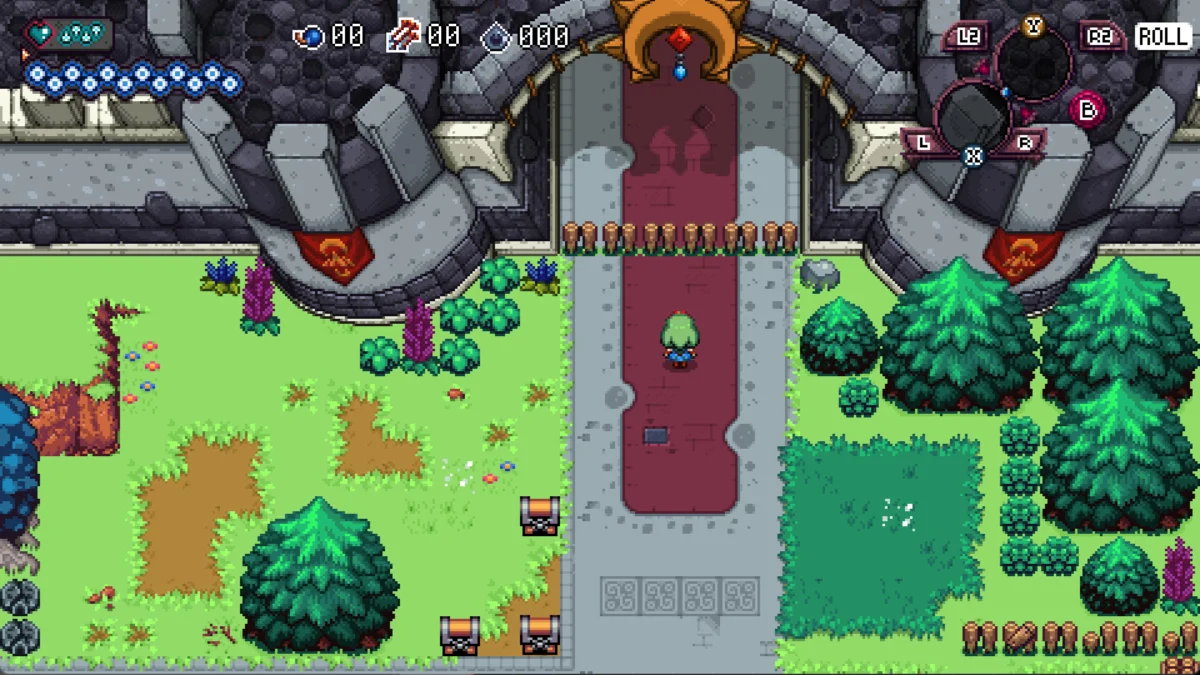
The indie gaming landscape has long been a fertile ground for titles that blend atmospheric storytelling with tight, innovative gameplay mechanics. Emerging from this tradition is The Path of Kana, an upcoming action-adventure RPG that promises to transport players into a world where the boundaries between the living and the dead have dangerously thinned. Recently showcased at Game Con Canada, the title has begun to garner significant attention for its unique visual perspective, tactical combat, and a narrative fueled by a cosmic tragedy.
As players prepare to step into the role of a chosen hero guided by an ancient spirit, The Path of Kana offers more than just a standard dungeon crawler; it presents a meditative yet challenging journey through a realm shattered by grief.
I. Main Facts: The Narrative Architecture of a Fallen Kingdom
At its core, The Path of Kana is built upon a foundation of high-fantasy tragedy. The game’s world centers on the Celestial Kingdom, a once-resplendent realm that served as a beacon of order and light. However, this stability was not undone by an external invading force, but rather by an internal collapse of the spirit. The lore posits that the kingdom fell into ruin following the profound grief of High Priest Lucian Noctis.
This narrative choice—using human emotion as the catalyst for a world-ending event—sets a somber and mature tone for the adventure. The High Priest’s sorrow was so potent that it acted as a corruptive force, physically and spiritually warping the fabric of reality. Consequently, the "Living World" and the "Spirit Realm" have become inextricably intertwined. This "Grief-Darkness" is not merely a metaphor; it is a literal shadow spreading across the land, manifesting as haunted dungeons and restless apparitions.
Players assume the mantle of a protagonist chosen by an "Ancient Spirit." This partnership serves as the mechanical and narrative engine of the game. As the chosen one, your objective is twofold: you must navigate the treacherous, haunted corridors of the world’s dungeons to solve the puzzles of the past, and you must act as a psychopomp, guiding lost souls back to their rightful resting places. The ultimate goal is the restoration of the Celestial Kingdom, a task that requires purging the darkness sown by Lucian Noctis.
II. Chronology: From Concept to the Game Con Canada Showcase
The development journey of The Path of Kana has reached a pivotal milestone with its recent public demo. While a definitive release date remains under wraps, the game’s presence at major industry events signals a high level of polish and a nearing completion of its core systems.
The most recent and significant update in the game’s timeline occurred at Game Con Canada. This event allowed journalists and players to experience a hands-on demo, specifically focusing on the dungeon-crawling aspects of the title. This hands-on period provided the first real look at how the game’s disparate systems—combat, puzzle-solving, and navigation—coalesce into a singular experience.
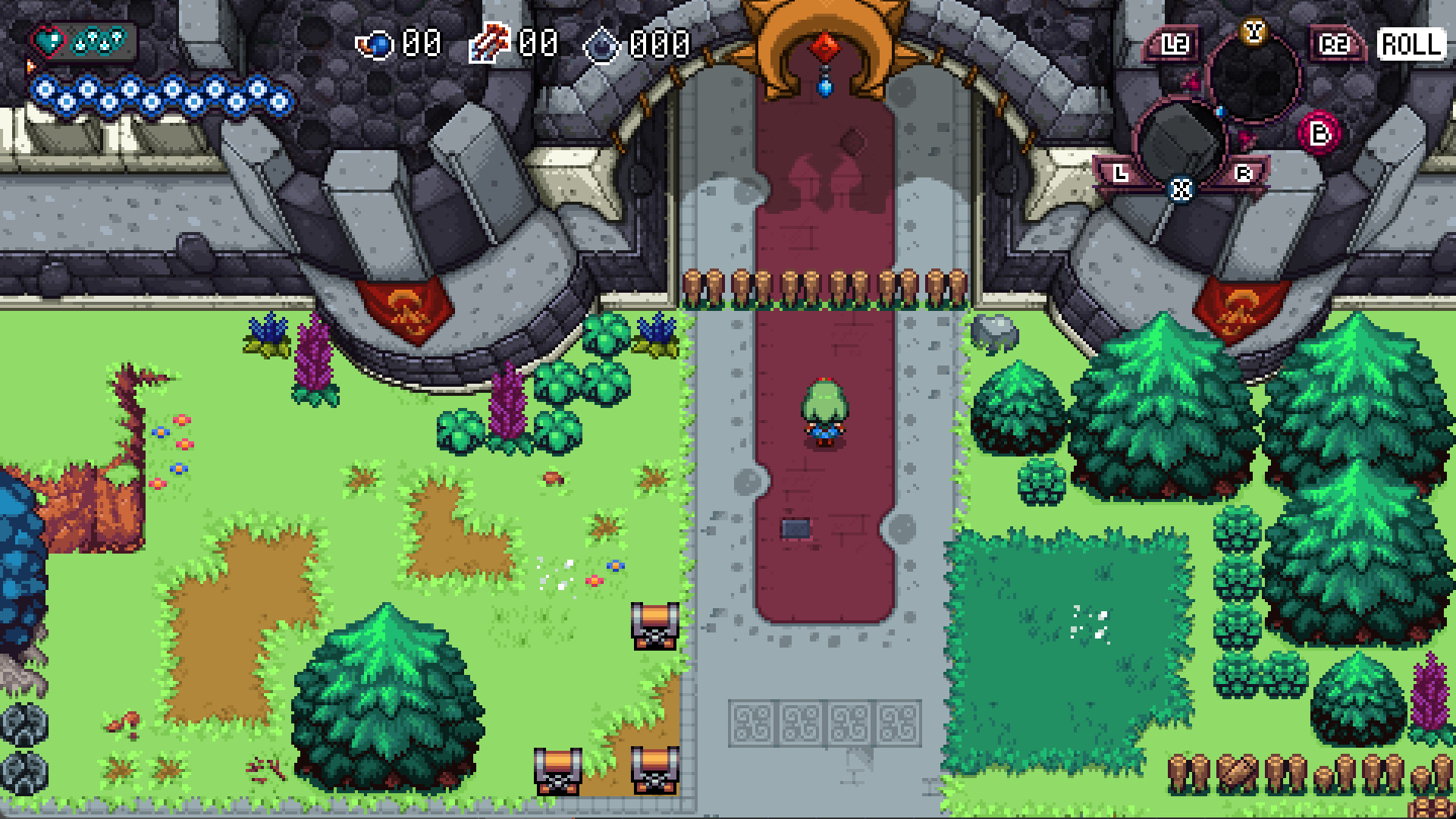
Early reports from this demo highlight a game that feels "polished" and "unique," avoiding the generic pitfalls of the RPG genre. The transition from the reveal trailer to a playable floor demo indicates that the developers have successfully moved from the conceptual stage to a functional, "feel-good" gameplay loop. Currently, the game is in the "wishlist" phase on Steam, a critical period for indie developers to build the momentum necessary for a successful launch.
III. Supporting Data: Mechanics, Combat, and Environmental Design
What distinguishes The Path of Kana from its contemporaries are the "unique twists" integrated into its moment-to-moment gameplay. Based on the Game Con Canada demo and official trailers, several key pillars of design have been identified:
1. Dynamic Perspectives
One of the most striking features noted by players is the game’s use of perspective. While many RPGs utilize a static top-down or third-person view, The Path of Kana experiments with camera angles to enhance immersion. For instance, when the player climbs ladders, the camera shifts in a way that creates a sense of movement "towards" the player. This subtle manipulation of the field of view adds a layer of depth to the environment, making the dungeons feel like three-dimensional spaces rather than flat maps.
2. Tactical Combat and Enemy Variety
Combat in The Path of Kana is not a simple matter of button-mashing. The game employs a "weak point" system and environmental interaction:
- Precision Targeting: Many enemies possess specific vulnerabilities that must be targeted to deal significant damage. This requires players to observe patterns and strike with intentionality.
- Environmental Kills: Certain enemies, such as those constructed of ancient bones, are resistant to traditional weaponry. The demo revealed that these foes often need to be strategically knocked back into pits or environmental hazards to be defeated. This introduces a physics-based layer to the combat encounters.
3. Progression and the Metroidvania Influence
The game utilizes a classic "lock and key" progression system reminiscent of the Metroidvania genre. Players discover items and artifacts throughout the dungeons that grant new abilities. These abilities serve a dual purpose: they are essential for solving increasingly complex puzzles and act as keys to unlock previously inaccessible areas of the map. This ensures that backtracking is rewarded and that the world feels interconnected.
4. Randomized Replayability
To ensure longevity, the developers have implemented a randomization system. While the core story and major landmarks remain constant, the placement of items and certain environmental configurations change with each playthrough. This "rogue-lite" element keeps the experience refreshing for those who wish to delve back into the darkness after their first successful quest.
IV. Official Responses: The Developer Vision
While the specific studio behind The Path of Kana maintains a focused profile, their design philosophy is evident in the gameplay snippets and the narrative framing provided. The inclusion of a "Reveal Trailer" on platforms like YouTube serves as the official statement of intent: the game is meant to be an "Action-Adventure RPG" that prioritizes atmosphere and "strange puzzles."
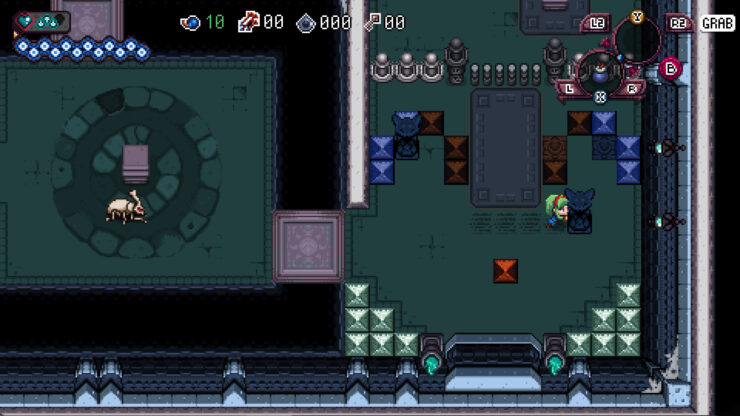
Journalist Jupiter Hadley, who spent time with the game at Game Con Canada, noted that the game feels "very interesting" and highlighted the "little, polished unique twists." This feedback suggests that the developers are focusing on "micro-innovations"—small, refined changes to established formulas—to make their game stand out in a crowded market. The official Steam page emphasizes the "haunted" nature of the world, suggesting that the developers are leaning heavily into a "dark-cozy" aesthetic—a blend of haunting themes with satisfying, responsive gameplay.
V. Implications: The Future of ‘The Path of Kana’ and the Genre
The emergence of The Path of Kana reflects a broader trend in the indie RPG sector: the move toward "Narrative-Mechanical Synergy." In this game, the mechanic of guiding souls is not just a side-quest; it is the literal manifestation of the story’s goal to heal a broken world.
Impact on the RPG Landscape
If The Path of Kana successfully balances its randomized elements with its scripted narrative, it could serve as a blueprint for how to handle replayability in story-driven RPGs. Many games struggle to make "randomized items" feel meaningful, but by tying these items to ability-based progression, the game ensures that every "random" find has a tangible impact on how the player interacts with the world.
The Role of Indie Showcases
The success of the demo at Game Con Canada also underscores the vital importance of regional gaming conventions. For an indie title like The Path of Kana, these events are the primary way to gain "word-of-mouth" traction. The positive reception of its unique perspectives and tactical combat suggests that there is a significant appetite for RPGs that move away from "numbers-heavy" combat in favor of "interaction-heavy" combat.
Conclusion: A Journey Worth Wishing For
As it stands, The Path of Kana is a promising entry into the action-adventure genre. It combines the melancholy of a world lost to grief with the mechanical satisfaction of a well-crafted dungeon crawler. While the lack of a release date may keep fans waiting, the polish displayed in current builds suggests that the final product will be a significant addition to the libraries of RPG enthusiasts.
For those captivated by the idea of mending a shattered Celestial Kingdom and outsmarting the denizens of a haunted realm, The Path of Kana remains a title to watch closely. Its blend of innovative camera work, strategic combat, and emotional storytelling makes it a standout "indie gem" in the making.
Availability: The Path of Kana is currently available for wishlisting on Steam. Prospective players are encouraged to follow the game’s development for future announcements regarding a release window and potential console ports.