
The Virtual Janitor: A Comprehensive Analysis of ‘Cleaning Up!’ and the Evolution of the "Clean-em-up" Genre
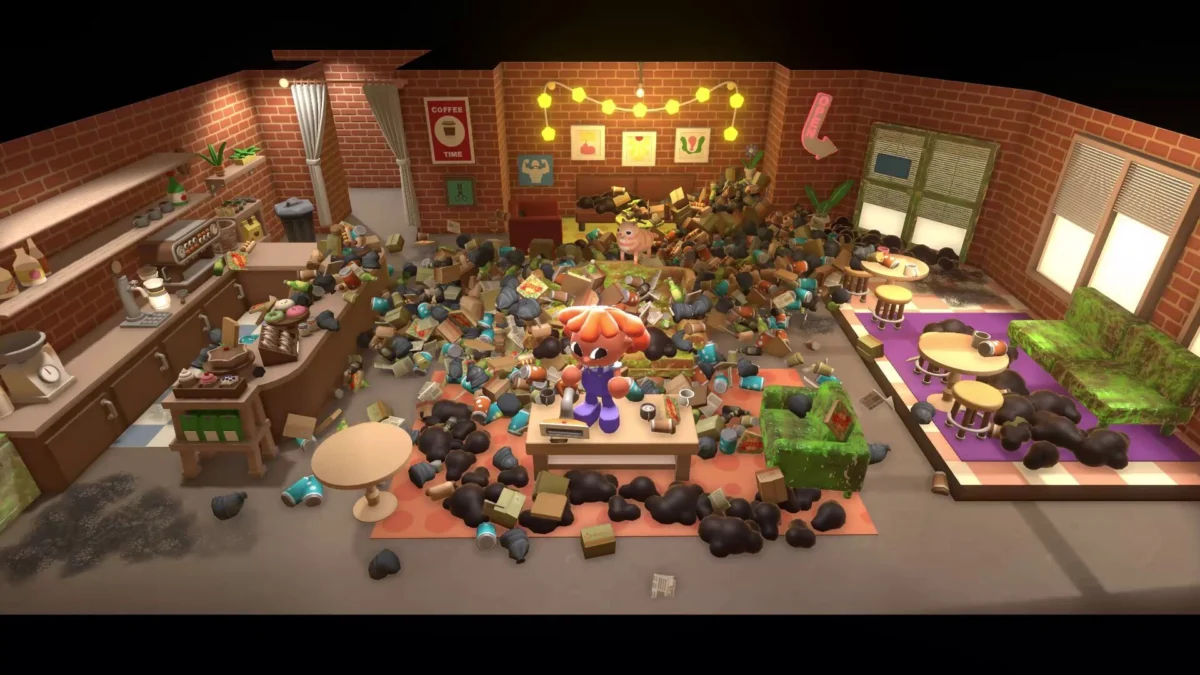
In the contemporary landscape of indie gaming, a peculiar yet immensely popular sub-genre has emerged: the "clean-em-up." Following in the footsteps of titles like PowerWash Simulator and Viscera Cleanup Detail, the recently released Cleaning Up! offers a whimsical, physics-based take on the therapeutic art of tidying. Available now on the Nintendo eShop and Steam, Cleaning Up! leverages a blend of absurdist humor, satisfying mechanical feedback, and light puzzle-solving to transform domestic drudgery into a compelling digital pastime.
This report examines the core mechanics, progression systems, and psychological appeal of Cleaning Up!, while situating it within the broader context of the "cozy gaming" movement.
Main Facts: The Core Concept of ‘Cleaning Up!’
Cleaning Up! is an indie simulation title that tasks players with restoring order to a series of increasingly chaotic and filthy environments. Unlike traditional action games that focus on destruction, Cleaning Up! prioritizes restoration. The game is built upon a robust physics engine that dictates how trash, liquids, and environmental hazards interact with the player’s arsenal of tools.
Key Features at a Glance:
- Platforms: PC (Steam) and Nintendo Switch.
- Core Gameplay: First-person or third-person perspective (physics-based) cleaning and waste management.
- Tool Variety: A multi-functional vacuum, industrial broom, mop, power washer, and deodorizing sprays.
- Progression System: Earned currency is used for tool upgrades and character cosmetics (e.g., the "Frog Hat").
- Atmosphere: Low-stress, no-timer gameplay focused on "zen-like" satisfaction.
- Narrative Element: Features a satirical AI companion—a sponge-based chatbot—that provides commentary and mission briefings.
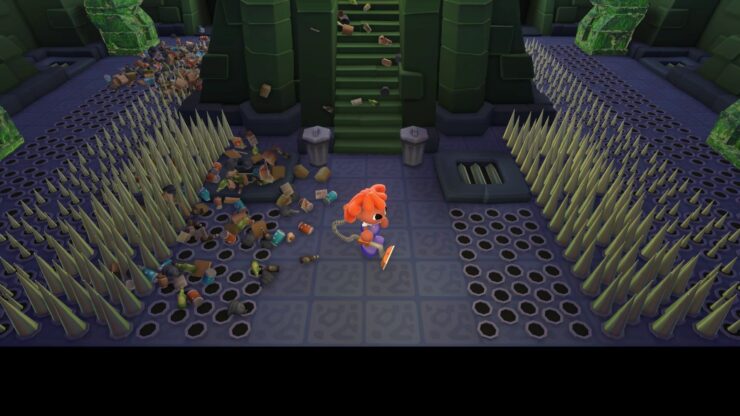
The game distinguishes itself through its tone. While some cleaning simulators lean into hyper-realism, Cleaning Up! embraces the surreal. Players aren’t just cleaning kitchens; they are navigating haunted rooms, pushing zombies back into tombs, and avoiding the ire of territorial felines.
Chronology: The Player’s Journey from Novice to Master Cleaner
The gameplay experience in Cleaning Up! is structured to introduce complexity at a manageable cadence, ensuring the player feels a constant sense of accomplishment without the pressure of failure.
Phase 1: The Basics of Suction
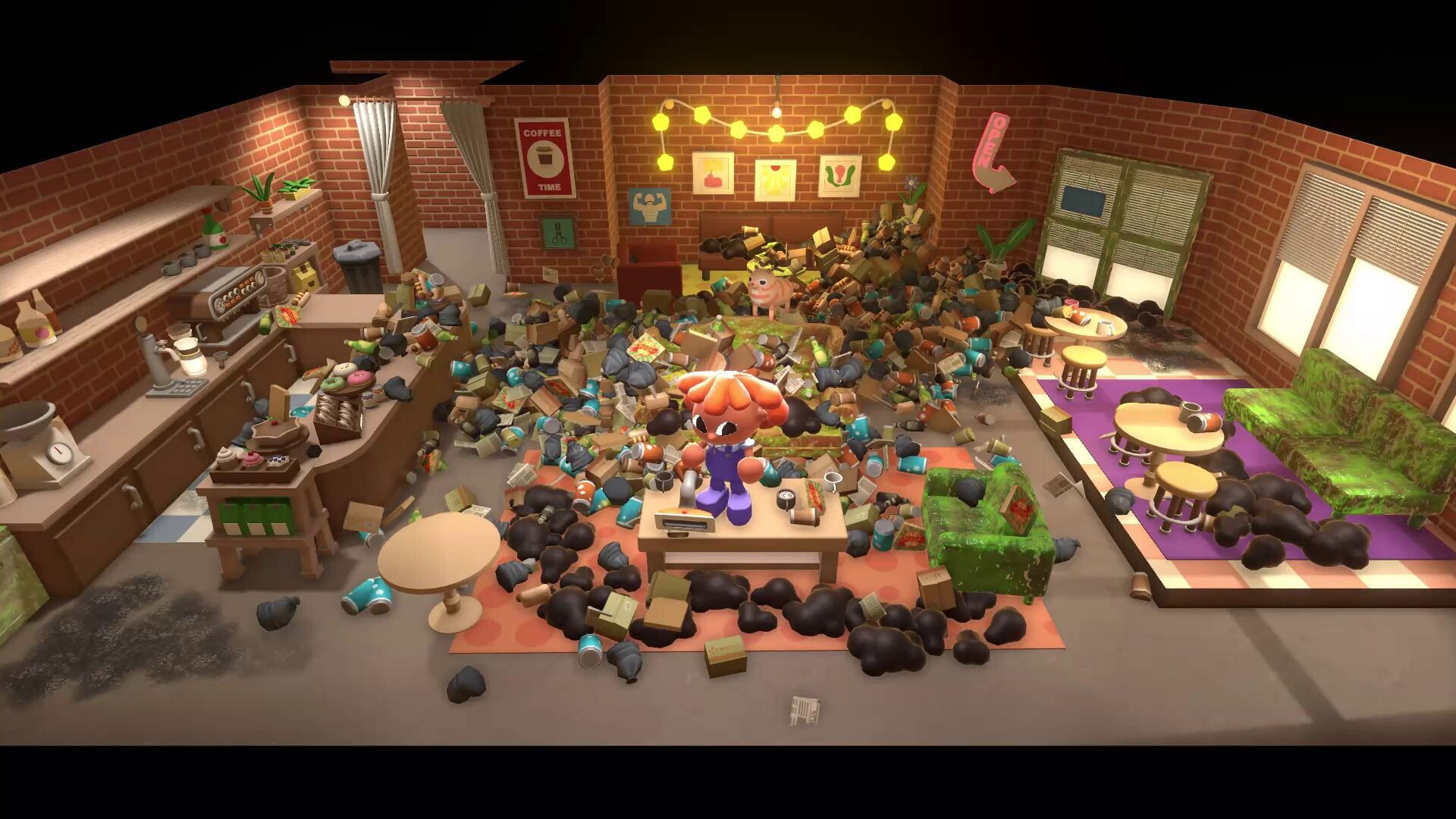
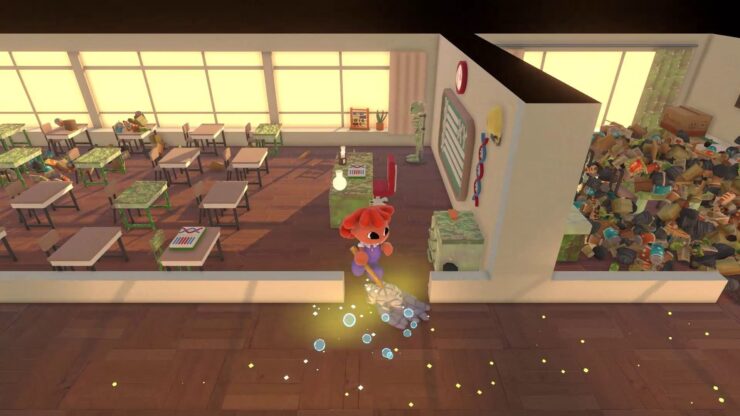
The journey begins with the most fundamental tool: the vacuum. In the initial levels, such as the cluttered cafe or the messy schoolroom, the player learns the "capacity loop." The vacuum can only hold a certain volume of debris before it must be emptied into a designated trash receptacle. This introduces a rhythmic flow to the gameplay—cleaning, emptying, and returning to the fray.
Phase 2: Tool Diversification
As the player progresses, the nature of the "filth" changes. Simple trash gives way to "black goo," which requires an industrial broom to break into manageable chunks. Wet spills necessitate the use of a mop, while grime-encrusted furniture requires the high-pressure intervention of a power washer. By the mid-game, players are juggling these tools to address multi-layered messes within a single room.
Phase 3: Environmental Hazards and Puzzles
The later stages of the game introduce "living" obstacles. The chronology shifts from pure cleaning to a hybrid of cleaning and hazard management. Players must navigate around ghosts, manage zombies by physically pushing them back into their resting places, and learn the "rules" of the environment—such as not spraying cats or avoiding the suction of dangerous, volatile packages.
Supporting Data: Mechanics, Tools, and Customization
The success of a simulation game often hinges on the "feel" of its mechanics. Cleaning Up! utilizes several data-driven systems to track player progress and provide feedback.
The Toolset and Efficiency Metrics
Each level features a set of progress bars at the top of the HUD. These bars provide real-time data on the percentage of cleanliness achieved with each specific tool.
- The Vacuum: The primary tool for solid waste. It features a physics-based "pull" that can affect nearby objects, requiring precision to avoid sucking up mission-critical items.
- The Broom: Used specifically for viscous substances. It transforms liquid-adjacent "goo" into solid physics objects.
- The Power Washer: A fan-favorite mechanic. Beyond cleaning furniture, it features a secondary "watering" mechanic for indoor plants, which provides bonus currency.
- The Deodorant Spray: The most "abstract" tool, used to clear invisible odor clouds. While players noted this tool as the most challenging to master due to its lack of visual feedback compared to the vacuum, it serves as the final "polish" for a 100% completion rating.
The Economy of Clean
Players earn currency based on the thoroughness of their cleaning and the speed (though not enforced by a timer) at which they complete objectives. This currency feeds into two distinct branches:
- Functional Upgrades: Increasing vacuum capacity, improving mop absorbency, or extending the range of the power washer.
- Cosmetic Customization: The game features a robust "hat shop" where players can purchase items like the "Frog Hat." While these do not affect gameplay, they reinforce the game’s whimsical identity and provide a "gold sink" for late-game players.
Official Responses and Design Philosophy
While the developer’s specific internal memos are not public, the design choices within Cleaning Up! reflect a clear response to the "Cozy Gaming" trend that has dominated the indie scene since 2020.
The "No-Timer" Mandate
One of the most significant design decisions in Cleaning Up! is the absence of a countdown clock. In professional game design circles, this is often a response to "player anxiety." By removing the time limit, the developers have pivoted the game from a "challenge-based" experience to a "flow-based" experience. The official stance, as interpreted through the game’s structure, is that the satisfaction of the act itself is the primary reward.
The Satirical AI Sidekick
The inclusion of the "Sponge AI-chatbot" serves as a meta-commentary on modern technology and office culture. Reminiscent of Microsoft’s "Clippy," the sidekick offers humorous, often self-deprecating jokes. This character serves to break the potential monotony of solo cleaning, providing a narrative hook that keeps the player engaged with the world’s lore.
Implications: The Future of the Simulation Genre
The release and reception of Cleaning Up! have several implications for the indie gaming market and the simulation genre at large.
1. The Validation of "Work as Play"
Cleaning Up! proves that the "gamification of chores" is not a fleeting trend but a stable sub-genre. The psychological phenomenon of "digital completionism"—the satisfaction of seeing a progress bar reach 100%—is a powerful motivator. As real-world environments become more chaotic, players increasingly turn to digital spaces where they have total agency and the ability to "fix" things.
2. Physics-Based Interaction as a Standard
The move away from "click-to-clean" mechanics toward physics-based tools (where the vacuum actually pulls objects and the mop leaves trails) suggests that players now expect a higher level of tactile immersion. Cleaning Up! sets a precedent for how low-budget indie titles can use physics engines to create "emergent fun"—such as accidentally knocking over a vase while trying to vacuum a stray piece of paper.
3. The "Cozy-Plus" Hybrid
Cleaning Up! represents a shift toward "Cozy-Plus" gaming. While it remains a relaxing experience, the inclusion of ghosts, zombies, and "dangerous packages" introduces light tension and puzzle elements. This suggests that the future of the genre may lie in blending pure simulation with traditional gaming tropes (combat, stealth, or platforming) to prevent "simulation fatigue."
4. Accessibility and Market Reach
By launching on the Nintendo Switch alongside Steam, the developers are targeting the "handheld-cozy" demographic. The game’s simple controls and modular level design make it ideal for short bursts of play, further cementing the idea that simulation games are the new "casual" heavyweights.
Conclusion
Cleaning Up! is more than a simple game about tidying; it is a meticulously crafted "satisfaction engine." By stripping away the stress of timers and focusing on the tactile joy of physics-based cleaning, it provides a sanctuary for players seeking order in a disordered world. Whether you are upgrading your vacuum to handle a zombie-infested graveyard or simply donning a frog hat to mop a schoolroom floor, the game succeeds in making the mundane feel magnificent. As the indie market continues to evolve, Cleaning Up! stands as a polished example of how humor and simple mechanics can create a deeply resonant experience.




Leave a Comment