
Masaaki Yuasa to Guest Curate ‘Drawn Universes’ at TIFF: A New Era for Animation as Prestige Cinema
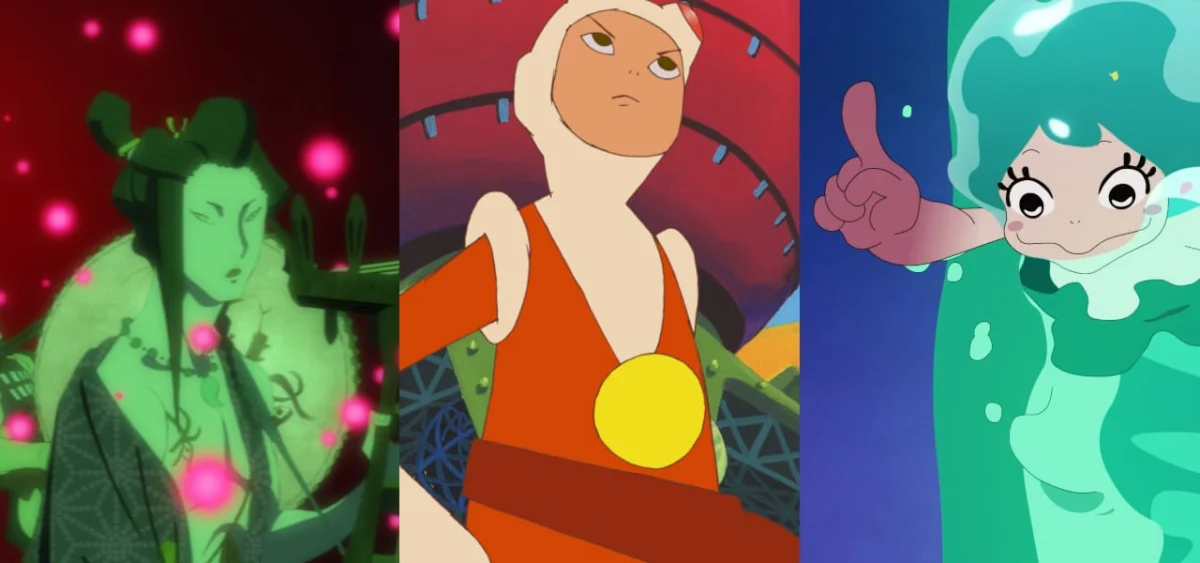
The Toronto International Film Festival (TIFF) has long stood as a titan of the global film circuit, a primary gatekeeper for Academy Award contenders and a bastion for the celebration of international live-action cinema. However, in recent years, a seismic shift has occurred within the halls of the TIFF Lightbox. Animation, once relegated to the periphery of "family programming," has ascended to a position of high-art prestige.
In a landmark announcement that solidifies this trajectory, TIFF has revealed that Masaaki Yuasa—one of the most visionary and idiosyncratic directors in the history of Japanese animation—will guest curate a new marquee series titled "Drawn Universes: Visions in Animation." Set to run throughout November and December, the program represents a significant investment in the medium, positioning anime not merely as a sub-genre, but as a frontier of narrative and visual innovation.
Main Facts: A Two-Month Deep Dive into the Animated Form
The "Drawn Universes" series is designed as a comprehensive survey of animation history, curated through the unique lens of a filmmaker known for breaking every established rule of the medium. The program will be hosted at the TIFF Lightbox, the organization’s year-round cinematic hub in the heart of Toronto’s media district.
According to the official TIFF release, the series will focus on two primary pillars:
- Legacy and Influence: A retrospective look at the foundational artists and studios that defined the visual language of animation.
- The Contemporary Vanguard: A showcase of modern creators who are currently expanding the boundaries of what is possible within the digital and hand-drawn spheres.
The program arrives at a pivotal moment for both the festival and the curator. While specific titles for the screening series remain under wraps, the festival has confirmed that the lineup will emphasize the "visual and narrative possibilities" of anime, a medium that has seen an explosion in global viewership and critical respect over the last decade.
Chronology: The Evolution of TIFF’s Animation Mandate
To understand the weight of the Yuasa appointment, one must look at the chronological expansion of TIFF’s animation-focused programming over the last several years. This is not an isolated event but the culmination of a deliberate, multi-year strategy.
- 2021–2022: The Repertory Roots: TIFF Cinematheque began steadily expanding its "Animate" programming strand. This involved sporadic repertory screenings of classics from Studio Ghibli and Satoshi Kon, testing the waters for a dedicated animation audience.
- 2023: The ‘Pop Japan!’ Milestone: The festival launched the "Pop Japan!" marquee series. This was a critical success, proving that Toronto audiences had a voracious appetite for curated Japanese content that went beyond mainstream hits.
- 2025: Institutional Recognition: TIFF officially integrated animation into its competitive structure by launching a dedicated animated short competition. This provided animated works with their own official festival award, placing them on equal footing with live-action shorts.
- May 2026: The Yuasa Announcement: The appointment of Masaaki Yuasa as a guest curator for a two-month series marks the first time a contemporary anime auteur has been given such a significant curatorial platform at the festival, signaling a move from "showcasing" animation to "critically analyzing" it through the eyes of its masters.
Supporting Data: The Profile of a Visionary Curator
The selection of Masaaki Yuasa is a calculated move by TIFF to align itself with the "auteur" side of animation. Yuasa’s career serves as a roadmap for the evolution of the medium.
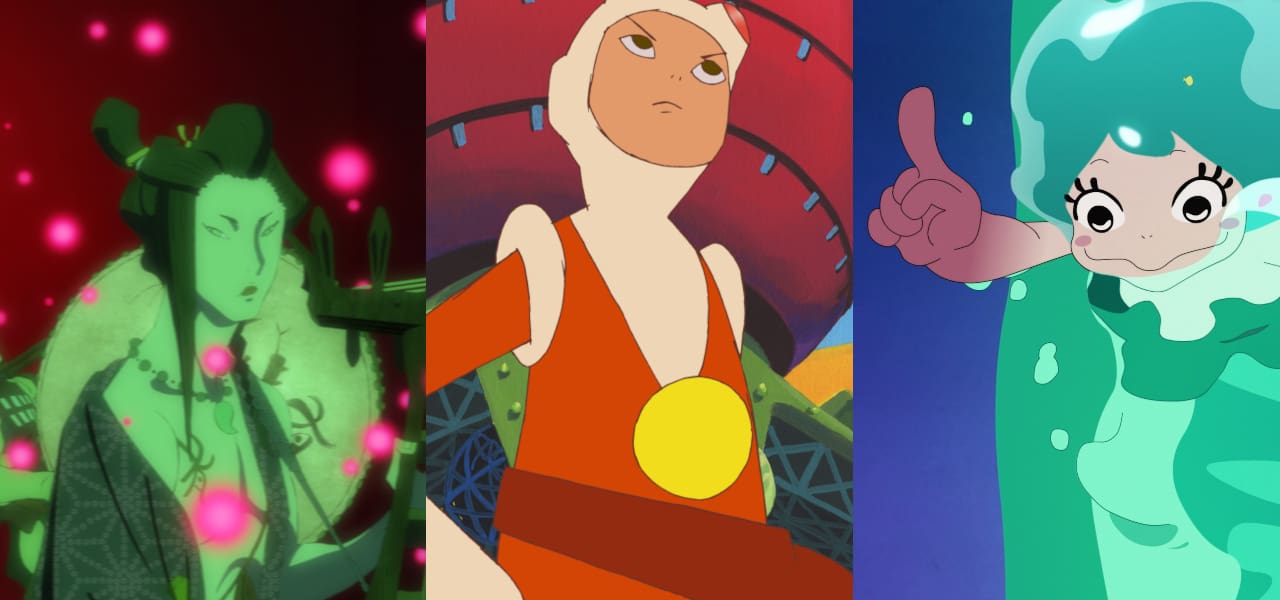
The Rise of an Iconoclast
Yuasa began his career in the traditional studio system, contributing to iconic productions such as Crayon Shin-chan and Chibi Maruko-chan. However, it was his 2004 feature debut, Mind Game, that shattered expectations. The film was a kaleidoscopic explosion of styles—blending 2D, 3D, rotoscoping, and live-action photography—which won the Grand Prize at the Japan Media Arts Festival and established Yuasa as a director who prioritized emotional and kinetic energy over "on-model" consistency.
A Decade of Masterpieces
Since then, Yuasa has maintained a prolific and highly decorated output:
- The Tatami Galaxy (2010): A series renowned for its rapid-fire dialogue and inventive visual metaphors for the anxieties of college life.
- Ping Pong the Animation (2014): Widely considered one of the greatest sports anime of all time, noted for its raw, sketchy art style that prioritized the "feeling" of the game over realism.
- Devilman Crybaby (2018): A Netflix original that brought Yuasa to a massive global audience, reimagining Go Nagai’s classic manga with a modern, hyper-violent, and deeply tragic aesthetic.
- Inu-Oh (2021): A rock-opera set in 14th-century Japan that earned a Golden Globe nomination, further cementing Yuasa’s status as a darling of the international awards circuit.
The ‘ame pippin’ Era
The TIFF announcement coincides with a new chapter in Yuasa’s professional life. After co-founding the powerhouse studio Science Saru in 2013—which was recently acquired by the Japanese giant Toho—Yuasa transitioned to a new venture. In 2025, he launched ame pippin, a boutique studio designed to allow him even greater creative freedom. His role as a curator for TIFF suggests that he is currently in a reflective phase, looking back at the medium’s history as he prepares his next directorial effort.
Official Responses: A Philosophy of Imagination
The partnership between the festival and the director is built on a shared belief that animation is a limitless tool for human expression. In a statement released alongside the announcement, Yuasa expressed a deep sense of responsibility regarding the curation process.
"It is an honor to curate this series for TIFF," Yuasa stated. "As I begin shaping the lineup, I am excited to look back at the works that sparked my own imagination from a young age, and to curate a series with a focus on the artists who have defined the genre and the incredible creators who continue to push the visual possibilities of anime today."
TIFF’s leadership has echoed this sentiment, noting that the series will serve as a "wide-ranging survey of animation history, artistry, and innovation." By running the series alongside a major summer retrospective dedicated to Christopher Nolan—where all 12 of Nolan’s features will be screened on 35mm and 70mm film—TIFF is making a bold statement: Yuasa’s "Drawn Universes" is the animated equivalent of a Nolan retrospective, deserving of the same academic and public reverence.
Implications: Animation as the New Frontier of Cinephilia
The "Drawn Universes" series has implications that reach far beyond the borders of Toronto. It reflects a broader cultural shift in how animation is consumed and critiqued in the West.
.png)
1. The Death of the "Genre" Label
For decades, Western critics struggled to categorize anime, often treating it as a monolithic "genre" rather than a medium. TIFF’s decision to let an auteur like Yuasa curate a series suggests a move toward "auteur-driven" curation. This treats directors like Hayao Miyazaki, Isao Takahata, and Yuasa himself as the peers of Scorsese or Villeneuve.
2. Cultural Diplomacy and the "Cool Japan" Legacy
The acquisition of Science Saru by Toho and the subsequent global tours of its founders highlight the economic and cultural power of Japanese animation. As TIFF expands its "Pop Japan!" initiatives, it positions Toronto as a key bridge between the Japanese industry and North American audiences, potentially influencing future distribution deals and festival acquisitions.
3. The Educational Impact
By focusing on both "legacy artists" and "contemporary voices," the series serves an educational purpose. It invites audiences to see the thread that connects the experimental shorts of the 1960s to the high-budget digital spectacles of the 2020s. For students of animation and casual fans alike, "Drawn Universes" offers a rare opportunity to see these films in a theatrical setting, often in their original formats.
4. Setting the Stage for the 2026/27 Awards Season
As TIFF is a major stop on the road to the Oscars, its increased focus on animation may signal a more aggressive push for animated features in "General" categories. If a festival as influential as TIFF continues to champion animation as high art, it puts pressure on other major institutions to follow suit.
Conclusion
As the curtains rise at the TIFF Lightbox this November, "Drawn Universes: Visions in Animation" will offer more than just a series of film screenings. It will offer a manifesto on the power of the drawn image. Under the guidance of Masaaki Yuasa, the program promises to be a vibrant, challenging, and deeply personal exploration of a medium that is finally receiving its due on the world stage. For the city of Toronto and the global animation community, the message is clear: the future of cinema is being drawn, frame by frame.




Leave a Comment