
Unearthing Ancient Wisdom: Amanda Edmiston’s The Time Traveller’s Herbal Invites a Journey Through Time and Tradition
FOR IMMEDIATE RELEASE
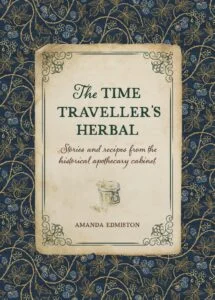
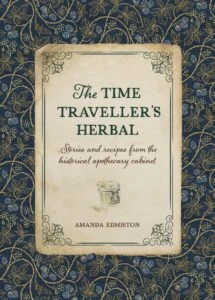
[City, Scotland] – [Date] – In an age increasingly disconnected from the natural world and the wisdom of the past, herbal storyteller Amanda Edmiston, through her acclaimed work The Time Traveller’s Herbal: Stories and recipes from the historical apothecary cabinet, offers a profound invitation to reconnect. Edmiston, the creative force behind Botanica Fabula, masterfully weaves together folklore, historical narrative, and practical herbal remedies, challenging contemporary perceptions of ancient healers and repositioning them as true pioneers of science and custodians of invaluable traditional knowledge. Her book is not merely a collection of recipes but a portal to understanding the intricate relationship between humanity, nature, and the passage of time.
Main Facts: Redefining the Herbalist Narrative
Amanda Edmiston’s The Time Traveller’s Herbal stands as a testament to the enduring power of plant wisdom, reimagining the role of the herbalist throughout history. Far from the simplistic labels of "cunning woman," "wise woman," or even "witch," Edmiston illuminates these figures as sophisticated observers of the natural world, empirical researchers, and vital community pillars. They were, in essence, the earliest scientists, meticulously cataloguing the properties of plants, experimenting with their applications, and passing down generations of knowledge that formed the bedrock of human health and survival.
The book’s core premise is an immersive "time slip," inviting readers to step into the "spiral of history" to uncover the stories, folklore, and herbal remedies that have been vitally woven into the fabric of our world. Edmiston’s unique approach blends evocative storytelling with meticulously researched historical context, transforming the often-overlooked history of plant medicine into an accessible and captivating journey. Each chapter, including the featured exploration of the floodplain meadow in 200 AD, is a microcosm of this larger narrative, offering a vivid glimpse into specific eras and the plants that defined them. From ancient Celtic lore to the practical applications of common flora, Edmiston demonstrates how these historical practices continue to resonate with profound relevance in contemporary life.
Chronology: A Journey Through Time and Tradition
From Cunning Woman to Early Scientist: The Evolution of Herbalism
For millennia, long before the advent of modern pharmacology, the local herbalist was the cornerstone of community health. Often operating on the fringes of society, yet indispensable to its well-being, these individuals — whether called "cunning folk," "wise women," or by more pejorative terms like "witch" during periods of heightened fear and superstition — possessed a profound understanding of the natural world. Their knowledge was not born of formal education but from generations of observation, experimentation, and an intimate connection with the local flora. They were the original pharmacologists, botanists, and physicians, providing remedies for ailments ranging from fevers and infections to broken bones and emotional distress.
Edmiston’s work meticulously strips away the layers of misconception that have historically shrouded these figures. She argues compellingly that these early herbalists were, in fact, pioneers of scientific thought. They systematically observed plant growth, seasonal changes, and the effects of various preparations on the human body. Their remedies, often dismissed as mere superstition, were frequently based on empirical evidence gathered over centuries. The careful preparation of poultices, tinctures, and infusions, the understanding of dosages, and the recognition of synergistic effects between different plants all speak to a sophisticated, albeit informal, scientific methodology. The Time Traveller’s Herbal champions this often-undervalued legacy, presenting herbalists not as mystical figures detached from reality, but as pragmatic, astute, and deeply knowledgeable individuals who laid the groundwork for much of what we understand about medicine today.
The Genesis of a Time Traveller’s Tale: Edmiston’s Methodology
Amanda Edmiston’s creative process is deeply rooted in a physical and imaginative engagement with the landscape. Her inspiration for The Time Traveller’s Herbal originates from her walks, particularly in a specific wild floodplain meadow near her Scottish home. This ecologically significant site, nestled behind a castle where two rivers converge, serves as a recurring muse and a vivid setting for her time-travelling narratives. "Many of my stories, the recipes and tastes that accompany them, originate in the places I walk," Edmiston explains. "I stop, take a moment, sit and look around me, I start to notice the plants and the changes afforded by time, both seasonal change and historical."
This meditative approach allows her to perceive not just the present landscape but also its historical layers. She considers the geological constants – the immutable arc of rivers and contours of hills – alongside the more transient elements, such as evolving tree lines and the ephemeral presence of ancient settlements. For the book’s immersive journey, Edmiston invites readers to join her on an imaginative leap back to 200 AD within this very meadow. In this ancient iteration, the familiar architectural constructs of today, like the castle and established paths, are absent. The tree line, while present, is sculpted differently; larch gives way to ancient oak, and the familiar blackthorn tunnel stretches further, populated by young saplings unpruned by human intervention.
Crucially, the journey back to 200 AD reveals not a barren wilderness but a thriving ecosystem and human habitation. The rocky outcrop above the confluence of the two rivers, where the future castle will stand, overlooks a bustling Pictish village on the opposite bank. This detail enriches the historical tapestry, placing the plant lore within a vibrant, living community, emphasizing the integral role of herbal knowledge in their daily lives. It is within this meticulously imagined past that the reader is prepared for an encounter with the botanical and mythical heart of the chapter: meadowsweet.
An Encounter in the Meadow: The Story of Meadowsweet and the Morrigan
As the imagined journey progresses towards the flower-strewn field of 200 AD, a distinct sensory experience precedes the visual. "Before we reach the meadow, the scent of salicylates beckons," Edmiston describes, noting its "faintly medicinal allure, partially sweet notes, partially antiseptic." This aroma is the harbinger of meadowsweet (Filipendula ulmaria), a plant whose creamy clouds of blossoms appear to blur the riverbank, evoking a sense of ethereal mystery. This visual and olfactory enchantment leads to a momentary illusion, a "meadow phantom" that suggests a regal, shimmering figure hiding amidst the blooms. The fleeting glimpse, the silver ripple in the river, and the imagined eyes from the wood, momentarily lead Edmiston to question her own perception, wondering if her imagination has been "seduced by the Queen of the Meadows."
This evocative scene serves as the perfect preamble to the powerful folklore associated with meadowsweet. Upon adding a few heads of the flower to her flask of hot water – a simple, practical act that grounds the mystical – a memory stirs, and "the penny drops." The phantom presence is identified not as a mere trick of light, but as the Morrigan, the formidable phantom queen of Celtic mythology. A shapeshifter, a goddess of war, fate, and sovereignty, the Morrigan embodies the raw, transformative power of the natural world, often appearing in various animal forms.
The story Edmiston recounts is a compelling narrative of the warrior Cu Chulainn and his tumultuous encounter with the Morrigan. Cu Chulainn, famed for his prowess in combat, learns his art from the warrior maid Sgathaich on Skye, where he becomes betrothed to her daughter, Uathach. However, his life is one of constant battle and, as the story suggests, marked by questionable encounters with women. It is during one such battle at a ford that he meets the Morrigan, initially appearing as a beautiful young woman offering her aid in exchange for his love. His rejection, driven by loyalty to Uathach, sparks her wrath and a series of dramatic transformations.
First, she becomes an eel, attempting to trip him in the water, only to be injured by his forceful removal. Undeterred, she transforms into a terrifying grey wolf, inciting a cattle stampede against him, and again, is wounded by his slingshot. Finally, she manifests as a white heifer, leading the stampede directly towards him, only to be injured one last time by his spear before vanishing into the river "haar-like."
After the battle, weary and wounded, Cu Chulainn fears meeting the Bean nighe (washerwoman of the shrouds, portending death) or hearing the cry of the Caointeach (keening woman). Instead, he encounters an old woman milking a deer, bearing the familiar injuries he had inflicted upon the eel, wolf, and heifer. Thirsty, he asks for a drink, and with each cup she provides, he blesses her. With each blessing, her wounds miraculously heal. It is only after the third blessing that the realization dawns upon him: he has healed the formidable Morrigan. In gratitude, or perhaps as a subtle assertion of her power, she gifts him meadowsweet. Though some tales suggest he later regretted healing her, the enduring image is of Cu Chulainn carrying meadowsweet on his belt from that day forward, using it as she taught him: to bathe his wounds, reduce fevers, and cool his temper.
This powerful myth cements meadowsweet’s place in Celtic lore, earning it the Gaelic name crios Chu-chulainn (Cu-chulainn’s belt) and the endearing moniker "bride-wort" due to its historical use as floral confetti. It is from this rich tapestry of story and history that Edmiston then transitions to the practical, inviting readers to consider how they too might harness the legendary properties of this remarkable plant.
Supporting Data: The Science and Art of Herbal Remedies
Meadowsweet: A Historical and Modern Perspective
Filipendula ulmaria, commonly known as meadowsweet, is a plant whose folkloric significance is paralleled by its profound medicinal properties. Scientifically, meadowsweet is a rich source of salicylates, compounds that are the natural precursors to aspirin (acetylsalicylic acid). This chemical composition explains its historical and traditional uses as a potent pain reliever, fever reducer, and anti-inflammatory agent. Long before synthetic drugs, herbalists intuitively understood meadowsweet’s efficacy in alleviating discomfort and cooling the body during illness.
Beyond its pain-relieving qualities, meadowsweet is also celebrated for its digestive benefits. It is particularly effective in soothing indigestion, heartburn, and stomach upset, thanks to its astringent and anti-inflammatory properties that can calm irritated mucous membranes. This dual action — both pain relief and digestive aid — made it an indispensable plant in the historical apothecary cabinet. Its sweet, almond-like scent also made it a popular strewing herb, used to freshen homes and mask unpleasant odours, further cementing its role in daily life. Edmiston’s work highlights this remarkable blend of empirical observation and traditional application, demonstrating how ancient knowledge often presaged modern scientific discoveries.
Practical Applications: From Ancient Wisdom to Contemporary Wellness
Drawing directly from the wisdom imparted by the Morrigan to Cu Chulainn, The Time Traveller’s Herbal provides actionable remedies that connect readers to these ancient practices.
Soothing Bath:
A simple yet effective remedy for soothing irritated skin and reducing fevers involves adding meadowsweet blossoms to bathwater. Edmiston recommends placing three or four fresh or dried flower heads in a muslin bag (or similar permeable pouch) and adding it as the bath fills. For enhanced skin-soothing properties, oats can also be incorporated into the bag. This practice not only leverages meadowsweet’s anti-inflammatory salicylates but also offers a sensory, calming experience, echoing the warrior’s post-battle ritual.
Herbal Tisane:
Meadowsweet can also be prepared as a comforting herbal tisane. Steeping a few heads in freshly boiled water for three to four minutes creates a warm, mildly pain-relieving drink. Edmiston notes its particular efficacy in "soothing indigestion!" This easy-to-prepare beverage provides a gentle yet effective way to harness meadowsweet’s medicinal benefits for internal relief, a practice that would have been common across historical households.
A Cordial for a Phantom Queen:
Perhaps the most enchanting and versatile recipe offered is the "Cordial for a phantom queen to ease tempers, fevers and heartburn." This cordial, a testament to meadowsweet’s multifaceted properties, is designed to be both delicious and therapeutic.
- Ingredients: 30 heads of meadowsweet blossoms (in full flower), juice and a little grated rind of one unwaxed lemon, 300 grams of blossom honey (local honey is recommended for additional benefits), 1 litre of filtered water.
- Preparation:
- Bring the water to a boil, then dissolve half the honey into it.
- Once the honey has dispersed, add the meadowsweet and lemon juice/rind.
- Allow the mixture to simmer for three minutes.
- Remove from heat and let it rest overnight (or at least 1-2 hours) to allow the meadowsweet to infuse deeply.
- Strain the liquid to remove solids.
- Add the remaining honey and return to the boil, simmering for another five minutes or until it reaches a cordial-like consistency. (More honey can be added to desired sweetness/thickness).
- Bottle in sterile glass jars or kilner-style bottles.
- Storage & Use: The cordial lasts up to three months when kept cool. It can be mixed with still or sparkling water, or even sparkling wine, to create a refreshing drink that helps "feel the heat dissipate," metaphorically addressing fevers and tempers, and literally soothing heartburn.
These recipes are more than just culinary instructions; they are an invitation to create one’s own "historical apothecary cabinet," fostering a tangible connection to the ancient wisdom embedded in our natural environment.
Official Responses and Expert Commentary
The Time Traveller’s Herbal has garnered significant attention for its innovative approach to cultural heritage and ethnobotany. Scholars and critics alike commend Amanda Edmiston’s ability to bridge disparate fields, making complex historical and botanical knowledge accessible and engaging for a broad audience.
Dr. Eleanor Vance, a leading folklorist and expert in Celtic mythology at the University of Edinburgh, remarks: "Edmiston’s work is a vital contribution to our understanding of traditional ecological knowledge. She doesn’t just recount myths; she re-animates them, showing how deeply intertwined these narratives were with the practical, daily lives of people and their reliance on the plant kingdom. Her portrayal of herbalists as early scientists is a much-needed re-evaluation, challenging simplistic historical categorizations and celebrating the intelligence and ingenuity of our ancestors."
Professor Alistair McGregor, a historian specializing in early Scottish societies, adds: "The immersive narrative of The Time Traveller’s Herbal is a masterclass in historical contextualization. By transporting readers to a Pictish village in 200 AD, Edmiston provides a vivid, sensory experience of the past. This approach is far more impactful than a dry recitation of facts, allowing readers to truly grasp the significance of plants like meadowsweet in ancient economies, health systems, and belief structures. It’s a powerful tool for public history, demonstrating how rich and nuanced the everyday lives of our forebears truly were."
Literary critics have also praised Edmiston’s distinctive narrative voice. "Her storytelling is both lyrical and grounded," writes Sarah Jenkins of The Botanical Review. "The prose flows with the rhythm of the rivers and the rustle of the meadows she describes, drawing the reader effortlessly into a world where myth and medicine are inseparable. It’s a rare talent to weave such intricate historical detail with the captivating charm of ancient folklore, and Edmiston achieves it beautifully."
The book’s success underscores a growing public appetite for authentic connections to heritage, sustainable living, and holistic wellness. It serves as a valuable resource for those seeking to understand the roots of natural medicine and the cultural stories that have shaped our relationship with plants.
Implications: The Enduring Legacy of the Herbalist
Reclaiming a Narrative: Herbalists as Visionaries
The Time Traveller’s Herbal has profound implications for how we perceive historical figures and traditional knowledge. By elevating the "cunning woman" or "wise woman" from the shadows of historical misrepresentation to the status of "early pioneers of science," Edmiston initiates a crucial reclamation of narrative. This reframing challenges the often-Eurocentric and male-dominated history of science, acknowledging that empirical observation, experimentation, and knowledge transmission were integral parts of diverse cultures for millennia. These herbalists were not merely practitioners of folk medicine; they were astute naturalists, proto-chemists, and community health providers whose contributions formed the very foundation of medical understanding. The book encourages a broader appreciation for traditional ecological knowledge, recognizing its complexity, depth, and enduring relevance.
The Call to Connection: Nature, History, and Self
Ultimately, Edmiston’s work is a powerful call to connection. It encourages readers to slow down, to observe their immediate environment with a heightened sense of curiosity, and to recognize the stories embedded within every plant, river, and ancient landscape. The concept of the "time spiral," the "visceral shift" between past and present, is more than a literary device; it’s an invitation to a deeper, more mindful engagement with the world. In a rapidly modernizing society, where the natural world often feels distant and history confined to textbooks, The Time Traveller’s Herbal provides a tangible pathway to understanding our ancestral roots and the enduring human need for connection to nature. It fosters a sense of place, a continuity of experience, and a renewed appreciation for the holistic well-being that comes from living in harmony with our environment. The book acts as a gateway to personal discovery, inspiring readers to embark on their own journeys of herbal storytelling and historical exploration.
Ethical Considerations and Responsible Practice
While The Time Traveller’s Herbal offers a rich tapestry of historical remedies and folklore, Edmiston and the platform promoting her work, FolkloreThursday, responsibly include a crucial disclaimer. The information provided is for entertainment and educational purposes only, emphasizing that it does not constitute medical advice. Readers are strongly urged to consult a medical professional before attempting any remedies or practices mentioned. This ethical stance underscores the importance of responsible engagement with traditional knowledge, acknowledging the need for proper plant identification, understanding potential interactions, and respecting individual health conditions. It promotes a balanced approach, celebrating the wisdom of the past while upholding modern safety and health standards.
As the sun lifts higher in the early morning sky, dissipating the mists of the past, The Time Traveller’s Herbal leaves us with an armful of meadowsweet – both literal and metaphorical. It’s a reminder of the enduring power of nature, the richness of our shared history, and the timeless wisdom held within the earth’s embrace. To continue this captivating journey and delve deeper into Amanda Edmiston’s world of herbal storytelling, The Time Traveller’s Herbal is available in all good bookshops and via the Botanica Fabula website. It promises not just a read, but an experience – a vital, spiralling journey through time.



Leave a Comment