
Uno Zero: A Fresh Twist on a Global Card Game Phenomenon
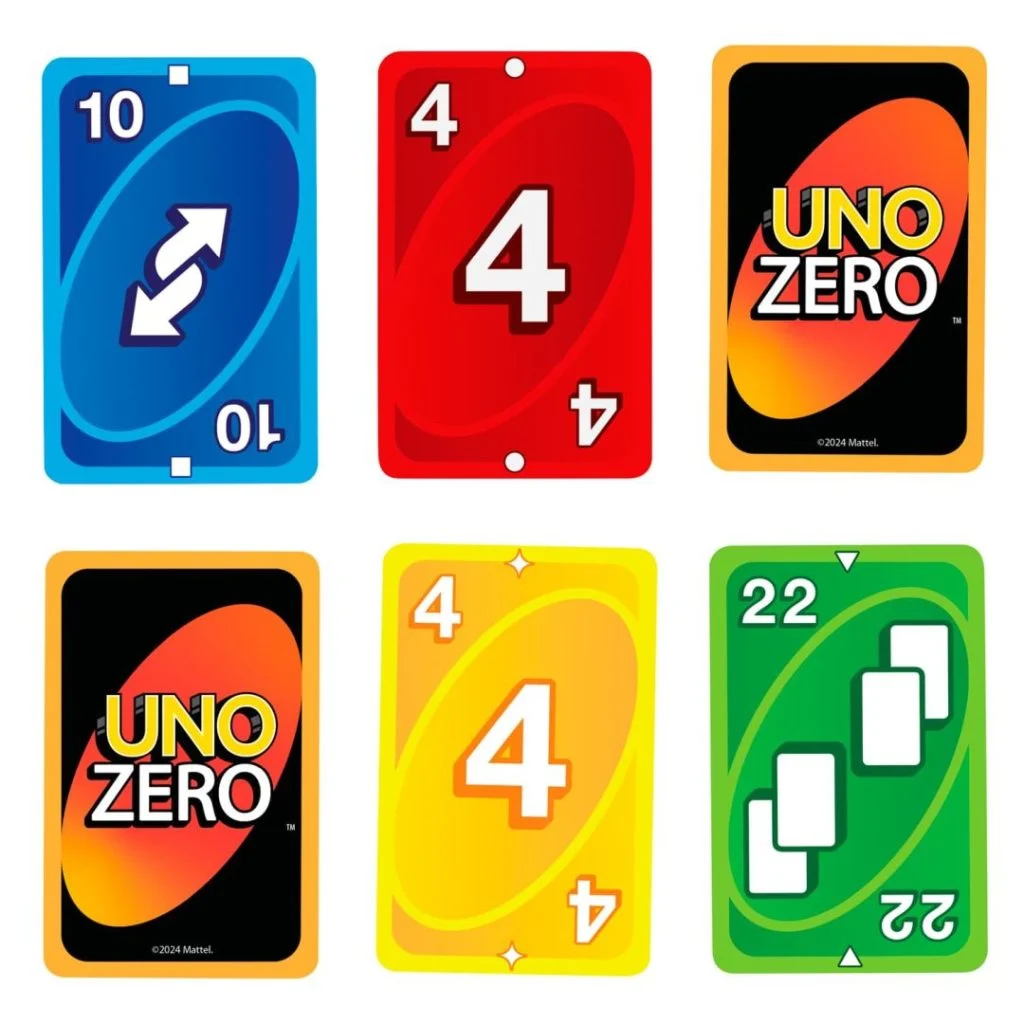
Since its inception in 1970, Uno has cemented its place as a cornerstone of casual card gaming, captivating over 150 million players across more than 80 countries. This deceptively simple shedding-style game, reminiscent of classics like Crazy Eights, has excelled at introducing card game mechanics to children while simultaneously offering engaging fun for adults. Now, Mattel, the custodians of the Uno legacy, introduces Uno Zero (also known in some regions as Uno Golf), a variant that seeks to infuse new life into the familiar formula by adding layers of hidden information and strategic tableau management.
This article delves into the intricacies of Uno Zero, examining its mechanics, evaluating its innovations, and positioning it within the broader landscape of the ever-expanding Uno universe and the casual gaming market. We will explore how this new iteration attempts to balance the beloved chaos of the original with a novel strategic dimension, while also considering the perennial challenges of production quality in mass-market games.
Main Facts: Unveiling Uno Zero
Uno Zero, designed by Lilit Pilikian and published by Mattel, is the latest iteration in the venerable Uno franchise, offering a distinct departure from the traditional gameplay while retaining the core "shedding" objective. Priced at approximately £13, this variant introduces a unique tableau system where players manage a grid of eight cards, many of which remain face down, adding a significant element of memory and deduction.
Unlike the original Uno, where players openly manage their hand, Uno Zero challenges participants to strategically reveal, replace, and discard cards from their personal 4×2 tableau. The ultimate goal remains to be the first to empty one’s tableau, scoring zero points for the round, with the player accumulating the lowest score over multiple rounds emerging victorious. The game incorporates a familiar set of colourful numbered cards and classic action cards like Reverse, Skip, Draw 2, and Draw 4, albeit with slight adaptations to suit the tableau-based gameplay.
Targeted at 2-8 players aged 7 and up, with an estimated playtime of 10-30 minutes per round, Uno Zero aims to refresh the Uno experience for existing fans and potentially attract new players looking for a slightly more involved, yet still accessible, card game. Despite its innovative mechanics, initial observations highlight concerns regarding the production quality of the cards and rule sheet, a common critique often leveled at mass-market card games.
Chronology: The Evolution of Uno and the Genesis of Uno Zero
The story of Uno Zero cannot be fully appreciated without first understanding the remarkable journey of its progenitor, Uno, and Mattel’s ongoing strategy to innovate within this globally recognized brand.
The Enduring Legacy of Uno
The tale of Uno begins in 1971, when Merle Robbins, a barber from Ohio, conceived of the game as a means to resolve a family argument over Crazy Eights. He self-published the first 5,000 copies, selling them from his barbershop and local businesses. Its popularity quickly grew by word-of-mouth, leading to its acquisition by International Games in 1981, and subsequently by Mattel in 1992.
Uno’s meteoric rise to global ubiquity is attributable to several key factors. Its rules are incredibly simple to grasp: match the colour or number of the top card on the discard pile, or play an action card. This low barrier to entry makes it accessible to players of all ages and skill levels, fostering intergenerational play. Furthermore, its "take-that" mechanics, embodied by cards like Draw Two and Skip, introduce light-hearted conflict and unpredictability, often leading to memorable moments of triumph and despair. The social interaction inherent in calling "Uno!" when down to a single card, and the penalty for forgetting, adds a layer of engaging player interaction.
Over five decades, Uno has transcended its origins as a simple card game to become a cultural phenomenon. Its sales figures—over 150 million copies sold in more than 80 countries—underscore its unparalleled reach. Mattel has consistently capitalized on this success by releasing a dizzying array of themed versions, from Disney and Marvel editions to minimalist designs and giant-sized decks, ensuring the brand remains fresh and relevant. Digital adaptations across various platforms have further expanded its audience, proving Uno’s enduring adaptability. This relentless innovation, driven by a desire to keep the core gameplay exciting while tapping into new market segments, sets the stage for the introduction of variants like Uno Zero.
Innovating the Classic: The Birth of Uno Zero
The development of Uno Zero represents Mattel’s continued commitment to refreshing the Uno universe, seeking to offer new experiences without alienating the immense fanbase of the original. Designer Lilit Pilikian was tasked with the challenge of introducing a novel twist that would add strategic depth while retaining Uno’s characteristic accessibility and "chaos."
The concept behind Uno Zero appears to stem from a desire to integrate elements of memory, deduction, and tableau management—mechanics more commonly found in light-to-medium weight board games—into the familiar shedding card game framework. By introducing face-down cards and a structured tableau, Pilikian has effectively transformed the "hand management" aspect of Uno into a more spatial and cognitive challenge. This moves beyond simple reactive play to require players to plan turns, remember card locations, and make calculated risks.
The alternative title, Uno Golf, used in some territories, provides an insightful clue into the game’s core scoring philosophy. Much like in golf, where the objective is to achieve the lowest possible score, Uno Zero rewards players for emptying their tableau fastest, scoring zero points for that round. This shift from accumulating points (as in traditional Uno) to minimizing points subtly changes the psychological approach to the game, encouraging efficiency and risk mitigation rather than purely aggressive "take-that" tactics.
The motivation for such a variant likely lies in Mattel’s strategic objective to broaden the appeal of Uno. While the original remains a timeless classic, a segment of players, particularly those accustomed to modern board and card games, might seek a slightly richer experience. Uno Zero appears designed to cater to this demographic, offering a fresh puzzle within the comforting familiarity of the Uno brand. It introduces a delightful "jeopardy of secret cards" that adds a layer of suspense and theatricality, making each reveal and discard a moment of potential triumph or setback.
Supporting Data: Mechanics, Gameplay, and Player Experience
Understanding the subtle yet significant changes Uno Zero introduces is crucial to appreciating its place within the Uno pantheon. While the DNA of Uno is undeniably present, the variant crafts a distinct gameplay experience.
Unpacking the Uno Zero Rulebook
At its core, Uno Zero retains the objective of shedding cards, but the method of doing so is fundamentally altered by the introduction of the tableau and hidden information.
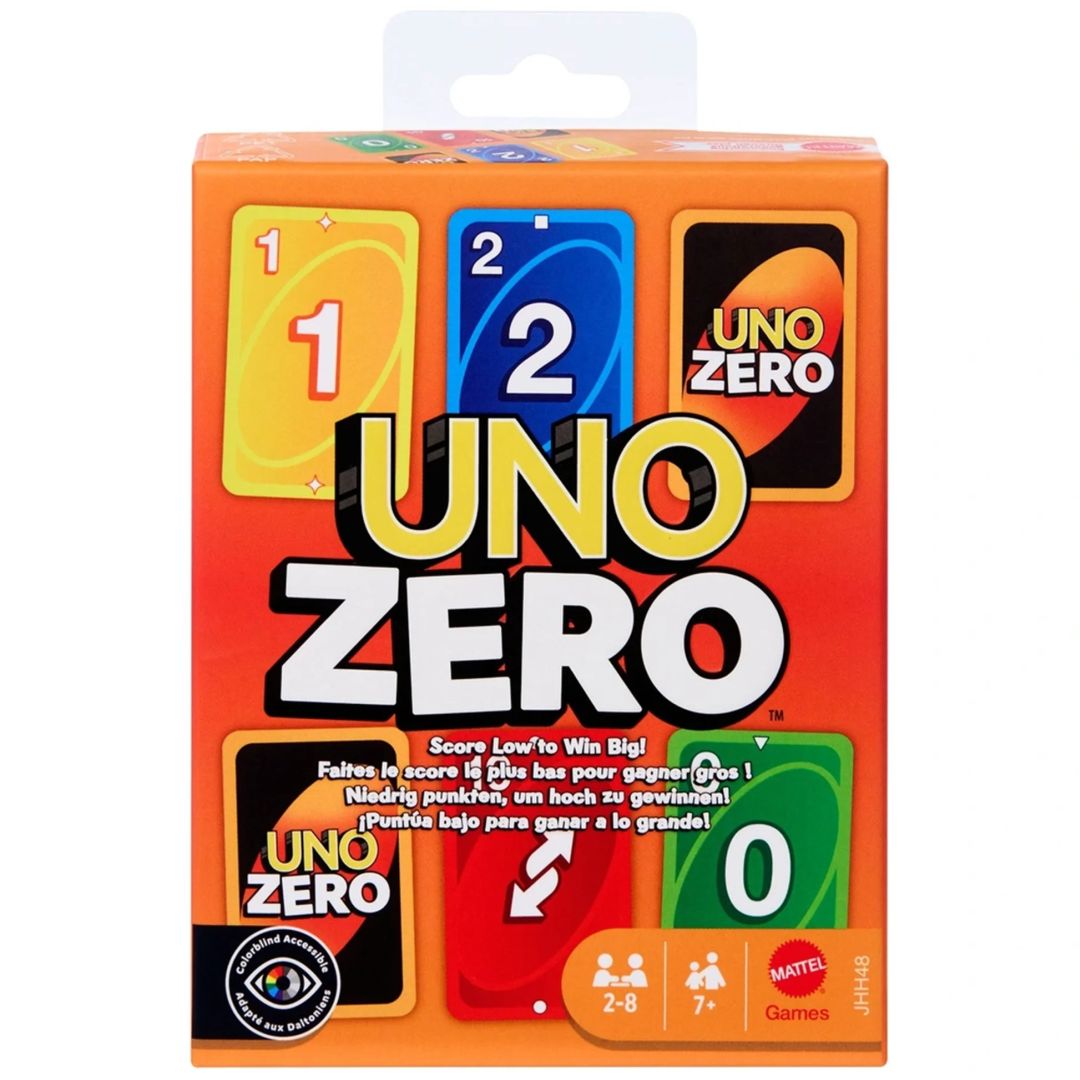
Setup: Each player is dealt eight cards, but unlike traditional Uno, these are not held in hand. Instead, they are placed face down on the table to form a 4-wide and 2-deep tableau directly in front of the player. A starting discard pile is created by flipping over a card from the deck, which must be a basic number card (action cards are shuffled back in if drawn initially). Finally, each player randomly flips over one of their eight face-down tableau cards to begin the game, giving everyone a visible starting point.
Player Turn: A player’s turn offers a choice:
- Draw a card from the draw deck.
- Take the top card from the discard pile.
Once a card is acquired, the player must use it to either:
- Replace one of the cards in their tableau: This can be either a face-up or a face-down card. If replacing a face-down card, the player does not get to look at it before replacing it, maintaining the element of hidden information. The replaced card is then added to the discard pile.
- Discard it immediately: If the drawn card perfectly matches a face-up card in the player’s tableau by both colour and number, they can discard the drawn card without placing it in their tableau.
After drawing and either replacing or discarding, the player must then turn one face-down card in their tableau face-up. This is a critical action, as it gradually reveals the contents of a player’s hidden cards.
Column Matching & Discarding: The true innovation and strategic engine of Uno Zero lies in its column matching mechanic. If, at any point, two cards in the same vertical column of a player’s tableau are both face up and match either by colour or by number, the player immediately discards both cards from their tableau. This is the primary way players reduce their tableau size and progress towards winning the round. This mechanic introduces a mini-puzzle on each turn, as players aim to create these matching columns.
Action Cards: The familiar action cards from Uno are present, but their effects are slightly recontextualized for Uno Zero:
- Reverse: Changes the direction of play.
- Skip: Skips the next player’s turn.
- Draw 2: The next player receives two face-down cards, which they must add to their tableau, and misses their turn. This significantly penalizes opponents by increasing their card count and further obscuring their tableau.
- Draw 4: The player chooses either two opponents to each draw two face-down cards, or one opponent to draw four face-down cards. Crucially, unlike classic Uno, turns are not skipped with a Draw 4 in Uno Zero. This makes the Draw 4 a potent tool for disrupting opponents’ progress and burdening them with more hidden cards.
Calling "Uno" and Round End: As in the original, players must declare "Uno!" when they are down to a single face-down card in their tableau. Failing to do so before another player catches them results in a penalty of drawing two additional face-down cards. A round concludes when a player successfully empties their entire tableau. That player scores zero points for the round, while all other players score points equal to the sum of the numbers on their remaining tableau cards (action cards typically count as 10-20 points, as per Uno tradition, though the rulebook specifies). The game is typically played over nine rounds, with the player possessing the lowest cumulative score at the end declared the winner.
Strategic Nuances and Player Interaction
The introduction of the face-down tableau transforms Uno Zero from a purely reactive shedding game into one that incorporates elements of memory, deduction, and risk assessment. Players must not only remember the cards they’ve revealed but also attempt to deduce what hidden cards their opponents might have, especially after an opponent draws from the discard pile. The "jeopardy of secret cards" creates a palpable tension; will flipping that unknown card complete a column match or leave you with an unusable card?
While Uno Zero doesn’t aim for the strategic depth of a eurogame, it undeniably offers more strategic choices than classic Uno. Players must decide whether to draw from the deck (pure luck) or the discard pile (known information), which tableau card to replace, and which face-down card to reveal. These decisions are crucial for setting up future column matches and managing the flow of the game.
Player interaction is still vibrant, driven by the "take-that" action cards. A well-timed Draw 2 or Draw 4 can cripple an opponent’s progress, forcing them to accumulate more hidden cards and delaying their ability to clear their tableau. Observing opponents’ revealed cards and their choices can also inform your strategy, allowing for targeted attacks or defensive plays. The balance between luck (drawing the right card, opponents not having the right action card) and skill (memory, tactical card placement, timing of action cards) feels well-tuned for a casual audience.
Production Quality: A Critical Look
A recurring concern, highlighted in initial reviews, pertains to the production quality of Uno Zero. The cards are described as lacking a linen finish, making them challenging to shuffle and deal smoothly. This tactile aspect is significant for card games, where the physical interaction with the components is paramount to the player experience. While it’s understandable that mass-market games, especially at a budget price point of under £15, might cut corners on premium finishes, the impact on usability can detract from enjoyment.
Furthermore, the rule sheet is criticized for its "cheap, photocopy-style" appearance and "tiny font." Clear, well-laid-out instructions are vital for any game, but particularly for variants that introduce new mechanics to an established system. A poorly presented rulebook can create frustration, especially for new players or those accustomed to the simplicity of the original Uno. While these issues are often par for the course with many mass-market card games, they represent missed opportunities to enhance the overall perceived value and ease of entry for players. The cost-effectiveness of such production choices is clear, but the trade-off in user experience is equally apparent.
Official Responses and Market Positioning
Mattel, as a global toy and game giant, operates with a clear strategy for its flagship brands like Uno. While specific official statements regarding Uno Zero might be scarce, its release fits into a broader pattern of brand management.
Mattel’s Vision for the Uno Franchise
Mattel’s long-standing success with Uno is not merely due to the game’s inherent appeal but also to a proactive strategy of continuous innovation and market expansion. The company consistently seeks to:
- Maintain Relevance: By introducing new themes, licensed editions, and digital versions, Mattel keeps Uno current and appealing to new generations of players.
- Broaden Appeal: Variants like Uno Zero are designed to attract players who might be seeking a slightly different experience than the classic game, perhaps one with more strategic depth or a novel mechanic. This helps to capture market segments that might otherwise gravitate towards other casual card games.
- Drive Repeat Purchases: The sheer volume of Uno variants encourages existing fans to purchase new editions, bolstering sales and reinforcing brand loyalty.
Uno Zero fits squarely within this vision. It represents an attempt to inject fresh gameplay into a beloved classic, demonstrating Mattel’s understanding that even the most iconic games benefit from evolution. It aims to broaden the Uno market by offering a distinctive experience without straying too far from the core principles that made Uno famous.

Designer’s Perspective (Inferred)
While direct insights from Lilit Pilikian regarding her design philosophy for Uno Zero are not readily available, one can infer her objectives. Her design likely aimed to:
- Introduce a Memory Component: The face-down tableau inherently adds a memory challenge, making players pay closer attention to card placements and reveals.
- Enhance Strategic Depth: By allowing players to choose which cards to draw, replace, and reveal, and by introducing the column-matching mechanic, the game moves beyond simple reactive play.
- Maintain Approachability: Despite the new layers, the rules remain relatively straightforward, ensuring it doesn’t become overly complex for its target audience.
- Leverage Uno’s Core Appeal: Retaining the colourful cards, action card "chaos," and the "Uno!" call ensures that the game still feels distinctly like Uno, providing comfort and familiarity alongside the novelty.
The "Uno Golf" moniker in certain regions further suggests an intention to emphasize the low-score-wins objective, a mechanic that might appeal to players familiar with other scoring systems beyond simple accumulation.
Market Reception and Competitors
The market for casual card games is fiercely competitive, with a constant stream of new releases and evergreen classics vying for consumer attention. Uno, in all its forms, holds a dominant position, but new variants must still prove their worth. Uno Zero enters a landscape where other popular shedding games (e.g., Phase 10, Skip-Bo) and numerous other light card games exist.
Its primary competition isn’t necessarily other Uno variants, but rather the vast array of family-friendly games that offer similar levels of engagement and playtime. The unique tableau and memory elements differentiate it, potentially appealing to families who enjoy games like "Memory" or those seeking a step up from basic Uno without jumping into complex strategy games. The reviewer’s preference for Uno Zero over the original suggests that for a certain segment, the added layers are a welcome enhancement, providing a fresh reason to pick up an Uno game.
Implications: The Future of Uno and Casual Gaming
Uno Zero is more than just another variant; it’s a statement about the ongoing evolution of classic games and the shifting landscape of casual gaming.
Redefining the Uno Experience
Uno Zero successfully pushes the boundaries of what an "Uno game" can be. By integrating elements of tableau building, memory, and spatial reasoning, it subtly introduces more sophisticated game mechanics to a mass-market audience. For many players, Uno Zero could serve as a "gateway game" to slightly more complex tabletop experiences, familiarizing them with concepts like hidden information and strategic card placement in a low-stakes, accessible format.
The reviewer’s clear preference for Uno Zero over the original highlights its success in refreshing the core formula. The "jeopardy of secret cards" and the puzzle of completing columns create a more dynamic and engaging experience for those who might find classic Uno a bit too straightforward. This indicates that there’s a significant appetite for innovation within established brands, provided the core identity remains intact.
The Challenge of Sustained Engagement
Despite its innovations, Uno Zero faces the perennial challenge of sustained engagement. The review notes that "if you don’t have children to entertain, there’s not enough here to tempt a gamer to keep hold of a copy." This candid assessment points to a specific target demographic: families and casual players seeking light entertainment. While it offers more depth than the original, it doesn’t cross the threshold into being a "gamer’s game" with complex long-term strategy or deep replayability for hobbyists.
Furthermore, the critique that "nine rounds feel way too long" (with a suggestion to play five instead) is significant. Casual games thrive on quick playtimes and flexible session lengths. If the official round count feels protracted, it can detract from the game’s appeal, especially for families with shorter attention spans. This points to the delicate balance between adding depth and maintaining the fast-paced, accessible nature expected of an Uno title. The flexibility to adjust round count, as suggested, is a positive, but an optimal default is crucial for initial impressions.
The Broader Landscape of Casual Card Games
Uno Zero exemplifies a broader trend in the casual card game market: the re-imagining and reinvention of classics. Publishers are increasingly looking for ways to leverage established brands by introducing new mechanics that appeal to evolving player tastes. This includes adding elements of memory, deduction, set collection, or light engine-building to familiar frameworks.
The game’s price point (£13) positions it firmly within the impulse-buy category, making it an attractive option for a quick, new gaming experience. Its accessibility (7+ age rating, 2-8 players) further broadens its market, making it suitable for a wide range of social gatherings.
Ultimately, Uno Zero represents a commendable effort by Mattel and Lilit Pilikian to inject new life into a beloved classic. It successfully adds layers of strategic intrigue and memorable moments, proving that even a five-decade-old game can still surprise and delight. While its production quality may reflect its mass-market positioning, its innovative gameplay makes it a noteworthy addition to the Uno family and a strong contender in the casual card game arena, ensuring the enduring legacy of Uno continues to evolve for future generations.
Written by Chris Marling


Leave a Comment