
A New Frontier Awakens: Ultima Underworld Reimagined in Unity, Rekindling the Spirit of the Immersive Sim
By [Your Name/Publication Name]
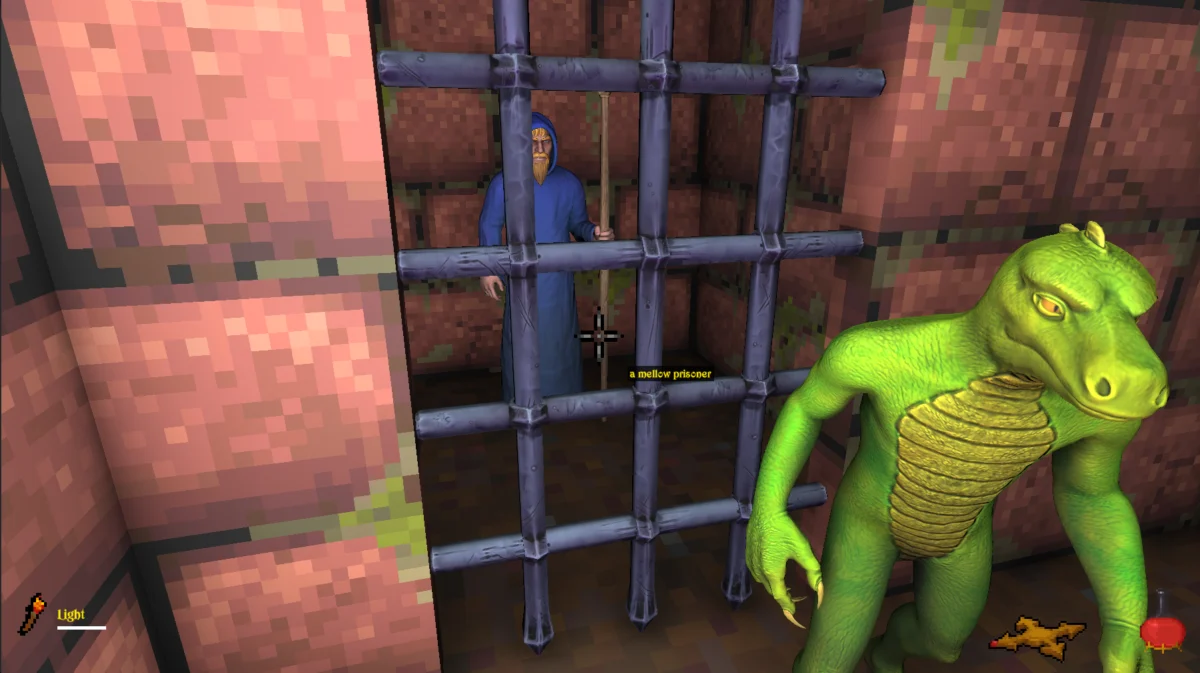
For decades, the hallowed halls of PC gaming have echoed with the legends of Ultima Underworld: The Stygian Abyss. Often heralded as the progenitor of the first-person 3D RPG and a foundational pillar of the immersive sim genre, its influence has rippled through countless titles, shaping the very landscape of interactive entertainment. Now, a remarkable fan-driven endeavor, meticulously crafted in the Unity engine, is breathing vibrant new life into this seminal classic. Titled "Unity Underground," this ambitious project offers players a chance to revisit the treacherous depths of the Stygian Abyss with a contemporary visual and auditory polish, complete with modern conveniences like controller support.
While Ultima Underworld may have initially captivated players on the DOS platform, its groundbreaking mechanics and intricate world design have cemented its legacy. Its pioneering approach to player agency, environmental interaction, and emergent gameplay laid the groundwork for titles ranging from the atmospheric dread of BioShock to the exploration-heavy adventures of Tomb Raider. The release of Unity Underground presents a compelling opportunity for both seasoned veterans to relive cherished memories and a new generation of gamers to experience the genesis of a genre.
The Genesis of a Modern Masterpiece: A Labor of Love
The "Unity Underground" project is not a product of a large development studio, but rather the passionate undertaking of an independent developer known as Kweepa. The project has been in development for an extended period, with Kweepa stating on the official Itch.io page that work began as early as 2015. This lengthy gestation period underscores the dedication and meticulousness poured into recreating Ultima Underworld‘s core experience.
Kweepa openly acknowledges that the success of "Unity Underground" is built upon the foundations laid by previous community efforts. "It wouldn’t have been possible without previous hackers’ generosity in sharing their results," the developer stated, highlighting a collaborative spirit that often thrives within dedicated fan communities. This sentiment speaks volumes about the enduring appeal of Ultima Underworld and the willingness of its enthusiasts to contribute to its continued relevance.
A Journey Through Time: The Evolution of "Unity Underground"
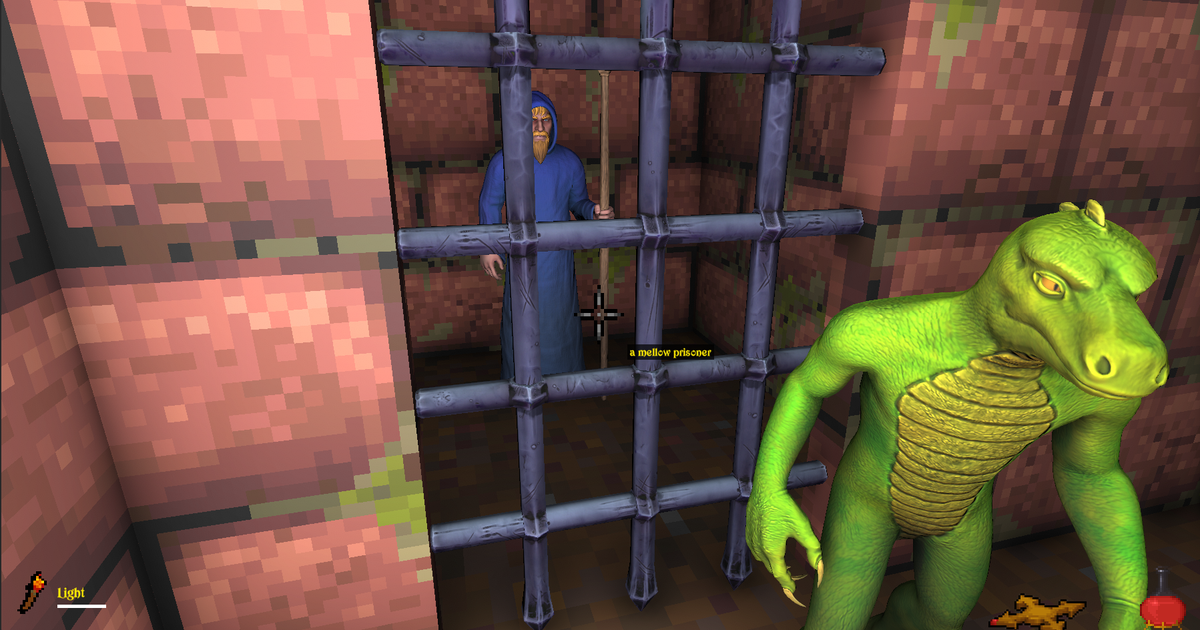
The initial announcement and subsequent release of "Unity Underground" have been met with considerable excitement, particularly from those who have followed the project’s development. The primary draw for many is the visual overhaul. The original Ultima Underworld, while revolutionary for its time, featured graphics that have inevitably aged. "Unity Underground" addresses this by introducing newly crafted 3D models for characters, creatures, and environments, breathing a much-needed visual fidelity into the game’s dark and atmospheric world.
The project’s journey has not been without its complexities, particularly concerning the utilization of AI in the development process. Kweepa has been transparent about the game being tagged as "AI-assisted," which has sparked discussions within the community. Addressing these concerns directly, Kweepa clarified the extent of AI’s involvement:
Debunking AI Myths: Hand-Crafted Artistry
"No, they are all hand-crafted, working with the sprite sheets as reference," Kweepa explained in a community comment. This statement is crucial in distinguishing the project from purely AI-generated content. The developer emphasized that the 3D models were created by talented artists, Spherical Horse for items and Lil Pupinduy for creatures.
Kweepa elaborated on the collaborative and iterative nature of the art creation process. "The artists are Spherical Horse (for the items) and Lil Pupinduy (for the critters). I know they didn’t use AI because there were multiple rounds of revisions and I was able to direct the art down to minute details." This hands-on approach, involving direct artistic direction and refinement, is a stark contrast to the more autonomous nature of many AI art generation tools.
Furthermore, Kweepa asserted that the handcrafted models exhibit a level of quality and efficiency that current AI technology struggles to replicate. "Plus, these models are way more clean, tidy, and efficient than anything AI can produce," the developer stated.
The Limited Role of Generative AI
While the core visual assets are hand-crafted, Kweepa did admit to experimenting with generative AI for certain aspects of the development. "I did have some AI generated UI textures and audio during development but it was all stripped out or replaced before I released the game," the developer revealed. This indicates that generative AI served a supplementary or experimental role, with the final released version of "Unity Underground" prioritizing traditional artistic methods for its primary visual and auditory components.
This nuanced approach to AI integration has been a point of discussion. While some express reservations about any use of generative AI in game development, Kweepa’s explanation suggests a thoughtful and limited application, primarily for placeholder or experimental materials that were ultimately replaced. The developer also expressed a personal stance against the broader implications of generative AI, citing concerns about its misuse by large corporations, even humorously referencing being transformed into Microsoft Clippy by such technology. However, the sentiment expressed by Kweepa in the context of a modder utilizing AI for placeholder assets suggests a more pragmatic view, contrasting it with more controversial implementations.
A Resounding Echo: The Impact and Legacy of Ultima Underworld
The original Ultima Underworld was not merely a game; it was a paradigm shift. Its introduction of a fully explorable 3D environment, coupled with a sophisticated physics engine and a reactive world, set it apart from anything that had come before. Players could interact with objects in unprecedented ways, from knocking items off shelves to manipulating levers and switches to solve environmental puzzles. This freedom of interaction fostered a sense of immersion that was revolutionary for its time.
The game’s narrative also played a crucial role in its enduring appeal. Players were thrust into the role of a hero tasked with rescuing the Avatar’s son from the demonic Baron Zamboni and his goblin horde within the labyrinthine depths of the Stygian Abyss. The story unfolded through environmental storytelling, cryptic lore found in scrolls, and interactions with the few surviving inhabitants of the dungeon. This approach to narrative delivery was a precursor to modern storytelling techniques in games.
The influence of Ultima Underworld is undeniable and can be traced across a wide spectrum of gaming history. Its emphasis on player choice and consequence, its intricate level design, and its emergent gameplay systems have inspired countless developers. The "immersive sim" genre, which prioritizes player agency and multifaceted problem-solving, owes a significant debt to Ultima Underworld‘s pioneering spirit. Games like System Shock, Deus Ex, and the aforementioned BioShock all bear the hallmarks of Ultima Underworld‘s groundbreaking design philosophy.
The Unofficial Revival: Requirements and Accessibility
It is important to note that "Unity Underground" is an unofficial, fan-made project. As such, it operates within a specific framework that respects the intellectual property of the original game. To run "Unity Underground," players are required to possess the original game files. This requirement ensures that the project operates on a legal and ethical footing, leveraging the original game’s assets as a foundation for the new interpretation.
This necessity for original game files also means that "Unity Underground" is not a standalone title that can be purchased and played independently. Instead, it functions as a sophisticated mod or reimagining that enhances the experience for existing owners of Ultima Underworld. This approach, while requiring an initial investment in the classic game, ensures a level of authenticity and compliance.
The inclusion of controller support is a particularly welcome addition, catering to a broader audience and allowing for a more modern control scheme. This thoughtful feature demonstrates a commitment to enhancing player comfort and accessibility, bridging the gap between the classic era of PC gaming and contemporary playstyles.
A Look Ahead: The Future of Fan Revivals
The release of "Unity Underground" serves as a powerful testament to the enduring legacy of Ultima Underworld and the creativity of its fan base. It also highlights a growing trend of ambitious fan-made projects breathing new life into beloved classics. As technology advances, we can anticipate more such endeavors that not only preserve gaming history but also reimagine it for new audiences.
While the original Ultima Underworld remains a masterpiece in its own right, "Unity Underground" offers a compelling new perspective. It invites players to once again delve into the Stygian Abyss, experiencing its challenges and mysteries with a fresh coat of paint and modern sensibilities. The project’s dedication to hand-crafted artistry, coupled with its thoughtful approach to modern gaming features, positions it as a significant achievement in the realm of fan-driven game development. For enthusiasts of the immersive sim genre and pioneers of the RPG, "Unity Underground" is an essential experience, a reminder of where it all began and a glimpse into the vibrant future of classic game reimagining.


Leave a Comment