
The Grand Line Strategy: Analyzing the Narrative Endurance of Eiichiro Oda’s One Piece
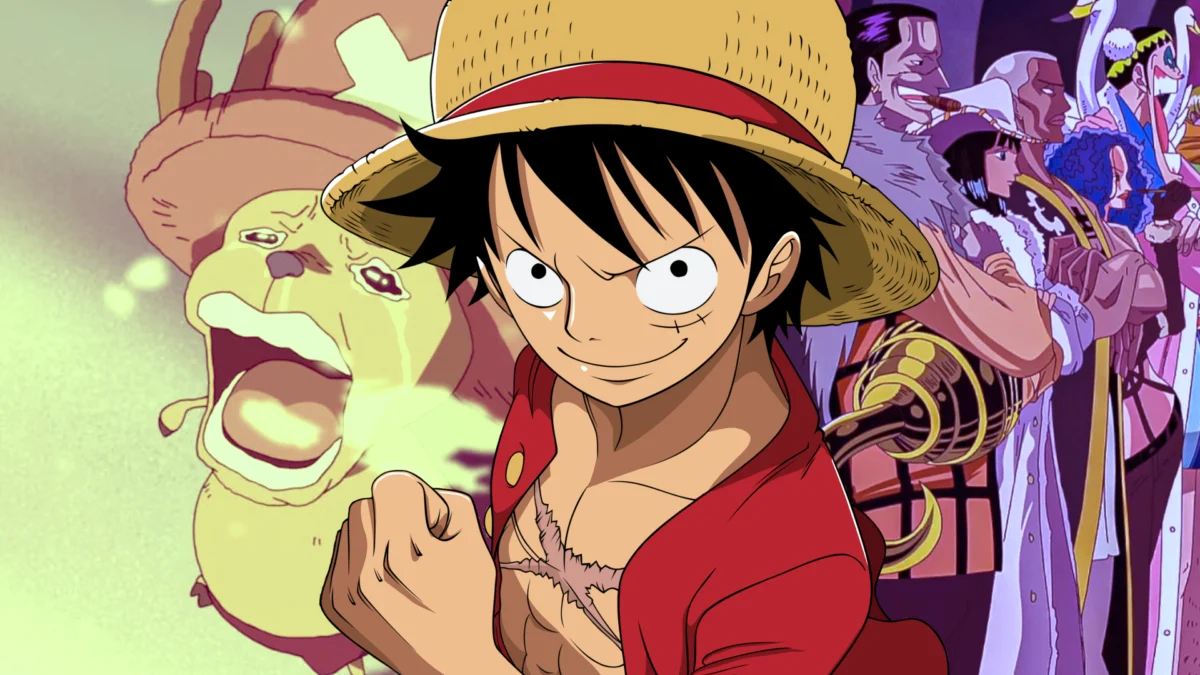
TOKYO – In the volatile landscape of the global entertainment industry, few properties have demonstrated the structural integrity and cultural longevity of Eiichiro Oda’s One Piece. As the series approaches its third decade of weekly serialization in Weekly Shonen Jump, it has evolved from a standard pirate adventure into a complex geopolitical epic. With over 516 million copies in circulation as of 2024, the series remains the undisputed titan of the manga world, continually redefining the parameters of long-form storytelling through its meticulously crafted narrative "arcs."
The secret to this sustained success lies not merely in the spectacle of its combat, but in a sophisticated architectural approach to storytelling. By examining the series’ developmental milestones—ranging from the early East Blue sagas to the high-stakes shifts of the New World—it becomes clear how Oda maintains a "phenomenal" standard that bridges genres as diverse as Norse mythology, feudal folklore, and hard science fiction.
1. Main Facts: The Structural Foundations of a Global Phenomenon
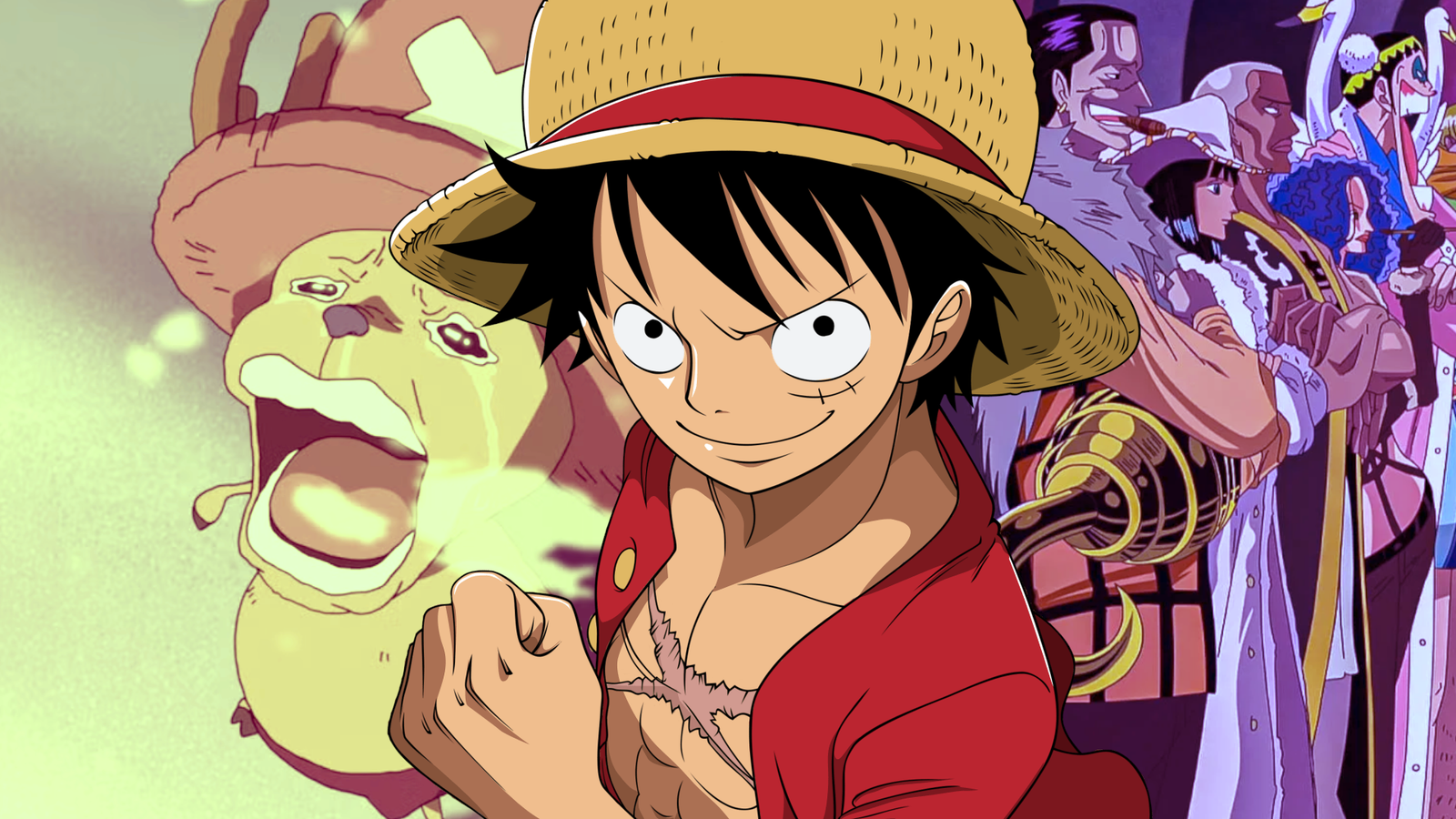
At its core, One Piece is a case study in narrative expansion. While most weekly series experience "creative fatigue" or "power creep" that diminishes the stakes over time, Oda has utilized a modular arc system to keep the world-building fresh. Each geographical location serves as a self-contained ecosystem with its own political history, culture, and biological rules, all while contributing to an overarching "Void History" that spans the entire series.
The series recently achieved a historic milestone with the conclusion of the Wano Country Arc and the commencement of the "Final Saga." This transition has spurred a renewed analytical interest in the earlier arcs that laid the groundwork for the current global fever. From the introduction of the "Will of D" to the foreshadowing of Ancient Weapons, the early-to-mid-series arcs—often underestimated by casual viewers—are now recognized as essential pillars of the series’ internal logic.

2. Chronology of Evolution: A Deep Dive into the Narrative Arcs
To understand the current state of One Piece, one must analyze the specific narrative beats that allowed the series to "raise the bar" during its formative and transitional years.
The Foundational Era: East Blue and the Grand Line Entrance
Syrup Village (Chapters 22–41):
Ranked as a foundational entry, the Syrup Village arc introduced Captain Kuro, one of the series’ first truly Machiavellian antagonists. While some critics argue it lacks the emotional weight of later entries, its journalistic importance cannot be overstated: it introduced Usopp and the Going Merry. The arc established the theme of "the protective lie," a motif that would resonate through the series for decades.

Loguetown (Chapters 96–100):
Loguetown serves as the "Town of Beginnings and Endings." It is here that Oda masterfully drew parallels between the protagonist, Monkey D. Luffy, and the Pirate King, Gol D. Roger. The introduction of Smoker and Dragon during this period signaled a shift from local piracy to global insurrection, introducing the concept of the Marines as a nuanced ideological force rather than a simple antagonistic body.
Reverse Mountain and Whiskey Peak (Chapters 101–114):
Entering the Grand Line required a total shift in narrative scale. Reverse Mountain introduced Laboon, a whale whose backstory would not be fully resolved for nearly 500 chapters—a testament to Oda’s unparalleled long-term planning. Whiskey Peak followed, showcasing Roronoa Zoro’s combat efficiency and introducing the Baroque Works syndicate, setting the stage for the series’ first major political saga.

The Thematic Expansion: Giants, Dreams, and Divine Ambition
Little Garden and Jaya (Chapters 115–129; 218–236):
Little Garden introduced the Elbaf Giants, Dorry and Brogy, establishing a Norse-inspired mythology that remains central to the manga’s current 2024 chapters. Conversely, the Jaya arc is often cited by scholars of the medium as the series’ philosophical peak. The initial meeting between Luffy and his dark mirror, Blackbeard, redefined the series’ core theme: "A man’s dream will never die."
Long Ring Long Land (Chapters 303–321):
Often dismissed as "filler-adjacent" due to its comedic tone, this arc is structurally vital. It introduced Admiral Aokiji (Kuzan), providing the first glimpse of the "Logia" power ceiling and the sheer terrifying might of the World Government’s upper echelon.

The Transitional Shift: Post-War and the New World
Amazon Lily (Chapters 514–524):
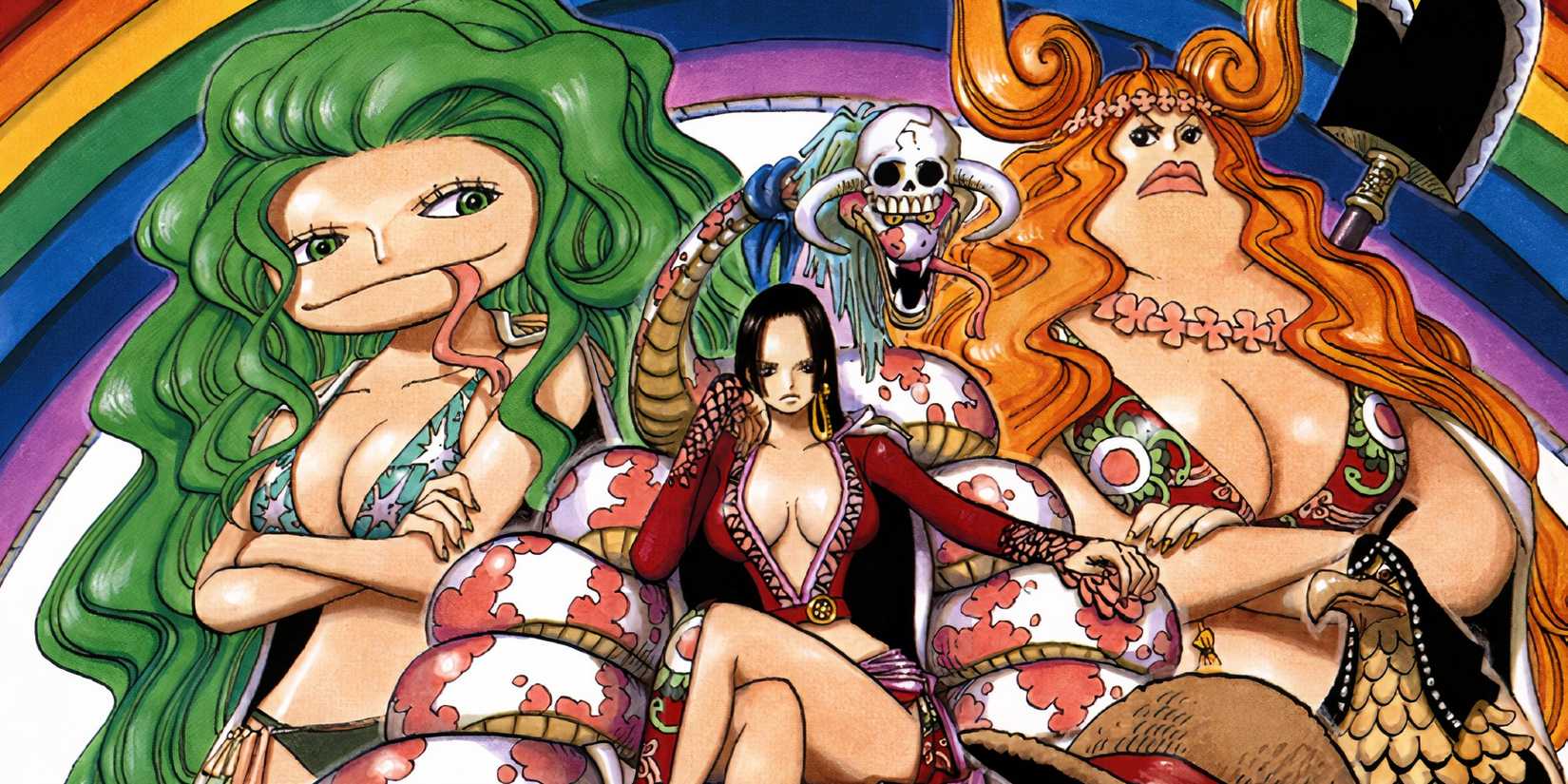
This arc shifted the focus to the cruelty of the Celestial Dragons. Through the backstory of Boa Hancock, Oda transitioned the series into darker territory, dealing with themes of slavery and systemic trauma, which would become the driving force behind the later Revolutionary Army narratives.
Return to Sabaody (Chapters 598–602):
Following a two-year "Time Skip," this arc served as a soft reboot. It demonstrated the growth of the crew and introduced the "Fake Straw Hats," a satirical take on the series’ own fame within its world. It also introduced Caribou, a character whose recent actions in the manga have proven to be a catalyst for the series’ endgame.
3. Supporting Data: Metrics of Narrative Success
The efficacy of Oda’s storytelling is backed by unprecedented market data. Unlike other "Shonen Jump" properties that see a decline in sales after their 50th volume, One Piece has maintained a remarkably stable trajectory.
- Global Sales: With over 500 million copies sold, it is the best-selling manga in history and the best-selling comic series by a single author.
- Longevity: The series has maintained a top-three ranking in Weekly Shonen Jump’s reader polls for over 25 years.
- Media Synergy: The 2023 Netflix live-action adaptation reached the #1 spot in 84 countries, proving that the "arcs" established in the late 90s (Syrup Village, Arlong Park) still possess universal narrative appeal.
Data suggests that the "Post-Enies Lobby" arc (Chapters 431–441) remains a high point for fan engagement, as it serves as the ultimate resolution of internal crew conflict, proving that emotional resonance—not just action—is the primary driver of the series’ "ubiquity."
4. Official Responses: The Authorial Philosophy and Editorial Oversight
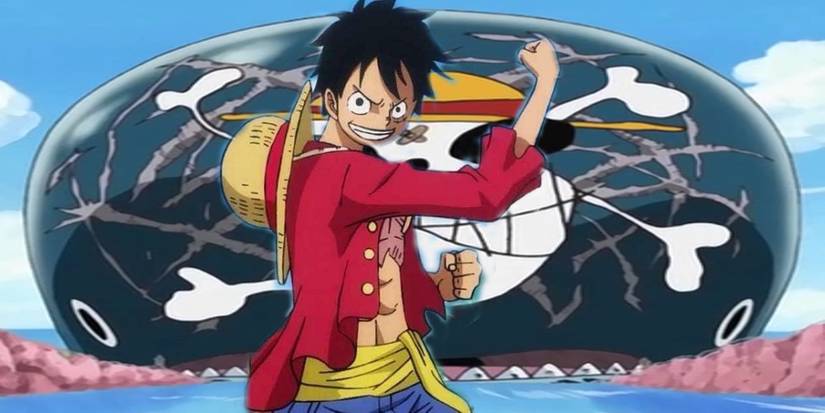
In various interviews, Eiichiro Oda has expressed that his goal is to "draw the world he wants to see," regardless of industry trends. This sentiment is echoed by the editorial staff at Shueisha, who have noted that Oda’s ability to weave "filler" elements into the main canon is what prevents the series from "spinning its wheels."
The official stance from Shonen Jump’s editorial department emphasizes that One Piece is designed as a "grand tapestry." When critics pointed to "pacing issues" in arcs like Skypiea or Long Ring Long Land, the editors defended the slow-burn approach, stating that every detail—from a minor lie told by Usopp to a throwaway comment by a giant in Little Garden—is a deliberate brick in a much larger wall.
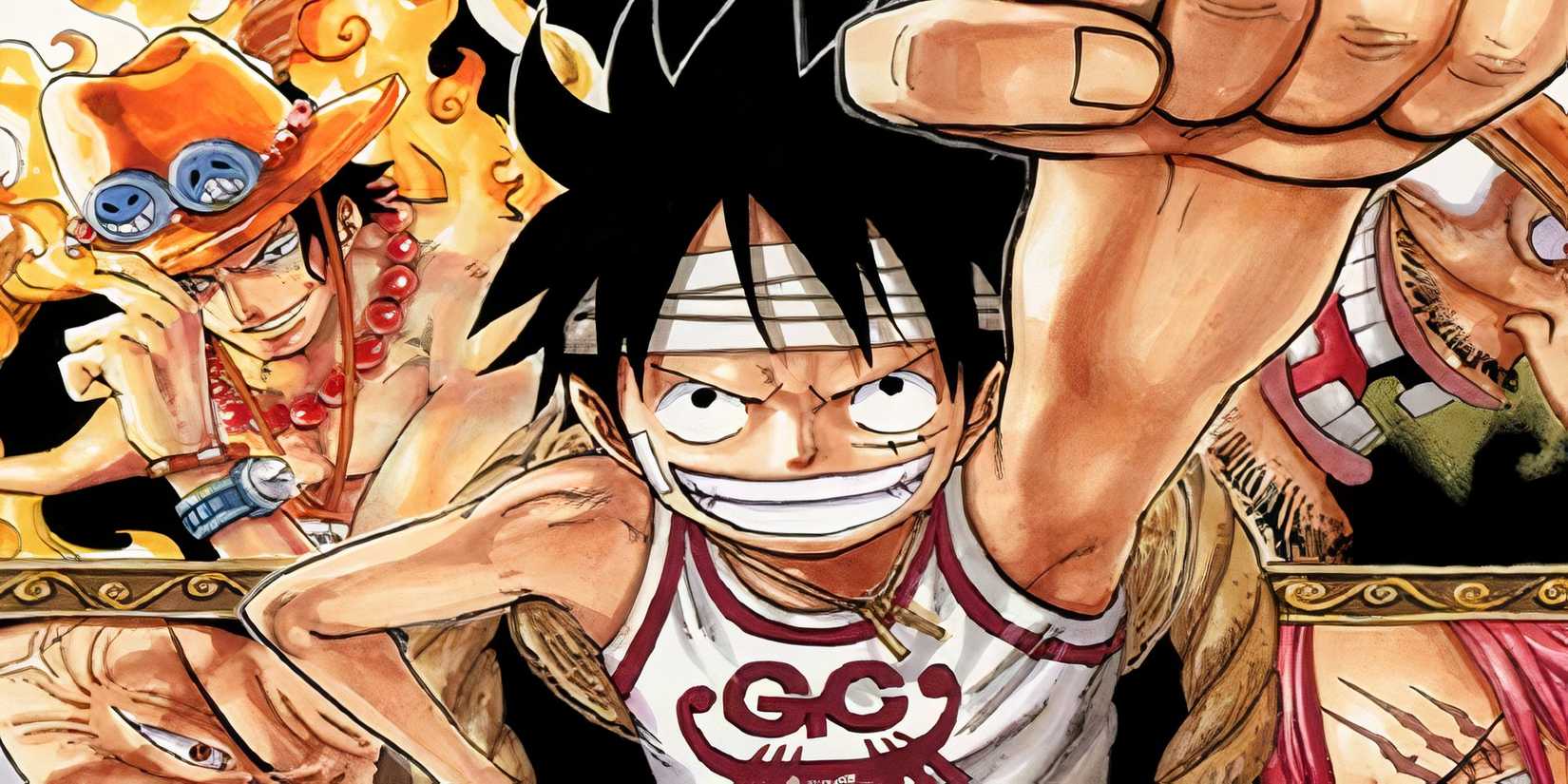
Recent statements from the production team behind the anime also highlight the "adventurous spirit" of the world. They argue that even the weakest arcs provide "visual composition" and "emotional resonance" that contribute to the series’ status as the most ubiquitous property in the world.
5. Implications: The Future of the Shonen Paradigm
The implications of One Piece‘s enduring success are profound for the future of the manga and anime industry. Oda has proven that a weekly saga can run for 29 years without losing its creative edge, provided the "arcs aim to raise the bar every time."

As the series moves into its Norse-inspired and science-fiction-heavy Final Saga, the industry is watching closely. One Piece has moved beyond being a mere comic; it is now a cultural institution. Its success suggests that:
- Long-form world-building is a viable alternative to the "fast-paced, short-run" model currently dominating the industry.
- Thematic consistency (the pursuit of freedom vs. systemic oppression) allows a series to evolve with its audience, moving from childish adventure to mature political commentary.
- Cross-generational appeal is achievable when an author treats "filler" and "main arcs" with the same level of adventurous integrity.
In conclusion, the journey of the Straw Hat Pirates is more than a story of finding treasure; it is a masterclass in narrative endurance. Whether exploring the feudal folklore of Wano or the deceptive peace of Syrup Village, Eiichiro Oda continues to prove that in the world of One Piece, every lie has a truth, and every arc is a necessary step toward the greatest story ever told.




Leave a Comment