The Anatomy of a Cinematic Failure: How ‘Child 44’ Collapsed Despite Its ‘Dark Knight’ Pedigree
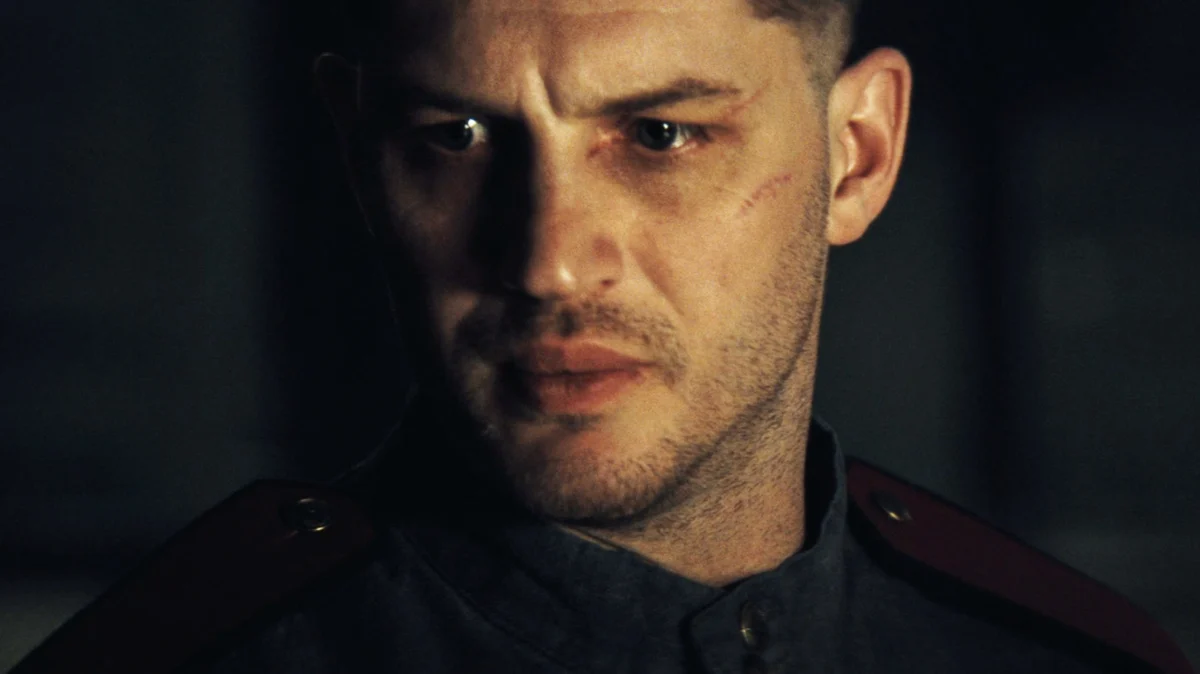
In the landscape of modern cinema, few projects seemed as "bulletproof" on paper as the 2015 crime thriller Child 44. Boasting a cast led by two of the most respected actors of their generation—Tom Hardy and Gary Oldman—and produced by the legendary Ridley Scott, the film was positioned as a prestige mid-budget thriller aimed at adult audiences. Furthermore, the leads shared a significant cultural shorthand: they were both pivotal stars of Christopher Nolan’s The Dark Knight trilogy. Hardy had terrorized Gotham as the hulking Bane, while Oldman had served as its moral compass, Commissioner James Gordon.
However, the transition from the "Box Office Promised Land" of the DC Universe to the bleak, frozen landscapes of the Soviet Union proved to be a disastrous journey. Despite its high-caliber talent, Child 44 became one of the most notable financial and critical failures of the mid-2010s. It serves as a stark case study in how even the most formidable star power cannot overcome a disconnect between tone, marketing, and geopolitical timing.
Main Facts: The Statistical Scale of a ‘Katastrofa’
To understand the magnitude of the Child 44 failure, one must look at the cold, hard data. Produced on a budget of approximately $50 million—a significant investment for a period-piece political thriller—the film was released by Lionsgate and Summit Entertainment in April 2015.
The financial returns were nothing short of catastrophic. In its opening weekend in the United States, the film managed a paltry $600,000 from 510 theaters. To put that in perspective, that is an average of roughly $1,170 per screen. By the end of its global theatrical run, the film had clawed its way to just $12.9 million. Once marketing costs and theater splits are factored in, the film likely represented a loss of $40 million to $50 million for its backers.
Critically, the reception was equally chilly. On the review aggregator Rotten Tomatoes, the film holds a dismal 30% approval rating. While individual performances—particularly Hardy’s—were occasionally singled out for praise, the consensus was that the film was a "tedious" and "confusing" slog that failed to capture the tension of its source material.
Chronology: From Bestseller to Box Office Bomb
The journey of Child 44 began with immense promise. The film is an adaptation of Tom Rob Smith’s 2008 novel of the same name, which was the first in a trilogy. The book was a global sensation, winning the CWA Ian Fleming Steel Dagger and being longlisted for the Man Booker Prize.
Development and Casting (2012–2013)
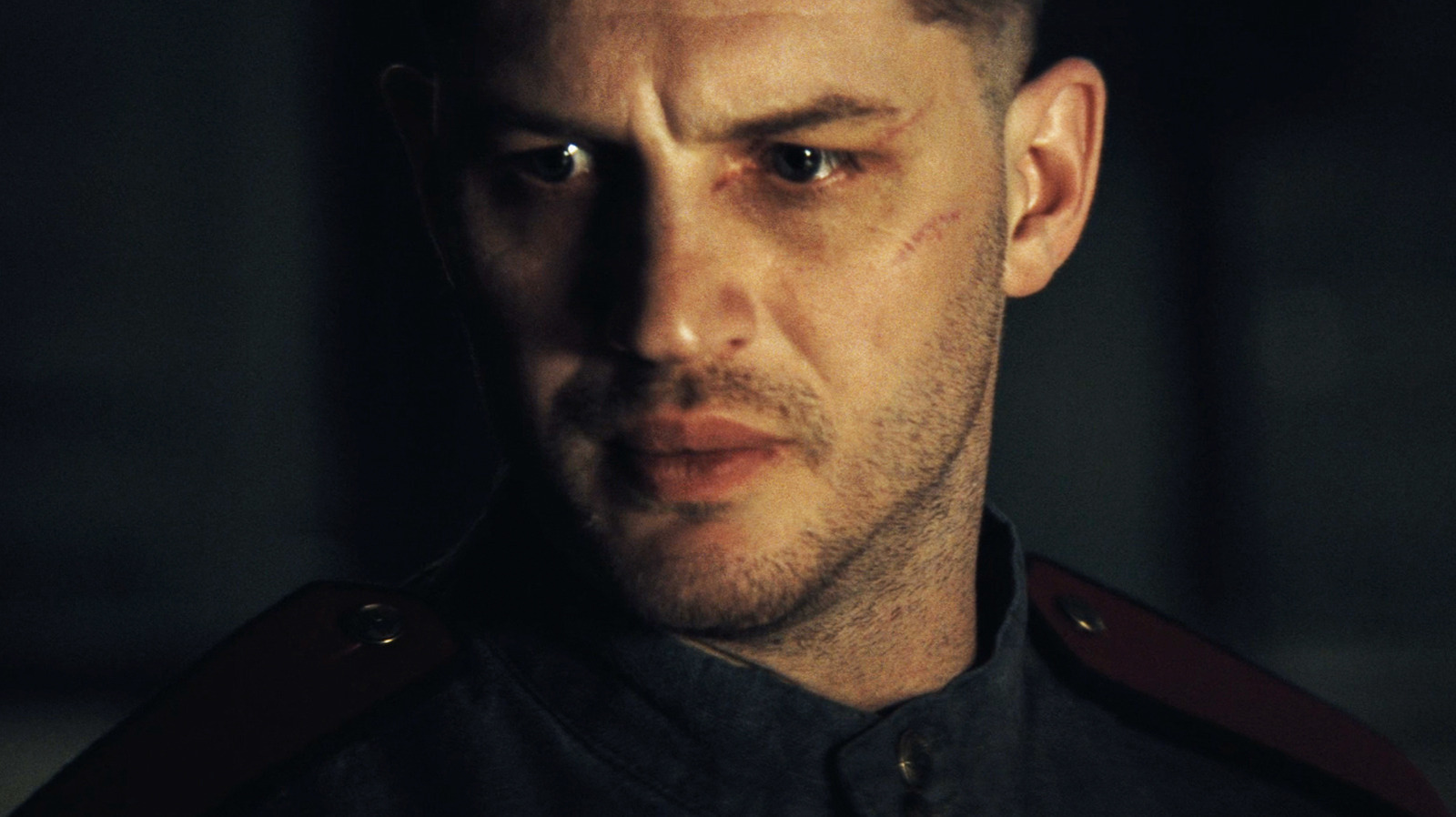
The project gained momentum when Ridley Scott’s Scott Free Productions optioned the rights. While Scott originally intended to direct, the chair eventually went to Daniel Espinosa. Espinosa was a rising star at the time, having successfully transitioned from the Swedish hit Easy Money (Snabba Cash) to the Hollywood blockbuster Safe House, starring Denzel Washington.
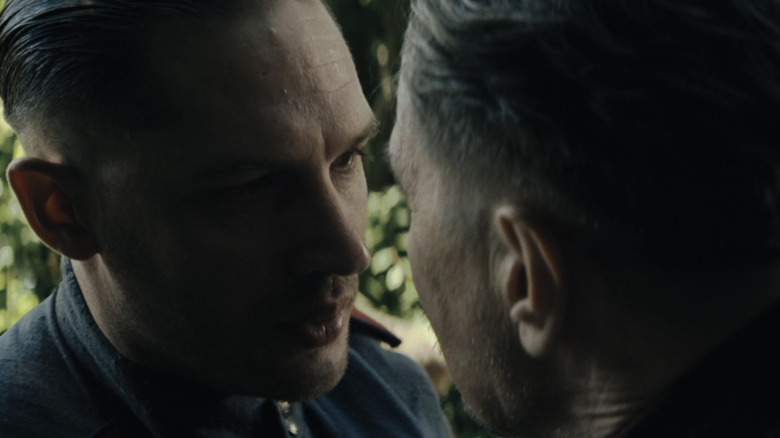
The casting process signaled a "prestige" approach. Tom Hardy was cast as Leo Demidov, an idealistic MGB agent. Noomi Rapace (of The Girl with the Dragon Tattoo fame) was cast as his wife, Raisa, and Gary Oldman was brought in as General Mikhail Nesterov. The ensemble was rounded out by Joel Kinnaman, Vincent Cassel, Charles Dance, and Paddy Considine.
Production and the "Accent" Choice (2013–2014)
Filming took place largely in Prague and the Czech Republic, standing in for the 1950s Soviet Union. During production, a creative decision was made that would later become a major point of contention: the actors, despite being primarily British or Swedish, would perform their dialogue in "Borscht-thick" Russian accents while speaking English. This stylistic choice, intended to provide immersion, was later criticized by many as a distraction that hindered the emotional resonance of the performances.
The 2015 Release and the Russian Ban
The film’s release in April 2015 was met with immediate friction. Just days before it was set to debut in Russia, the Russian Ministry of Culture pulled the film’s distribution license. This effectively banned the movie not only in Russia but also in several former Soviet territories, including Belarus, Kazakhstan, and Kyrgyzstan. This move crippled the film’s international box office potential, as the CIS (Commonwealth of Independent States) market was expected to be a primary source of revenue for a film set in that region.
Supporting Data: Why Audiences Stayed Away
Several factors contributed to the film’s rejection by the general public. While the "Dark Knight" connection provided a marketing hook, the actual content of the film was diametrically opposed to the escapism of superhero cinema.
Dark Subject Matter
The plot of Child 44 is relentlessly grim. It is loosely based on the real-life case of Andrei Chikatilo, the "Rostov Ripper," who murdered at least 52 women and children between 1978 and 1990. By shifting the timeline to the 1950s Stalinist era, the film added a layer of political oppression to an already horrifying serial killer narrative. The central theme—"There is no crime in Paradise"—refers to the Soviet state’s refusal to acknowledge the existence of serial killers, as they were viewed as a "capitalist disease." This meant the protagonist had to fight his own government just to investigate child murders. For many mainstream viewers, this was simply too bleak for a weekend at the multiplex.
Competition and Timing
Released in April, the film found itself sandwiched between the tail end of spring blockbusters and the lead-up to the summer season. Without the "event" status of a Marvel movie or the "prestige" momentum of an Oscar-season release (usually October–December), Child 44 occupied a cinematic "no man’s land."
Critical Breakdown
- The Guardian (Jonathan Romney): Awarded the film one star, calling it "unbearably heavy-going" and criticizing Hardy’s "odd" performance.
- The Irish Times (Donald Clarke): Described it as a "confusing bore," noting that the plot felt overstuffed.
- The Hollywood Reporter: Noted that while the production design was impeccable, the film felt like a "clunky, overlong" adaptation that lost the propulsive energy of the novel.
Official Responses: A Geopolitical Incident
The most significant "official" response to the film came from the Kremlin. The Russian Ministry of Culture issued a scathing statement upon banning the film, accusing the production of "distorting historical facts" and misrepresenting the Soviet Union as a land of "physical and moral subhumans."
The Russian Culture Minister at the time, Vladimir Medinsky, stated that the film’s depiction of the 1950s was "not the Soviet Union, but Mordor," referring to the dark land in The Lord of the Rings. He argued that releasing such a film on the eve of the 70th anniversary of the victory in the Great Patriotic War (World War II) was unacceptable.
The filmmakers and Lionsgate stood by the project, emphasizing that it was a fictionalized thriller based on a renowned novel. However, the ban served as a double-edged sword: while it provided the film with some "forbidden fruit" publicity, it ultimately removed it from the very markets that would have been most interested in the historical setting.
Implications: The Legacy of the Mid-Budget Flop
The failure of Child 44 had lasting implications for the careers of those involved and the industry at large.
For Daniel Espinosa
The director’s trajectory was noticeably impacted. While he continued to work on major projects, such as the sci-fi horror Life (2017), he eventually directed the 2022 Marvel/Sony project Morbius. Morbius famously became a meme-fueled box office disaster, leading some critics to look back at Child 44 as the first sign of Espinosa’s struggle to balance complex narratives with commercial sensibilities.
The Death of the Mid-Budget Adult Thriller
Child 44 is often cited by industry analysts as a reason why studios became increasingly hesitant to fund $50 million R-rated dramas. In the years following its release, the "prestige thriller" largely migrated to streaming platforms like Netflix and HBO, where the risk of a theatrical "per-screen average" collapse is mitigated by subscription models.
Tom Hardy’s "Accent" Reputation
For Tom Hardy, the film solidified his reputation as an actor who makes "bold" vocal choices. While his Bane voice became iconic, his Leo Demidov accent was seen as a bridge too far for some. Hardy has continued to use varied accents in Peaky Blinders, Taboo, and Venom, but Child 44 remains the primary example used by critics who argue that his stylistic flourishes can sometimes overshadow the narrative.
Conclusion
Ultimately, Child 44 serves as a reminder that a film is more than the sum of its parts. You can have the stars of the greatest superhero trilogy of all time, a world-class producer, and a bestselling book, but if the final product lacks a clear tonal identity and fails to connect with an audience’s desire for either entertainment or profound insight, it is destined for the bargain bin of history. Today, the film lives on primarily through streaming services like Pluto TV and YouTube, where it is often rediscovered by viewers who wonder how a movie with such an incredible cast could have vanished so completely from the cultural conversation.