
A Son’s Intimate Chronicle: Brian Van Lau’s "We’re Just Here for the Bad Guys" Unearths a Fractured Legacy
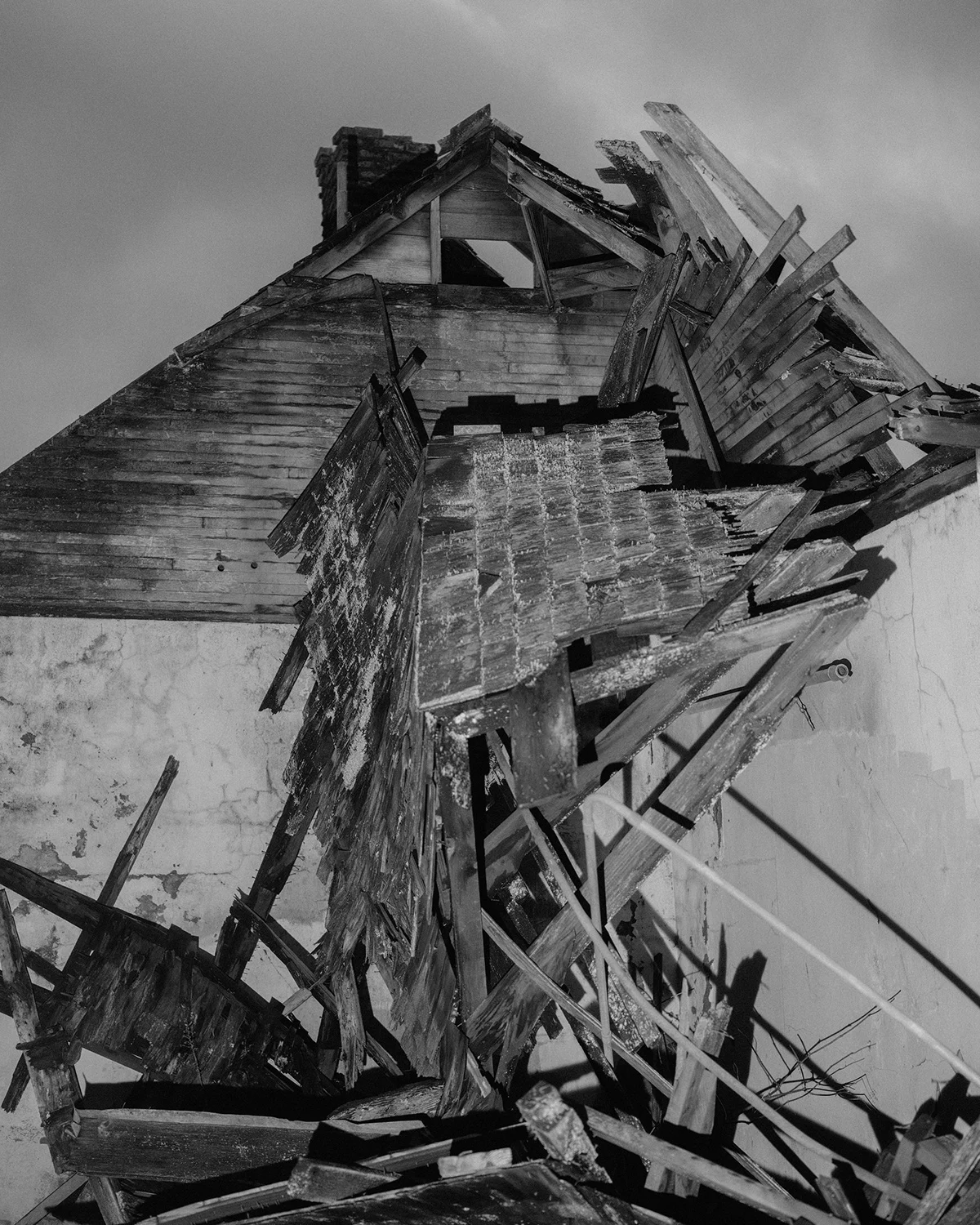
A poignant debut monograph by photographer Brian Van Lau delves into the complex terrain of paternal absence, incarceration, and a posthumous reconciliation, weaving a narrative of rediscovered family history through the powerful medium of visual storytelling.
HARTFORD, CT – In the deeply personal and visually arresting debut monograph, We’re Just Here for the Bad Guys, acclaimed photographer Brian Van Lau embarks on an unflinching exploration of his relationship with an estranged father. The book, published by the esteemed Light Work, transcends a mere collection of images; it is a testament to the enduring power of family, the indelible impact of absence, and the arduous yet ultimately cathartic journey of uncovering a fragmented legacy. Through a series of evocative photographs, Van Lau meticulously reconstructs a narrative previously obscured by time, incarceration, and geographical distance, ultimately finding a measure of peace and understanding in the process.
The genesis of We’re Just Here for the Bad Guys lies in a profound personal crisis. Van Lau’s childhood was marked by the significant void left by his father, whose absence was a direct consequence of his incarceration. This period of separation cast a long shadow, shaping Van Lau’s formative years. Upon his father’s release from prison, a tentative bridge was built, only to be seemingly severed once more. His father relocated to Vietnam, embarking on a new chapter of his life, and for nearly a decade, he vanished from Van Lau’s life entirely. This prolonged silence and geographical separation created a chasm, leaving Van Lau grappling with unanswered questions and an incomplete understanding of his paternal lineage.
The catalyst for the project’s intensified focus arrived with the devastating news of his father’s sudden illness. Upon learning of his father’s terminal cancer diagnosis, Van Lau made the emotionally charged decision to travel to Vietnam. It was during this critical juncture, in the final week of his father’s life, that a unique and profound collaboration began to unfold. Father and son, bridging years of estrangement and unspoken emotions, embarked on a photographic endeavor together. This intimate project documented the harsh realities of his father’s failing health and his ultimately unsuccessful battle against the disease. These images, imbued with the raw vulnerability of their shared experience, form a crucial cornerstone of the monograph, offering a glimpse into a profound moment of connection amidst profound loss.
Following his father’s passing, Van Lau returned to his native Hawai’i, seeking a sense of closure that had eluded him for so long. He was entrusted with the solemn responsibility of dispersing his father’s ashes across the picturesque landscapes of O’ahu. It was during this deeply personal ritual, surrounded by the familiar beauty of his homeland, that Van Lau’s photographic journey took a new and unexpected turn. Working closely with his grandparents, he began to meticulously sift through the remnants of his family’s past. Through the lens of his camera, he sought to reconstruct the fragmented pieces of his father’s life, uncovering hidden narratives and previously unknown facets of his paternal heritage. This investigative process, fueled by a desire for understanding and connection, became an integral part of the monograph’s overarching theme.
The Genesis of a Legacy: From Absence to Artistic Revelation
The narrative arc of We’re Just Here for the Bad Guys is a powerful testament to the enduring human need for connection and the profound impact of confronting one’s personal history. Brian Van Lau’s photographic monograph is not simply a visual diary of a difficult reconciliation; it is a meticulously crafted exploration of how trauma, separation, and unexpected reunion can shape identity and redefine familial bonds.
Van Lau’s journey began with the stark reality of his father’s absence during his childhood, a void created by incarceration. This period, marked by a lack of paternal guidance and presence, undoubtedly left an indelible mark on his developing psyche. The subsequent release of his father and his relocation to Vietnam presented an opportunity for reconnection, yet this was short-lived. The decade-long silence that followed created a deep sense of estrangement, leaving Van Lau with a paternal figure shrouded in mystery and distance. This fractured relationship, characterized by prolonged separation and unspoken truths, served as the fertile ground from which Van Lau’s artistic inquiry would bloom.
The pivotal moment that propelled Van Lau into a more active pursuit of understanding his father’s life and legacy was the news of his father’s sudden illness. The urgency of a terminal diagnosis spurred him to bridge the geographical and emotional divide, leading him to Vietnam. This journey, fraught with the emotional weight of impending loss, offered an unexpected opportunity for a profound, albeit brief, collaboration. The final week of his father’s life became a crucible for their shared experience, culminating in a photographic project that documented his father’s struggle. These images, captured with an artist’s eye and a son’s heart, are raw and unflinching, offering a visceral representation of vulnerability and resilience.
Upon his father’s death, Van Lau’s return to Hawai’i was not merely a homecoming but a quest for resolution. The act of scattering his father’s ashes across O’ahu transformed from a somber duty into an artistic endeavor. This ritualistic scattering became a catalyst for further exploration, as Van Lau, in collaboration with his grandparents, began to actively reconstruct his fragmented family history. Through photography, he sought to illuminate the hidden corners of his father’s life, unearthing stories and connections that had been lost to time or deliberately obscured. This process of archival discovery and visual reinterpretation is central to the monograph’s power, revealing that even in absence, a legacy can be pieced together.
A Chronological Reconstruction: Tracing the Threads of a Life
The narrative of We’re Just Here for the Bad Guys unfolds with a deliberate chronological progression, allowing readers to witness the evolution of Van Lau’s relationship with his father and the subsequent journey of discovery.
Early Childhood and Paternal Absence: The monograph begins by implicitly acknowledging the foundational absence of Van Lau’s father during his formative years. While specific images from this period may not be present, the underlying theme of a missing paternal figure is a constant undercurrent, shaping Van Lau’s perspective and his eventual artistic concerns. This period of estrangement is the silent backdrop against which the later events are framed, highlighting the enduring impact of early childhood experiences.
The Shadow of Incarceration and Brief Reunion: Van Lau’s father’s incarceration is a critical juncture that defined a significant portion of Van Lau’s youth. The subsequent release and the initial attempts at rebuilding a relationship represent a fragile period of hope. This phase, though perhaps marked by tentative interactions, ultimately gives way to a prolonged period of separation.
The Decade of Silence and the Call from Vietnam: Following his father’s relocation to Vietnam, a near decade of silence ensued. This period of complete disconnection is a testament to the profound geographical and emotional distance that had grown between them. The news of his father’s sudden illness shattered this silence, acting as an urgent summons and the immediate catalyst for Van Lau’s journey.
The Final Week: A Collaborative Project in the Face of Mortality: The most emotionally charged segment of the narrative unfolds during the final week of Van Lau’s father’s life. The decision to collaborate on a photographic project during this intensely vulnerable time signifies a profound shift in their relationship. These images, captured during a period of intense physical and emotional struggle, offer an intimate and poignant record of their shared experience. The unsuccessful recovery documented in these photographs underscores the tragic reality of his father’s illness and the limited time they had together.
Posthumous Return to Hawai’i: Ashes, Ancestry, and Archival Exploration: Van Lau’s return to Hawai’i after his father’s death marks the beginning of his quest for closure and a deeper understanding of his paternal lineage. The act of dispersing his father’s ashes becomes a symbolic gesture of laying to rest not only his father but also the lingering questions and resentments. His collaboration with his grandparents becomes a crucial element in this phase, as they serve as living repositories of family history. Through their shared memories and the exploration of archival materials, Van Lau begins to reconstruct the fragmented narrative of his father’s life.
The Unveiling of Hidden Histories: The culmination of Van Lau’s work in We’re Just Here for the Bad Guys is the revelation of previously unknown aspects of his father’s life. These discoveries, unearthed through his photographic investigation and family conversations, contribute to a more nuanced and complete understanding of the man his father was, beyond the confines of his absence and incarceration.
Supporting Data: The Power of Visual Testimony and Archival Research
The strength of Brian Van Lau’s We’re Just Here for the Bad Guys lies in its multifaceted approach to storytelling, drawing upon both contemporary photographic documentation and archival research.
Contemporary Photographic Documentation: The core of the monograph is comprised of Van Lau’s own photographic work. These images serve as primary source material, offering a visceral and immediate connection to the events and emotions depicted. The photographs taken during his father’s final week in Vietnam are particularly significant. They are not merely snapshots but carefully composed images that capture the raw vulnerability of illness, the quiet dignity of a father facing his mortality, and the nascent reconnection between father and son. These images are imbued with an intimacy that transcends the purely documentary, allowing the viewer to feel the emotional weight of the situation.
Archival Research and Family Photographs: Van Lau’s engagement with his grandparents and the subsequent archival research represent a crucial layer of his project. This process involves sifting through old family photographs, letters, documents, and oral histories. These unearthed artifacts provide historical context and fill in the gaps left by his father’s absence. They offer glimpses into his father’s life before incarceration, during his time in Vietnam, and potentially even earlier generations of his family. The juxtaposition of his contemporary images with these historical documents creates a powerful dialogue between past and present, illustrating the continuity and fragmentation of family legacies.
The Role of Place and Landscape: The monograph likely utilizes the landscapes of both Vietnam and Hawai’i as significant visual elements. Vietnam, the setting of his father’s later life and his final days, carries the weight of unresolved history and a complex personal connection. Hawai’i, Van Lau’s homeland and the final resting place of his father’s ashes, serves as a grounding force, a place of return and reconciliation. The interplay between the personal narratives and the depicted environments adds a rich thematic dimension to the work.
The Monograph as a Curated Narrative: The publication of We’re Just Here for the Bad Guys by Light Work signifies a deliberate and curated presentation of Van Lau’s work. Light Work is renowned for its commitment to supporting artists who explore complex social and personal themes through photography. The selection and sequencing of images within the monograph are critical in shaping the viewer’s understanding and emotional response. The inclusion of essays or accompanying texts, while not explicitly mentioned in the provided content, would further enrich the contextual understanding of the photographs and Van Lau’s intentions.
Official Responses and Critical Acclaim: A Recognition of Artistic Merit
While the provided content focuses on the personal narrative, the publication of We’re Just Here for the Bad Guys by Light Work itself serves as a significant form of "official response" and validation. Light Work is a highly respected institution within the contemporary art world, known for its rigorous selection process and its dedication to promoting groundbreaking photographic practices.
Light Work’s Endorsement: The decision by Light Work to publish Brian Van Lau’s debut monograph signifies a strong endorsement of his artistic vision and the profound significance of his work. Light Work’s publications are often critically acclaimed and are considered important contributions to the field of photography. Their involvement suggests that the project has undergone a thorough review and has been recognized for its artistic merit, thematic depth, and potential impact.
Anticipated Critical Reception: Given the subject matter’s universal resonance – themes of family, loss, reconciliation, and the exploration of marginalized or complex personal histories – We’re Just Here for the Bad Guys is likely to garner significant critical attention. Art critics, photography reviewers, and cultural commentators are expected to engage with the monograph’s powerful visual language, its honest portrayal of a deeply personal journey, and its contribution to contemporary photographic discourse. The title itself, We’re Just Here for the Bad Guys, is provocative and suggests an engagement with societal perceptions and personal narratives that often lie outside the mainstream.
Awards and Exhibitions: While not explicitly stated in the provided text, it is highly probable that a project of this caliber, published by Light Work, will be considered for photography awards and exhibition opportunities. Such recognition would further solidify its place within the art historical canon and introduce Van Lau’s work to a broader audience. The visual nature of the work lends itself inherently to exhibition, allowing viewers to experience the emotional intensity and narrative complexity of the photographs in a dedicated space.
Implications and Broader Significance: Beyond the Personal Narrative
Brian Van Lau’s We’re Just Here for the Bad Guys transcends the boundaries of a singular personal story, offering profound implications for how we understand family, identity, and the power of artistic expression.
Reckoning with Complex Family Histories: The monograph serves as a powerful example of how individuals can confront and make peace with complex and often painful family histories. Van Lau’s journey highlights the importance of seeking understanding, even when faced with estrangement, absence, and difficult truths. It suggests that by actively engaging with the past, individuals can reclaim narratives that may have been silenced or distorted.
The Role of Photography in Healing and Reconciliation: We’re Just Here for the Bad Guys underscores the transformative power of photography as a tool for healing and reconciliation. The act of documenting his father’s final days, and subsequently reconstructing his family history through images, provided Van Lau with a pathway to process his emotions, confront his past, and ultimately find a measure of peace. The monograph demonstrates how visual storytelling can serve as a cathartic process, both for the artist and for the viewer who connects with the shared human experiences depicted.
Challenging Societal Perceptions of Family and Belonging: The title, We’re Just Here for the Bad Guys, immediately signals a willingness to engage with narratives that are often stigmatized or misunderstood. The father’s incarceration and subsequent life in Vietnam represent aspects of a life that might be judged or overlooked by conventional societal norms. Van Lau’s project challenges these perceptions by offering a nuanced and empathetic portrayal, suggesting that even those who have made mistakes or lived unconventional lives are part of a larger familial tapestry, deserving of understanding and remembrance.
The Legacy of Absence and the Pursuit of Connection: The monograph speaks to the universal experience of grappling with absence and the enduring human desire for connection. Van Lau’s story resonates with anyone who has experienced loss, estrangement, or the yearning to understand their roots. It highlights the persistent search for belonging and the ways in which we strive to forge meaningful connections, even across vast distances and time.
A Contribution to Contemporary Photographic Dialogue: We’re Just Here for the Bad Guys is poised to make a significant contribution to the ongoing dialogue within contemporary photography. It exemplifies the power of autobiographical projects to explore profound human themes with honesty and artistic integrity. Van Lau’s work pushes the boundaries of documentary and personal narrative, inviting viewers to consider the complex intersections of individual lives and broader societal issues. The monograph’s publication by Light Work ensures its accessibility to a wide audience, further amplifying its impact and its potential to inspire reflection and dialogue.


Leave a Comment