
Mechanicus 2: A Faltering Echo of its Predecessor’s Grandeur
Introduction: The Weight of Legacy
The Warhammer 40,000 universe is a grimdark tapestry woven with tales of religious fervor, cybernetic augmentation, and perpetual warfare. Among the myriad of games that explore this rich lore, Warhammer 40,000: Mechanicus carved out a unique niche for itself. Released in 2014, the original title by Bulwark Studios offered a compelling turn-based tactical experience, focusing on the arcane machinations of the Adeptus Mechanicus, the tech-priests of the Imperium. It was lauded for its evocative atmosphere, strategic depth, and a refreshingly unique "cognition" system that rewarded players for immersing themselves in the lore and mechanics of combat. Now, over a decade later, Bulwark Studios returns with Warhammer 40,000: Mechanicus 2, a direct sequel that promises to expand upon the foundations of its predecessor. However, the question on many fans’ minds is whether Mechanicus 2 can recapture the magic of the original, or if it will be a mere shadow of its former glory.
Our verdict is that Mechanicus 2 is a decent strategy game, but it struggles to replicate the distinctive "vibe" that made the original so memorable. This sentiment resonates with a particular demographic of gamers – those who appreciate the intricacies of turn-based tactics and find themselves drawn to the unique aesthetic of cybernetic zealots clashing with ancient, unholy constructs. While the sequel offers new perspectives and gameplay elements, it also sheds some of the innovative mechanics that defined its predecessor, leading to a more conventional, and ultimately less impactful, experience.
The Core of the Conflict: What is Mechanicus 2?
Warhammer 40,000: Mechanicus 2 is the highly anticipated follow-up to the critically acclaimed 2014 strategy game. Developed by Bulwark Studios and published by Kasedo Games, it aims to immerse players once again in the grim realities of the Warhammer 40,000 universe, this time by offering the unique opportunity to command both the Adeptus Mechanicus and their ancient, enigmatic adversaries, the Necrons.
The game is priced at $36 (£31.50) and was reviewed on Windows 11 with an Intel Core i9 processor, 32GB of RAM, and an Nvidia RTX 4060 graphics card. It does not feature multiplayer support and is currently unsupported on the Steam Deck.
A Tale of Two Factions: The Evolution of Gameplay
The original Warhammer 40,000: Mechanicus excelled in its atmospheric storytelling and unique gameplay loop. Players controlled the Adeptus Mechanicus, delving into ancient Necron tombs to unearth forgotten technologies and sacred knowledge. The absence of a traditional cover system forced a reliance on positioning and the strategic deployment of less-advanced cybernetic units – essentially "robotic zombies" and "work-experience kids" – to absorb enemy fire, allowing the powerful Tech-Priests to unleash devastating attacks from a safe distance.
A cornerstone of the original’s innovation was the "cognition" system. By actively engaging with the environment, studying monoliths, examining fallen enemies, or even allowing servitors to absorb hits to better understand enemy weaponry, players would earn cognition points. These points could then be spent to activate potent abilities, enabling glorious, game-breaking combos if balanced correctly. This system not only added a layer of strategic depth but also encouraged players to truly inhabit the role of the knowledge-seeking Tech-Priests.
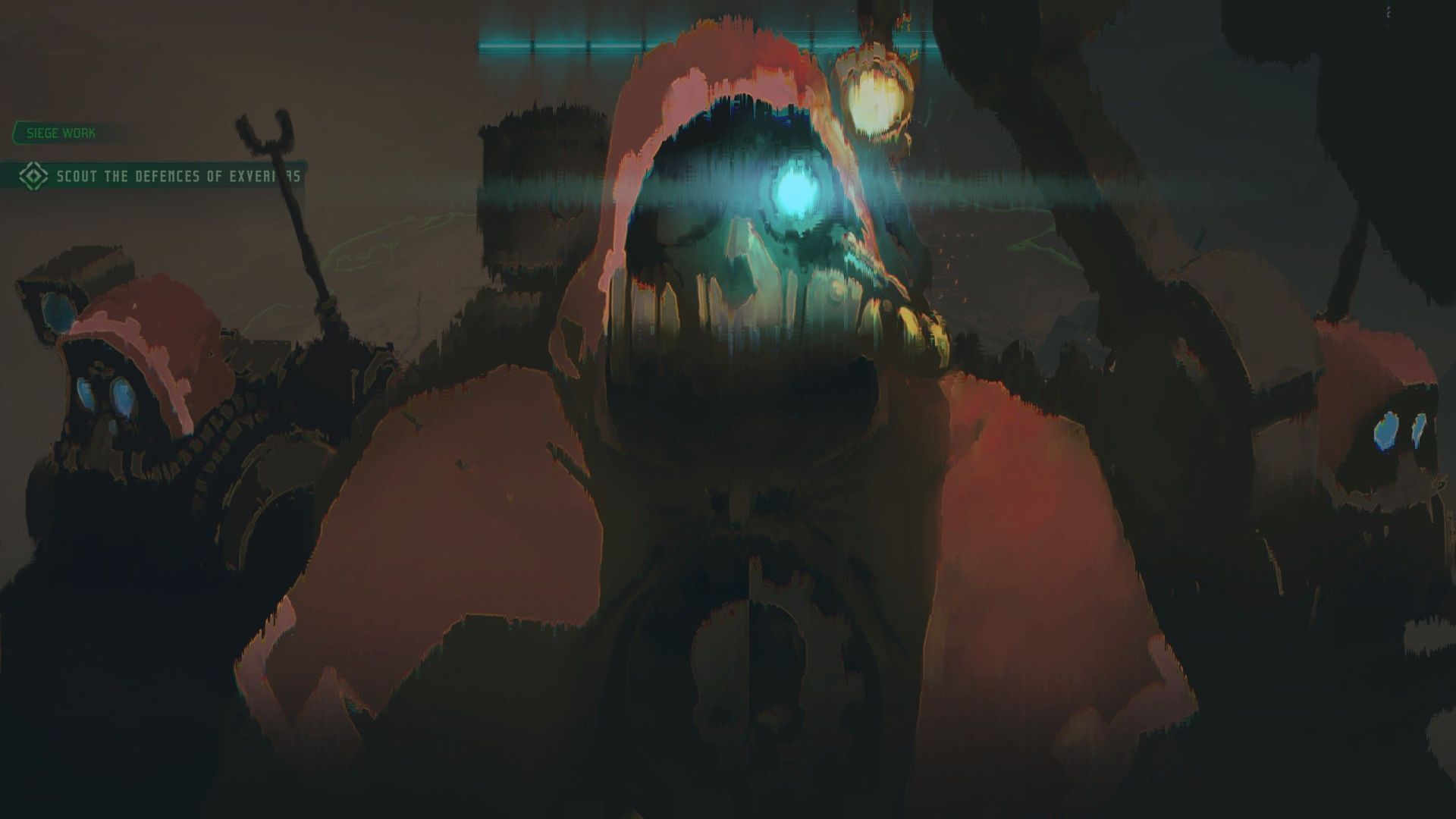
Mechanicus 2 introduces a significant shift by allowing players to control two distinct factions: the Adeptus Mechanicus and the Necrons. After an introductory prologue, the game splits into two separate campaigns, offering players the choice to experience the conflict from either perspective. This duality is arguably the sequel’s most compelling new feature. For fans of the Necrons, the chance to command these ancient, dynastic, and often petty immortals offers a deep dive into their lore and motivations, transforming them from mere faceless antagonists into complex characters.
However, for those not specifically invested in the Necrons, the recommendation for Mechanicus 2 becomes more nuanced. While the game is by no means bad – it functions competently and can be enjoyable when it hits its stride – it risks alienating players who cherished the specific innovations of the first game.
The Unraveling of Mechanics: Where the Sequel Falters
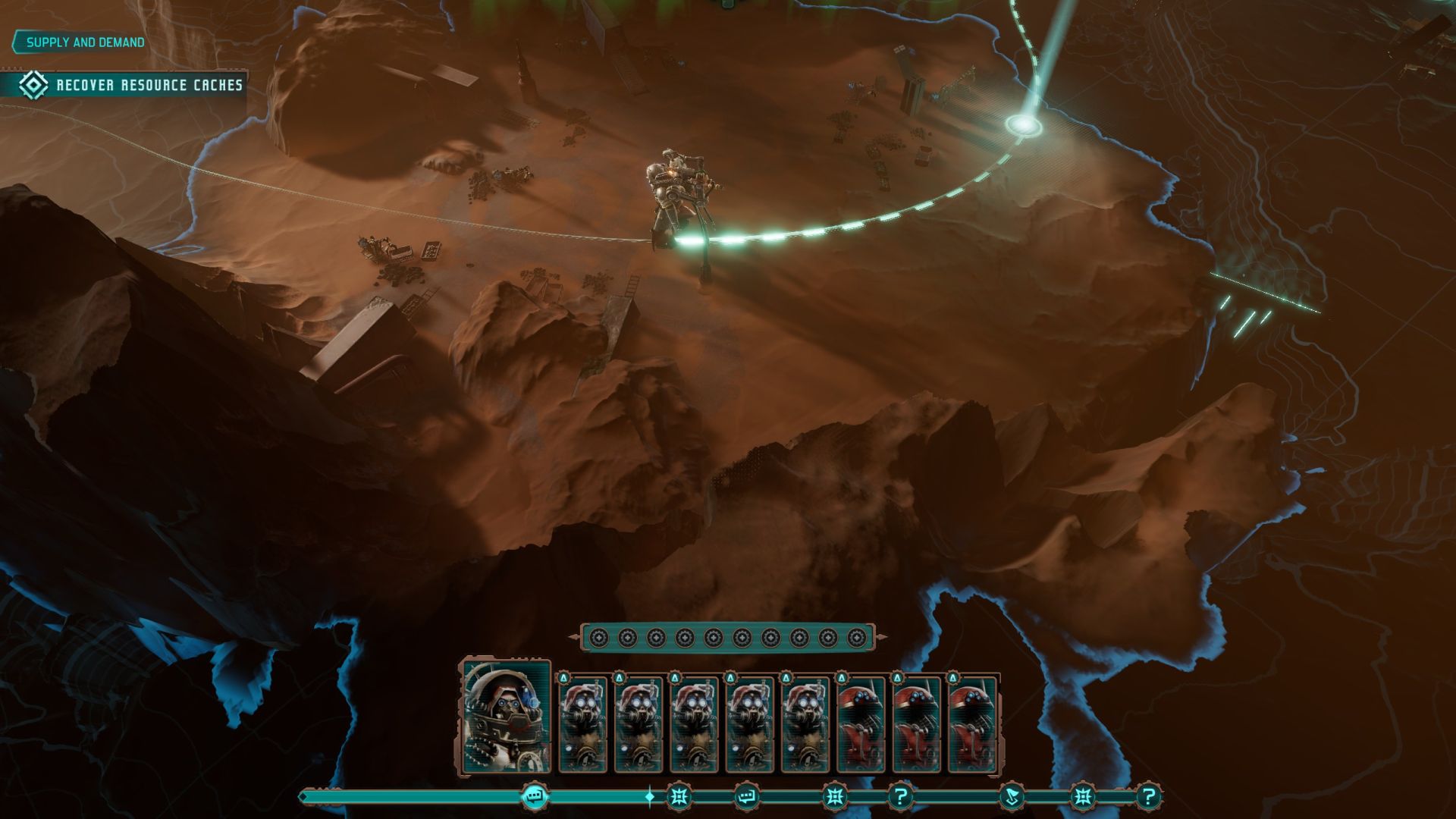
Unfortunately, Mechanicus 2 discards several elements that contributed significantly to the original’s unique appeal. The most notable omission is the complete overhaul of the tomb exploration. The choose-your-own-adventure style of the original, which offered meaningful choices that impacted the unfolding narrative and strategic landscape, has been replaced by linear mission progression. While the player’s leader may make token strategic decisions that influence the next skirmish, these feel superficial, akin to merely "taking a long walk across a map" rather than engaging in meaningful exploration.
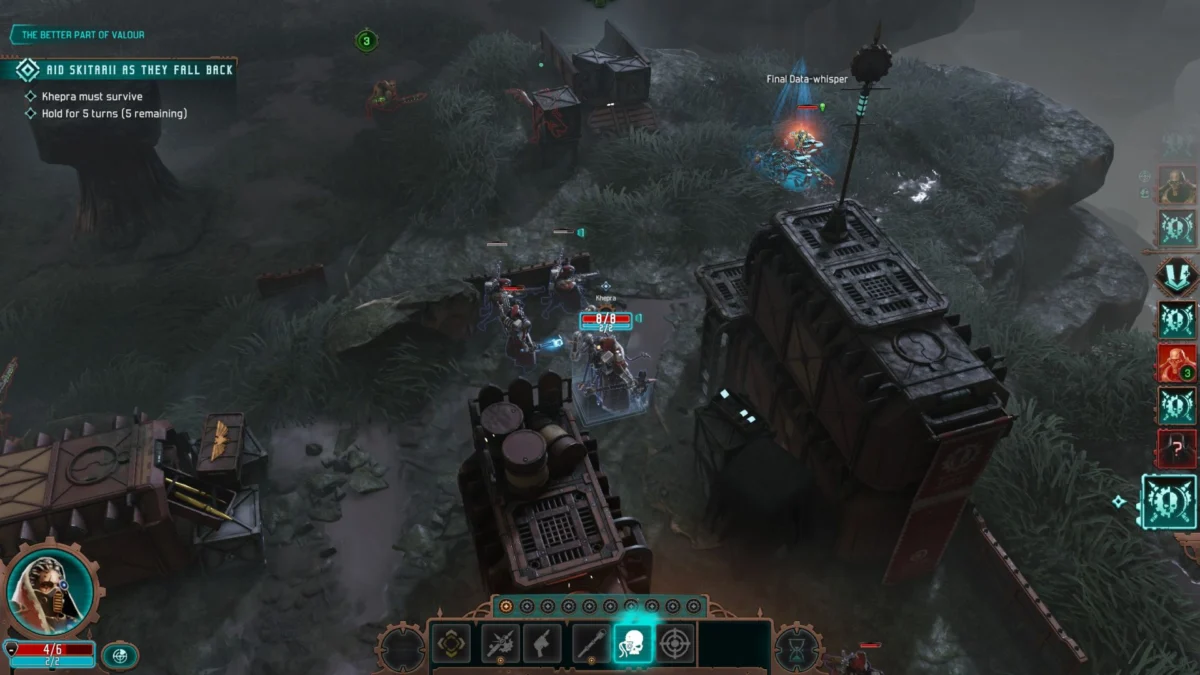
Furthermore, the introduction of a cover system, a staple in many modern tactical games, fundamentally alters the combat dynamic. While it might seem like a logical addition, it erodes the distinct tactical challenge presented by the original’s cover-less battlefield. The Necrons’ inherent ability to attack the closest unit is no longer the primary tactical consideration, shifting the focus away from the clever deployment of sacrificial units.
The Leader Dilemma: A Homage or a Hindrance?
A major departure in Mechanicus 2 is the treatment of its leaders. Unlike the highly customizable Tech-Priests of the first game, who could be specialized and multiclassed to create unique builds, the sequel features five distinct named leaders for each faction. These leaders possess their own upgrade trees, but these are described as "rudimentary." The implication is that a leader designed to be a tank will always excel at tanking, regardless of how the player allocates their points. This lack of deep customization can feel limiting, particularly for players who enjoyed the freedom to experiment and break the game with powerful, bespoke builds.
Moreover, Mechanicus 2 restricts players to fielding only one leader per mission, and this leader is absolutely essential. Their death results in an immediate mission failure, forcing a restart or a reload of a save file. This mechanic is reminiscent of Heroes of Might & Magic 4, where heroes could join the fray directly and be vulnerable to permanent death. In contrast, previous Heroes titles kept generals safely on the sidelines, casting spells or offering support.
This singular focus on protecting one leader drastically warps the tactical approach. Every skirmish becomes an exercise in shielding this vital unit, especially when encountering enemies with advanced mobility, such as jetpacks or teleportation capabilities. These units can bypass the frontline entirely, appearing directly next to the player’s leader and swiftly eliminating them. This forces a repetitive gameplay loop of clumping more attractive targets together to draw out assassins, a strategy that must be employed in every encounter.
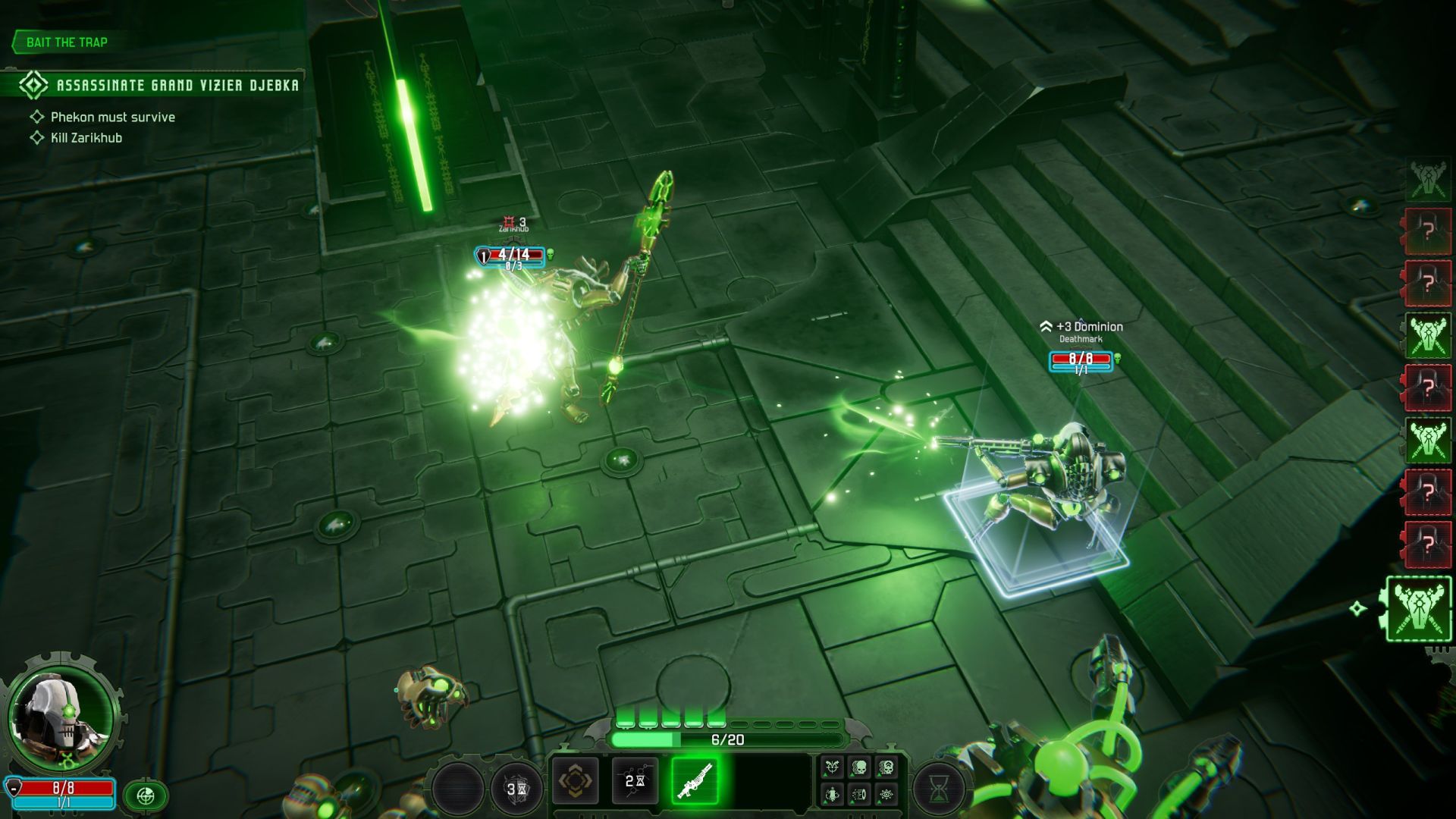
This tactical constraint, while present in both campaigns, diminishes the distinctiveness between the Adeptus Mechanicus and Necron campaigns. While the original Mechanicus earned cognition points through specific unit actions (e.g., rangers gaining a point for long-range shots) and the Necrons increased their "dominion" through damage, the core gameplay loop in Mechanicus 2 devolves into protecting a named leader while accumulating points for their special abilities. This feels akin to the Voltron archetype, where the ultimate power is only unleashed at the episode’s climax, lacking the consistent strategic dynamism of the original.
Technical Glitches and Atmospheric Erosion
Beyond the core gameplay changes, Mechanicus 2 also suffers from technical issues and a diminished atmosphere. A notable bug observed was the display of Adeptus Mechanicus dialogue subtitles for Necron conversations, even though the audio remained correct. Performance can also be a concern; while the game is turn-based and a framerate of just over 30 FPS might be acceptable to some, players are advised to reduce volumetric fog settings for a smoother experience. The game is also not recommended for the Steam Deck.
The atmospheric "vibe" that was so central to the original Mechanicus feels significantly muted here. While an option exists to turn off voice acting and revert the Tech-Priests to a "Modem Simlish" approximation of the original’s dialogue, the soundtrack does not possess the same impact. The original Mechanicus soundtrack was a standout feature, offering an unforgettable blend of industrial and monastic chanting, perfect for what the reviewer aptly describes as an "industrial monk rave-up." In contrast, Mechanicus 2‘s music is more subdued, akin to ambient menu music, lacking the powerful organ drops and driving rhythms that defined its predecessor.
The Necron’s Moment in the Sun: A Glimmer of Hope?
Despite its shortcomings, Mechanicus 2 does offer one significant draw: the opportunity to play as the Necrons. This is a rare occurrence in Warhammer 40,000 games, which often focus on the Imperium’s various factions. The ability to experience the narrative from the Necron perspective provides valuable insight into their complex society, their noble aspirations, and their petty intrigues. For dedicated Necron enthusiasts who collect armies in the tabletop game, this campaign alone might justify the purchase.
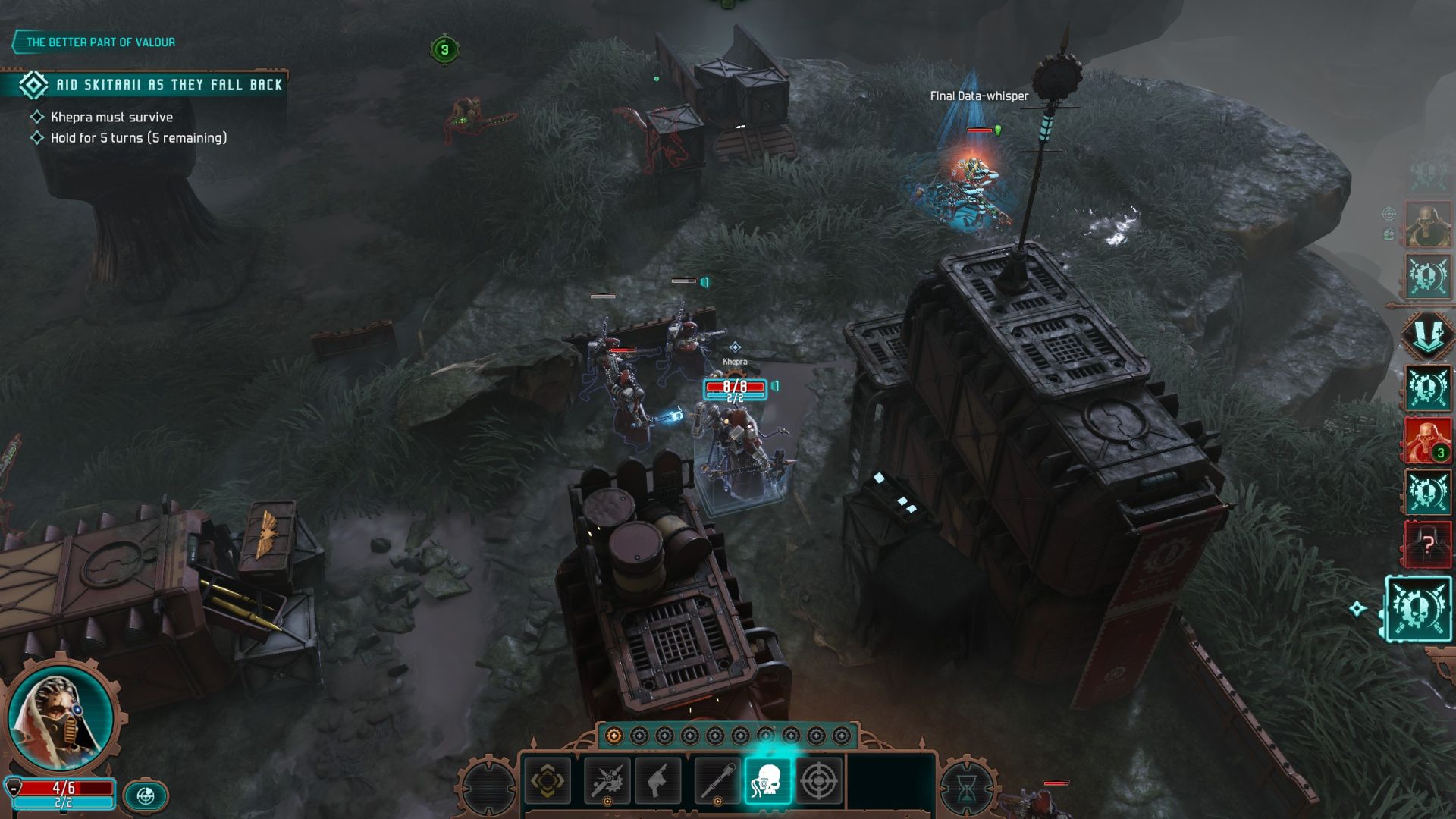
However, this unique faction focus doesn’t entirely compensate for the loss of the original’s innovative mechanics and atmospheric richness. When the reviewer stops trying to replicate the immersive experience of the first game and approaches Mechanicus 2 as a more casual, "second-screen" activity, a "heavily modded XCOM" kind of enjoyment can be found. Yet, this still represents a step down from the original’s blend of absorbing narrative and groundbreaking gameplay.
Conclusion: A Decent Sequel That Fails to Reach the Heights of its Predecessor
Warhammer 40,000: Mechanicus 2 is a competent turn-based strategy game that offers a new perspective on the Warhammer 40,000 universe by allowing players to command the Necrons. The inclusion of two distinct campaigns is a notable addition, and the Necron campaign, in particular, offers a compelling narrative for fans of that faction.
However, the sequel falls short of recapturing the unique magic of its predecessor. The removal of the cover-less combat and the innovative cognition system, coupled with the introduction of a more conventional, leader-centric gameplay loop, strips away much of what made the original Mechanicus so special. The diminished atmosphere and technical hiccups further contribute to a sense that Mechanicus 2 is a decent, but ultimately uninspired, follow-up. For those seeking the groundbreaking tactical depth and evocative atmosphere of the original, Mechanicus 2 may prove to be a disappointing echo.
Key Information:
- What is it?: A follow-up to an excellent 40K strategy game.
- Expect to pay: $36 / £31.50
- Developer: Bulwark Studios
- Publisher: Kasedo Games
- Reviewed on: Windows 11, Intel Core i9, 32GB RAM, Nvidia RTX 4060
- Multiplayer?: No
- Steam Deck: Unsupported
- Out: Now
- Official site: mechanicus40k.com

Leave a Comment