
The First Anglo-Boer War: A Clash for Independence in Southern Africa
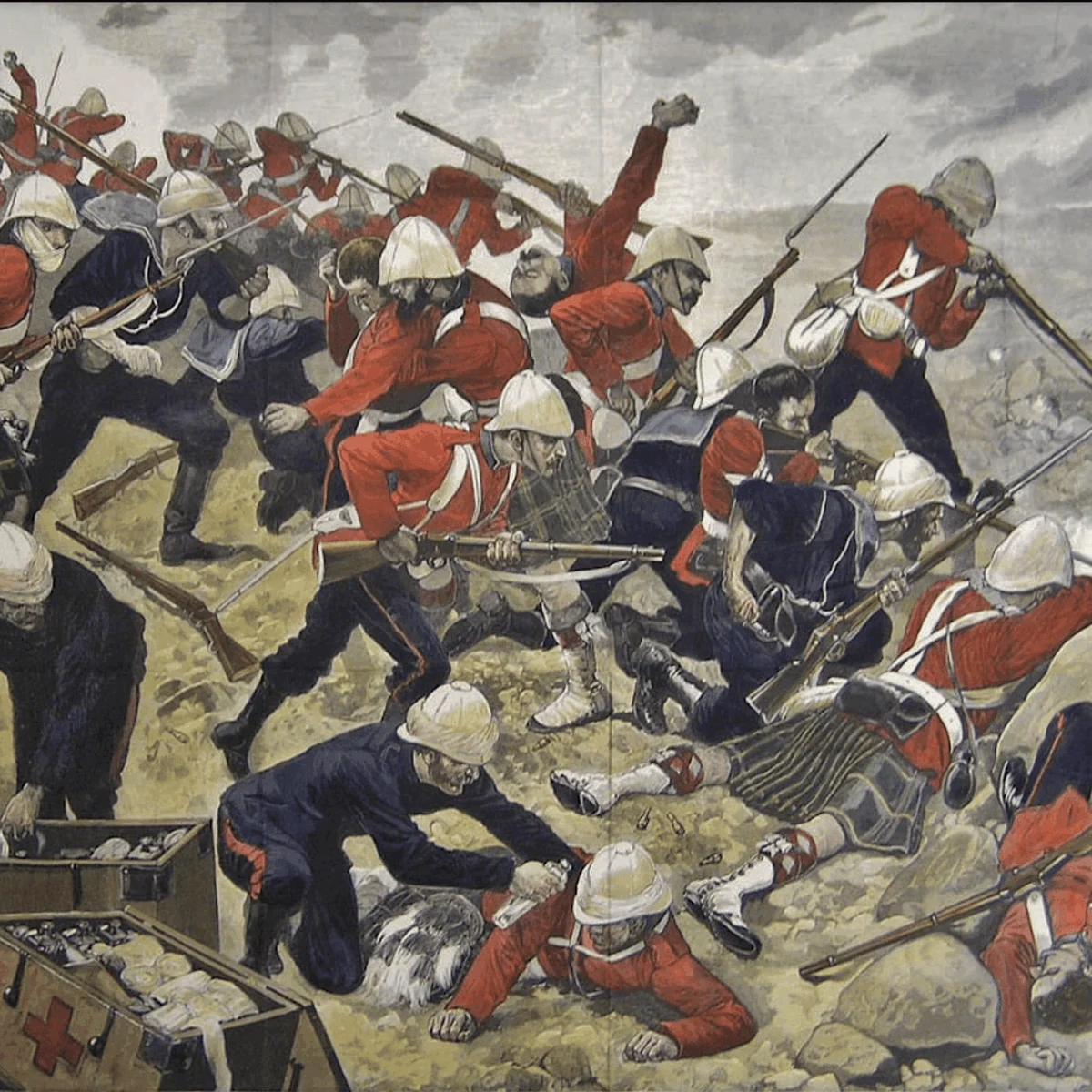
Pretoria, Transvaal – March 23, 1881 – In a surprising turn of events that defied the prevailing narrative of British imperial invincibility, the First Anglo-Boer War, also known as the Transvaal War (1880-1881), concluded today with a provisional peace settlement. The conflict, pitting Great Britain against the tenacious Boer Republic of Transvaal, saw the Boers successfully reclaim their independence following a series of decisive victories against the British army. This unexpected outcome, largely attributed to superior Boer marksmanship, intimate knowledge of the rugged terrain, and notable British strategic missteps, marks a significant, albeit temporary, setback for British colonial ambitions in Southern Africa. While independence has been restored to Transvaal, the underlying rivalries and unresolved ambiguities regarding British suzerainty are widely predicted to be merely a prelude to future confrontation.
The Roots of Conflict: Imperial Ambition and Boer Independence
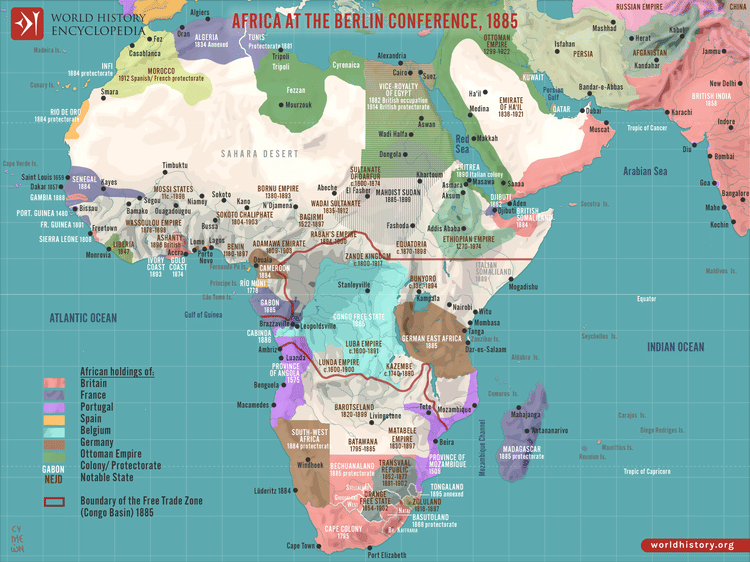
The late 19th century was a period of intense imperial expansion, with European powers carving up Africa in what became known as the "Scramble for Africa." Great Britain, already a dominant force, had established its presence in Southern Africa with the Cape Colony in 1806, strategically vital for controlling the sea route to British India. Further expansion led to the founding of Natal in 1843. However, British ambitions faced competition not only from indigenous African kingdoms but also from the Boers, white settlers of Dutch, German, and French Huguenot descent who had first arrived in the region in the 17th century under the Dutch East India Company.
British Hegemony in Southern Africa
Britain’s presence in Southern Africa was driven by a mix of strategic, economic, and political factors. The Cape of Good Hope was a critical maritime crossroads, linking Britain to its vast eastern empire. As the century progressed, the discovery of immense mineral wealth transformed the region’s perceived value. The British colonial administration harboured a grand vision of uniting the disparate territories of Southern Africa – their own colonies, the Boer republics, and various African states – into a single, federated dominion under the Crown. This ambition, fueled by notions of imperial duty and economic opportunity, would inevitably clash with the fierce independence of the Boers.
The Afrikaner Identity and the Great Trek
The term "Boer," meaning "farmer," perfectly encapsulated the self-sufficient and agricultural lifestyle of these settlers, who also identified as Afrikaners due to their unique language, Afrikaans. Shaped by a harsh frontier existence and a devout Calvinist faith, the Boers developed a deeply ingrained ethos of self-reliance and a profound distrust of external authority, particularly that of the British. Historian Reid notes their character as "tough, independent-minded and Calvinist, and later developed a trenchant anti-Britishness" (Reid, 71). Their worldview also encompassed a rigid racial hierarchy, with a paternalistic and often brutal approach to indigenous Africans, whom they regarded as a source of cheap labour and whose lands they coveted. Pakenham vividly describes their frontier justice: "In their conflicts with black people they were uniquely uncompromising. On the frontier they ruled by the whip and the gun" (Pakenham, 45).
A pivotal event in the formation of Boer identity was the Great Trek of the 1830s. Driven by growing British influence, particularly the outlawing of slavery (a practice central to Boer farming) and increasing population pressure on land around the Cape, over 14,000 Boers embarked on an epic migration northwards. This exodus led to the establishment of two independent Boer republics: the Transvaal (founded in 1852) and the Orange Free State (founded in 1854), both officially recognized by the British government through the Sand River Convention (1852) and the Bloemfontein Convention (1854) respectively. For the Boers, these republics represented the zenith of their hard-won independence, a sovereignty they were prepared to defend at all costs.
Diamonds, Gold, and the Drive for Federation
The largely agrarian landscape of Southern Africa underwent a dramatic transformation with the discovery of diamonds at Kimberley in Griqualand in 1867. This ignited a "diamond rush" and intensified British interest and control, leading to Griqualand being annexed as a crown colony in 1871. The dream of a federated South Africa gained powerful momentum among senior British colonialists, who saw the immense wealth generated by these mineral discoveries as a means to fund and solidify imperial control. Lord Carnarvon, the British Colonial Secretary in the mid-1870s, became a leading proponent of this aggressive expansionist policy, believing that "Federation would greatly improve and cheapen the administration of affairs in almost every branch and greatly lessen the probability of a demand for aid in the shape of Imperial money or troops" (quoted in Smith, 87).
Mounting Tensions and Cultural Clashes
Tensions between the British and Boers were multifaceted. Beyond the fundamental clash over territorial control and political sovereignty, there were significant cultural and ideological differences. The Boers resented the increasing influence of Anglo-Saxon culture and British administrative practices on their republics, which often housed substantial British populations. Furthermore, their differing approaches to indigenous African populations were a constant source of friction. While the British, for strategic and pragmatic reasons, generally sought to maintain formal peaceful relations with African chiefs (even as they steadily acquired land and resources), the Boers viewed Africans primarily as a source of cheap labour and were in constant conflict as they expanded their frontiers and engaged in cattle raids. London frequently perceived Boer actions as needlessly destabilizing the region, while the Boers fiercely resented what they considered imperial interference in their internal affairs.
The British Annexation of Transvaal (1877)
A critical juncture arrived in 1877, setting the stage for direct conflict. The British ambition for a federated South Africa faced its most formidable obstacle in the powerful Zulu Kingdom, a highly militarized state that posed a significant threat to its neighbours, including the Transvaal. Ironically, this threat provided the pretext for British intervention in the Boer republic.
A Republic on the Brink
The Transvaal Republic found itself in a precarious position. Constant frontier wars, particularly against the formidable Pedi tribe, had drained its coffers, leaving it almost bankrupt. A failed railway project to connect Pretoria, the capital, with Mozambique had exacerbated its financial woes, leaving the state with a paltry credit of just 12 shillings and 6 pence. Faced with internal instability and the external menace of the Zulus, the Transvaal Boers found themselves in a desperate situation.
The Seizure
On April 12, 1877, citing the republic’s instability and the Zulu threat as justification, the British moved to temporarily annex the Transvaal. The takeover was remarkably swift and almost bloodless, implemented by a handful of British officials and a mere 25 police officers. The financially crippled and militarily vulnerable Boers, seeing little alternative for their immediate protection, reluctantly complied. The following month, a British battalion arrived, cementing the annexation. The British immediately injected £100,000 into the Transvaal treasury, established a telegraph line, and hoisted the Union Jack over the Volksraad parliament building. This act, presented as a protective measure, was widely seen by the Boers as a direct assault on their hard-won independence.
Simmering Resentment and the Path to War
The British annexation, though initially accepted out of necessity, soon bred deep resentment among the Transvaal Boers. The removal of the Zulu threat, paradoxically, only emboldened their demands for autonomy.
The Zulu Factor and Shifting Sands
In 1879, a British army decisively defeated the Zulu Kingdom, eventually incorporating Zululand as a crown colony in 1887. For the British, this removed a major impediment to their regional ambitions. For the Boers, however, the elimination of the Zulu threat meant they no longer needed British protection. Their primary struggle could now shift entirely to confronting their white overlords. By 1880, the Transvaal Boers were unequivocally demanding the restoration of their independence, a demand the British government firmly rejected.
Failed Diplomacy and Growing Discontent
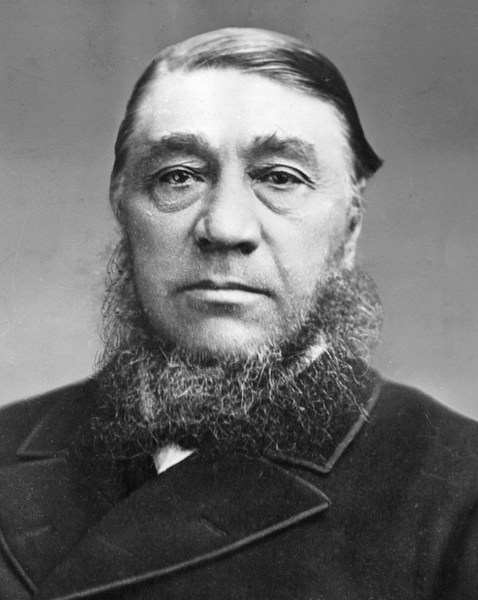
The Boers, unwilling to accept continued British rule, first pursued diplomatic avenues. A delegation, which included the future President of the Transvaal, Paul Kruger (1825-1904), travelled to London. They presented a petition bearing the signatures of 6,591 Boer farmers, passionately pleading for the return of their political autonomy. Despite their fervent appeals, the mission returned to Africa empty-handed, met with a polite but resolute refusal from the British government.
Back in Transvaal, Boer grievances mounted. They observed that the majority of British investment had been directed towards the telegraph network, with little to no funding for essential infrastructure like roads, bridges, or hospitals. The legislative council in Pretoria, the governing body, was conspicuously dominated by British officials, with Boer delegates strikingly underrepresented. This blatant marginalization, coupled with the burden of paying taxes to the British, pushed many Boer farmers to threaten boycotts of British-owned businesses and to withhold tax payments, creating an increasingly volatile atmosphere.
Underestimating the Boers
General Garnet Wolseley (1833-1913), the veteran British general in charge of Transvaal, was acutely aware of the brewing unrest. When a gathering of 1,000 armed Boers threatened to force the issue at Wonderfontein, Wolseley had their leaders arrested. However, in a critical misjudgment of the local sentiment and the Boers’ resolve, Wolseley recommended reducing the number of British battalions in Natal and Transvaal from six to four before his departure for England. This decision, predicated on a belief that the situation was under control, would prove disastrously premature.
The Spark Ignites: The First Shots of Independence
The simmering discontent finally boiled over in November 1880, triggered by an incident that, on the surface, seemed minor but encapsulated the deep-seated grievances of the Boer population.
The Bezuidenhout Incident
The catalyst for open rebellion came with the arrest of a Boer farmer named Bezuidenhout for failing to pay his taxes. When the local sheriff attempted to seize Bezuidenhout’s farm wagons as payment, a group of armed Boers, led by the influential Piet Cronjé (1836-1911), intervened to defend their compatriot. This act of defiance quickly escalated. On December 16, shots were exchanged between a Boer commando and the British garrison at Potchefstroom, signaling the start of hostilities.
The Declaration at Paardekraal
Later that month, a pivotal gathering of approximately 5,000 armed Boers convened at Paardekraal. The assembly was galvanized by impassioned speeches from Paul Kruger and the fiery clergyman-lawyer Edward Jorissen. Here, a momentous decision was reached: a formal declaration of independence would be made, and the old Boer parliament (Volksraad) would be restored. The stage was set for war. The Boers quickly formulated a military strategy: small, agile groups would besiege the various British garrisons scattered across Transvaal, while a larger, more concentrated force would move to the Natal border to prevent British reinforcements from entering the republic.
Boer Military Prowess and Strategy
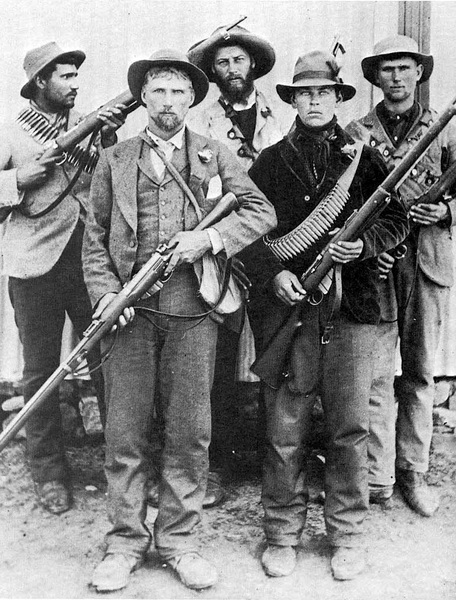
The Boers were not professional soldiers in the conventional sense, lacking formal military training, uniforms, and artillery. Instead, their fighting force consisted of citizen militias, or "commandos," composed of highly skilled farmers and hunters. Their greatest assets were their excellent rifles, exceptional marksmanship (honed through years of hunting and frontier life), and an unparalleled understanding of the local terrain. They employed guerrilla tactics, using the landscape to their advantage, often remaining unseen while delivering devastatingly accurate fire. Their decentralized structure and intimate knowledge of the veld gave them a significant advantage over the more rigid, conventionally trained British forces, especially if they could strike before large-scale British reinforcements could arrive by sea.
The Boer Triumphs: A Series of Humiliations for Britain
The early engagements of the war quickly demonstrated the effectiveness of Boer tactics against British military doctrine, leading to a series of humiliating defeats for the imperial power.
Bronkhorst Spruit: A Brutal Ambush
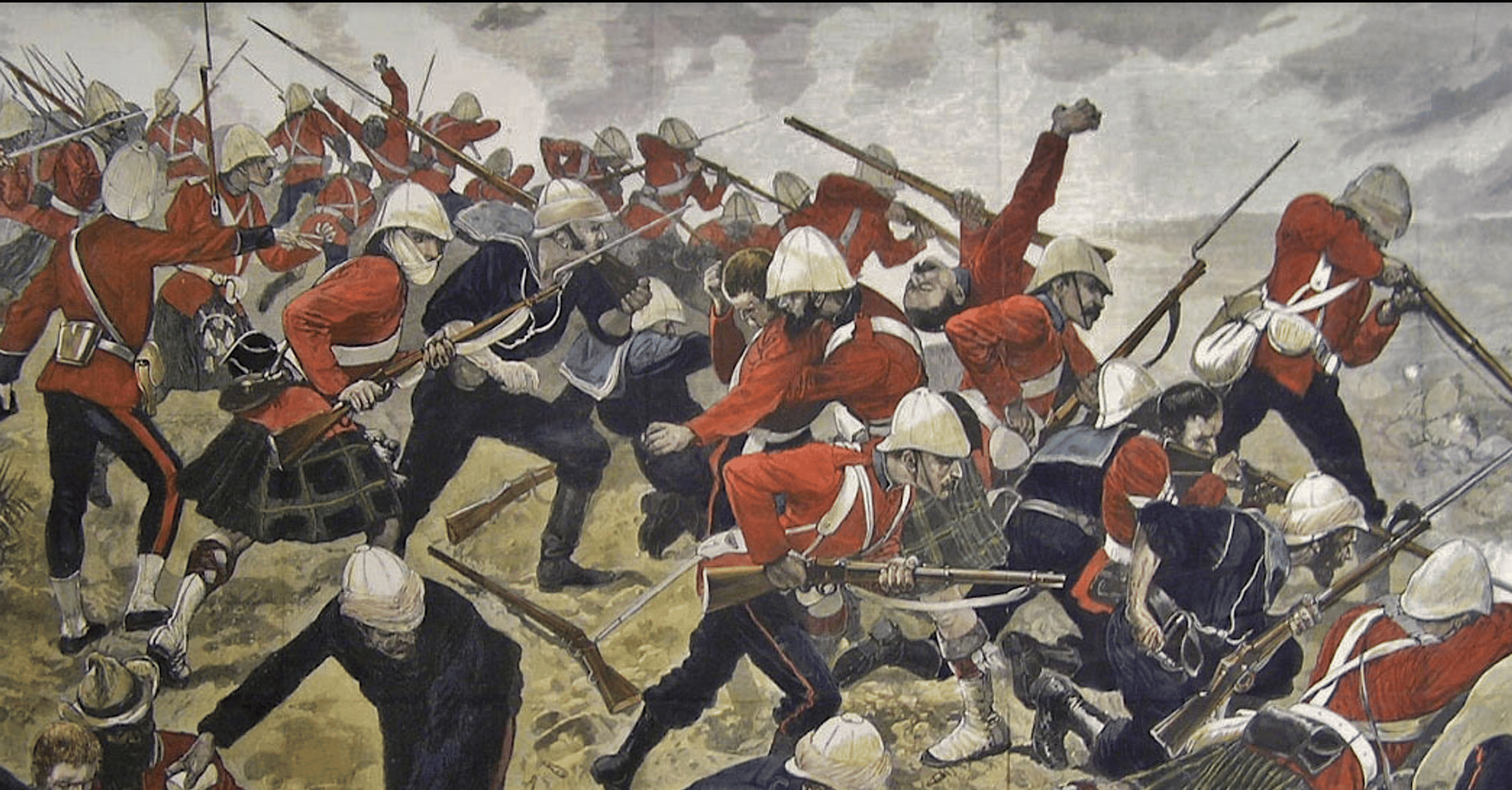
The first major action occurred on December 20, 1880. A British column of approximately 250 soldiers, marching towards Pretoria, was intercepted by a Boer commando at Bronkhorst Spruit. When the British commanding officer refused a warning to turn back, the Boers launched a devastating ambush. Utilizing the terrain masterfully, the Boers remained largely invisible, delivering relentless and accurate rifle fire. The British, caught completely by surprise and unable to discern the source of the attack, suffered catastrophic casualties. With one-third of their number killed and another third wounded, the British were forced to surrender. The Boers seized a valuable cache of weapons and ammunition, boosting their morale and resources.
Laing’s Nek: A Defeat at the Pass
A second significant Boer victory followed at Laing’s Nek on January 28, 1881. Here, a British force under Major-General Sir George Pomeroy Colley, Governor of Natal and High Commissioner for South Eastern Africa, attempted a frontal assault on well-entrenched Boer positions defending a strategic mountain pass. The Boers, holding strong defensive ground, repulsed the British attack with heavy losses, further denting British confidence and highlighting the futility of conventional tactics against the Boers’ defensive strength and marksmanship.
Majuba Hill: The Decisive Blow
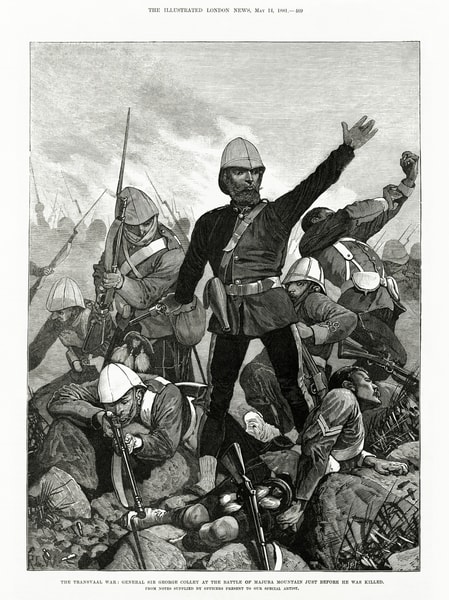
The most significant and psychologically impactful defeat for the British came at the Battle of Majuba Hill in northern Natal on February 27, 1881. Major-General Colley, determined to secure a strategic advantage, led a column of 600 men on an arduous night climb up Majuba Hill, intending to surprise and attack a Boer camp on the other side. However, the Boers, under the command of General Petrus Jacobus Joubert, quickly discovered the British presence.
In a bold counter-move, the Boers began to ascend the hill themselves, employing their characteristic stealth and superior marksmanship. They exploited the broken terrain, using natural cover to advance, effectively sniping at the exposed British soldiers who had failed to establish proper defensive trenches. The British, unprepared for such an aggressive and skilled counter-attack, soon found themselves under intense, accurate fire from multiple directions. Panic set in, and the British lines disintegrated into a chaotic retreat. The casualties were heavy, and the retreat became a rout. Major-General Colley himself, reportedly walking towards the enemy in despair, was shot in the forehead and killed. The Battle of Majuba Hill was not merely a tactical defeat; it was a profound psychological blow to British prestige, demonstrating that a well-motivated and tactically astute local force could humble the mighty British Empire.
The Armistice and an Ambiguous Peace
The succession of defeats, culminating in the disaster at Majuba Hill, sent shockwaves through the British government. Compounding the military setbacks were alarming rumours that Boers in the Orange Free State and even the Cape Colony were prepared to join the Transvaal rebellion, threatening to engulf the entire region in a larger, more costly conflict. A purely military solution to redress the underlying causes of the war now seemed increasingly untenable. Crucially, Paul Kruger, the astute Boer leader, was willing to accept an armistice, providing an opening for diplomacy.
Gladstone’s Pragmatism
The new British Prime Minister, William Gladstone (1809-1898), was a staunch advocate for moral governance and a pragmatic leader. He was acutely aware of the serious troubles then ongoing in Ireland, which demanded significant governmental attention and resources. Gladstone was determined to avoid protracted colonial wars in regions where, in his view, vital strategic interests were not overwhelmingly at stake. Despite calls from some quarters for revenge for Majuba Hill and a full-scale military campaign to restore British honour, Gladstone chose a different path. On March 23, 1881, he signed provisional peace terms with the Transvaal Boers, prioritising political stability and resource allocation over imperial pride.
The historian I. Knight encapsulates the British experience: "The Transvaal War achieved none of Britain’s aims, either militarily or politically, and it was the only consistently unsuccessful campaign waged by the British army during the Victorian period" (Knight, 39).
The Conventions of Pretoria and London
The provisional peace led to the signing of two formal conventions: the Pretoria Convention in August 1881 and the London Convention in February 1884. These agreements formally restored Boer independence to the Transvaal (renamed the South African Republic in 1884). However, the peace was fraught with ambiguity, a flaw that would prove fatal in the long run. The 1881 Convention’s preamble notably asserted British "suzerainty" over Transvaal, particularly concerning its foreign policy. Furthermore, a clause stipulated that Transvaal could not take any action that might economically harm other British colonies in Southern Africa.
For the Boers, these conventions represented the triumphant restoration of their cherished independence. For the British, the interpretation was subtly different: they believed they had granted only a limited form of autonomy, retaining ultimate oversight. This fundamental divergence in interpretation, a recipe for future disaster, permitted a fragile peace but failed to resolve the core ideological and political clashes that defined Anglo-Boer relations.
Aftermath and the Seeds of a Greater Conflict
The defeat in the First Anglo-Boer War did not, however, halt the relentless march of British imperial expansion across Southern Africa. Post-1881, Britain continued to consolidate its regional control, acquiring the Basutoland Protectorate (modern Lesotho) in 1884 and the Bechuanaland Protectorate (modern Botswana) in 1885. Swaziland and Pondoland were added to Britain’s expanding collection of Southern African territories in 1893 and 1894, respectively.
The Gold Rush and Inevitable Confrontation
In the midst of this imperial surge, a discovery of monumental significance occurred in 1886: massive gold deposits were found at Witwatersrand within the Transvaal itself. This transformed the economic landscape of the Boer republic overnight, making it an incredibly valuable prize. The influx of foreign miners and fortune-seekers, primarily British, known as "Uitlanders," created a new demographic and political dynamic within the Boer state. Their demands for political rights and economic influence clashed directly with the Boers’ desire to maintain their cultural and political independence.
This explosive combination of mineral wealth, British imperial ambition, and Boer nationalism made another conflict all but inevitable. The unresolved ambiguities of the Pretoria and London Conventions, coupled with the political friction caused by the Uitlanders and the suspicion generated by the failed Jameson Raid of December 1895 (an unofficial British attempt at a coup d’état within Transvaal), set the stage for the Second Anglo-Boer War (1899-1902).
A Legacy of Distrust
The Second Boer War was a conflict of a far greater scale and brutality than its predecessor. It would ultimately decide who would control the vast resources and political destiny of Southern Africa. Although the British eventually emerged victorious, their methods – including the widespread use of scorched-earth tactics and the internment of Boer civilians in concentration camps – drew international condemnation and left a bitter legacy. The two Boer Republics and the various British colonies were eventually united into the Union of South Africa in 1910, but the deep-seated distrust and animosity forged in the First War, exacerbated by the second, would continue to shape the region’s political and social landscape for generations. The First Anglo-Boer War, therefore, stands not merely as an isolated military defeat for Britain but as a critical, foundational chapter in the complex, often tragic, history of modern South Africa.


Leave a Comment