
Discord on the Mall: Artist Exodus Threatens the "Great American State Fair"
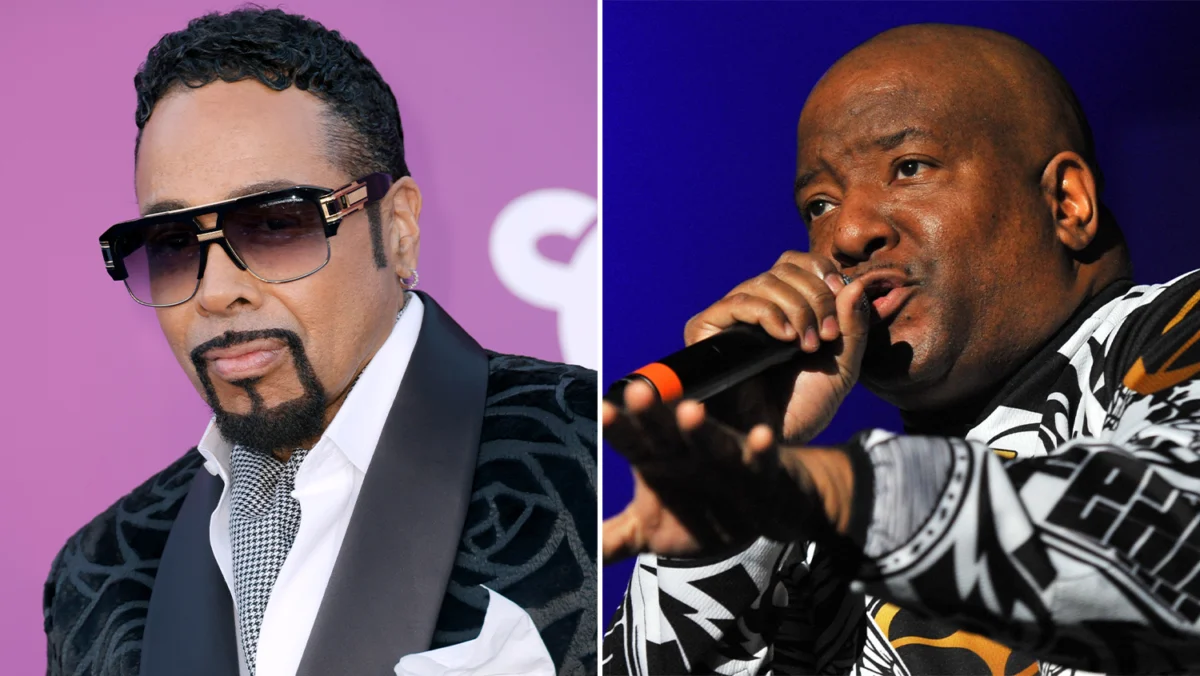
The ambitious plans for a massive summer celebration on the National Mall are facing a significant crisis of confidence. What was intended to be a unifying, non-partisan tribute to the United States’ upcoming 250th anniversary has instead become a flashpoint for political division and administrative confusion. Within days of announcing a star-studded lineup for "The Great American State Fair," a cornerstone event of the Freedom 250 initiative, several high-profile musical acts have publicly distanced themselves from the festival, citing concerns over its political origins and a lack of transparency during the booking process.
The fallout began almost immediately after the roster was publicized, as legendary funk and hip-hop icons began issuing statements clarifying that they would not, in fact, be taking the stage. This exodus highlights the deep-seated polarization currently affecting American public life, where even a celebration of the nation’s founding can become a site of ideological contention.
Main Facts: A Lineup in Flux
The Great American State Fair, scheduled to run from June 25 to July 10, was envisioned as a premier cultural event featuring a diverse array of American musical talent. However, the integrity of that lineup is currently in question. Three major acts—Morris Day, Young MC, and The Commodores—have officially withdrawn from the event, or in some cases, claimed they were never properly committed to begin with.
The High-Profile Departures
The most succinct rejection came from Morris Day, the legendary frontman of The Time. Scheduled to perform on June 27, Day took to Instagram to provide a brief but definitive update to his fans: “It’s a no for me.” While Day did not initially elaborate on the specific reasons for his withdrawal, his rejection set the tone for a wave of similar announcements.
Young MC, the Grammy-winning rapper known for the hit "Bust a Move," provided a more detailed explanation for his absence. Scheduled for a June 26 performance, he took to Facebook to express his frustration over what he characterized as a lack of transparency regarding the event’s backing. "The artists were never told about any political involvement with the event," he wrote. He specifically pointed to reporting from SPIN magazine, which labeled the fair as "Trump-backed," as a primary reason for his exit. "I hope to perform in D.C. in the near future at an event that is not so politically charged," he concluded.
The Commodores, one of the most successful soul and R&B groups in American history, also pulled out of their June 27 slot. In a statement posted to their official website, the group emphasized their desire to remain neutral in an increasingly partisan environment. “Our music has always been our voice and we choose not to publicly affiliate with any single political party,” the statement read. “We support the betterment of all Americans.”
Administrative Discrepancies
Perhaps most concerning for the organizers is the revelation from members of Milli Vanilli. Jodie Rocco, one of the original studio singers for the group, told the Associated Press that she and her sister, Linda Rocco, were "surprised" to see the group listed in the official lineup. This suggests a potential breakdown in the booking process, where artists may have been announced before contracts were finalized or even discussed with the actual performers.
Chronology: From Commission to Controversy
To understand the current turmoil, one must look at the origins of the Freedom 250 organization. The group is a public-private entity established during the Trump administration. Its primary mandate is to plan and execute the "Semiquincentennial"—the 250th anniversary of the signing of the Declaration of Independence, which will occur in 2026.
The Long Lead-Up
The United States Semiquincentennial Commission was officially formed via the Semiquincentennial Commission Act of 2016, but its activities ramped up significantly between 2017 and 2020. The goal was to create a decade-long lead-up to the 2026 milestone, with the Great American State Fair serving as a major mid-point celebration on the National Mall.
The Announcement and the Backlash
Earlier this week, Freedom 250 released its initial roster of performers, intending to generate excitement for the 16-day event. The list was eclectic, featuring country star Martina McBride, rappers Flo Rida and Vanilla Ice, and rock veteran Bret Michaels. However, the inclusion of Morris Day and The Commodores was immediately met with internal and external scrutiny regarding the event’s political "DNA."
By mid-week, the narrative had shifted from the scale of the celebration to the politics of the organizers. As media outlets began digging into the ties between Freedom 250 and the former administration, the artists—many of whom maintain fanbases across the political spectrum—began to fear that their participation would be viewed as a political endorsement.
Supporting Data: The Weight of the "Trump-Backed" Label
The controversy surrounding the Great American State Fair is rooted in the perception of Freedom 250 as a partisan vehicle. While the commission was designed to be a federal body, the specific "Freedom 250" branding and the "Great American State Fair" concept were heavily championed by appointees of the Trump administration.
The Media Catalyst
A report by SPIN magazine acted as a catalyst for the artist withdrawals. By framing the event as "Trump-backed," the publication tapped into a sensitive nerve for performers who operate in an industry where political affiliation can have significant commercial and social consequences. For artists like Young MC, the label "Trump-backed" transformed a patriotic gig into a potential PR liability.
The National Mall Context
The National Mall is a unique venue. As "America’s front yard," it is often the site of both national celebration and intense political protest. Organizing a multi-week "State Fair" in this space requires immense logistical coordination with the National Park Service and various federal agencies. Any event held there is inherently viewed through a national lens, magnifying any perceived political bias.
Remaining Participants
As of this writing, several artists remain on the bill, including:
- Martina McBride: A staple of country music with a history of performing at various national events.
- Flo Rida: A global pop-rap star known for high-energy festival sets.
- Vanilla Ice: A 90s icon who has remained active on the nostalgia circuit.
- Bret Michaels: The Poison frontman who has previously appeared on The Celebrity Apprentice, suggesting a more comfortable relationship with the event’s origins.
Official Responses: A Defense of Unity
In the wake of the artist departures, Freedom 250 has sought to perform damage control, though their public responses have been measured.
The Freedom 250 Stance
A spokesperson for the organization did not immediately return detailed requests for comment regarding the specific allegations of a lack of transparency. However, Rachel Reisner, a spokeswoman for Freedom 250, provided a statement to The New York Times that doubled down on the event’s intended mission.
“Freedom 250 is focused on our signature celebrations and events that honor our history and engage all Americans—welcoming all who share our goal of commemorating this milestone in a way that uplifts and unites America,” Reisner stated. The organization maintains that the event is non-partisan and that its primary goal is to foster a sense of national pride ahead of the 2026 anniversary.
Silence from the Booking Agents
Notably absent from the public discourse are the booking agencies responsible for securing the talent. The discrepancy between the organizers’ announcements and the artists’ claims of being "never told" suggests a potential "middle-man" error or an aggressive marketing strategy that outpaced legal confirmations.
Implications: The Challenges of Celebrating a Divided Nation
The struggle to keep the Great American State Fair on track reflects a broader challenge facing the United States as it approaches its 250th birthday: how to celebrate a shared history in an era of profound ideological divergence.
The Politicization of Patriotism
The withdrawal of The Commodores and Young MC underscores a growing trend where "patriotism" is no longer seen as a neutral or universally shared concept. When an event is linked—even tangentially—to a specific political figure or administration, it risks alienating a large segment of the population and the creative community. For the music industry, where "brand safety" is paramount, the fear of being "canceled" or pigeonholed by a political association often outweighs the prestige of performing on the National Mall.
The Future of the Semiquincentennial
The Freedom 250 controversy raises serious questions about the viability of the 2026 celebrations. If a preliminary state fair in 2024 is already plagued by artist boycotts and claims of partisan bias, the organizers face a steep uphill battle to create a truly national celebration in two years. The incident may force a restructuring of the commission or a rebranding effort to ensure that the 250th anniversary does not become a purely partisan affair.
Contractual and Professional Fallout
The Milli Vanilli situation, where artists were listed without their knowledge, suggests a level of administrative disarray that could lead to legal repercussions. If Freedom 250 used artist names and likenesses to promote ticket sales or sponsorships without executed contracts, they could face "right of publicity" lawsuits. Furthermore, this reputational damage makes it less likely that top-tier talent will sign on for future Freedom 250 events, potentially relegating the Semiquincentennial to a narrower, more politically homogeneous group of performers.
Conclusion
As the June 25 start date for the Great American State Fair approaches, the organizers find themselves at a crossroads. They must decide whether to continue with a diminished and potentially lopsided lineup or to pivot and attempt to rebuild the bridges they have burned with the R&B and hip-hop communities. For now, the "Great American State Fair" serves as a cautionary tale: in the modern American landscape, there is no such thing as "just a concert" when the National Mall and political legacies are involved. The music has stopped for some, and for the organizers of Freedom 250, the silence is deafening.



Leave a Comment