The Pen as a Scalpel: The Life and Lethal Legacy of Pat Oliphant (1935–2026)
By David Apatoff and Editorial Staff
Near the twilight of a career that spanned six decades and redefined the visual language of American politics, Pat Oliphant stood before an audience of several hundred fans for a "chalk talk." As he sketched on an overhead projector, his hand—still steady despite the years—began to render the likeness of then-Vice Presidential candidate Sarah Palin. An audience member asked a poignant question: Had the passage of time softened his famously caustic opinions?

Oliphant did not answer with words. Instead, he finished the drawing by depicting Palin on her hands and knees in a carnal embrace with a massive Alaskan moose, her expression one of unmistakable ecstasy. The room fell into a stunned, then uproarious, silence. As the event concluded, a frantic crush of collectors descended on the stage to purchase the provocative sketch. They were too late; Oliphant’s wife, Susan Conway, had already snatched the transparency from the projector, confiscating the image to ensure it would never be seen again.
It was a quintessential Oliphant moment: shocking, masterfully drawn, and utterly unapologetic. Pat Oliphant, the Australian-born iconoclast who became the most influential editorial cartoonist of the 20th century, died on July 13 at the age of 90. He leaves behind a legacy of "loud drawings" created by a "quiet man" who believed that to do his job effectively, one had to "wake up every morning angry."
Main Facts: The Architect of Modern Satire
Pat Oliphant was more than a cartoonist; he was a visual polemicist who dismantled the stodgy, label-heavy traditions of American editorial cartooning. Before his arrival in the United States in 1964, political cartoons often relied on heavy-handed metaphors—donkeys and elephants with literal name tags. Oliphant replaced this with a European-influenced, kinetic style characterized by savage caricature, sophisticated cross-hatching, and a biting wit that spared no one.
At the height of his influence in the 1980s, Oliphant was the most widely syndicated political cartoonist in the world, appearing in more than 500 newspapers. His work earned him the Pulitzer Prize in 1967, but his true impact was measured in the fear and loathing he inspired in the halls of power. From Richard Nixon to Barack Obama, every occupant of the Oval Office felt the sting of his pen.
His death marks the end of an era for the "Golden Age" of the American editorial page—a time when a single drawing could dominate the national conversation and set the tone for political discourse.
Chronology: From the Outback to the Oval Office
1935–1954: Australian Roots
Oliphant’s worldview was forged in the rugged terrain near Adelaide, Australia. Born in 1935, he grew up in a cabin surrounded by snakes and scorpions—a landscape as unforgiving as the political arenas he would later document. The son of a Ministry of Lands draftsman, Oliphant found little interest in formal schooling, instead gravitating toward the newsroom. He began his career as a copy boy for a small Adelaide paper, teaching himself the fundamentals of draftsmanship by studying the greats.

1955–1963: The Search for a Model
By age 20, he was a regular contributor to the Adelaide Advertiser. He drew inspiration from Australian artists like Paul Rigby and Norman Lindsay, but his true north was David Low. A New Zealander who conquered the British press, Low was famous for his refusal to be censored by either Hitler or Churchill. Oliphant also looked to the British "scratchy" style of Ronald Searle and Leslie Illingworth, adopting their use of inventive distortion and bold, expressive lines.
1964–1974: The American Explosion
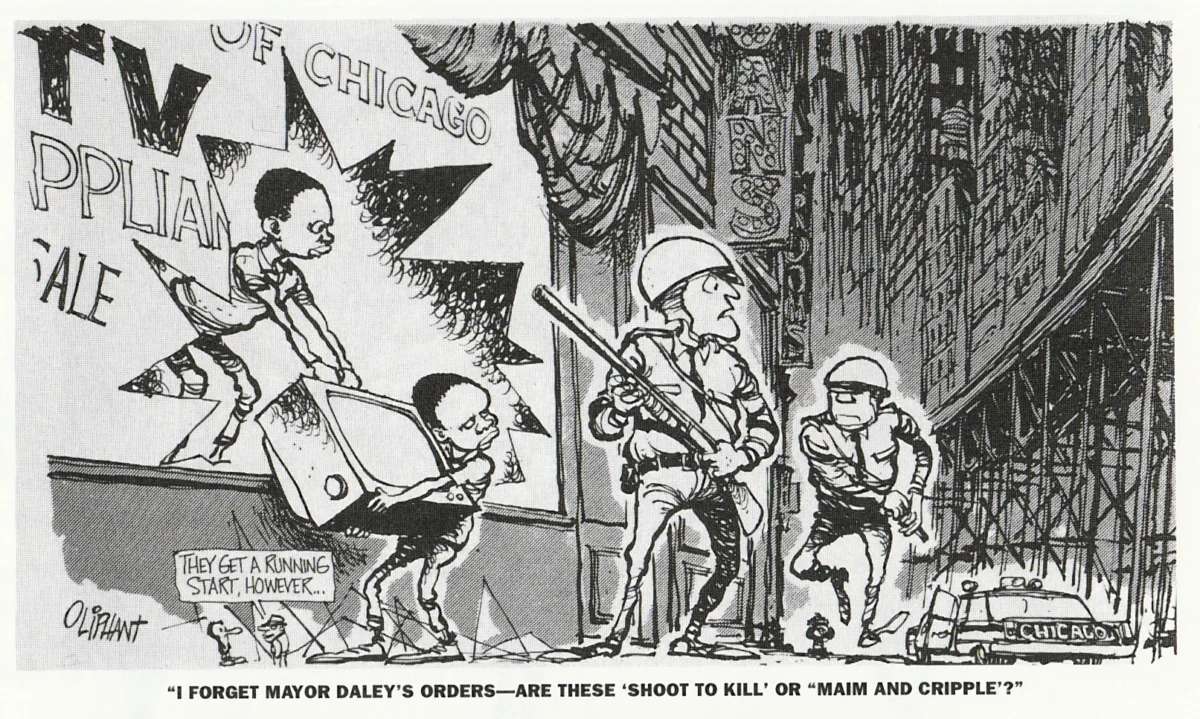
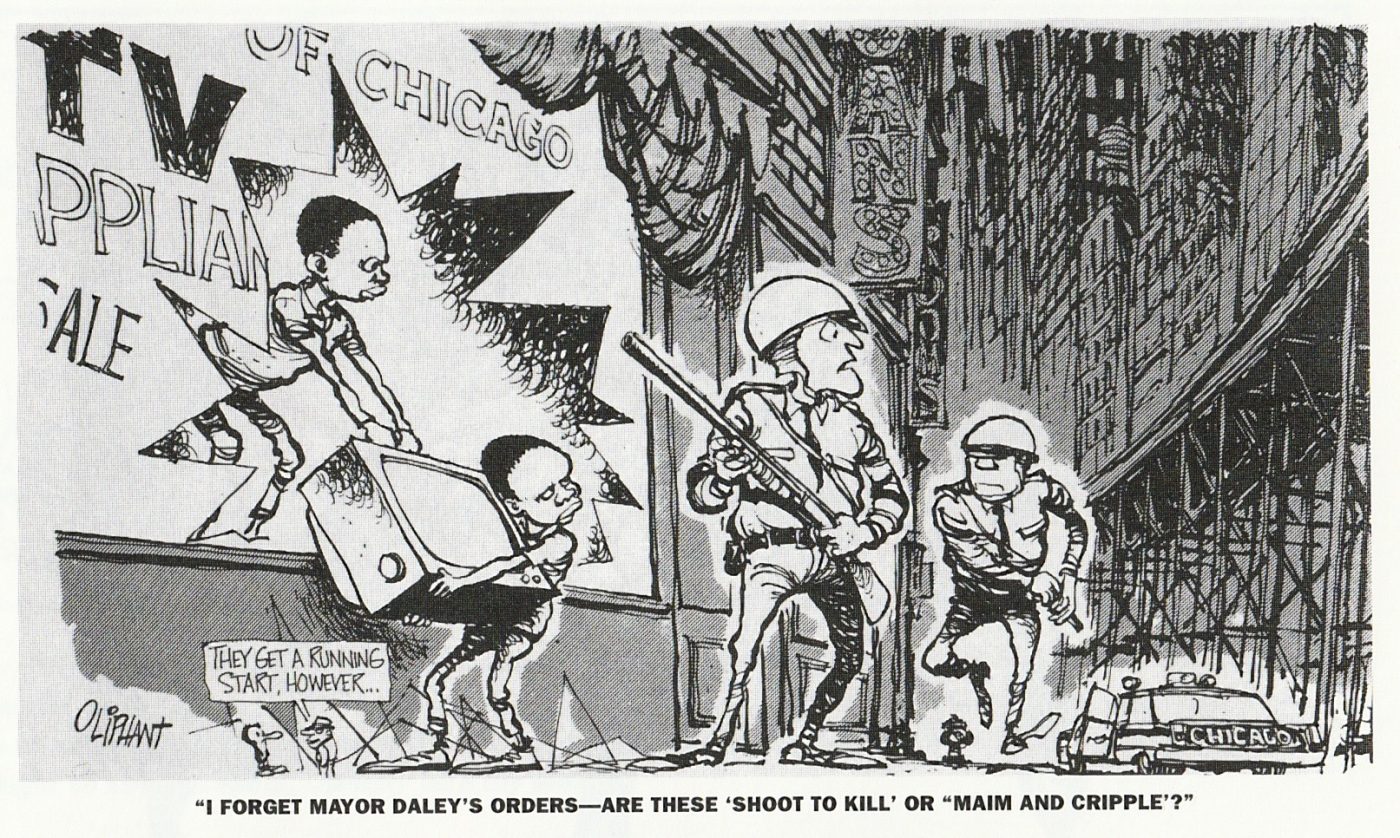
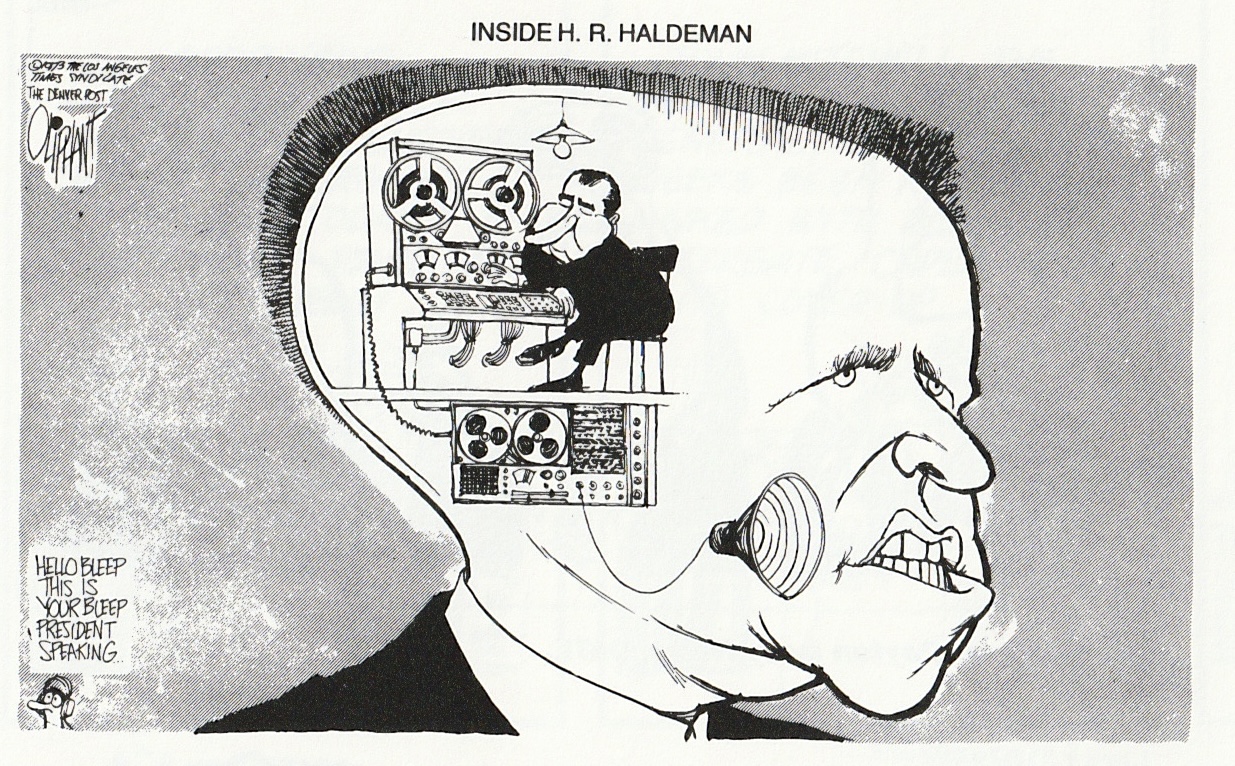
Seeking a larger stage, Oliphant applied for a vacancy at The Denver Post. Impressed by his audacity and technical skill, the editor chose the young Australian over 50 American applicants. Oliphant arrived in the U.S. just as the country was fracturing over Vietnam and the Civil Rights movement. His timing was impeccable. By 1967, he had won the Pulitzer Prize. When the Watergate scandal broke, Oliphant’s depictions of a paranoid, perspiring Nixon became the definitive visual record of a collapsing presidency.
1975–1995: The Washington Powerhouse
In 1975, Oliphant moved to the nation’s capital to join the Washington Star. When the Star folded in 1981, he moved to Universal Press Syndicate, where his reach expanded globally. During this period, he introduced "Punk," a small penguin mascot who appeared in the corner of his panels to offer a cynical "second opinion" on the main cartoon’s subject.
1996–2026: Retirement and Fine Art
In his later years, Oliphant transitioned toward "fine art," including bronze sculpture and lithography, though he never fully abandoned the political fray. He moved to Santa Fe, New Mexico, with his third wife, Susan Conway, who managed his career. He officially retired in 2015 after glaucoma and macular degeneration began to rob him of the precision required for his craft.
Supporting Data: A Record of Defiance
Oliphant’s career is defined by staggering statistics and a relentless work ethic:
- Syndication: At his peak, his work reached an estimated 40 million readers daily through 500+ newspapers.
- Awards: In addition to the 1967 Pulitzer, he received the National Cartoonists Society Editorial Cartoon Award seven times and the Reuben Award, the industry’s highest honor, twice (1968 and 1972).
- Versatility: Unlike his peers, Oliphant was a master of multiple mediums. His bronze sculptures of political figures are held in the permanent collections of the National Portrait Gallery and the Library of Congress.
- Bipartisan Savagery: While often labeled a liberal, Oliphant’s targets were evenly distributed. He depicted Jimmy Carter as a shrinking weakling, Bill Clinton as a sleazy opportunist, and Ted Kennedy as a ghost haunted by Chappaquiddick.
Official Responses and Tributes
The news of Oliphant’s passing elicited a wave of tributes from the worlds of journalism and art, reflecting the deep respect held for his uncompromising nature.
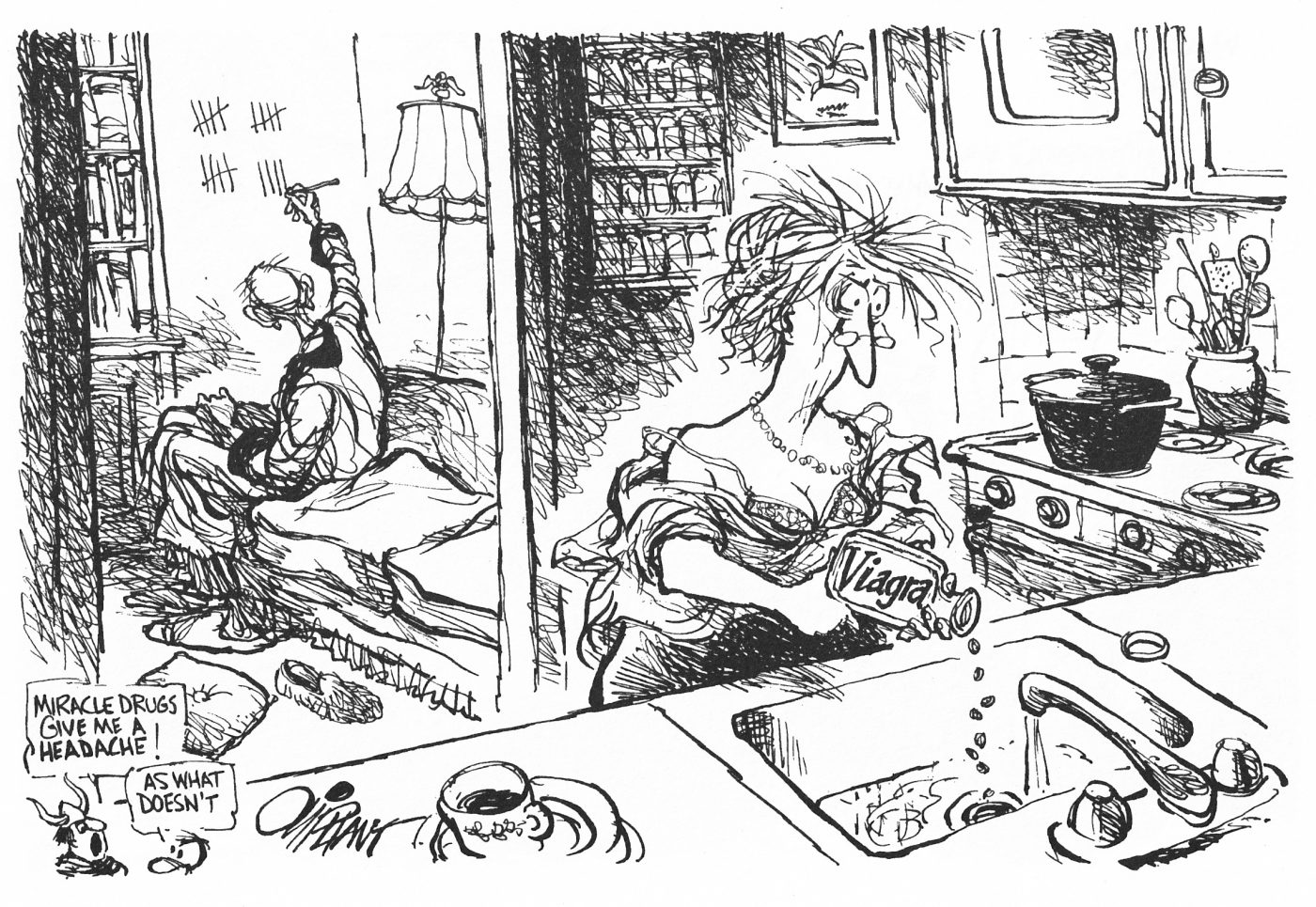
"Pat Oliphant didn’t just draw the news; he provided the visceral reaction we all felt but couldn’t articulate," said a spokesperson for the Association of American Editorial Cartoonists (AAEC). "He was the north star for three generations of artists. He taught us that a cartoon shouldn’t just be a joke—it should be a punch to the gut."
Historians at the Smithsonian, which houses a significant archive of his work, noted his contribution to the American identity. "Oliphant was our Daumier," said a senior curator. "He bridged the gap between the ephemeral nature of a daily newspaper and the permanent weight of fine art. His sculptures of Reagan and Nixon aren’t just caricatures; they are psychological profiles in bronze."
Even those he lampooned offered a grudging respect. A former aide to President Gerald Ford recalled the "bandage incident" at a Washington reception, where Oliphant walked up to the President and drew a bandage on his forehead to mock his physical clumsiness. "The Secret Service wanted to tackle him," the aide remarked, "but the President just laughed. You couldn’t stay mad at Oliphant for long because you knew, deep down, he was probably right."
Implications: The Death of the "Loud Drawing"
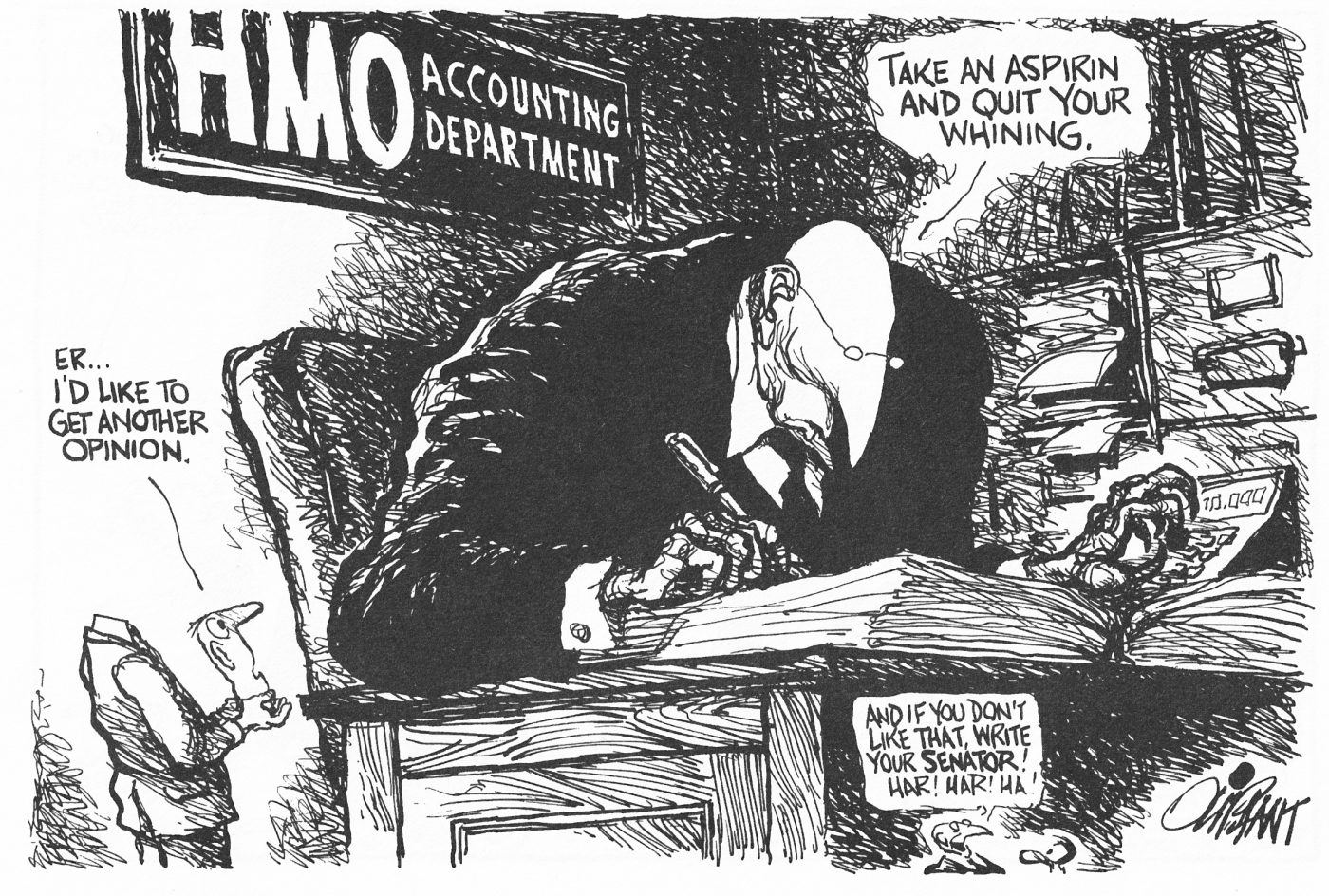
The passing of Pat Oliphant carries heavy implications for the future of political commentary. Oliphant thrived in an era of "artistic audacity," a time when newspapers had the budget and the backbone to support a staff rebel. Today, the industry is anemic, and many editorial cartoonists have been replaced by syndicated "safe" content or eliminated entirely to avoid social media backlash.
Oliphant’s career suggests that the most effective satire requires a lack of "softening." His refusal to temper his views for the sake of decorum—exemplified by the Palin moose drawing—is a trait that is vanishing in a more polarized and sensitive media landscape.
Furthermore, Oliphant’s insistence on high artistic standards—using perspective, anatomy, and composition drawn from the masters like Rodin and Daumier—challenged the notion that cartoons are "disposable" art. As digital AI-generated imagery and simplistic "meme" culture take over political discourse, the loss of Oliphant’s hand-drawn, meticulously crafted fury represents a significant cultural thinning.
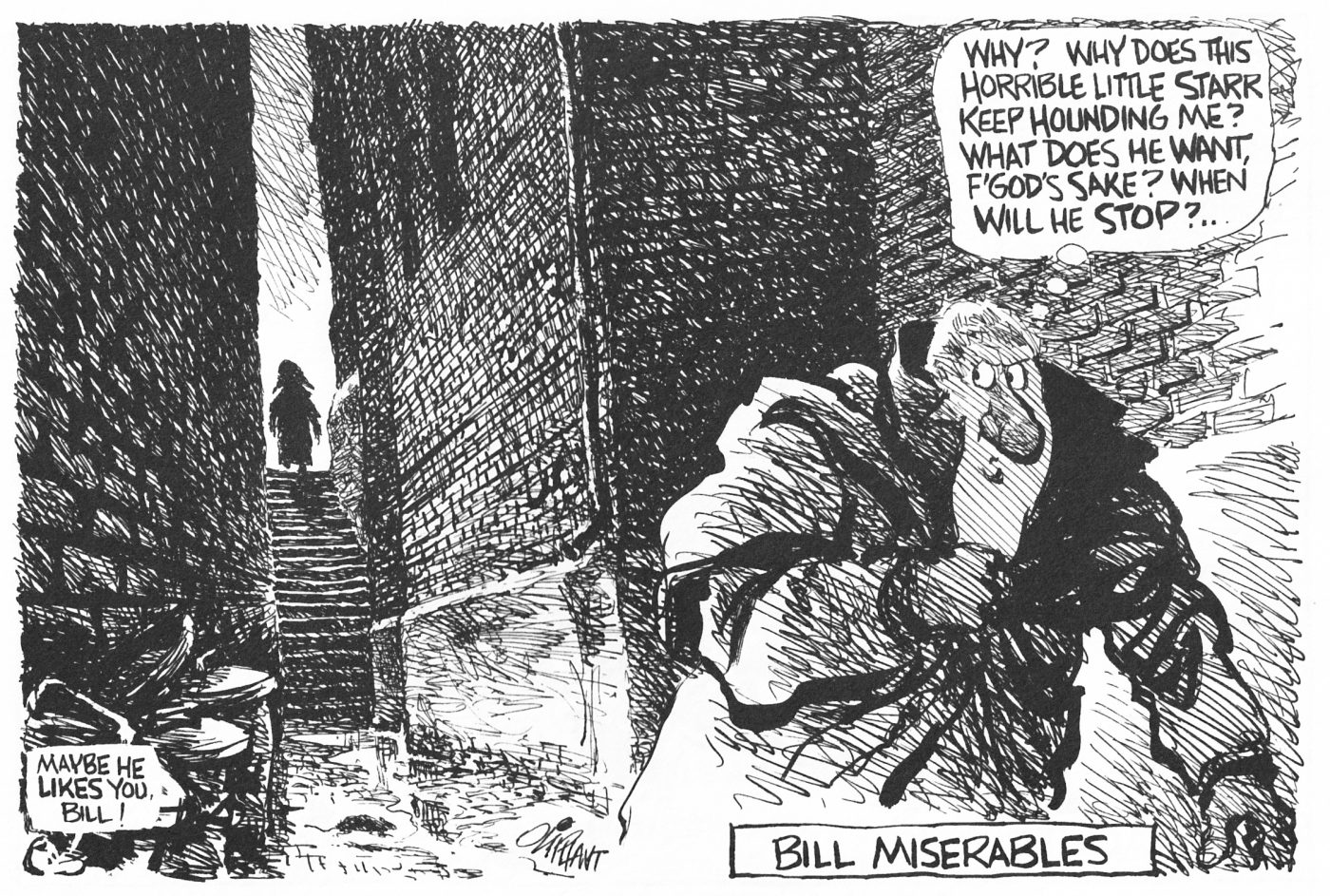
In his final years in Santa Fe, Oliphant remained a "quiet man," an observer who preferred to let his ink do the talking. He once famously said, "A cartoonist should be seen and not heard." While his voice has now fallen silent, his "loud drawings" remain—a permanent, blistering record of a century’s worth of human folly.
As he once reflected on his own journey: "If I can leave a legacy of humor and drawing, I think that will be OK." For a man who spent 90 years waking up angry so that his readers could see the truth, "OK" is a profound understatement.