
Western Legends Stories: Forging a Frontier Town in a New Legacy Saga
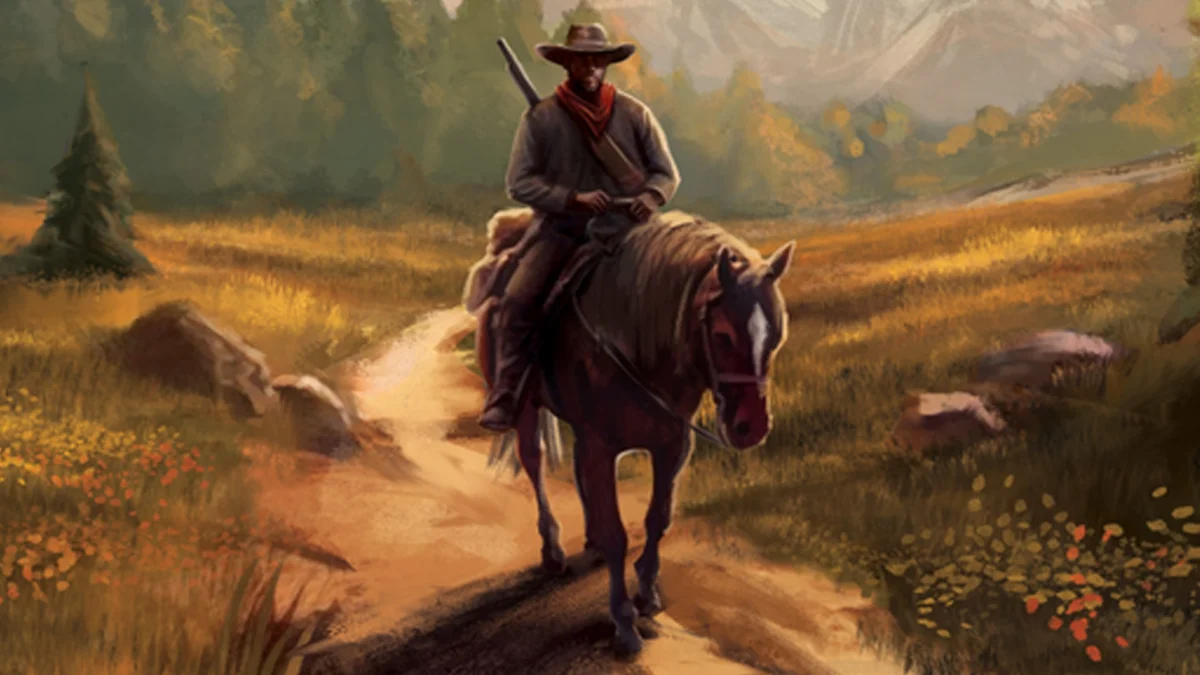
The untamed spirit of the American Wild West is set to be captured anew on tabletops, not merely as a fleeting adventure, but as an evolving saga shaped by player choices. Kolossal Games and acclaimed designer Hervé Lemaître have announced "Western Legends Stories," a standalone spin-off from the highly popular "Western Legends" board game. This ambitious new title promises to immerse players in a campaign-driven, legacy-style experience, tasking them with building a frontier town from a nascent trading post into a bustling hub, all while navigating the moral complexities and thrilling escapades synonymous with the era. Slated for a Kickstarter campaign in Q3 of this year and an anticipated release in 2025, "Western Legends Stories" is poised to offer a "Deadwood-style" narrative, where every decision leaves a permanent mark on the unfolding tale and the physical landscape of the game.
The announcement has ignited considerable excitement among the board gaming community, particularly among fans of the original "Western Legends," celebrated for its expansive open-world gameplay and vibrant portrayal of the Wild West. "Stories" represents a significant evolution, transitioning from a sandbox of individual adventures to a collective narrative, inviting players to become architects of their own legend and the destiny of an entire settlement.
The Enduring Allure of the Wild West on Tabletops
The mystique of the American Wild West has captivated imaginations for generations, offering a potent blend of rugged individualism, boundless opportunity, and stark moral choices. From the gold rushes that birthed instant towns to the legendary figures who walked the line between law and outlaw, the era is ripe for compelling storytelling and strategic gameplay. Board games, with their ability to simulate complex systems and foster emergent narratives, are uniquely positioned to explore these themes.
"Western Legends" carved out a significant niche by delivering on this promise, presenting players with a sprawling sandbox where they could truly embody a character from the era. Its success demonstrated a clear appetite for immersive, thematic experiences that transcend simple dice-rolling, leaning instead into the rich narrative tapestry of the frontier. The decision to evolve this beloved IP into a legacy format underscores a growing trend in board game design: a desire for deeper, more impactful storytelling that reflects the consequences of player agency.
Western Legends: A Sandbox Legacy
The original "Western Legends," which first hit tables in 2018, quickly established itself as a fan favorite and a critical darling. Praised for its expansive open-world design, it allowed players unprecedented freedom to carve their own path in a vivid Wild West setting.
The Original Frontier: A Deep Dive into Western Legends
At its core, "Western Legends" is an ode to freedom. Players are dropped into a vibrant frontier map, free to choose their destiny. Whether they aspired to be a revered bounty hunter, meticulously tracking down wanted outlaws, or a feared cattle-rustling desperado, building a notorious reputation, the game supported a wide array of playstyles. Other paths included the solitary pursuit of wealth as a gold prospector, panning for precious nuggets, or the high-stakes gamble of a poker star, cleaning out the saloon’s coffers. The beauty of the game lay in its flexibility; players could seamlessly transition between these roles, or even blend them, creating a truly unique character arc.
Many players, including avid enthusiasts, have drawn direct comparisons between "Western Legends" and the critically acclaimed "Red Dead Redemption" video game series. This comparison stems from the board game’s ability to evoke a similar sense of open-world exploration, character development, and moral ambiguity. The game’s straightforward yet engaging morality system perfectly encapsulates this, allowing players to accumulate "fame" for lawful deeds or "infamy" for outlaw actions. This system isn’t just cosmetic; it directly influences gameplay, determining who might hunt you down or who might come to your aid.
A particularly innovative mechanic of "Western Legends" is its novel use of poker cards. Beyond their traditional role in resolving high-noon shootouts, these cards also allow players to engage in actual poker games within the saloon locations on the board, adding a layer of thematic depth and strategic choice. This dual functionality enhances the immersion, offering players a genuine taste of frontier life beyond mere combat. While "Western Legends" offers a more streamlined experience, typically concluding in under two hours, it masterfully distills the essence of a "rip-roaring tour through all the Wild West tropes you’d hope for," as one reviewer put it, carefully avoiding problematic stereotypes of the 19th century.
Building on Success: The Expansions
Designer Hervé Lemaître and publisher Kolossal Games have not rested on their laurels since the game’s initial release. A series of well-received expansions has steadily enriched the "Western Legends" universe, adding layers of complexity and thematic depth. These expansions introduced new playable historical figures, expanding the roster of iconic characters from Bass Reeves, the legendary lawman, to Annie Oakley, the renowned sharpshooter. Each new character brought unique abilities and narratives, further diversifying player experiences.
Beyond new characters, the expansions introduced significant gameplay elements. Rules for traveling merchants brought dynamic economic opportunities, while the chance to own properties allowed players to invest in the growing frontier. Perhaps most thrillingly, the introduction of a train offered new objectives for the brave, allowing for daring heists and high-stakes pursuits, deepening the game’s replayability and strategic possibilities. This consistent evolution of the "Western Legends" framework laid fertile ground for the ambitious narrative leap that "Western Legends Stories" represents.
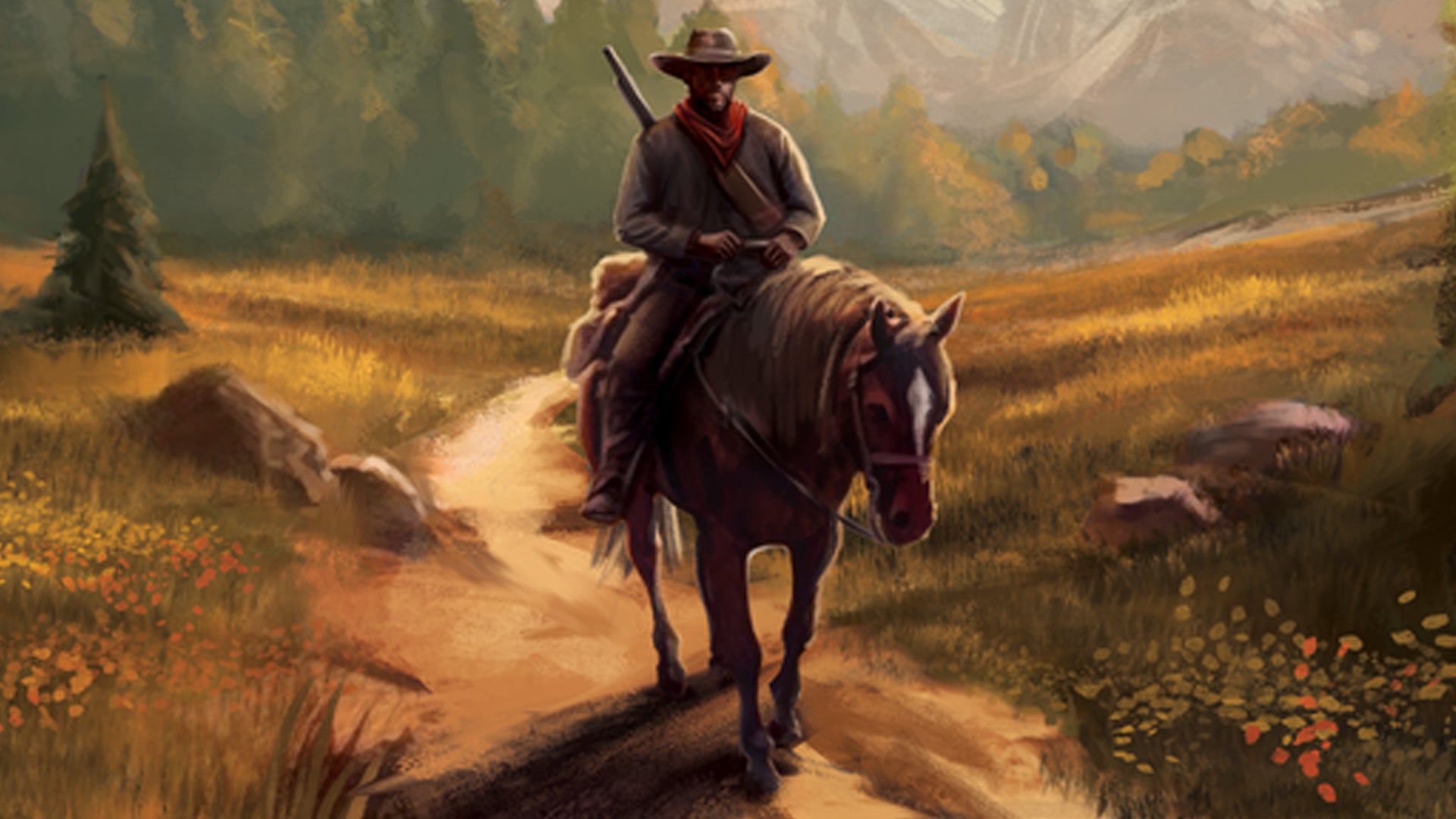
A New Frontier: Unveiling Western Legends Stories
The announcement of "Western Legends Stories" signals a bold new direction for the franchise, leveraging its established strengths while introducing a profound narrative layer through the legacy format.
From Sandbox to Saga: The Legacy Format
"Western Legends Stories" applies the celebrated open-world gameplay of its predecessor to a structured campaign told over six episodic scenarios. This shift marks its entry into the "legacy game" genre, a category popularized by titles like "Gloomhaven" and "Pandemic Legacy." In legacy games, player actions have lasting, often irreversible, consequences. Components are permanently altered, rules evolve, and the narrative branches based on decisions made in previous sessions. This creates a deeply personal and unique gaming experience that cannot be replicated with subsequent playthroughs of the same campaign.
For "Western Legends," this means transforming a series of self-contained adventures into a grand, overarching saga. Instead of simply playing a character for a single session, players will be part of an unfolding history, watching their choices manifest in the very fabric of the game world. This persistence adds a layer of weight and immersion rarely found in traditional board games, promising an experience that feels truly lived rather than merely played.
Forging a Town: The Deadwood-Style Narrative
The central narrative of "Western Legends Stories" revolves around the development of an "up-and-coming town on the American frontier." Players will collectively embark on a journey to build this settlement from a humble trading post into a bustling, thriving hub. This concept immediately brings to mind the gritty, organic growth depicted in historical accounts and critically acclaimed media like HBO’s "Deadwood," known for its raw portrayal of a frontier town’s rapid, often chaotic, evolution.
As players progress through the six chapters of the campaign, their characters will interact with a diverse cast of NPCs, whose fates and allegiances may shift based on player decisions. These interactions are not mere flavor text; they are integral to influencing the town’s development, its economy, its law enforcement, and its overall identity. Will it become a haven for outlaws, a bastion of law and order, or a prosperous trade center? The answers will be determined by the collective actions of the players. This dynamic town-building element adds a compelling layer of strategic foresight and communal storytelling to the game, making the settlement itself a central character in the narrative.
Evolving Mechanics and Persistent Choices
"Western Legends Stories" will integrate familiar mechanics from the original game, such as the wanted system, duels, robberies, and mining, ensuring that the core "Western Legends" feel remains intact. However, it will also introduce fresh mechanics, specifically for hunting and buildings. These new elements are expected to weave seamlessly into the legacy format, allowing players to engage with the frontier environment in new and impactful ways.
The most significant promise, and perhaps the most intriguing, is that players’ decisions will result in "permanent changes to the town and its surrounding landscape." Kolossal Games has explicitly stated this, aligning "Stories" with the core tenets of the legacy genre. While the exact nature of these "permanent" changes remains to be fully detailed, they could manifest in several exciting ways:
- Physical Board Alterations: This might involve placing stickers on the game board to represent new buildings, changing terrain features, or even physically removing or adding components to the map. A teaser image already hints at a diverse landscape, spanning "snowy mountains to rivers and plains," suggesting a richly detailed and evolving environment.
- Rule Modifications: Campaign decisions could permanently alter game rules, introducing new abilities, restrictions, or even entirely new phases of play.
- Character Fates: NPCs might live or die, alliances might form or shatter, and the player characters themselves could undergo permanent transformations based on their choices and experiences.
- Narrative Branches: The story itself will undoubtedly diverge, leading to different scenarios, challenges, and ultimate conclusions based on the path players collectively forge.
The true extent of this permanence will be a key factor in how deeply players connect with the narrative and the world they are shaping. Will these changes truly make each campaign unique, or will they be more superficial? The board gaming community eagerly awaits further details on this crucial aspect.
The game is designed for two to five players, with each session projected to last between 90 minutes and three hours. This suggests a manageable pace for individual chapters, while the overall campaign is expected to provide a substantial experience, clocking in at an estimated 10 to 20 hours. This duration aligns with many successful legacy titles, offering a satisfying narrative arc without becoming overly cumbersome.
The Minds Behind the Frontier
The creative force behind "Western Legends Stories" remains Hervé Lemaître, the visionary designer of the original "Western Legends." His continued involvement ensures that the spin-off will retain the core gameplay philosophy and thematic integrity that fans have come to love. Collaborating with Kolossal Games, a publisher known for its thematic and visually striking board games, the project benefits from a proven partnership committed to delivering high-quality gaming experiences. Kolossal Games’ track record suggests a dedication to intricate component design and engaging gameplay, which bodes well for the ambitious scope of "Western Legends Stories."

Kickstarter and Community Engagement
The decision to launch "Western Legends Stories" via a Kickstarter campaign in Q3 of this year is a strategic move, typical for projects of this scale and ambition within the board gaming industry. Kickstarter serves multiple crucial functions:
- Funding: It provides the necessary capital to bring complex games with high production values to life, particularly those involving numerous components, intricate artwork, and potentially unique legacy elements.
- Community Building: Kickstarter allows for direct engagement with the target audience. Backers become part of the development journey, providing feedback and building anticipation.
- Gauge Demand: A successful campaign demonstrates strong market interest, helping the publisher assess production numbers and future support.
- Stretch Goals: Campaigns often feature "stretch goals," additional content or upgrades unlocked as funding targets are met. These can significantly enhance the game, adding more scenarios, characters, components, or even further deepening the legacy elements. For "Western Legends Stories," this could mean even more dynamic town elements or branching narrative paths.
The Kickstarter campaign will undoubtedly be the primary source for further revelations regarding specific mechanics, artwork, and perhaps even early narrative snippets, allowing the community to get a closer look at the evolving frontier town.
Implications for the Board Game Landscape
The arrival of "Western Legends Stories" holds several implications for the broader board game landscape.
A Maturing IP
This standalone spin-off solidifies "Western Legends" as a significant intellectual property within the board gaming world. Moving beyond simple expansions to a full-fledged, narrative-driven legacy game demonstrates confidence in the IP’s ability to support diverse gameplay experiences and attract a dedicated fanbase. It suggests a long-term vision for the "Western Legends" universe, potentially paving the way for further spin-offs or adaptations in the future.
The Rise of Narrative-Driven Games
"Western Legends Stories" aligns perfectly with the growing trend of narrative-driven board games that prioritize immersive storytelling and player agency. As players increasingly seek experiences that go beyond abstract mechanics, games that offer evolving worlds, meaningful choices, and compelling narratives are gaining prominence. The legacy format, in particular, caters to this demand by making players active participants in shaping the story rather than just observers.
Challenges and Opportunities of Legacy Design
While legacy games offer unparalleled immersion, they also present unique design challenges. The "permanence" of changes, while exciting, can raise questions about replayability once a campaign is completed. Designers must carefully balance irreversible alterations with elements that might encourage subsequent playthroughs (e.g., different character choices, branching paths that lead to vastly different outcomes). The phrase "Exactly how permanent those changes will be, we’ll find out" hints at this delicate balance. If the changes are truly profound, each campaign will be a singular, cherished experience, akin to reading a good novel.
However, the opportunities presented by legacy design are immense. It allows for deep character development, moral quandaries with lasting repercussions, and a true sense of progression that conventional board games often struggle to achieve. For "Western Legends Stories," this means the potential to tell a truly epic tale of frontier development, where the rise and fall of a town are inextricably linked to the players’ heroism, villainy, and strategic acumen.
Anticipation and the Road Ahead
The prospect of building a "Deadwood-style" town, making decisions that permanently alter the game world, and immersing oneself in a multi-session Wild West saga is an enticing one. "Western Legends Stories" promises to be more than just a game; it aims to be an experience, a journey through the heart of the American frontier where every choice echoes through the generations of a nascent settlement. As the Kickstarter campaign approaches in Q3, the board gaming community will be keenly watching for further details, eager to saddle up and write their own chapter in the annals of "Western Legends Stories."


Leave a Comment