
The Neon Mirage: Katie Skelly’s ‘Heaven’ and the Evolution of the Contemporary Graphic Novel
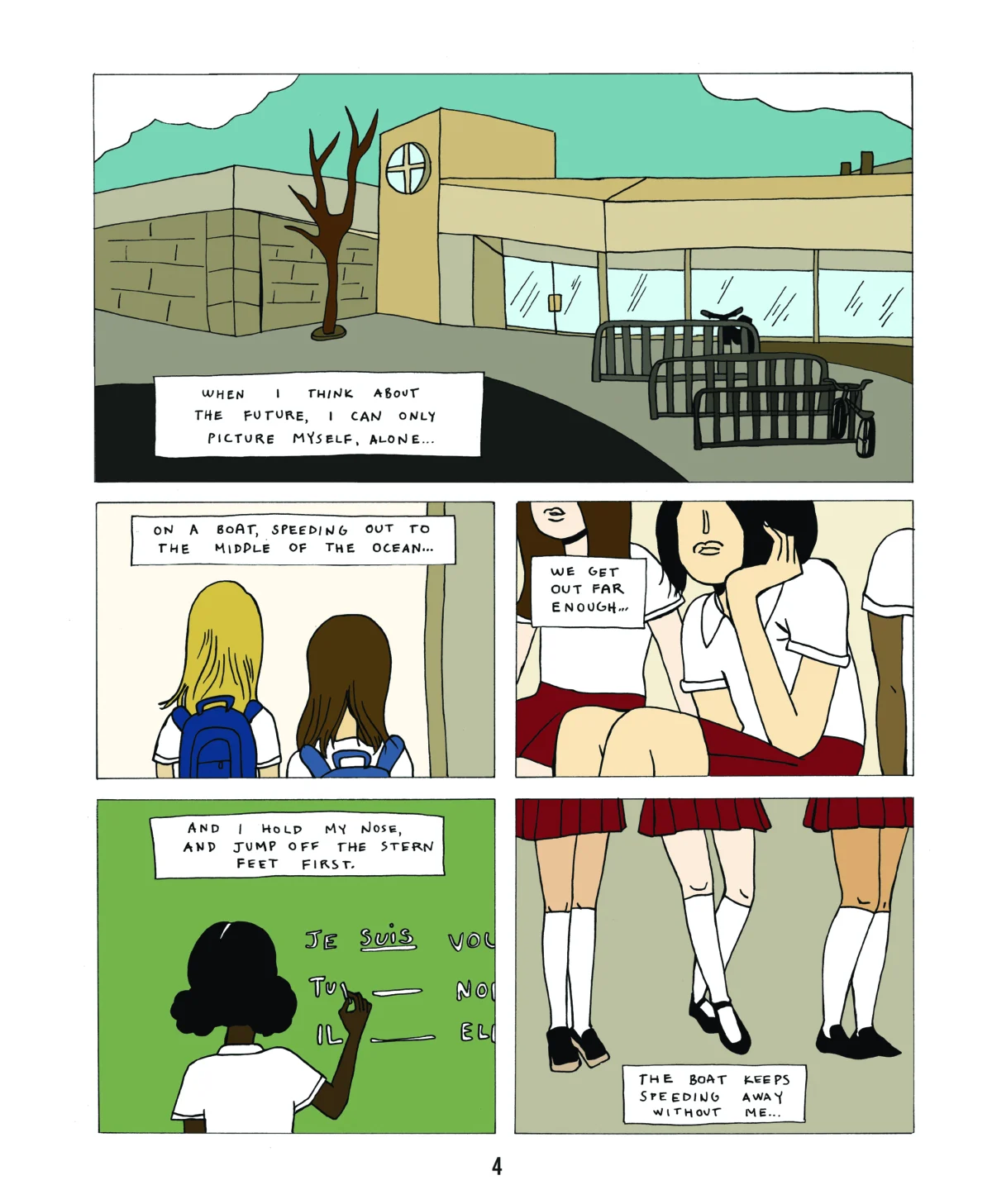
The landscape of independent comics has long been defined by voices that challenge the boundaries of genre, gender, and aesthetic convention. On May 22, 2026, The Comics Journal and Fantagraphics signaled a major milestone in this tradition with the announcement and excerpt release of Heaven, the highly anticipated new graphic novel by Katie Skelly. Marking her first full-length work since the critically acclaimed Maids in 2020, Heaven represents a stylistic and thematic pivot for an artist who has become synonymous with the "cool girl" archetype in modern sequential art.
Set against a backdrop of desert neon and supernatural intrigue, Heaven explores the psychological and spiritual odyssey of a young woman named Dolly. As she navigates the wreckage of a former life as a competitive gymnast, she is drawn toward a mysterious strip club that may or may not be a mirage. The work promises to be a seminal addition to the "fanged femme fatale" subgenre, blending the visceral aesthetics of Italian Giallo cinema with a poignant exploration of identity and belonging.
Main Facts: The Narrative and Aesthetic Framework of ‘Heaven’
At the heart of Heaven is Dolly, a protagonist whose life has been defined by the rigid discipline and physical perfection of gymnastics. When family turbulence and the loss of her athletic identity leave her adrift, she finds herself alienated from the traditional structures of school and social circles. This state of "drifting" serves as the catalyst for her discovery of Heaven—a strip club located on the outskirts of town that operates on the fringes of reality.
The publisher, Fantagraphics, describes the setting as an elusive landmark: "Some say it’s a mirage. Others say you can’t miss the giant neon heels lighting up the desert night skies." This duality—between the ephemeral and the garish—mirrors Dolly’s internal state. The narrative follows her as she is beckoned by a "mysterious presence" within the club, leading to a central conflict: what must a lost soul sacrifice to finally find a place where they belong?
Visually, Heaven is a departure from the starker palettes of Skelly’s previous works. The artist utilizes an "eye-popping sense of color" influenced by the legendary filmmaker Dario Argento. This aesthetic choice suggests a world of high-contrast shadows and saturated hues, where the "velvet darkness" is as much a character as the people inhabiting it. By moving away from the historical constraints of her previous book, Maids, Skelly returns to a more speculative and supernatural realm, albeit with a matured emotional core.
Chronology: From ‘Maids’ to the Desert Neon (2020–2026)
To understand the significance of Heaven, one must look at the six-year trajectory of Katie Skelly’s career following the release of Maids in 2020.
- 2020: The Breakthrough of ‘Maids’ – Maids was a historical true-crime graphic novel based on the Papin sisters, two domestic servants in 1930s France who committed a gruesome double murder. The book was a critical triumph, praised for its minimalist linework and its ability to convey intense psychological pressure. It solidified Skelly’s reputation as an artist capable of handling dark, complex female narratives.
- 2021–2023: The Quiet Period and Artistic Evolution – Following the success of Maids, Skelly moved away from the public eye to focus on developing a new visual language. During this period, she began experimenting with more vibrant color theories and supernatural themes, moving away from the grounded horror of historical crime toward a more hallucinatory style of fiction.
- 2024–2025: Production of ‘Heaven’ – Working with Fantagraphics, Skelly began the arduous process of hand-coloring and drafting Heaven. The project was kept largely under wraps, with only small teasers suggesting a return to the "vampiric" or "fanged" themes seen in her earlier work like My Pretty Vampire.
- May 2026: The Reveal – The release of the Heaven excerpt marks the official return of Skelly to the forefront of the medium. The six-year gap between major works has created a sense of anticipation among critics and fans alike, positioning Heaven as a "comeback" of sorts for one of the industry’s most distinctive voices.
Supporting Data: The "Skelly Girl" and the Giallo Influence
The stylistic choices in Heaven are not merely cosmetic; they are deeply rooted in the history of underground comics and European horror cinema. Skelly’s work has often been categorized by the "cool girl" archetype—characters who possess a certain detached, effortless aesthetic but harbor deep internal reservoirs of desire or rage.
The Argento Aesthetic
The comparison to Dario Argento is particularly telling. Argento, a master of the Giallo genre, is known for films like Suspiria (1977), which utilized expressionistic lighting and surreal color palettes to create a sense of waking nightmare. In Heaven, Skelly adopts this "Argento-esque" approach to the desert landscape. By using neon pinks, deep purples, and midnight blues, she transforms a desolate setting into a vibrant, dangerous sanctuary.
The Archetype Deconstruction
In Heaven, Skelly reportedly deconstructs her own "cool girl" trope. While her previous characters often maintained a sense of impenetrable mystery, Heaven finds them "letting their guards down and letting the world in." This shift suggests a more vulnerable, character-driven approach to storytelling, where the supernatural elements serve as metaphors for the raw emotional experience of puberty and social isolation.
Official Responses: Publishers and Editors Weigh In
The reception to the announcement of Heaven has been overwhelmingly positive, with industry leaders highlighting Skelly’s unique position in the market.
Fantagraphics Books, the publisher known for its commitment to high-art comics, emphasized the book’s role in reinforcing Skelly’s status. Their official statement describes the work as a "reinforcement of Skelly’s place as one of the most distinctive voices working in contemporary comics today." They highlight the "supernatural strip club backdrop" as a unique vehicle for a story about identity and belonging.
The Editors of The Comics Journal (TCJ), in their introduction to the excerpt, adopted a more intimate tone, speaking directly to the "outcast" demographic that Skelly’s work often attracts. "Is the promise of a mirage-like velvet darkness the only thing getting you through the school day? You are not alone," the editors wrote. This endorsement positions Heaven not just as a commercial product, but as a cultural touchstone for readers who feel disconnected from the mainstream.
The inclusion of the phrase "fanged femme fatale fiction" in the editorial introduction further confirms that Skelly is returning to the monstrous-feminine themes that defined her early career, but with the refined craftsmanship she honed during the creation of Maids.
Implications: The Future of Feminist Horror in Comics
The release of Heaven carries several broader implications for the graphic novel industry and the evolution of feminist horror.
1. The Reclamation of the "Male Gaze" Spaces
By setting the story in a strip club—a space traditionally associated with the male gaze—and centering it on a female protagonist’s search for identity, Skelly is participating in a long-standing tradition of reclaiming and subverting patriarchal spaces. Heaven appears to treat the strip club as a liminal, perhaps even sacred, space where the normal rules of society do not apply, allowing for a radical exploration of female autonomy.
2. The Persistence of Physical Media
In an era increasingly dominated by digital consumption, the emphasis on Skelly’s "eye-popping sense of color" and the specific aesthetic quality of the work highlights the continued importance of the physical graphic novel as an art object. Fantagraphics’ decision to publish a work of such visual density suggests a belief in the market for high-concept, auteur-driven physical books.
3. The Maturation of the "Indie" Voice
Skelly’s transition from the raw, underground energy of her early zines to the sophisticated, historically-informed narrative of Maids, and finally to the polished, genre-bending world of Heaven, mirrors the maturation of a whole generation of indie comic creators. These artists are no longer content with being "alternative"; they are redefining the very center of what comics can be.
4. Horror as a Metaphor for Adolescence
Finally, Heaven reinforces the trend of using supernatural horror to discuss the "horror" of being a young woman. The loss of an identity (the gymnast) and the search for a new one in a world of "fangs" and "neon" serves as a powerful allegory for the transformations of late adolescence.
As the comics community looks toward the full release of Heaven, it is clear that Katie Skelly has moved beyond the "cool girl" exterior to find something deeper, darker, and more vibrant. In the desert heat of her latest work, the mirage of Heaven promises to be one of the most significant literary events of 2026, proving that sometimes, the only way to find where you belong is to step into the velvet darkness and never look back.


Leave a Comment